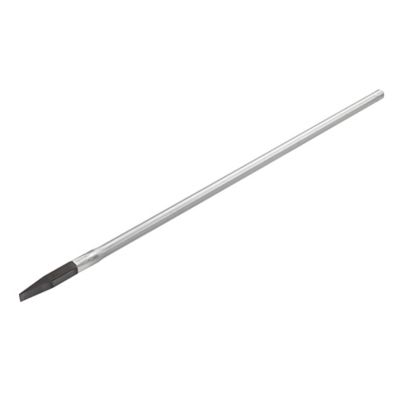
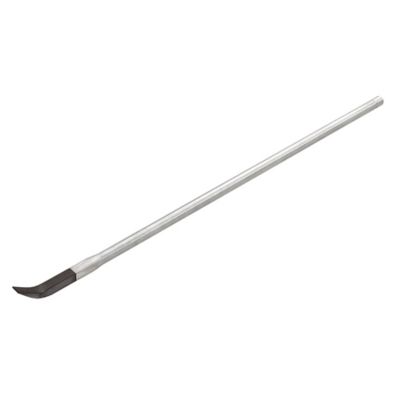
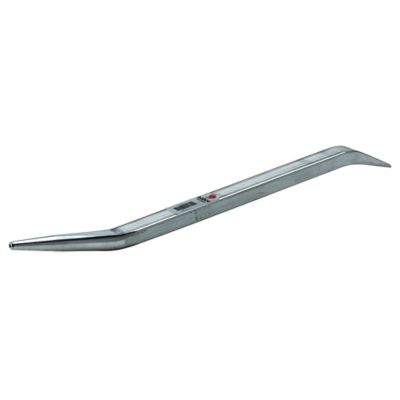
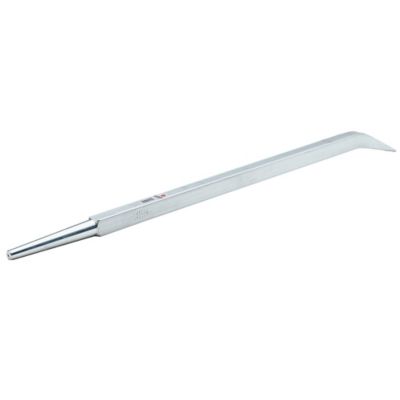
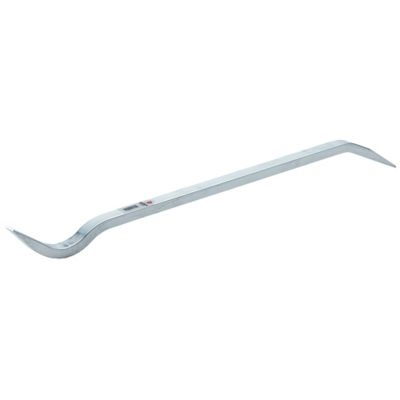
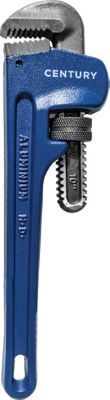
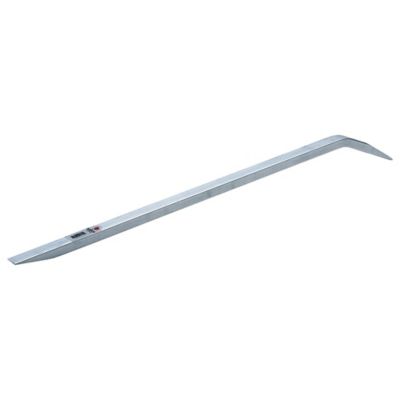
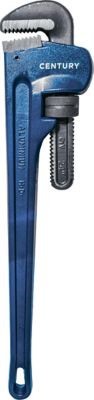
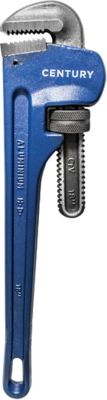
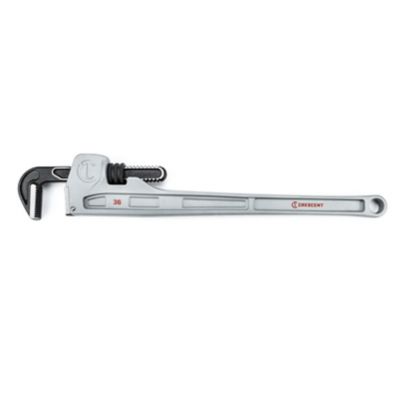
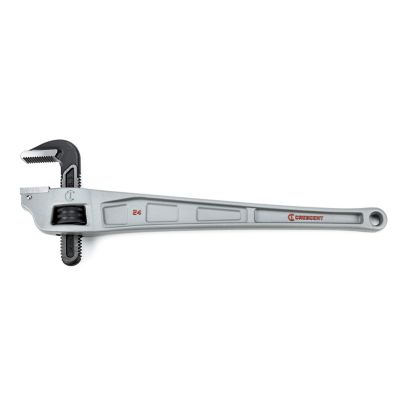
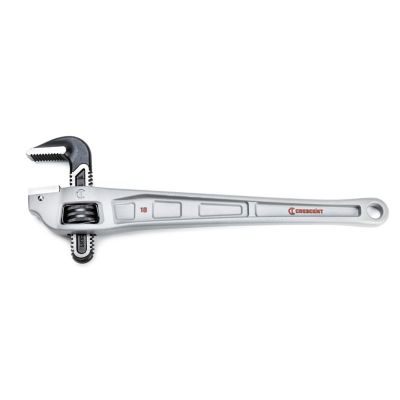
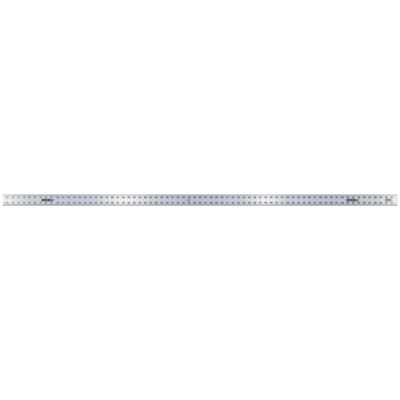
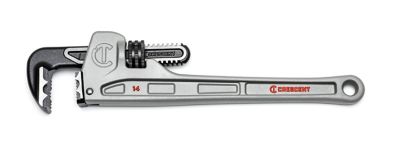
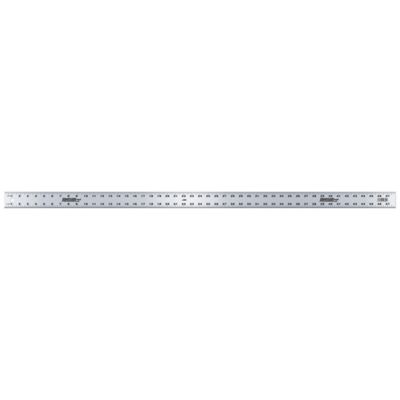
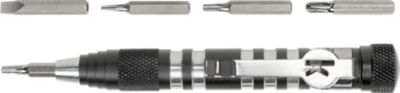
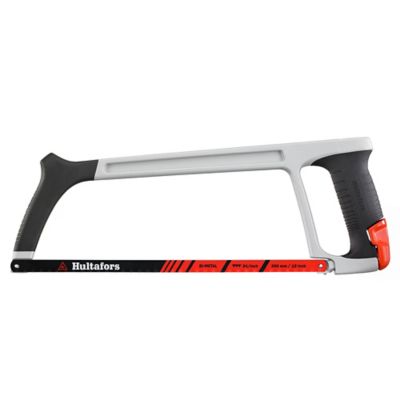
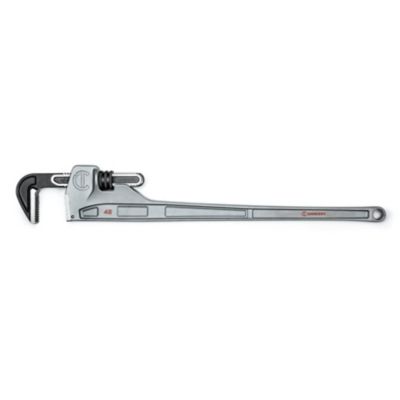
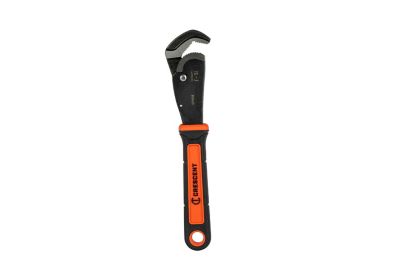
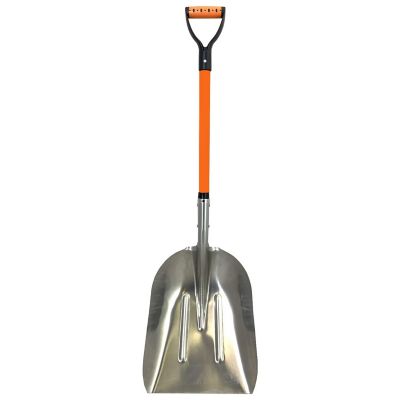
Aluminum tools bring a lighter feel to everyday work without making every part of the tool out of the same metal. The term generally covers tools with aluminum bodies, frames, handles, or measuring surfaces, along with a separate group of cutting accessories designed to work on aluminum. That distinction matters: an aluminum-framed hand tool may have a steel cutting edge, while a tool meant to cut aluminum may be made from high-speed steel or carbide. For chores around the farm, repairs in the shop, and layout work on a building project, aluminum’s appeal starts with its low weight and resistance to red rust. Carrying tools from the truck to an outbuilding, holding a measuring edge against a board, or making repeated marks across a stack of lumber can put those benefits to work. Aluminum measuring and layout tools commonly include straightedges, rulers, and squares, where a rigid profile and readable markings help support consistent measurements. Frames and handles made from aluminum can also trim weight from tools that still need tougher metals at their working edges or moving joints. Less weight can make repeated handling easier, though balance, grip shape, and the force required for the task affect comfort just as much. Carpenters, metalworkers, property owners, and folks maintaining barns or equipment may all have a place for aluminum tools in their working kit. They also fit the needs of someone setting up a first shop or keeping a second set of tools close to regular chores. The best match depends on what the tool needs to do, not just what its body is made from. A straight measuring edge needs to stay true, a cutting tool needs an edge suited to the material, and a handled tool needs a shape that feels steady through its full working motion. Aluminum can contribute to all of those designs, but construction and intended purpose determine how well a tool fits the job.
Material details make a real difference when comparing aluminum tools for regular work. Many are built from aluminum alloys rather than pure aluminum, with the alloy, wall thickness, ribs, and overall shape contributing to stiffness and strength. A broad, reinforced profile can resist flex better than a thin section, even when both carry the same material description. An anodized finish can help protect the surface from wear and corrosion, but it does not make the tool immune to scratches, dents, or damage from harsh chemicals. Aluminum does not develop red rust like iron or ordinary steel, yet it can still corrode in certain conditions, especially around salts or incompatible cleaners. Steel fasteners, blades, springs, and pivot points need their own attention, too. On measuring tools, etched or clearly defined graduations, easy-to-read numbers, and a clean reference edge matter more than appearance. A square that rides in a toolbox beside heavy hardware benefits from protected storage, since a nick along its edge can interfere with marking a clean line. For longer straightedges, length needs to suit the work surface while allowing room to position and move the tool. A compact size may be easier to carry between jobs, while a longer span can support layout across wider boards or panels. Handle fit deserves the same thought. Enough room for a gloved hand, a secure gripping surface, and a comfortable reach around the handle can help maintain control without an awkward wrist position. With snips or other pivoting tools, cutting capacity and blade material are separate considerations from handle weight. Aluminum handles do not mean a tool can cut every kind or thickness of sheet metal. Manufacturer ratings for the material and thickness remain the deciding factors. Around electrical work, aluminum’s conductivity also matters: an aluminum body is not electrical insulation, and ordinary grips should not be treated as protection against live circuits. These practical details help separate a tool that simply feels light from one that belongs in a particular working setup.
Tools for cutting or machining aluminum serve a different purpose from tools made with aluminum, even though both can fall under the same broad search. Aluminum can cling to a cutting edge, and chips need room to clear rather than pack into the cut. Blade tooth geometry, flute design, tool speed, and any recommended lubricant depend on the operation, the alloy, and the equipment involved. A blade or bit should be expressly rated for the material and compatible with the machine; a lighter tool body alone says nothing about that suitability. For a shop handling occasional bracket work or repairs, those specifications help keep attention on the actual task instead of the label. Across both groups, long service life starts with keeping working surfaces clean and protecting the parts that establish fit or alignment. Sawdust, grit, and metal chips can collect in joints or scratch a measuring face when tools are piled together. Wiping away debris with a soft cloth, following the maker’s cleaning directions, and drying tools before storage help preserve surfaces and moving parts. Where lubrication is called for, it belongs at the specified points rather than spread across grips or reference faces. Separate slots, sleeves, or compartments can keep straightedges from rubbing against cutting teeth and keep heavier tools from landing on lighter frames. Bent edges, loose pivots, cracked handles, and damaged markings are reasons to check whether a tool remains fit for its task. Good lighting makes those inspections easier and helps when reading small graduations beneath a workbench or inside an equipment compartment. An
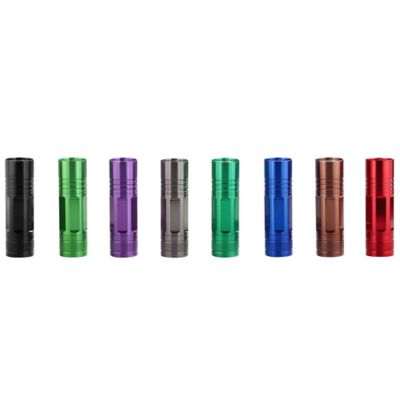
Aluminum Flashlight can be a practical companion for close-up visibility, though lighting never replaces safe equipment shutdown before inspection. For someone who spends plenty of time fixing, building, or measuring, aluminum tools can also make a thoughtful gift when their usual work and preferred sizes are known. A useful addition is one that fits the recipient’s tasks, storage space, and way of working, whether that means less weight to carry across the property or a clear reference edge ready at the bench.