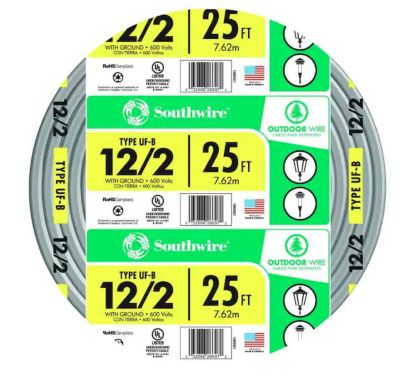
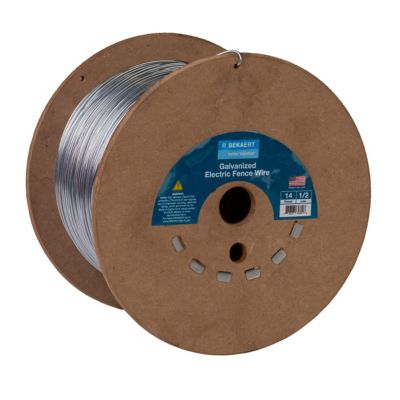
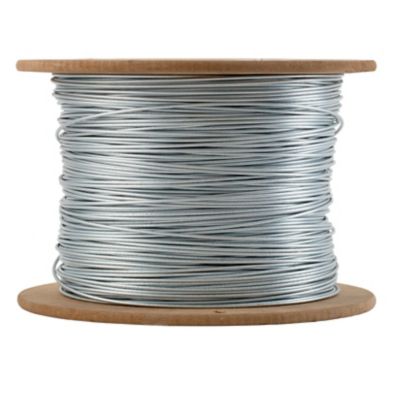
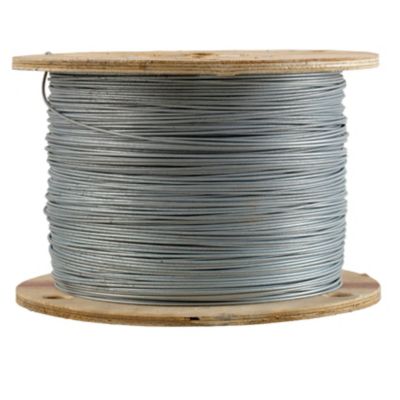
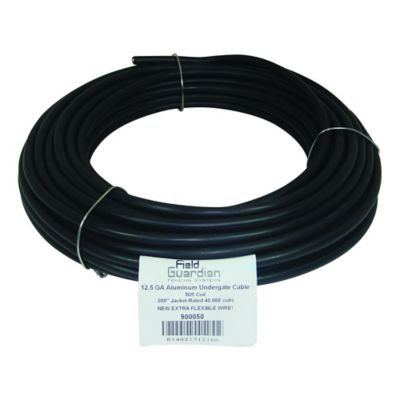
Electric wires are the conductors that carry electrical current from a power source to lights, outlets, appliances, equipment and other connected fixtures. Choosing the right wire starts with understanding where it will be used, how much power the circuit needs and what kind of protection the wiring requires. Indoor residential wiring commonly uses cable with insulated conductors enclosed in a protective outer jacket, making it suitable for routing through walls, ceilings and other finished areas. Single insulated conductors are often used inside approved conduit in workshops, agricultural buildings, commercial spaces and other locations where the wiring needs added mechanical protection. For outdoor runs, damp areas or underground installations, look for wire specifically rated to handle moisture, sunlight, soil contact or exposure to changing temperatures. Wire made for direct burial is designed for underground use when installed according to local code, while wire for wet locations must carry the proper moisture rating even when it is inside conduit. These details matter on a farm or around a country property, where a run may pass through a barn, along a fence line, under a driveway or out to a pump house. Before shopping, note the circuit voltage, amperage, distance and installation method, then check the wire marking and package information carefully. A wire’s gauge describes its size, and the numbers work in reverse: a lower gauge number means a thicker conductor that can carry more current, while a higher gauge number means a thinner conductor intended for lighter loads. Fourteen-gauge wire is commonly associated with standard 15-amp lighting and general-purpose circuits, while 12-gauge wire is commonly used for 20-amp circuits and heavier household loads. Longer wire runs may also require attention to voltage drop, since resistance over distance can reduce performance and create excess heat if the wiring is not properly sized. Local electrical codes can be stricter than general guidelines, especially for kitchens, garages, outbuildings, livestock areas, buried runs and circuits serving motors or large appliances. The
Electrical Supplies available for a project should match the intended use rather than simply being the least expensive option.
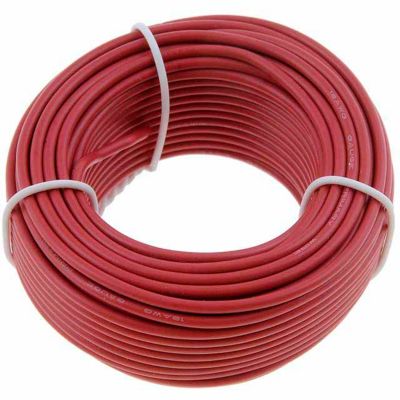
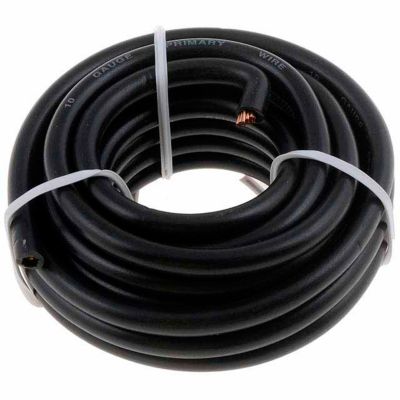
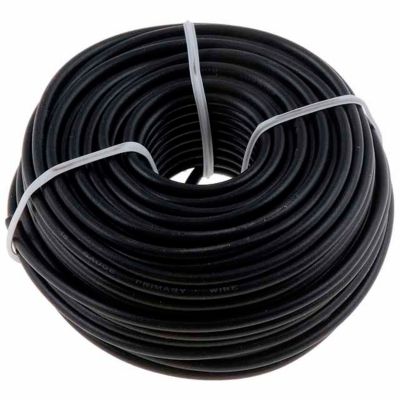
The color of an insulated conductor can help identify its job, but color alone should never replace testing and following the wiring diagram. In a typical circuit, black or red insulation is used for a hot conductor that carries active current from the service panel toward an outlet, switch or fixture. White insulation is generally used for the neutral conductor, which completes the circuit by carrying current back to the panel. Green insulation or bare copper is used for the grounding conductor, which provides a safer path for fault current and helps protective devices operate when something goes wrong. Some wiring layouts use more than one hot conductor, especially where switches, 240-volt equipment or specialized circuits are involved, so the full circuit plan matters. Wire should be matched with the correct breaker or fuse, terminals and connectors; installing a heavier-looking wire does not make an undersized breaker or unsuitable component safe, and increasing breaker size without confirming the entire circuit can create a serious fire hazard. For a dependable installation, keep conductors protected from sharp edges, fasten cable as required, leave enough slack at boxes and avoid crowding wires into a conduit or electrical box beyond its rated capacity. Use connectors listed for the wire material and installation location, and do not mix aluminum and copper conductors unless the connection hardware is specifically approved for that combination. Outdoor and agricultural wiring deserves extra care because moisture, dust, animal activity, tools, tractors and seasonal ground movement can all damage an unprotected run. A wire routed near a gate or feed area should be guarded from rubbing and impact, while a buried line should be installed at the required depth and marked so future digging does not become a surprise. Keep the work area dry, shut off power at the service panel and verify that the circuit is de-energized with an appropriate tester before handling any conductor. Never rely on a wall switch as the only means of disconnecting power, and never assume a wire is safe because a light or outlet is not working. If the project involves a new circuit, service-panel work, buried power, a wet location or uncertainty about local requirements, a licensed electrician can help confirm the plan and complete the work safely.
Electric wire can be useful for a wide range of maintenance and improvement jobs, from replacing damaged wiring in a workshop to extending power for a properly planned light, fan, receptacle or piece of equipment. Homeowners may use it during a room renovation, while a property owner may need correctly rated wiring for a detached garage, chicken coop, garden lighting or utility building. Contractors, maintenance crews and experienced do-it-yourselfers often keep commonly used wire sizes and connector supplies on hand so a small repair does not bring a larger job to a halt. It is also a practical addition to a new-home or shop-building project list, since having the correct wire on hand can help keep work organized once framing and electrical rough-in begin. Store unused wire in a clean, dry place, protect loose ends from crushing and keep the markings visible so the wire can be identified later. Before cutting, measure the route carefully and allow extra length for bends, box connections and future service; a little planning is easier than trying to make a short piece reach a box mounted behind a workbench or in a dim corner of a barn. Pay attention to insulation condition as well. Cracked, scorched, brittle or chewed insulation is a sign that the wire should not be reused, and a splice should never be buried behind finished surfaces unless it is made in an approved, accessible enclosure. During the warmer part of the season, outdoor projects may involve lighting, pumps, fans or improvements to a shed, while cooler months often bring indoor repairs, shop upgrades and preparations for more time spent working inside. Regardless of the season, the right wire type, gauge, insulation rating and installation method help support a cleaner, longer-lasting electrical system. Taking a few minutes to read the markings, compare the wire to the circuit requirements and follow local code can make the difference between a tidy repair and a problem that shows up later as a tripped breaker, flickering light, warm connection or damaged equipment.