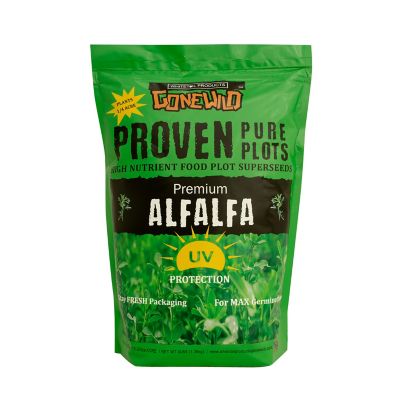
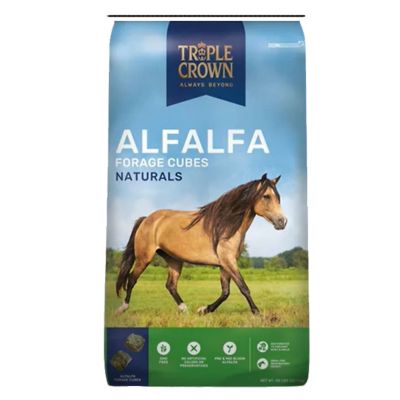
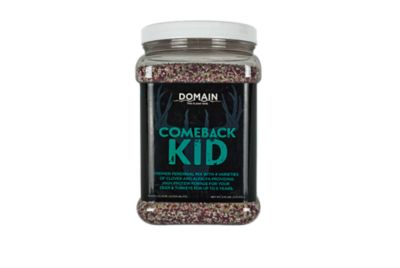
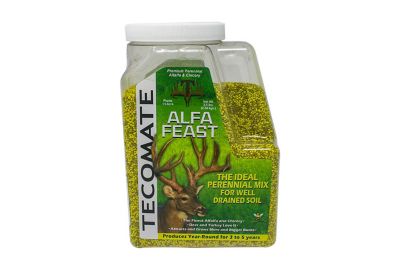
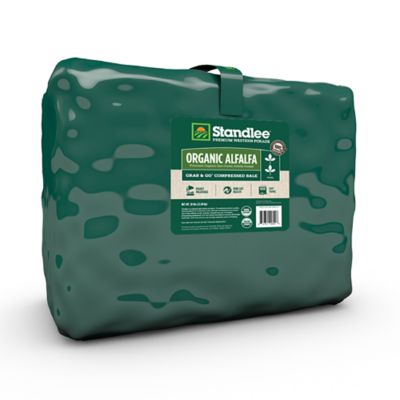
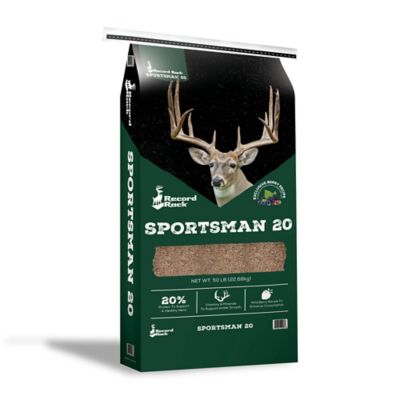
Alfalfa seeds have been a staple on farms and homesteads for generations, and for good reason. Whether you’re looking to boost your pasture, enrich your soil, or grow a steady supply of microgreens, alfalfa seed brings a lot to the table. Folks who raise livestock know that alfalfa stands out as one of the best forage crops you can plant—nutrient-rich and loaded with protein, it’s a favorite for cattle, horses, goats, and even backyard rabbits. Many customers swing by Tractor Supply in search of an alfalfa seed 50 lb bag, especially when they’re seeding larger fields or looking to overseed existing pastures. Alfalfa seeds for farming are often chosen not just for their feed value, but also because they’re a tough perennial that keeps coming back, making them a smart investment for anyone managing acreage. When you’re thinking about planting, it’s good to remember that alfalfa likes full sun and well-drained soil with a pH in the sweet spot between 6.5 and 7.5. Shallow planting—about a quarter to a half inch deep—helps these seeds settle in and get off to a strong start, especially if you’re aiming for a thick, healthy stand.
During the warmer months and as cooler weather rolls in, alfalfa seed can be sown in early spring or late summer to early fall, depending on your local climate and rainfall patterns. Folks with smaller gardens sometimes pick up a few pounds for microgreens or sprouting in the kitchen, while those running bigger operations stick with bulk options like the alfalfa seed 50 lb bag tractor supply offers. Some families even give bags of alfalfa seed as a practical gift to new landowners or young folks just starting out with their own livestock—nothing says “welcome to farm life” like a bag of seed that keeps giving year after year. And if you’re looking to improve your soil, alfalfa’s deep roots help break up hardpan and pull nutrients up to the surface, while its nitrogen-fixing abilities give your next crop a natural boost. That’s why you’ll see seasoned growers rotating alfalfa with other crops or mixing it with grasses for a well-balanced pasture. If you’re considering a blend, you might want to check out
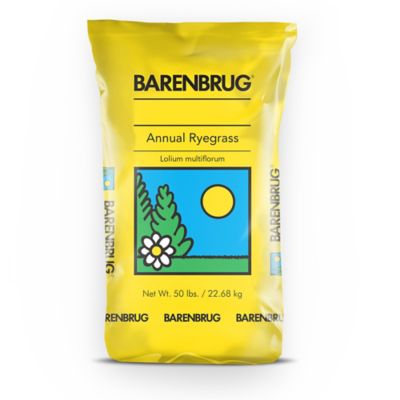
Ryegrass Seeds as a companion—many rural folks find that a mix of alf alfa and ryegrass helps keep their fields lush and productive through changing seasons.
No matter if you’re working a few acres or tending a backyard plot, alfalfa seed offers flexibility and value. From sprouting jars on the kitchen counter to sprawling hayfields, these seeds are easy to handle and quick to germinate—often showing green shoots in just a few days when conditions are right. For those new to planting, it’s worth remembering that certified, untreated seed is the best bet, especially if you’re growing for animal feed or human consumption. A typical seeding rate runs about 15 to 20 pounds per acre, but you can adjust up or down depending on your needs and the lay of your land. Whether you’re after a thick hay crop, a cover crop to build up your soil, or a steady supply of nutritious greens, alfalfa seed fits the bill. And with the right care, a single stand can last for years, rewarding your effort with season after season of growth. For anyone living the rural life, alfalfa seed is more than just a crop—it’s a tradition, a feed source, and a way to keep the land working for you and your animals.