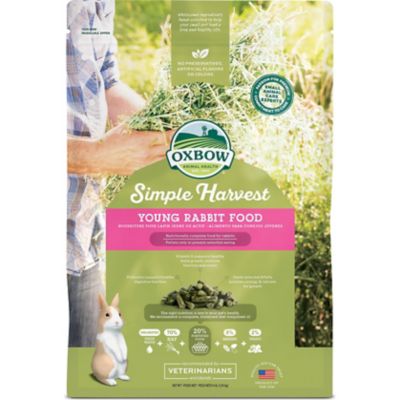
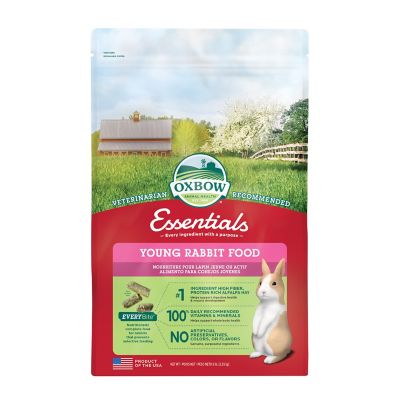
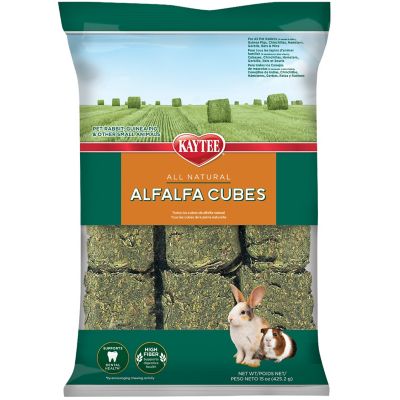
Alfalfa hay for rabbits is a leafy legume hay that generally contains more protein, calcium and calories than grass hays such as timothy or orchard grass. That richer nutrient profile gives it a particular place in rabbit feeding, especially for young, growing rabbits and certain rabbits with greater nutritional needs. It is not simply another name for ordinary grass hay, and it is not the best everyday hay choice for every rabbit. Growing youngsters can benefit from the nutrients that support normal development, while pregnant or nursing rabbits may also need a richer feeding plan under veterinary guidance. An adult rabbit that needs to regain weight may have a place for alfalfa in its diet, but the reason for that weight loss needs attention first. For most healthy adult rabbits, grass hay remains the everyday foundation because it supplies fiber without the same concentration of calcium and calories. Among the choices for
Hay For Rabbits, alfalfa fills a more targeted feeding role. Its value comes from matching that role to the rabbit, rather than assuming that more nutrients always mean a better fit. Age, body condition, activity level, pellet intake and health history all affect that decision. A young rabbit stretching up to a hay feeder has different needs from a mature house rabbit that spends much of the day resting beside its pen. Extra calories can contribute to unwanted weight gain, and calcium intake deserves particular attention for rabbits with a history of urinary trouble. Alfalfa alone does not explain every urinary problem, so feeding decisions are best based on the whole diet and a rabbit-savvy veterinarian’s advice. Hay also works alongside other appropriate foods and fresh drinking water; it does not make a complete feeding plan by itself. That distinction matters whether the rabbits live in a household enclosure or a well-kept rabbitry, especially when animals of different ages share the same daily care routine.
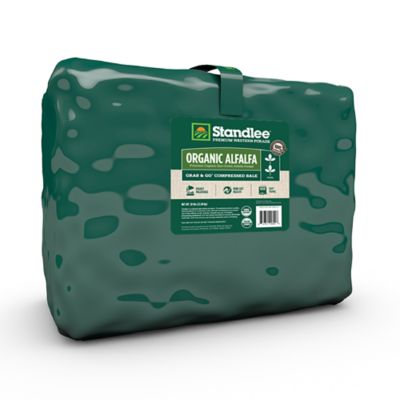
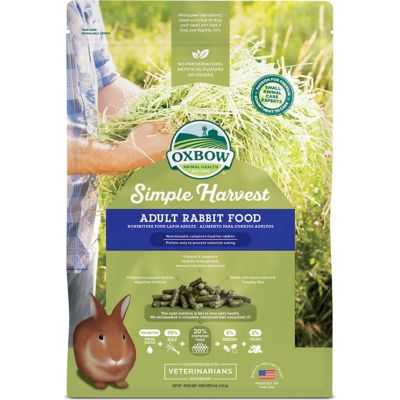
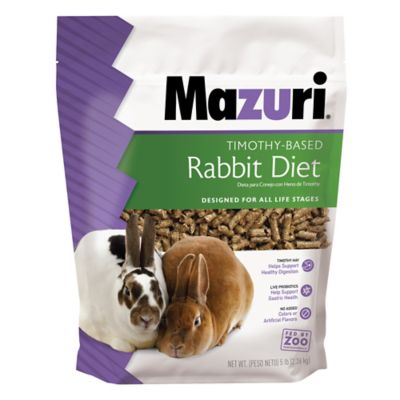
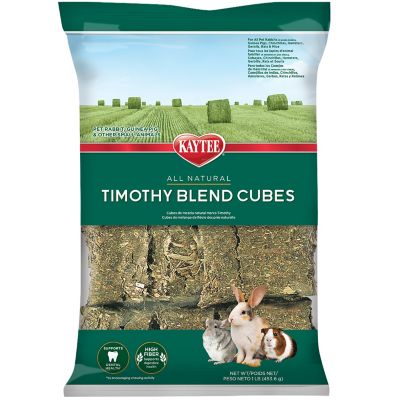
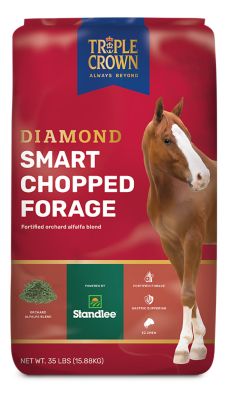
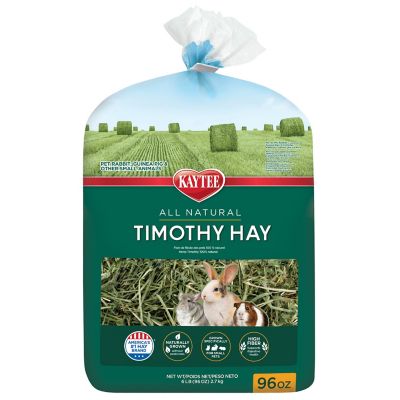
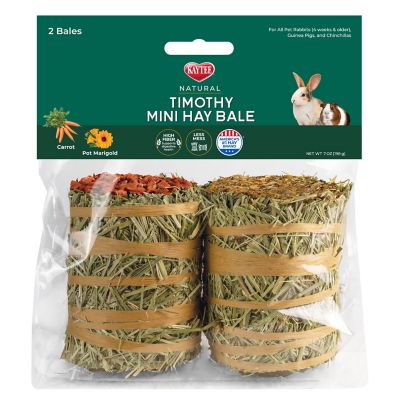
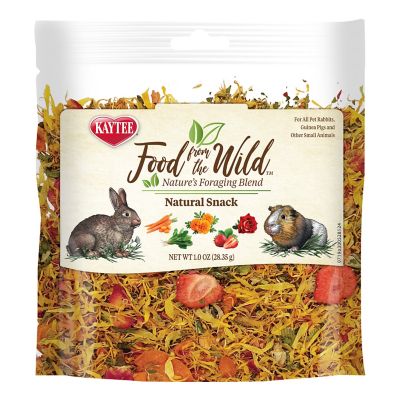
The character of alfalfa rabbit hay comes from its mix of leaves and stems. The smaller leaves carry much of its richness, while the stems give the hay structure and provide material for chewing. A bag with leafy pieces and firmer strands will feel different from a bag of long, narrow grass blades, and that difference is normal for this type of forage. Some rabbits eagerly pick through the leaves first, leaving a scatter of stems beneath the feeder. That enthusiasm can make alfalfa appealing, but a rabbit’s favorite mouthful is not always the best measure of its dietary needs. Natural variation also means that color, leafiness and stem thickness can differ between harvests. A green appearance and a pleasant, grassy smell are useful signs, though color alone cannot establish nutritional value. Feed information on the package gives a better basis for comparing protein, fiber and calcium than appearance alone. The ingredient statement also matters: straight alfalfa hay is different from a blend containing grass hay, and a compressed hay product may have different feeding directions from loose forage. Long-strand hay gives rabbits opportunities to chew and forage, while a pellet or small hay-based treat should not automatically take the place of loose hay. Package size and shape affect the chores, too. A smaller package may suit a household with one rabbit receiving measured amounts, while a larger package calls for enough storage space and a feeding routine that gets through it before moisture or contamination becomes a concern. Compressed hay can take up less room, though it still needs a clean place for opening and portioning. Loose hay is easy to fluff into a feeder, but there will usually be some fallen leaves and small fragments to sweep up. Those practical details matter at the feed room shelf and beside the rabbit pen, where an easy-to-manage package can make daily care less of a chore.
Keeping alfalfa hay clean and dry helps preserve its feeding value from the first handful to the last. A storage spot away from leaks, damp floors, rodents and household chemicals is a better fit than an open corner where the package can collect moisture or unwanted debris. Packaging directions matter, particularly after opening, and hay should not be sealed away while damp. A musty odor, visible mold or signs of pests are reasons to keep that hay out of the feeder. Some small leaf particles are normal, but heavily dusty material can be unpleasant around a rabbit’s sensitive nose and deserves closer inspection. At feeding time, the setup should let the rabbit reach the hay easily without catching its head or feet in narrow openings. A low feeder or roomy hay area near the litter box often fits the way rabbits naturally graze while going about their routine. Keeping forage above soiled bedding helps limit waste, and clearing away wet or dirty leftovers keeps the feeding area more inviting. In homes with several rabbits, shared hay access can make individual intake harder to judge, especially if one rabbit gets most of the leafy pieces. Separate feeding arrangements may be helpful when a youngster needs alfalfa but its adult companion does not. A change from one hay type to another is generally easier on digestion when it happens gradually, with attention to appetite and droppings rather than a sudden switch. Smaller droppings, a drop in hay intake or a rabbit that stops eating call for prompt veterinary attention, not simply a different flavor of hay. For everyday shopping, the most useful match is alfalfa hay with an appropriate feeding purpose, clear ingredient information and packaging that fits the space and routine at home. Whether caring for a growing rabbit or following a veterinarian’s feeding plan, choosing alfalfa thoughtfully helps keep its richer nutrition in the right place within the rabbit’s diet.