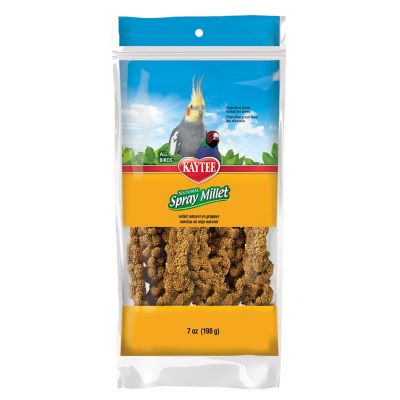
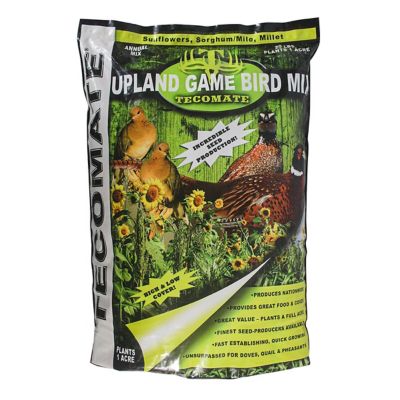
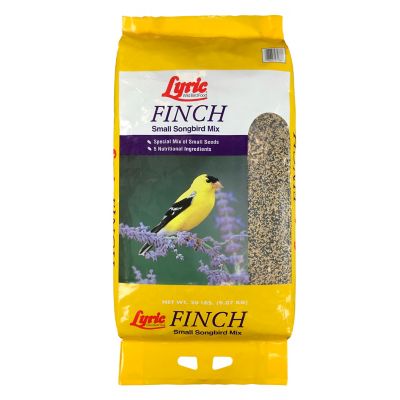
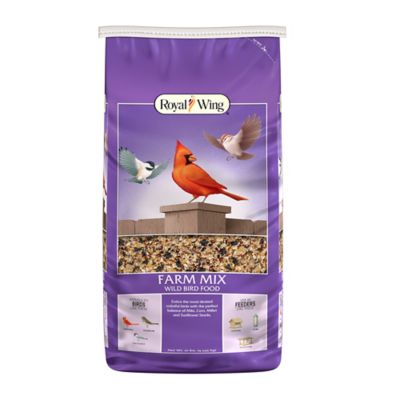
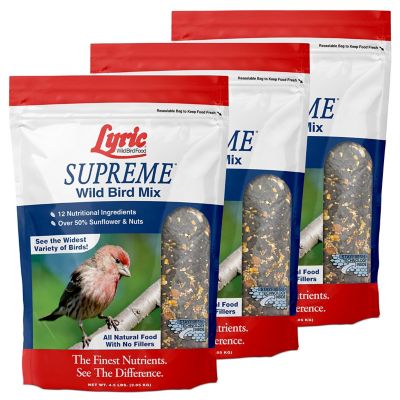
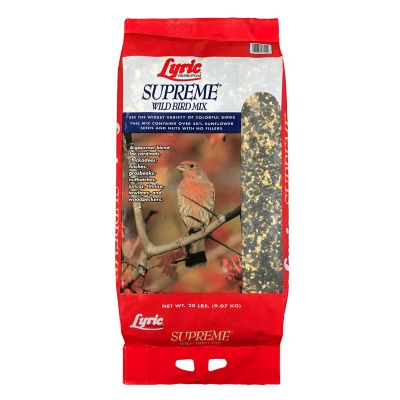
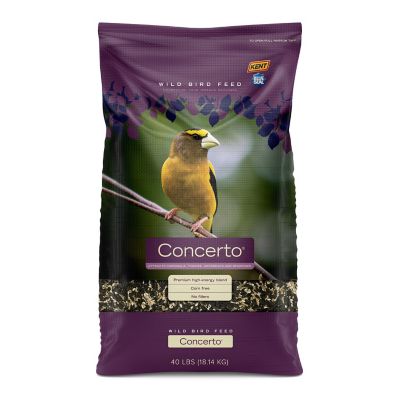
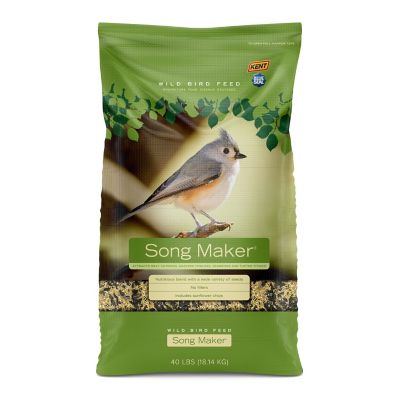
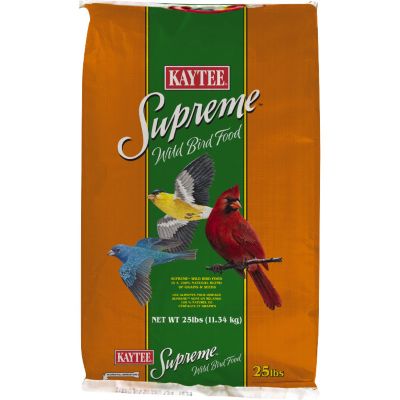
Millet seeds are small, hardworking grains with a place in the kitchen, the bird room, the chicken yard, and the back forty. Although they may look much alike in the bag, different types are grown for different jobs, so the first step is matching the seed to its intended use. Proso millet is a familiar choice for many birdseed blends and is also one of the more common millet grains used for food. Pearl millet grows tall and is valued for forage, grazing, and its naturally strong nutritional profile. Foxtail, German, and browntop millet are often chosen for bird forage, hay, wildlife areas, or quick-growing cover. When shopping, read the package carefully for the intended use, planting information, and whether the seed is cleaned, coated, treated, or suitable for people or animals. Seed sold for planting should not automatically be used in cooking, and food-grade grain should not be assumed to perform well as a field planting. This simple distinction helps prevent mix-ups, especially when several bags are stored in the same barn, pantry, or feed room. Millet is a warm-season grass, and many varieties establish quickly when they have adequate warmth, moisture, and good seed-to-soil contact. That makes it useful when a grower needs seasonal ground cover, a short-season forage, or a food plot that can fill in during the warmer part of the growing cycle. In areas where late-summer heat lingers, millet can help make productive use of open ground before cooler weather settles in. As the seasons turn, remaining seed heads may also provide valuable forage for birds and wildlife, while the plants themselves can add cover and organic matter to a working field. Always check local growing recommendations, expected maturity, soil conditions, and the seed label before planting, since performance can vary with rainfall, soil type, field history, and regional climate.
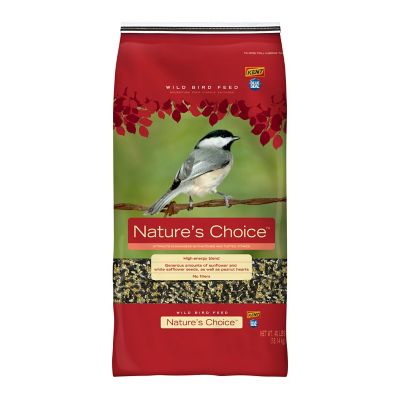
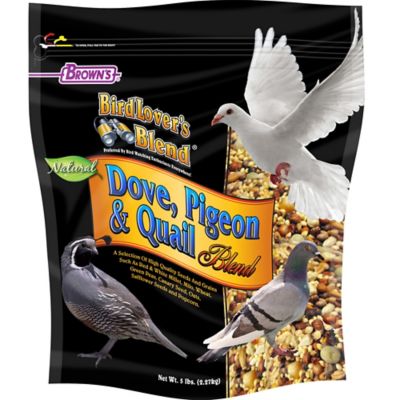
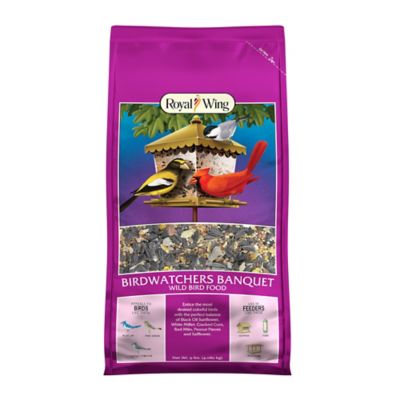
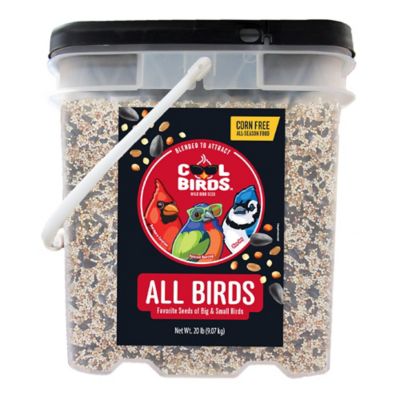
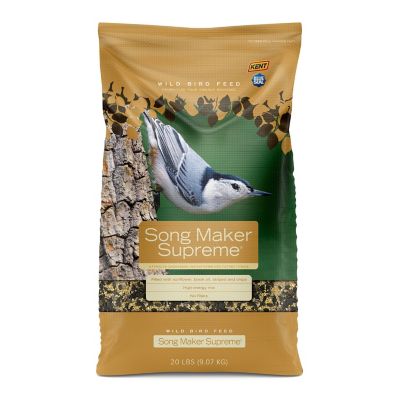
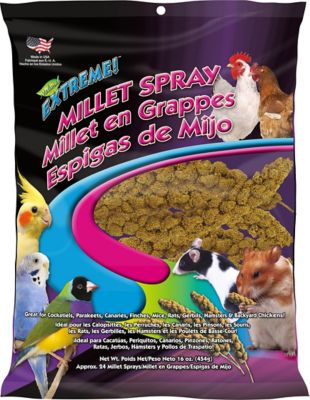
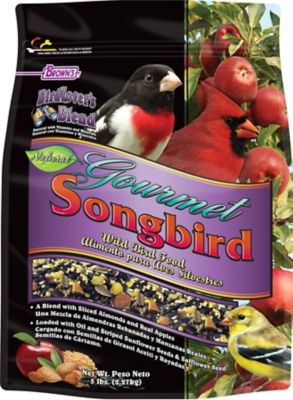
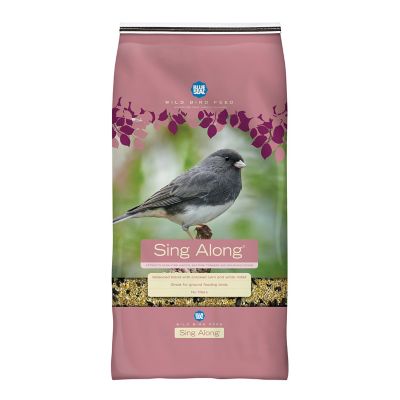
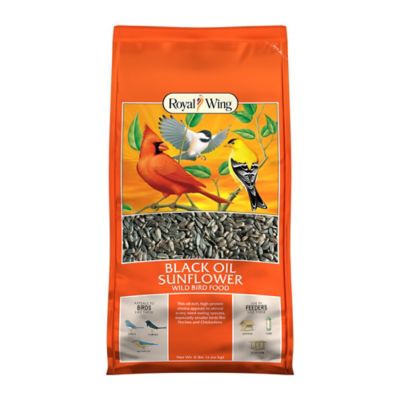
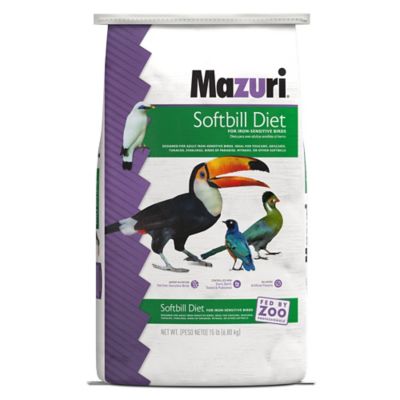
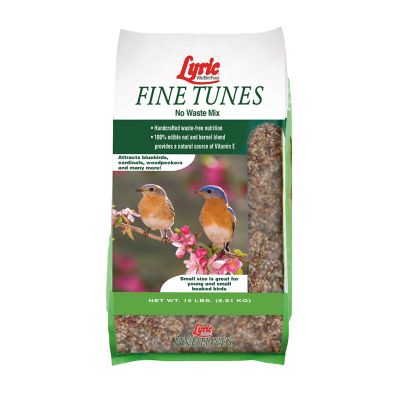
For backyard bird keepers, millet is a familiar favorite because many finches, canaries, parakeets, doves, and other seed-eating birds readily pick through its small grains. It can be used as part of a balanced seed mix or offered in a way that encourages natural foraging, but it should complement—not replace—a complete diet suited to the species. Clean storage matters, too. Keep seed in a cool, dry place protected from rodents and moisture, and check it from time to time for clumping, stale odors, insects, or mold. A sealed container in a dry feed room works well, while a scoop and labeled storage bin can make daily care easier. Millet can also be a handy addition to a chicken keeper’s feed routine when used in accordance with a complete poultry feeding program. Backyard flocks enjoy scratching through scattered grains, and a small amount can add variety and encourage natural activity, particularly when birds are spending more time indoors during rain or cooler weather. For wildlife managers and landowners, millet seeds may be considered for dove fields, turkey habitat, songbird areas, and other food plots. Browntop millet is known for its quick growth, while taller varieties may offer additional cover and forage. Before putting seed in the ground, consider the size of the area, available equipment, expected wildlife pressure, weed competition, and how the planting will fit with nearby crops or pastures. A well-chosen seed can be useful for a homestead project, a hunting property, a small farm, or a learning plot where children can watch a crop move from tiny grass blades to full seed heads. Millet may also be a thoughtful gift for a bird owner, new chicken keeper, wildlife enthusiast, or gardener who enjoys trying practical, multipurpose crops. Pairing seed with dependable storage containers, a scoop, or basic garden supplies can make the gift especially useful without taking up much room in the shed.
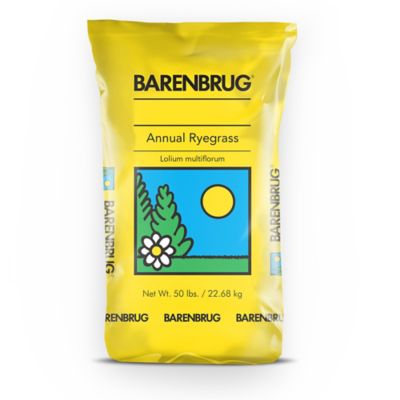
Millet is also valued as a gluten-free ancient grain for human cooking. Food-grade millet has a mild, slightly nutty flavor and cooks much like rice, making it a flexible base for grain bowls, pilafs, warm breakfast dishes, stuffed vegetables, and hearty salads. It can be simmered until fluffy, cooked longer for a softer porridge, or ground into flour for certain baking recipes. Its natural fiber, plant-based protein, and minerals such as magnesium, iron, potassium, and calcium make it a welcome part of many varied eating plans, while B-complex vitamins—including niacin, vitamin B6, and folate—add to its nutritional appeal. Rinse food-grade millet before cooking to remove loose dust and help bring out a clean, pleasant flavor; lightly toasting the grains in a dry pan can add a warmer, nuttier note. Anyone managing celiac disease, gluten sensitivity, or a serious food allergy should confirm that the package was processed and handled in a way that fits their needs. On the planting side, millet can complement other warm-season choices when a farm or wildlife plot needs fast establishment and useful ground cover. Some growers compare it with other forage or cover options, including
Alfalfa Seeds for Planting, while considering whether they need a warm-season annual, a longer-lived stand, grazing value, erosion control, or wildlife food. The right choice depends on the purpose of the planting, local conditions, available water, and how the ground will be managed afterward. Whether it is headed for a bird feeder, a chicken run, a cooking pot, or a field bordered by fence posts and hay ground, millet seeds offer plenty of practical uses in rural life. Look for clean, well-labeled seed, choose a variety suited to the job, and store any leftover seed properly so it stays ready for the next feeding, planting, or kitchen project.