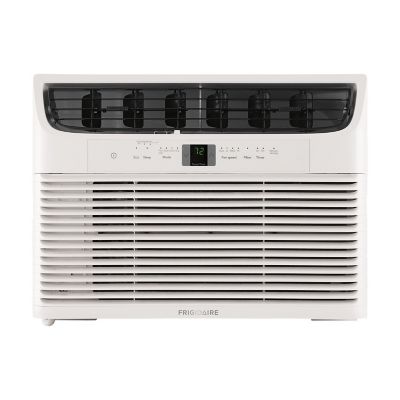
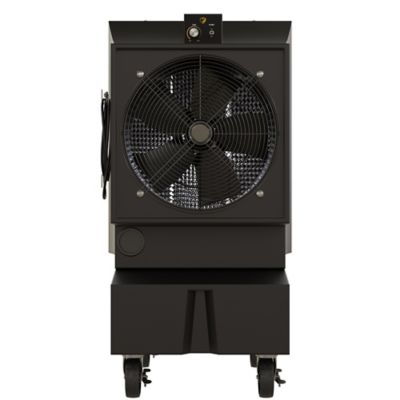
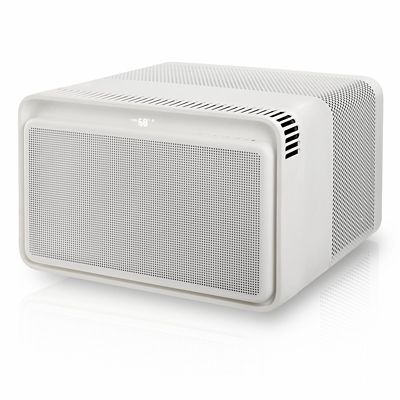
When a big room holds onto heat, a properly sized air conditioner can make the space far more comfortable for work, rest, and everyday living. Large bedrooms, open living areas, finished barns, workshops, garages, hunting cabins, enclosed porches, and small business spaces can all benefit from extra cooling capacity, especially when warm air collects under a high ceiling or moves freely between connected areas. Start by measuring the room’s length and width, then multiply those numbers to find the approximate square footage. As a general starting point, large rooms from about 500 to 1,000 square feet often call for roughly 12,000 to 24,000 BTUs, depending on the layout, insulation, ceiling height, number of windows, and amount of sunlight. A simple estimate of about 20 BTUs per square foot can help narrow the field, but it is only a starting point. Add cooling capacity when a room receives strong, direct sun for much of the day, has several people or heat-producing appliances in it, or connects to other spaces without doors. A shaded, well-insulated room may need less capacity than a bright, drafty room of the same size. Oversizing is not always better. An air conditioner that cools the air too quickly may shut off before it has a chance to pull enough moisture from the room, leaving the space feeling clammy even when the temperature looks comfortable. Matching the unit to the space helps balance cooling power, humidity control, operating cost, and day-to-day comfort.
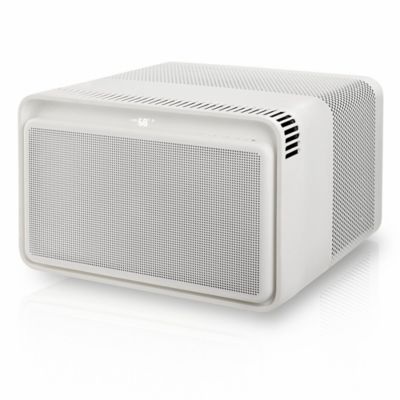
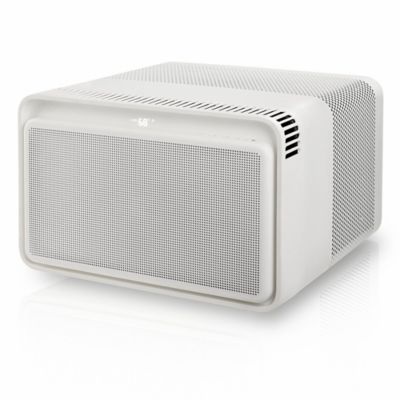
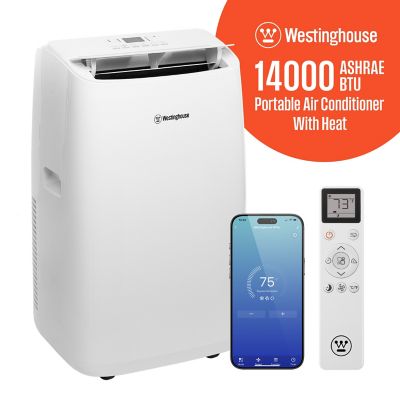
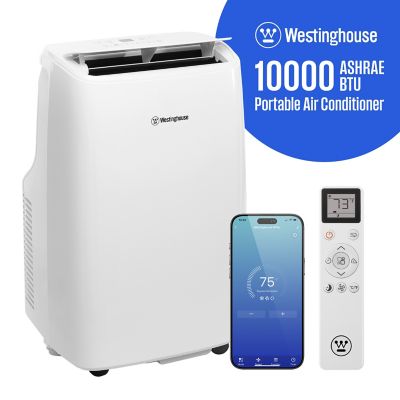
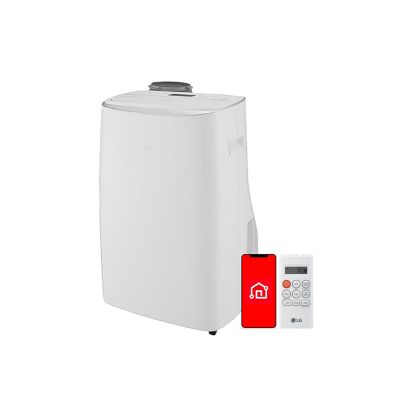
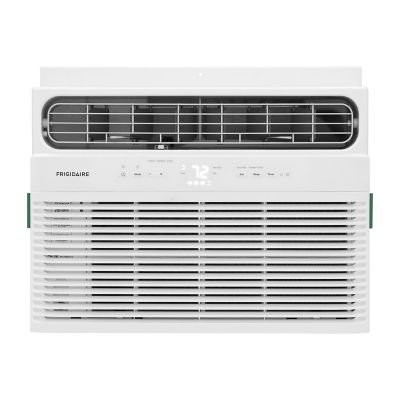
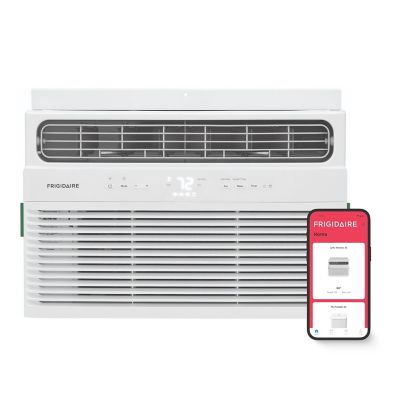
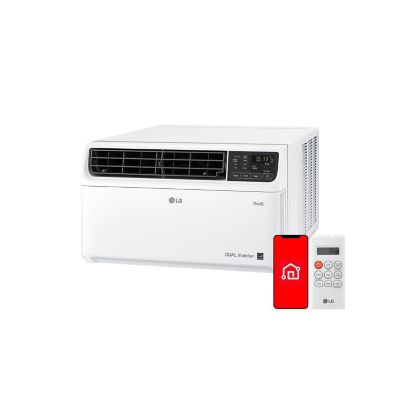
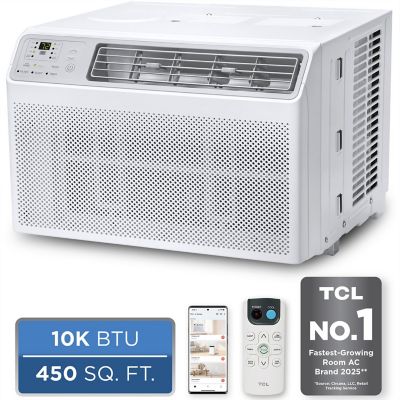
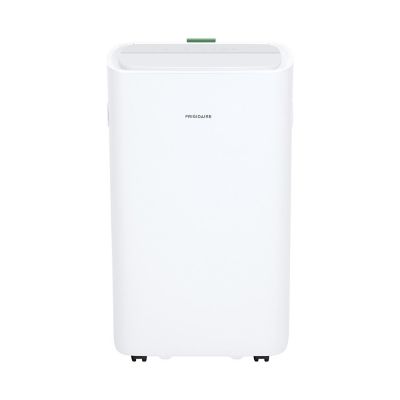
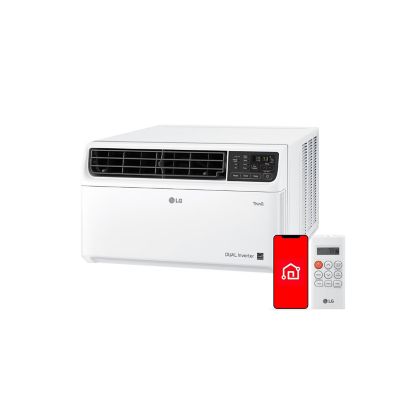
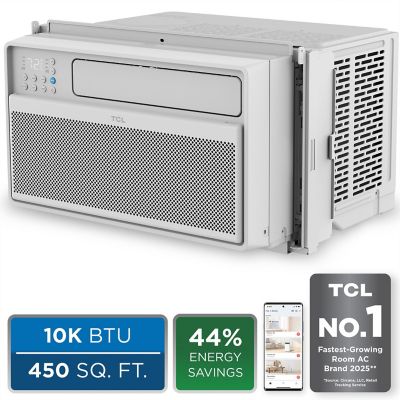
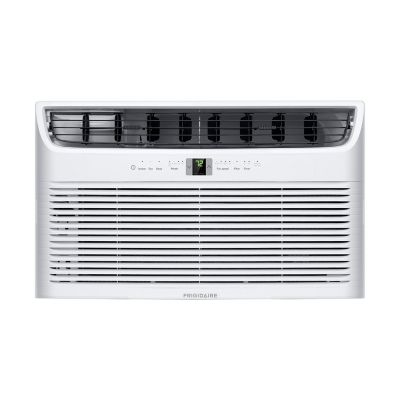
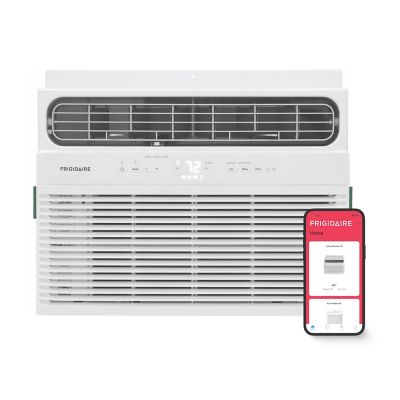
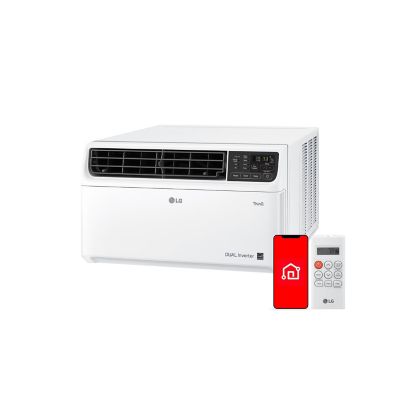
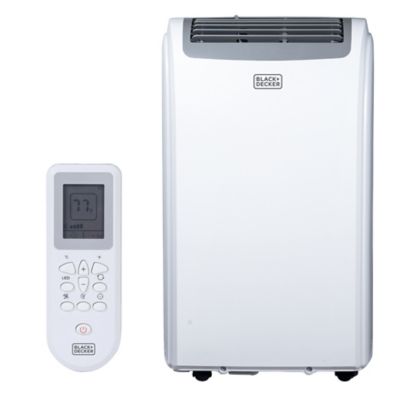
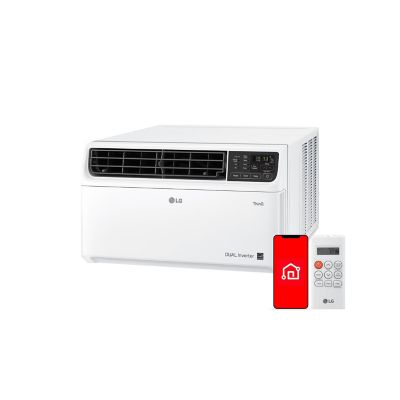
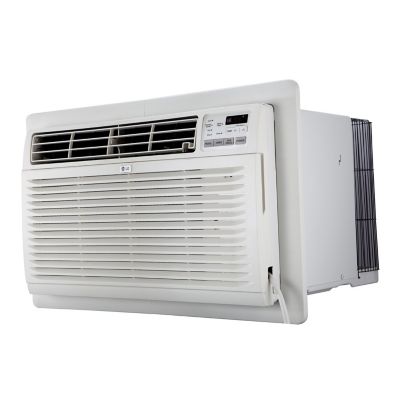
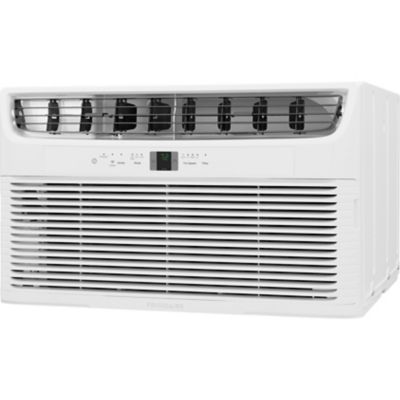
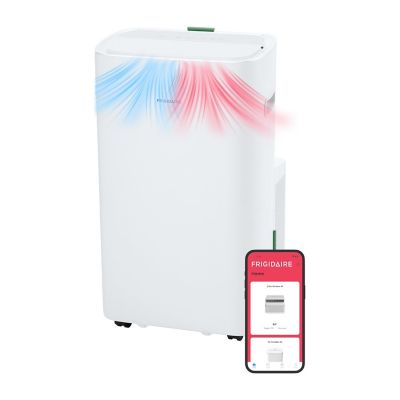
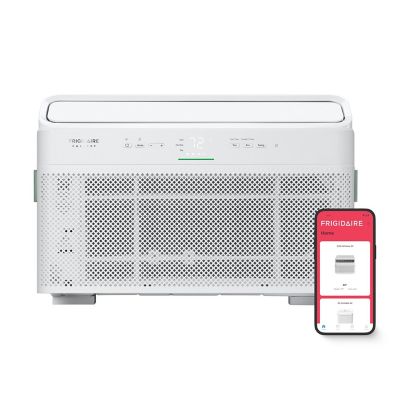
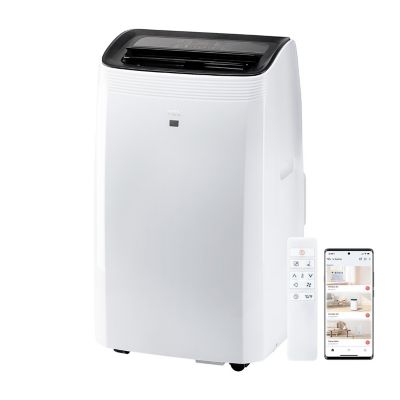
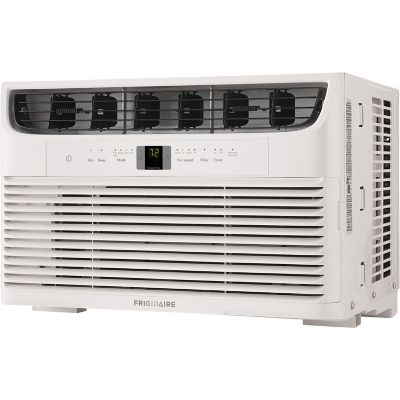
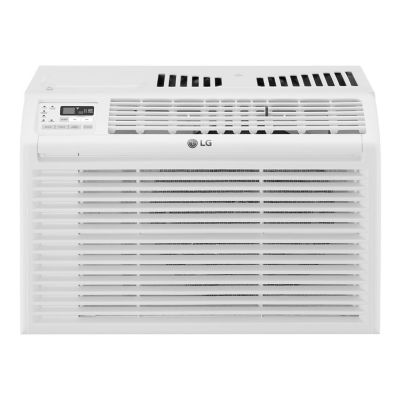
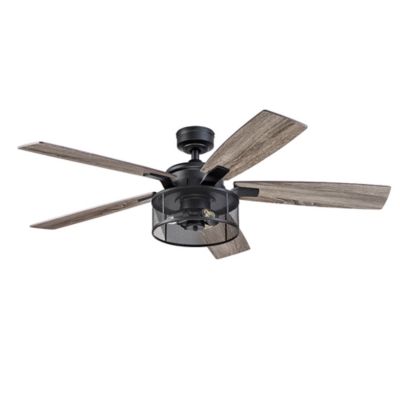
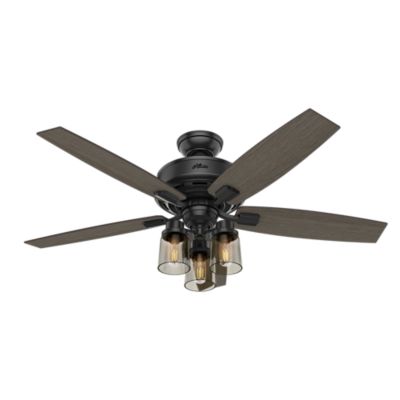
The room’s layout and the available electrical service matter just as much as its square footage. Window air conditioners can be a practical choice when a large room has a suitable window and the goal is to cool one defined area. Measure the window opening, check that it can safely support the unit, and make sure the installation kit can seal the gaps around the frame. A good seal keeps cooled air inside and helps prevent warm, humid air from sneaking back in. Portable air conditioners can offer more flexibility when a window unit will not fit, though they still need a window connection for the exhaust hose and should be placed where airflow can circulate without obstruction. For open-concept rooms, spaces with several connected areas, or larger areas beyond a single room, a mini-split or central system may provide more even coverage than a window or portable unit. These systems typically require more planning and, in many cases, professional installation. Electrical requirements should be checked before purchase. Some large-room air conditioners use a standard 115-volt outlet, while higher-capacity units may require a dedicated 230-volt circuit. Never rely on an extension cord unless the manufacturer specifically allows it; the wrong cord or overloaded circuit can create a safety hazard. Look for features that fit the way the space is used, such as adjustable fan speeds, programmable controls, washable filters, sleep settings, remote operation, and an energy-saving mode. A unit with a dehumidifying function can be especially helpful in a muggy room, while a quieter design may be worth considering for a bedroom, office, or guest area. If the room has a tall ceiling, an open stairway, or several heat sources, a ceiling fan can help move cooled air through the space; browse
Ceiling Fans For Large Living Rooms for another way to improve air circulation.
Air conditioners for large rooms can be useful anywhere dependable comfort is needed, from a farmhouse living room where the family gathers after a long day outside to a workshop where tools and equipment make the air feel heavy. They can also help make a guest room, apartment, office, sunroom, or enclosed porch more inviting when the weather warms. Because a large-room air conditioner is a practical household investment rather than a one-size-fits-all purchase, consider who will use it and how often before choosing a cooling format. A renter may appreciate a portable unit that can move from one room to another, while a homeowner may prefer a window unit or professionally installed system that delivers steady coverage in a frequently used space. An air conditioner can also be a thoughtful gift for someone setting up a new workshop, finishing a garage, moving into a warm upstairs room, or caring for an older family member who needs a more comfortable indoor environment. Before installation, clear furniture, curtains, boxes, and other items away from the air intake and discharge areas. Keep filters clean according to the manufacturer’s directions, inspect the window seal or exhaust connection, and empty any condensate reservoir when needed. At the end of the cooling season, clean and dry the unit, remove portable models from damp areas when practical, and store window units or covers securely during cooler weather. For rooms that need occasional cooling rather than all-day operation, a programmable timer can reduce unnecessary run time. For spaces used every day, compare cooling capacity with energy efficiency and the cost of installation or electrical work. Taking a few minutes to measure the room, review the outlet, inspect the windows, and think through airflow can help you choose equipment that keeps a large space comfortable without wasting power or leaving corners hot and stuffy.