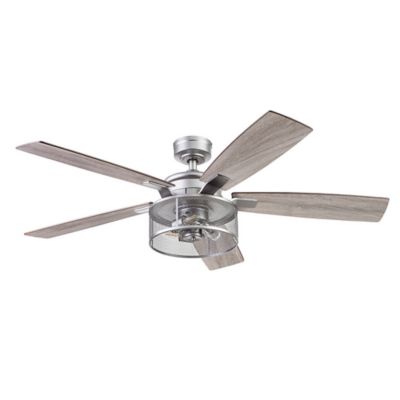
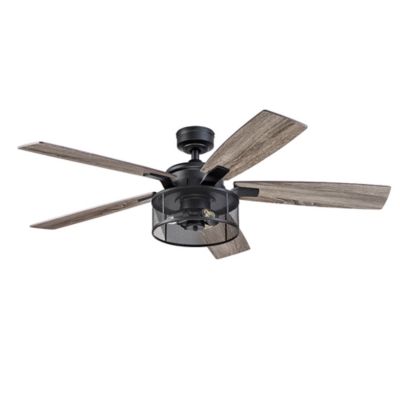
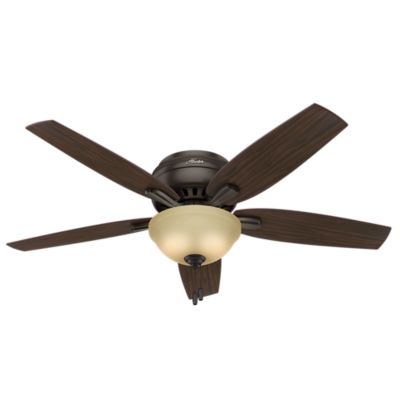
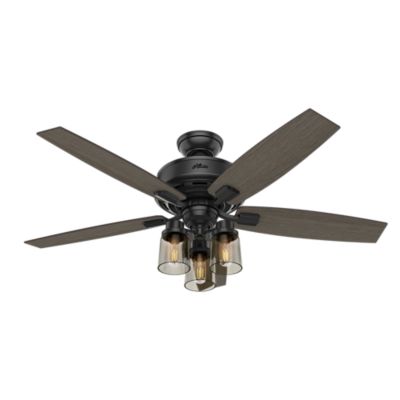
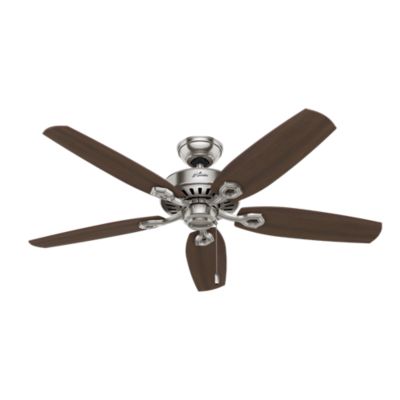
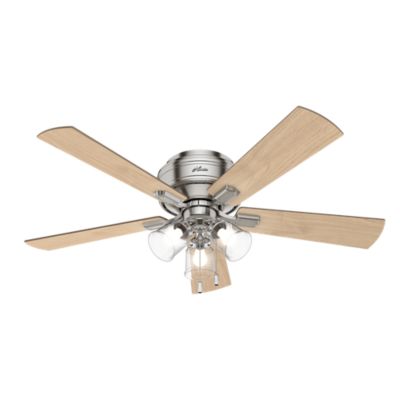
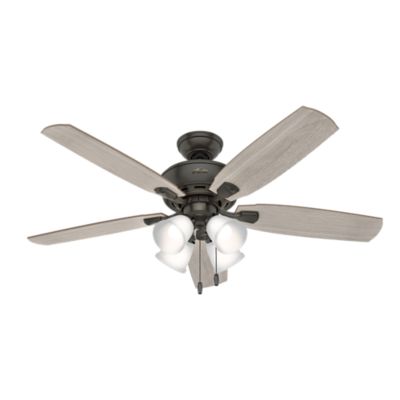
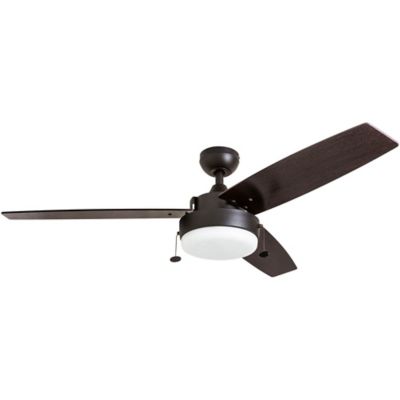
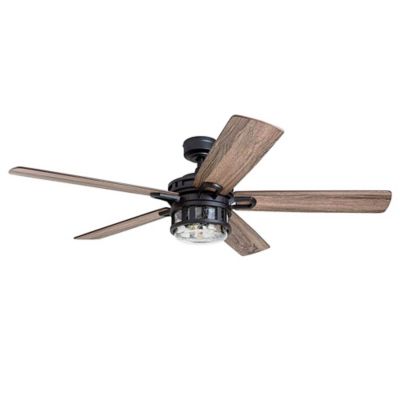
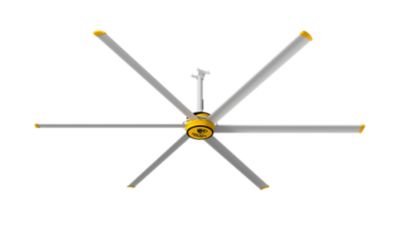
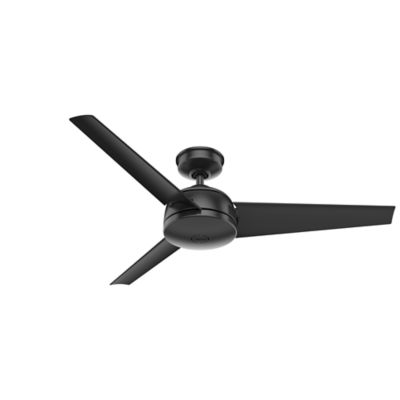
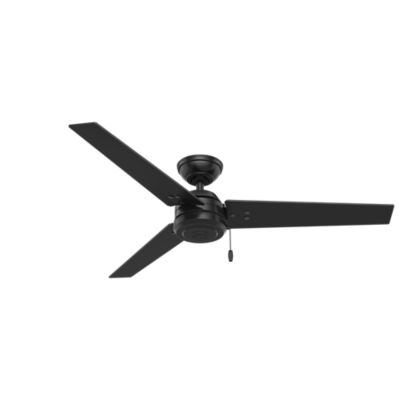
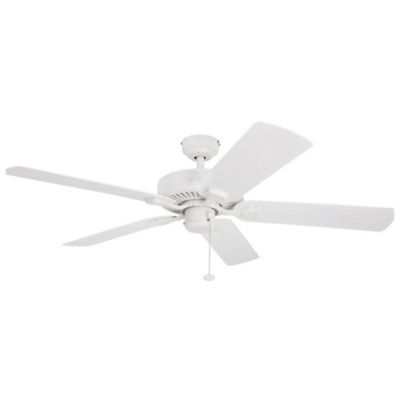
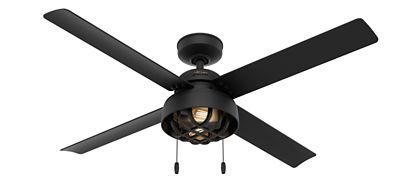
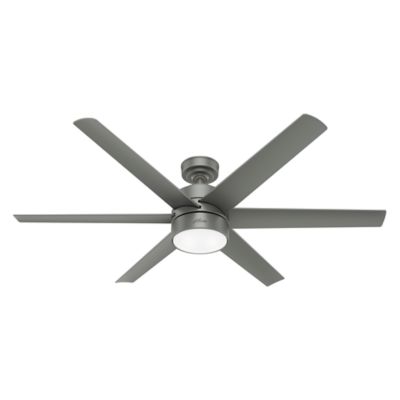
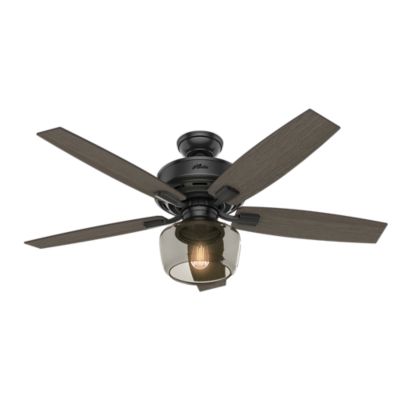
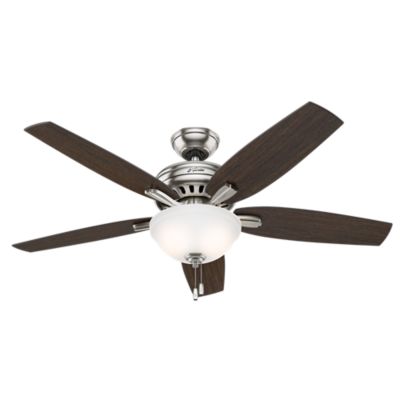
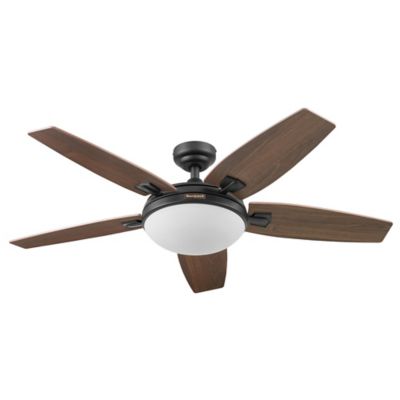
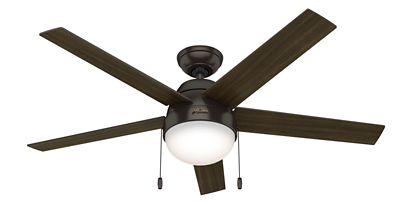
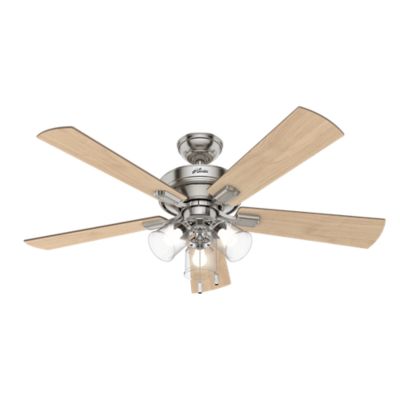
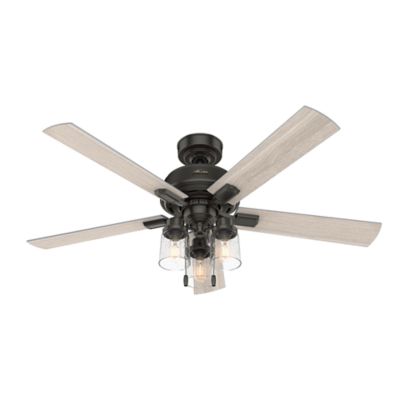
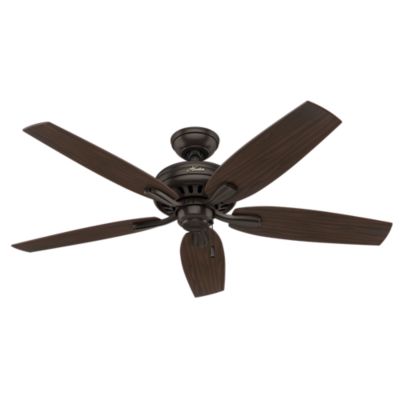
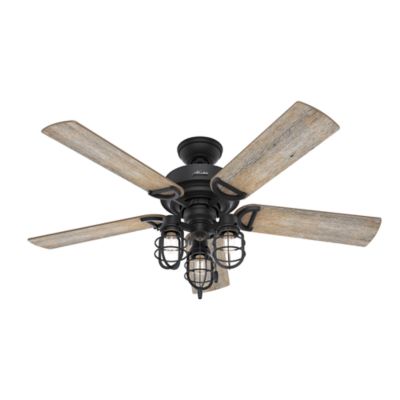
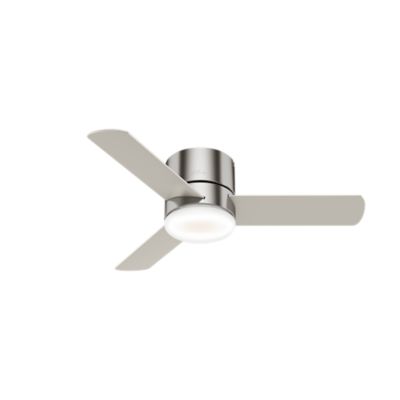
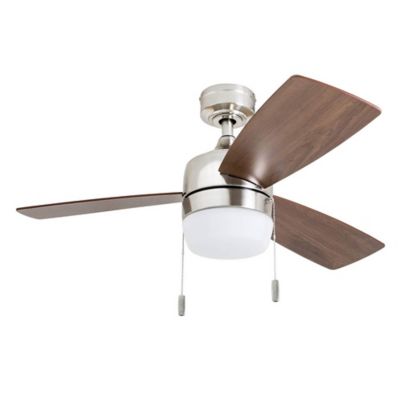
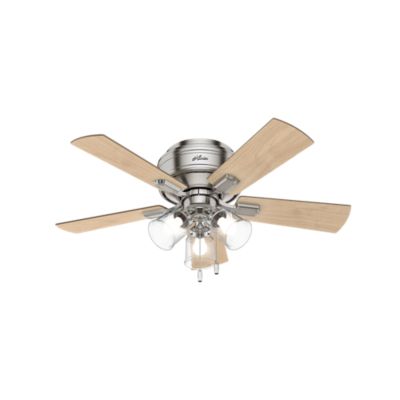
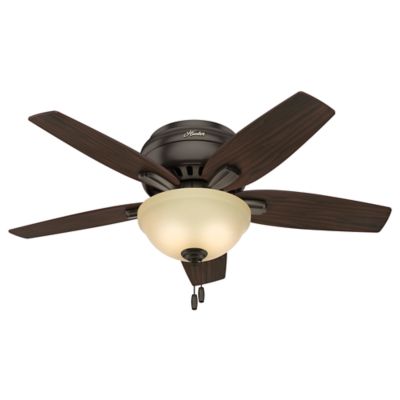
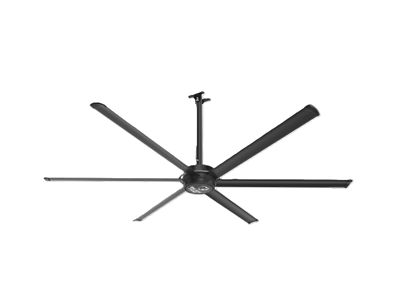
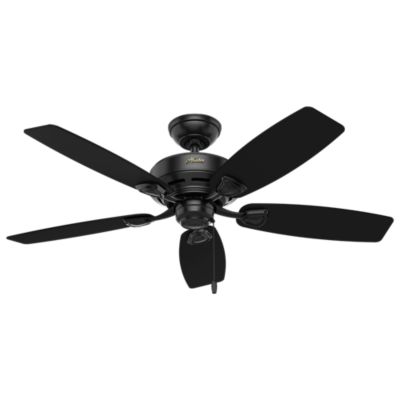
A large living room needs a ceiling fan that can move air across the whole space, not just stir a small pocket beneath the motor. For rooms up to about 400 square feet, a 52- to 59-inch fan may provide comfortable coverage, while great rooms measuring roughly 400 to 600 square feet often benefit from a 60- to 72-inch blade span. Open-concept areas, vaulted rooms, and spaces over 600 square feet may call for an oversized ceiling fan measuring 84 to 100 inches. These larger sizes are especially helpful in living rooms that open into a dining area, kitchen, loft, or den, where walls do not give the airflow a natural stopping point. Before choosing a size, measure the length and width of the area you want to cool, and think about the shape of the room as well as its total square footage. A long, narrow room may need a carefully placed fan, while a broad great room may benefit from one large fan or more than one fan spaced throughout the ceiling. Keep furniture, light fixtures, beams, and nearby walls in mind so the blades have plenty of clearance. A large ceiling fan can make a warm room feel noticeably more comfortable as air moves over your skin, even when the thermostat stays at the same setting. During cooler months, a reverse setting can help circulate warm air that collects near a high ceiling, bringing some of that trapped heat back down into the living space. This makes a ceiling fan useful through changing seasons, whether the room is the gathering place for family, a quiet spot for reading, or the area where muddy boots and tired feet settle in after a day outdoors.
Ceiling height plays a big part in choosing the right setup. A flush or low-profile mount is generally suited to standard-height ceilings, while a downrod mount is a better fit for vaulted, angled, or high ceilings. The goal is to position the blades about 8 to 9 feet above the floor when possible, giving the fan room to circulate air while keeping it safely out of reach. The correct downrod length depends on the ceiling height and slope, so check the installation requirements and use an angled-ceiling adapter when needed. In a room with a tall vaulted ceiling, a fan mounted too close to the peak may look impressive but will not move air where people are sitting. Look for a motor built for the size and weight of the fan, with smooth operation and dependable speed control. DC motors are often a smart choice for large living rooms because they run quietly and may use up to 70% less energy than standard AC motors, depending on the setting and model. Quiet operation matters in a space where people watch television, visit with friends, work from home, or settle down with a book. Reversible airflow adds year-round flexibility: use the normal downward direction to create a cooling breeze as the weather warms, then switch the direction during cooler weather to circulate rising heat without creating a chilly draft. A remote control or wall control can make it easier to adjust speed, direction, and lighting from the sofa. If the fan includes an integrated LED light kit, look for dimming capability and adjustable color temperature, sometimes listed as 3CCT, so the room can shift from bright task lighting during the day to a softer, warmer glow in the evening. For shoppers who like a clean, updated look, browsing
Contemporary Ceiling Fans For Living Rooms can help narrow down styles that fit open spaces without making the ceiling feel crowded.
The best ceiling fan for a large living room should also suit the way the room is used and the character of the home. In a farmhouse-style space with wood beams, leather seating, and a stone fireplace, a fan with warm finishes and broad blades can blend into the room while helping circulate air around bulky furniture. In a newer open-concept home, a streamlined profile, simple blade shape, and integrated lighting may keep the ceiling looking tidy. For rooms with a covered porch feel, a durable finish and moisture rating may be worth considering, even when the fan is installed indoors near an entryway or breezy sunroom. Check the product’s indoor or damp-location rating before installation, and follow the included instructions for electrical connections, support boxes, balancing, and blade clearance. A ceiling fan is a practical housewarming gift for someone settling into a home with a great room, especially if the room has high ceilings or feels stuffy during warm weather. It can also be a thoughtful choice for a family updating a living room, a relative furnishing a cabin, or a homeowner preparing a comfortable gathering space for meals, card games, movie nights, and visits from grandkids. Think about controls and lighting as much as appearance; an easy-to-use remote, a quiet motor, and a dimmable light can make everyday use far more pleasant. Proper installation is important with oversized fans, and professional help may be appropriate when wiring is old, the ceiling box needs reinforcement, or the ceiling is unusually tall or angled. With the right blade span, mounting height, motor, airflow direction, and light features, a large-room ceiling fan can become one of those hardworking home improvements you notice most when it is missing: steady air movement overhead, a more comfortable seating area, and a living room that feels welcoming in warm weather and snug during the cooler months.