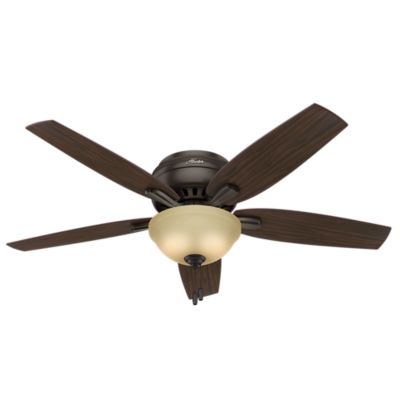
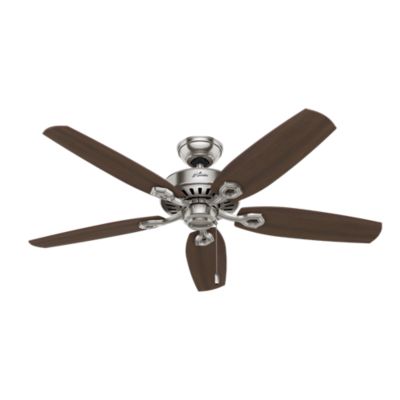
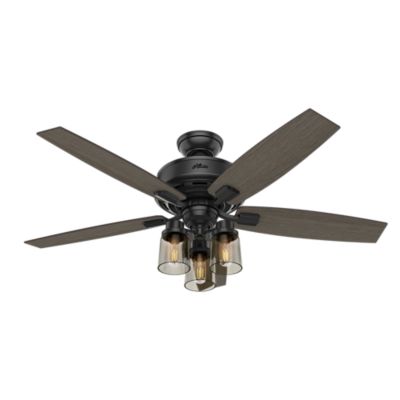
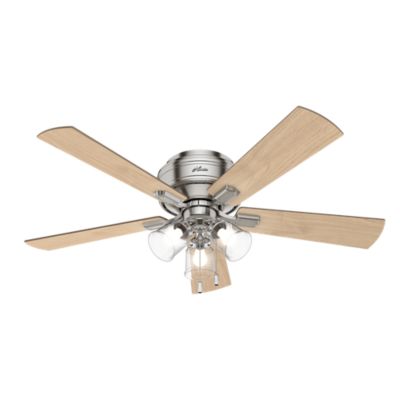
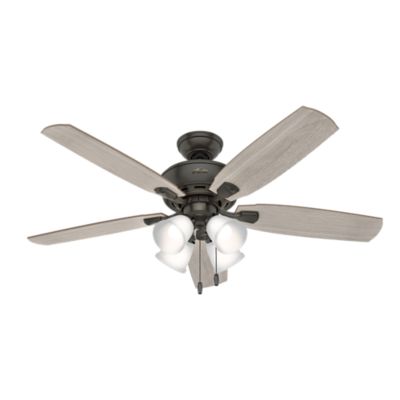
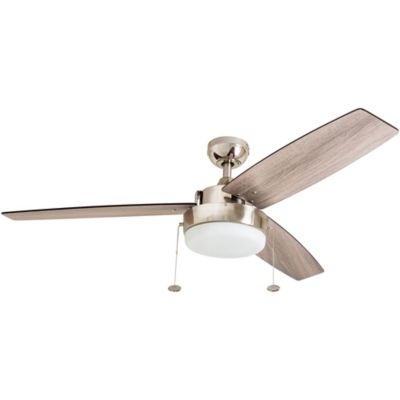
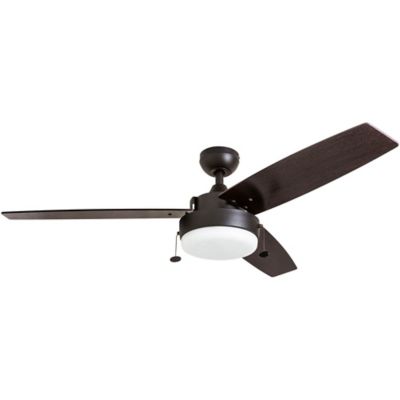
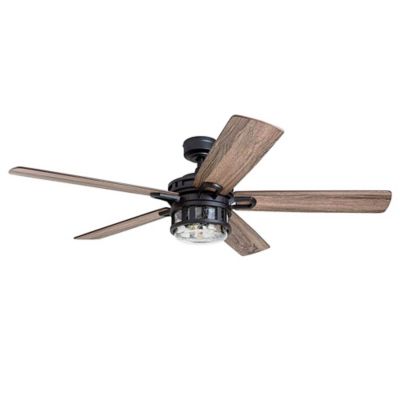
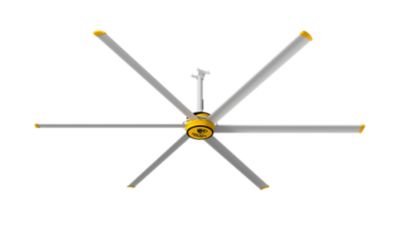
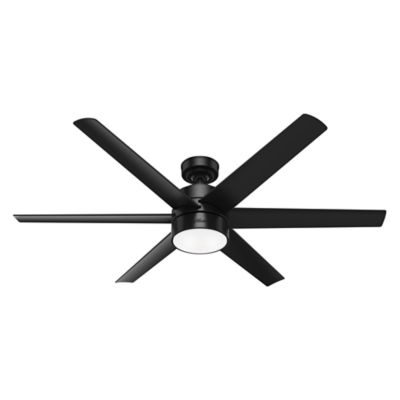
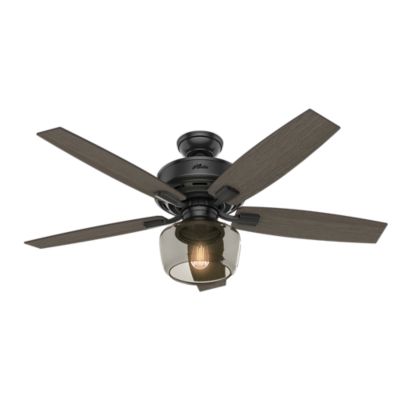
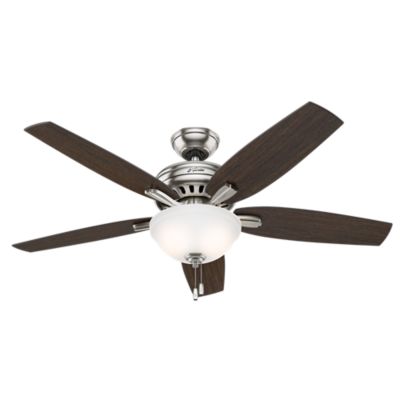
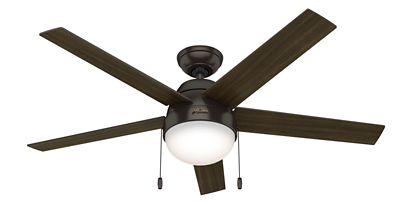
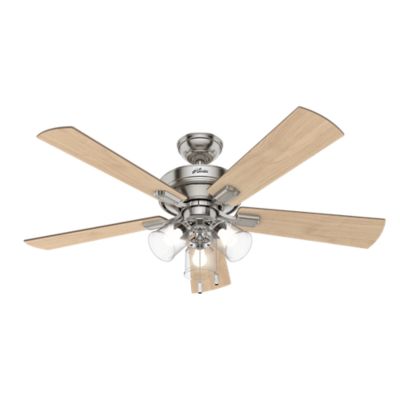
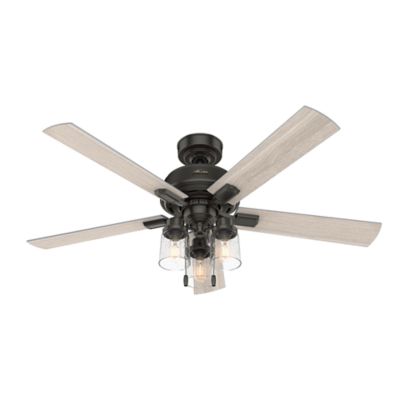
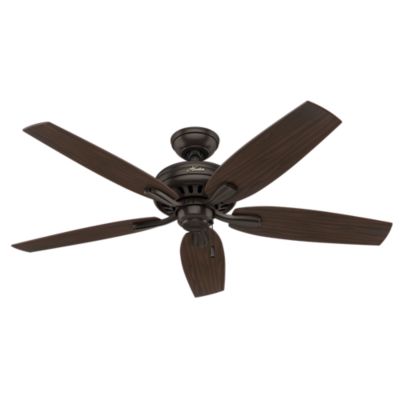
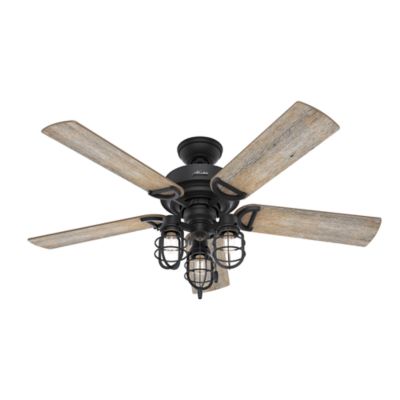
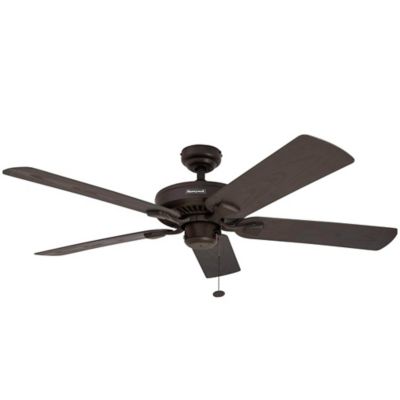
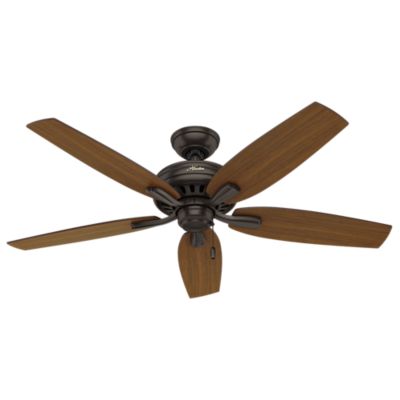
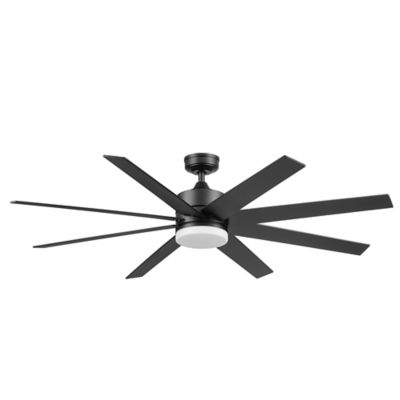
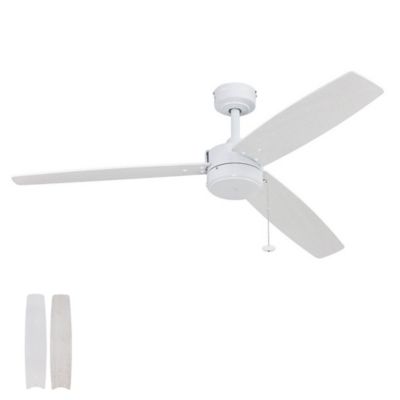
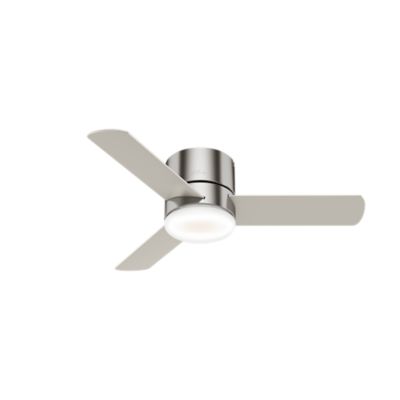
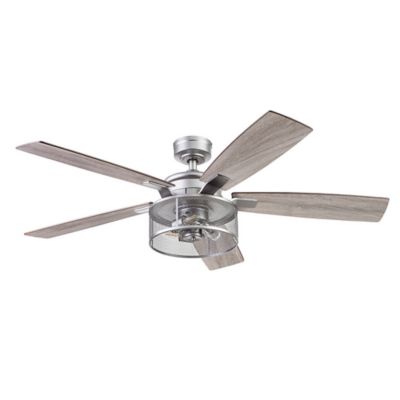
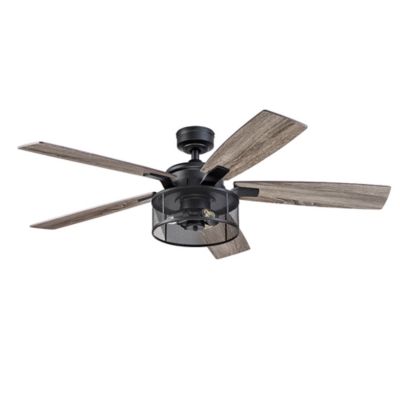
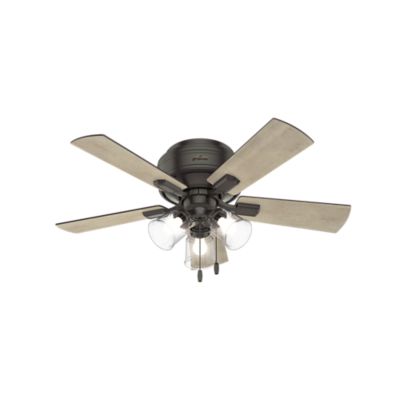
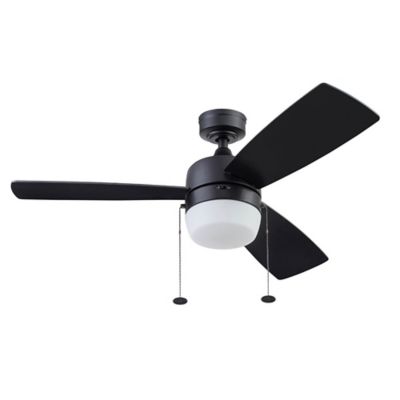
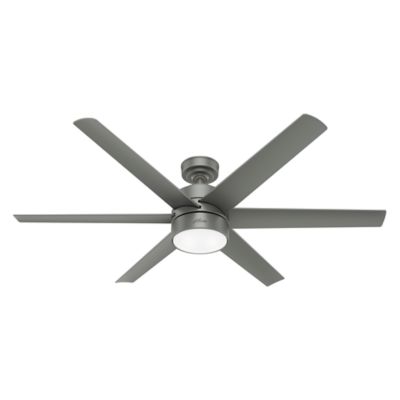
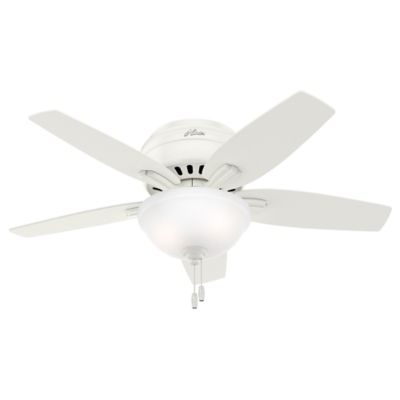
Large bedrooms need a ceiling fan with enough reach to move air across the whole room, not just the space directly beneath the motor. For many bedrooms measuring about 150 to 400 square feet, a blade span between 52 and 60 inches is a practical place to start. This size works well in roomy primary bedrooms, guest rooms, bonus rooms and upstairs sleeping areas where still air can settle in the corners. For an extra-large suite, an open loft-style bedroom or a space larger than 400 square feet, a fan measuring 72 inches or more may provide broader, more even circulation. Room shape matters, too. A long, narrow bedroom may benefit from careful placement or more than one fan, while a square room often gets balanced airflow from a centrally mounted model. Before choosing a fan, measure the room’s length and width, then multiply those numbers to estimate square footage. Check the ceiling height as well, since the mounting position affects both comfort and safety. Standard 8-foot ceilings typically call for a flush or low-profile installation, while taller or vaulted ceilings may need an extension downrod to bring the blades into the recommended operating zone. For bedrooms with high or angled ceilings, explore
Large Ceiling Fans For High Ceilings to find options suited to more vertical space. Keep the blades well clear of walls, cabinets, tall headboards and hanging lights so air can move freely and the fan has room to operate safely.
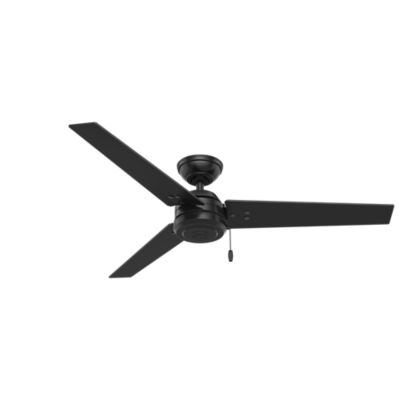
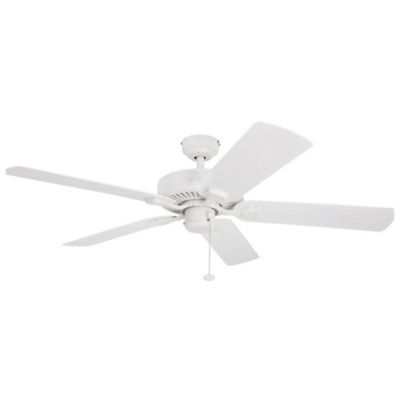
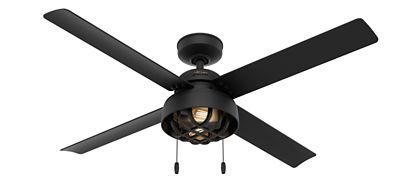
A bedroom fan should make the room feel more comfortable without becoming the loudest thing in it. Motor design plays a big part in that experience. Quiet DC motors are often a good fit for sleeping areas because they provide smooth speed control and can use substantially less energy than older-style AC motors, depending on the setting and model. Some DC motors are advertised as using up to 75% less energy than traditional AC motors, but it is still smart to compare the listed wattage, airflow and efficiency information before buying. Blade count can also influence the feel of the airflow. Three-blade designs may produce a brisk, direct stream of air, which can be handy in broad, open rooms. Four- and five-blade fans often provide a gentler, more balanced breeze that many people prefer when winding down for the night. Look for multiple speed settings so the fan can run low while you sleep and higher when the room feels stuffy. A remote control is especially useful from bed, and some fans include wall controls, timer settings or memory functions that make everyday use easier. Consider the light kit as carefully as the fan itself. An integrated LED light can provide overhead illumination for getting dressed, reading or finding a pair of boots before sunrise, while a dimmable setting helps create a softer atmosphere at bedtime. If the room already has plenty of lighting, a fan without an integrated light may offer a cleaner look. Pay attention to the color, finish and blade shape as well; a bedroom ceiling fan can act as a functional centerpiece, whether the room has a simple farmhouse feel, a warm wood look or a more polished modern style.
Ceiling fans are useful in every season, not just during hot weather. As the weather warms, running the blades counterclockwise at a higher speed can push air downward and create a cooling breeze across the bed, helping the room feel more comfortable without relying entirely on air conditioning. During the cooler months, many reversible fans can turn clockwise at a low speed to gently circulate warm air that has collected near the ceiling. This setting should not create a strong draft, but it can help reduce temperature differences between the upper and lower parts of the room. Always check the fan’s instructions for the proper direction and change it only when the blades have stopped. These fans can also make a thoughtful housewarming gift for someone moving into a new home, a practical addition to a guest room or a useful upgrade for a child’s growing bedroom. A remote-controlled model may be appreciated by older family members or anyone who prefers to adjust airflow without reaching for a wall switch. Before installation, confirm that the electrical box is rated for ceiling fan use and that the mounting hardware is appropriate for the ceiling structure. Heavy or oversized fans may require additional support, and vaulted ceilings may call for specialized mounting parts. If the wiring or support is uncertain, a qualified electrician can handle the installation safely. Once installed, keep blades dust-free, tighten hardware as needed and listen for new rattling or wobbling. With the right blade span, quiet motor, mounting setup and controls, a large-bedroom ceiling fan can keep the room feeling fresh and comfortable from bedtime through the changing seasons.