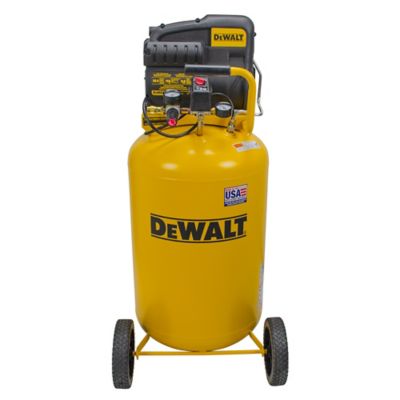
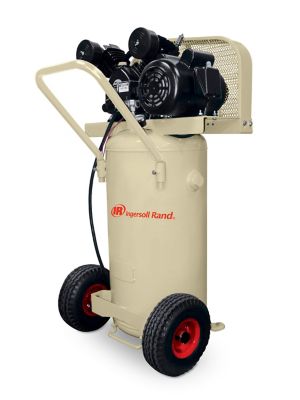
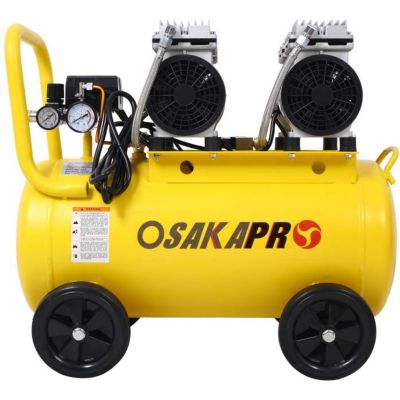
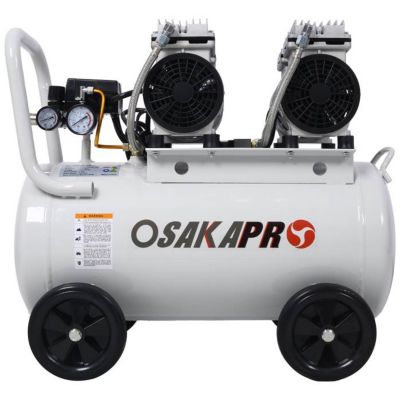
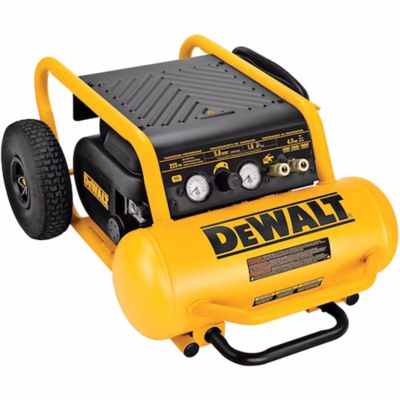
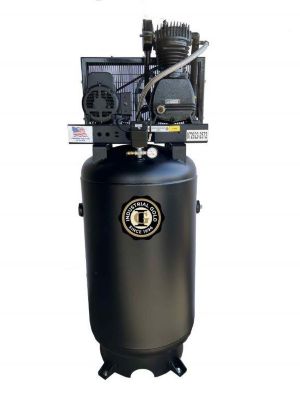
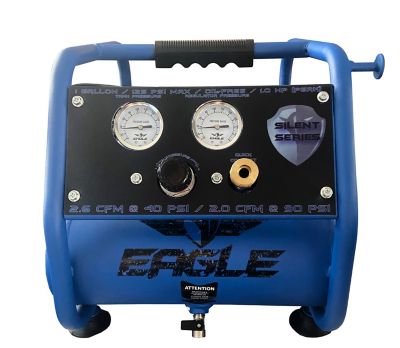
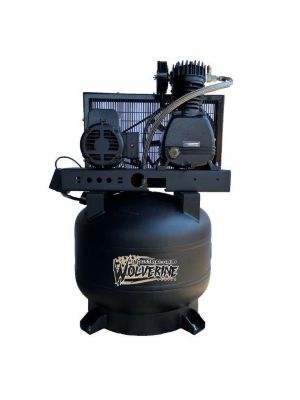
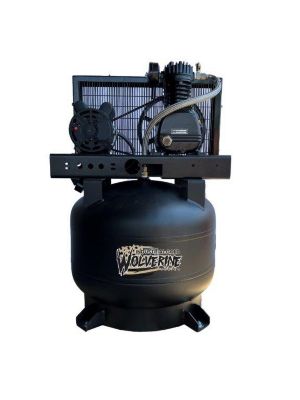
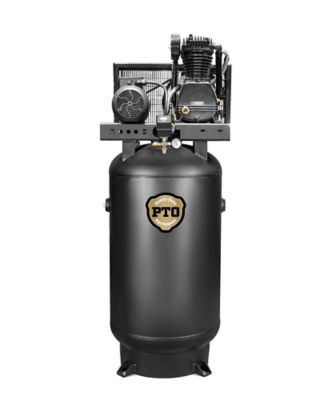
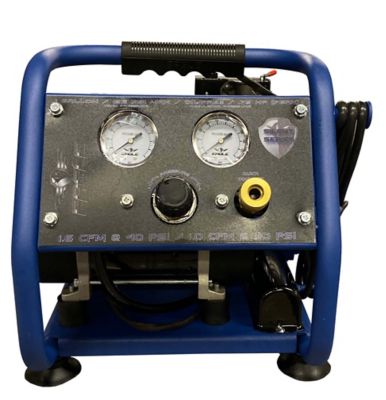
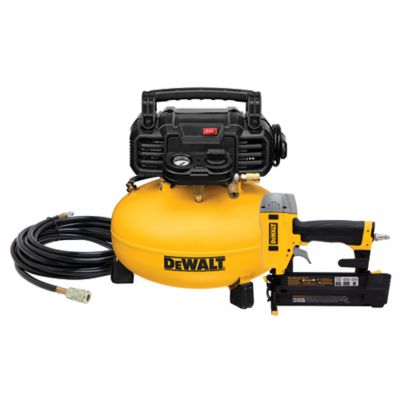
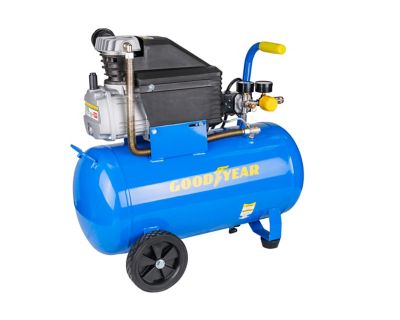
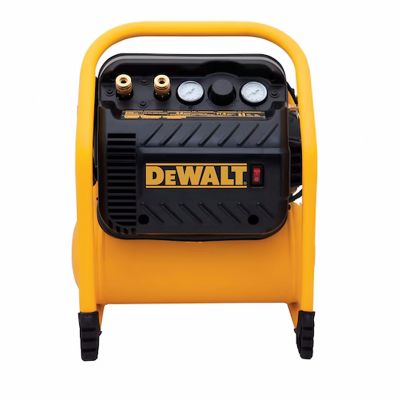
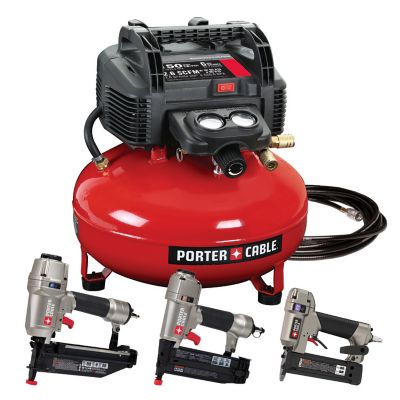
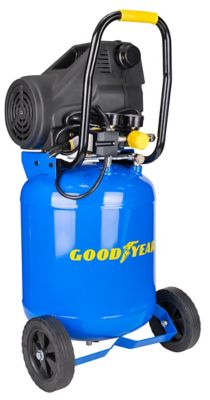
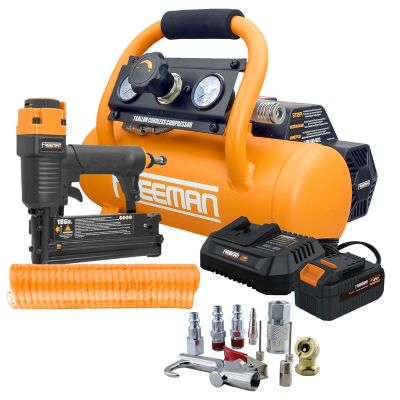
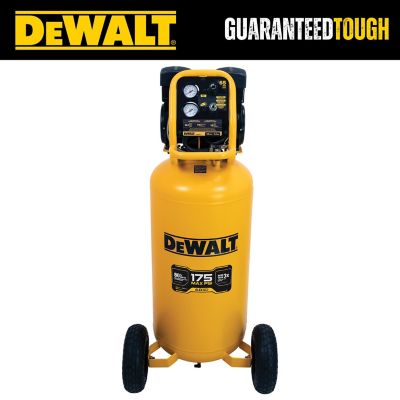
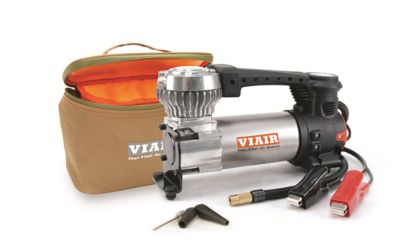
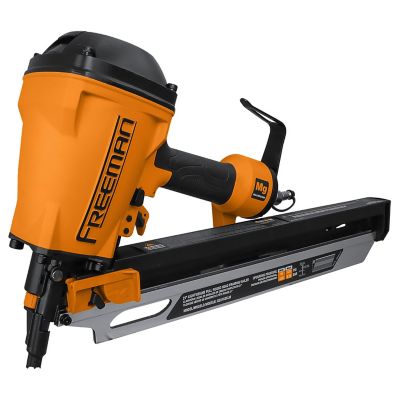
Air compressors for nail guns need to match the nailer’s required air pressure and airflow, not just the size of the tank. Pressure, measured in pounds per square inch (PSI), helps the tool drive each fastener, while airflow, measured in cubic feet per minute (CFM) or standard cubic feet per minute (SCFM), determines how well the compressor keeps up with repeated firing. The most useful comparison is the compressor’s delivered airflow at the pressure the nailer requires, rather than its maximum pressure rating alone. A compact 1- to 3-gallon compressor can suit a single brad or finish nailer handling short runs of trim, provided its output meets the tool’s specifications. A 6-gallon compressor can give more stored-air reserve for intermittent framing work, but tank capacity alone does not guarantee enough output for steady framing or two nailers working together. Bigger fasteners, longer runs and faster firing all increase demand. Hanging a few lengths of door casing leaves more recovery time between shots than fastening sheathing across a shed wall. That difference matters when comparing air compressors for nail guns, since a setup that feels comfortable for occasional repairs may leave a busy crew waiting for pressure to recover. Recovery rate describes how quickly the compressor rebuilds pressure after the pump starts, and it works alongside tank capacity to shape the pace of the job. Nail length, wood density and the nailer’s own adjustment settings also affect fastening results, so more pressure is not always the answer when a nail sits proud. A well-matched compressor supports consistent tool operation within the nailer’s stated pressure range. For homeowners tackling baseboards, woodworkers assembling cabinets and farm owners repairing outbuildings, the right balance comes down to the nailer, the work and how often the trigger gets pulled—not simply the biggest tank that fits in the truck.
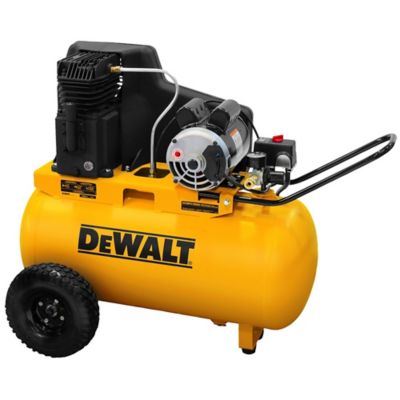
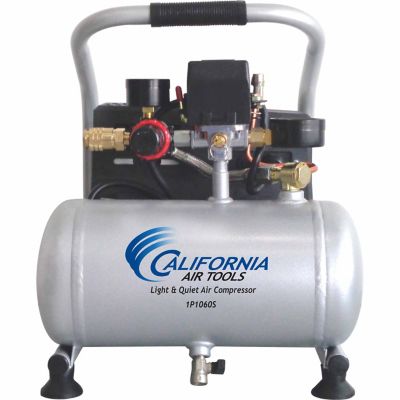
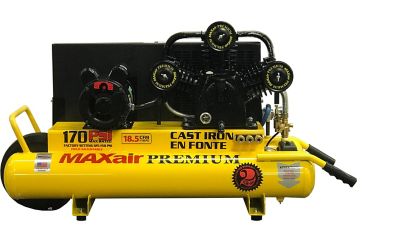
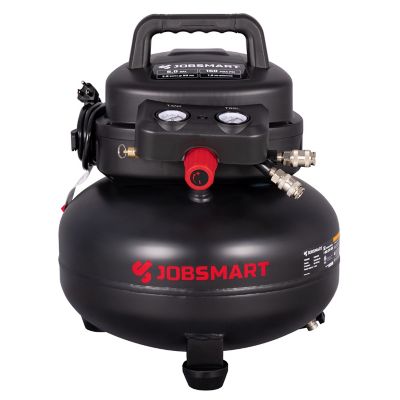
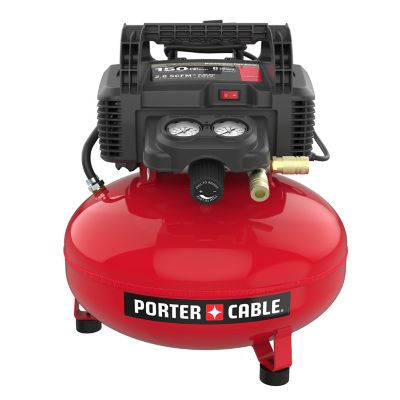
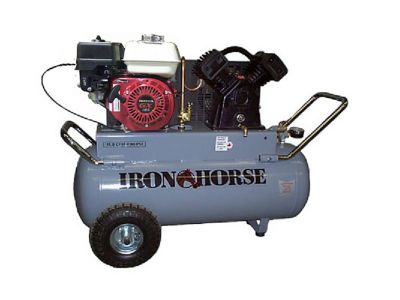
Tank layout and overall construction make a difference once the compressor leaves the shop floor. Pancake designs have a broad, low tank that can sit steadily on a level surface, while hot-dog and twin-stack layouts offer different footprints for carrying, storage and transport. A compact unit with a comfortable handle is easier to move between rooms when fastening window trim or finishing a closet. Larger wheeled compressors make more sense when the work stays near a shop, garage or dedicated work area, though stairs, gravel and tight doorways still deserve a thought before choosing a size. Steel tanks, protected gauges, sturdy handles and guarded controls are practical features around lumber piles, truck beds and busy workspaces. Pump construction varies, too: some designs include cast-iron components for resistance to wear, while others emphasize lighter weight and simpler upkeep. Oil-free pumps eliminate routine pump-oil changes, but they still need regular attention to filters, fittings and tank moisture. Oil-lubricated pumps require oil checks and service according to the manufacturer’s schedule. Noise ratings matter when a compressor sits close to the work, especially inside a small room where the pump may cycle often. Compare stated sound levels under similar test conditions rather than assuming a smaller tank means quieter operation. Hose length and inside diameter also affect the setup, since long or narrow hoses can restrict airflow and reduce pressure at the tool. Matching coupler styles and connection sizes helps keep the air path straightforward, while a readable regulator makes tool-pressure adjustments easier. A compressor with two outlets may simplify connecting two nailers, but both tools still share the same air supply. For farm shops, contractors and crews with heavier demands,
Professional Air Compressors offer another category to consider when comparing airflow, recovery and duty-cycle ratings for longer work sessions.
A compressor that fits the work should also fit the space, power supply and upkeep routine around it. Electric models need a power source that meets the motor’s voltage and circuit requirements; a plug that fits an outlet does not establish that the circuit can support startup demand. For work farther from the outlet, an appropriate air-hose setup can be a better fit than an unsuitable extension cord, with any cord choice governed by the compressor manufacturer’s requirements. Duty cycle is another useful specification because it describes how much running time the compressor permits within a stated period. A tank that empties quickly during repeated firing can push the pump into frequent operation, making that rating especially important for longer fastening sessions. Everyday care is straightforward but worth keeping up with. Compressed air leaves moisture in the tank, so draining it according to the manufacturer’s directions helps limit internal corrosion. Air leaks at couplers, worn hose sections and loose fittings can waste stored air and make the pump cycle more often even when the nailer is idle. Keeping intake openings clear and checking the equipment before work helps catch trouble before it interrupts a project. Tank damage, significant corrosion or a malfunctioning safety valve calls for taking the compressor out of service and following the manufacturer’s repair or replacement guidance, rather than attempting a tank patch. Eye and hearing protection belong alongside the compressor and nailer, and hoses should stay clear of walkways, sharp edges and the fastening area. Disconnecting the nailer from its air supply before clearing a jam or performing service is an important part of safe tool handling. Whether the task is attaching chair rail in a farmhouse, assembling shop storage or framing a small outbuilding, a sensible match brings together enough airflow, manageable size and maintenance that fits the owner’s routine. That combination keeps the focus on steady fastening and the job at hand.