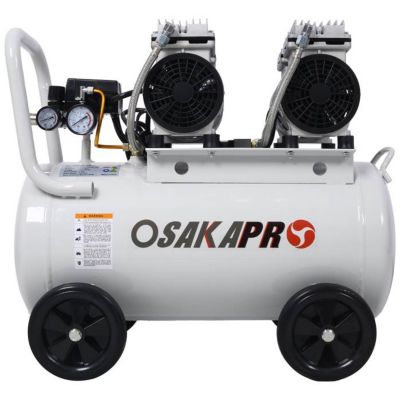
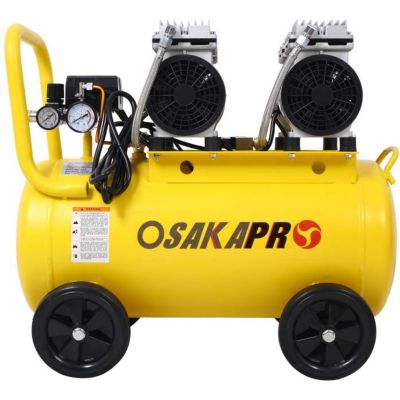
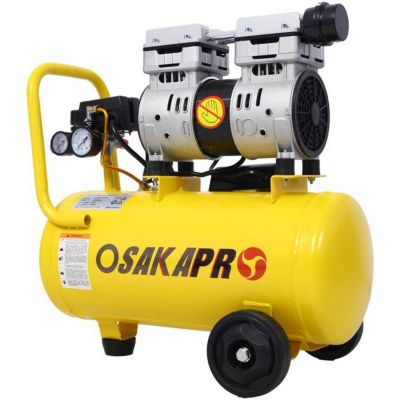
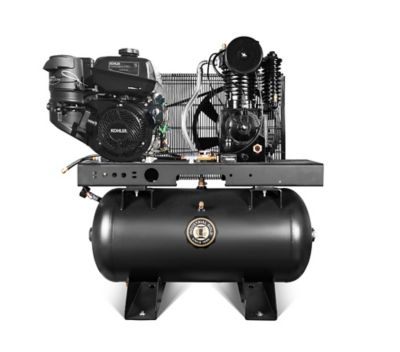
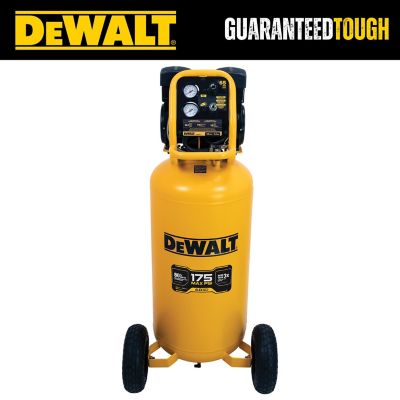
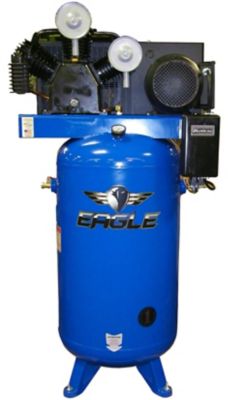
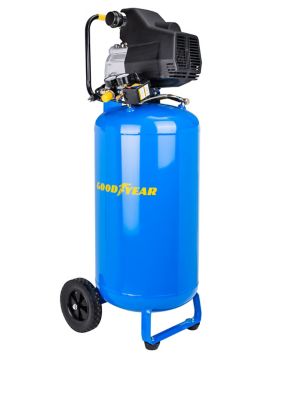
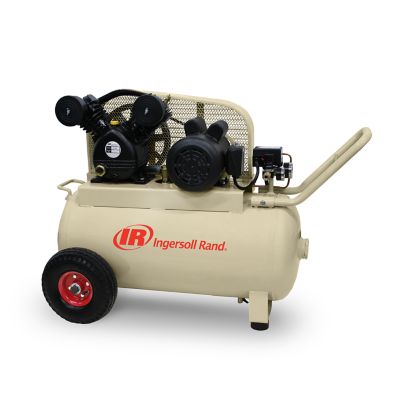
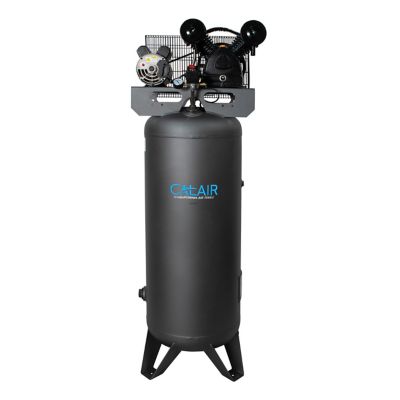
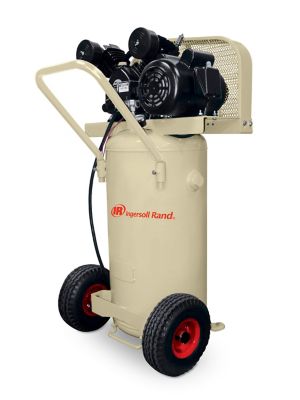
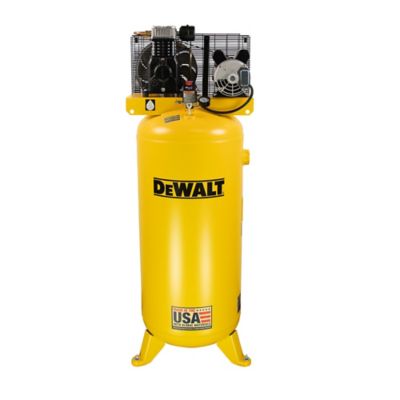
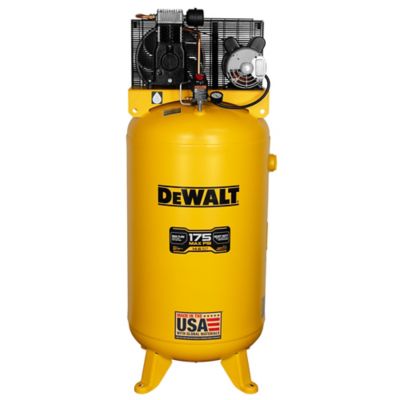
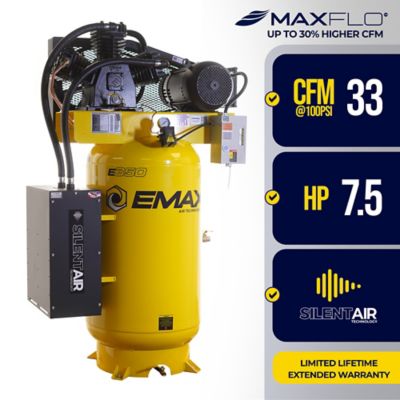
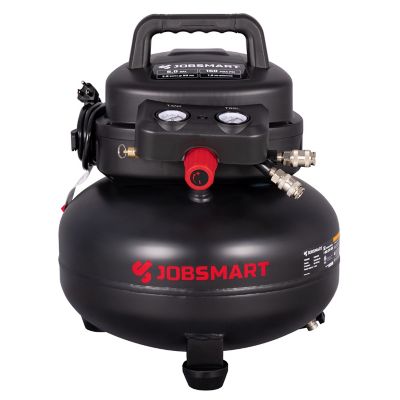
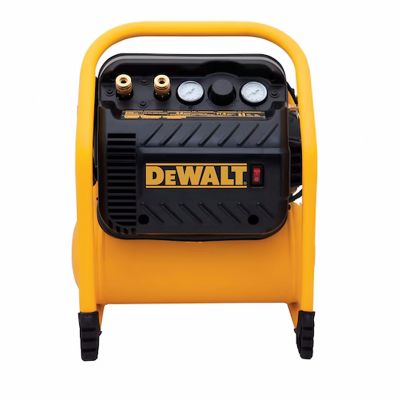
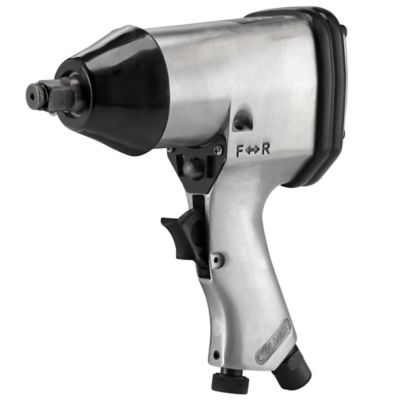
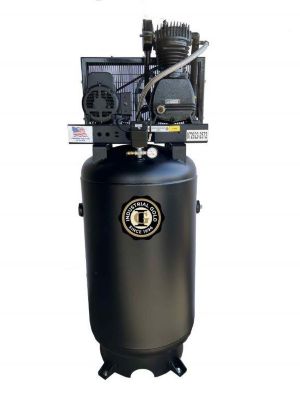
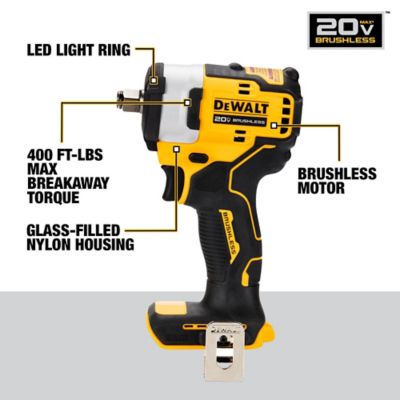
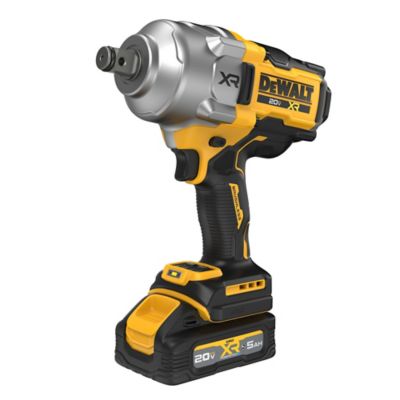
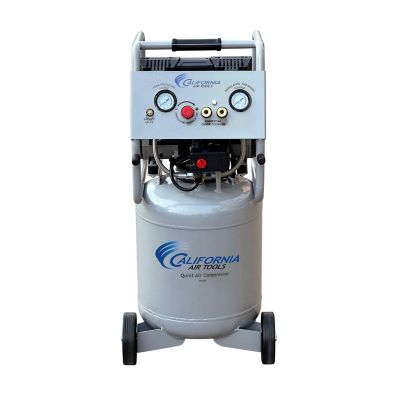
Air compressors for impact wrenches supply the steady airflow that pneumatic tools need to loosen stubborn fasteners and handle repeated tightening jobs. Around a farm shop, garage, or equipment shed, that can mean taking wheels off a utility trailer, working on a mower deck, or servicing a pickup after a long stretch of hauling. The right match starts with airflow rather than tank size alone. Many air impact wrenches operate around 90 pounds per square inch, or PSI, though the tool manufacturer’s specified pressure always takes priority. Compressor output is measured in cubic feet per minute, or CFM, and the useful comparison is delivered CFM at the wrench’s required operating pressure. A high maximum PSI rating does not, by itself, mean a compressor can keep a demanding wrench running. For example, a tool calling for 5 CFM at 90 PSI needs a compressor that meets that requirement under the intended workload, with extra capacity helpful for repeated operation. Tool air-consumption figures may describe intermittent operation rather than continuous trigger time, so two ratings deserve a closer look before being treated as equivalent. A few short bursts to remove wheel nuts place a different demand on the air supply than working through fasteners on several pieces of equipment. Tank capacity provides stored air for those bursts, while the pump’s output determines how quickly that reserve returns. A larger tank can lengthen the time between pump cycles, but it cannot make up for insufficient airflow over a long work session. Likewise, there is no single tank size that fits every impact wrench. A 20- or 30-gallon compressor may suit some intermittent jobs when its output matches the tool, while frequent work or larger wrenches may call for a higher-output stationary setup. Drive size offers some context, but the actual wrench specifications matter more: two half-inch impact wrenches can have quite different air requirements. That distinction helps separate a compressor suited to occasional repairs from one intended to support a busy shop.
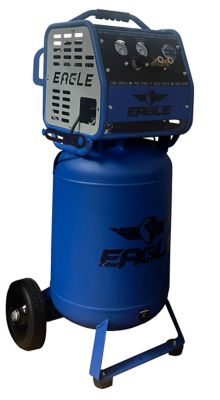
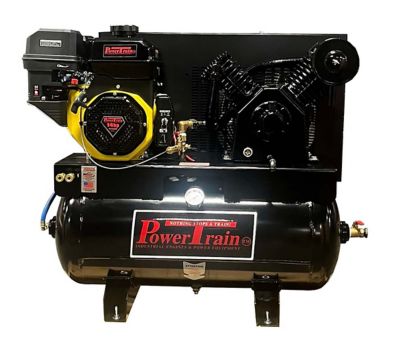
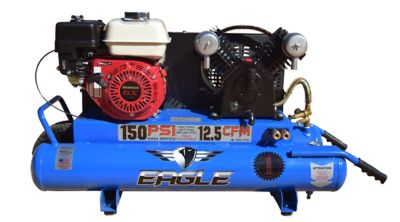
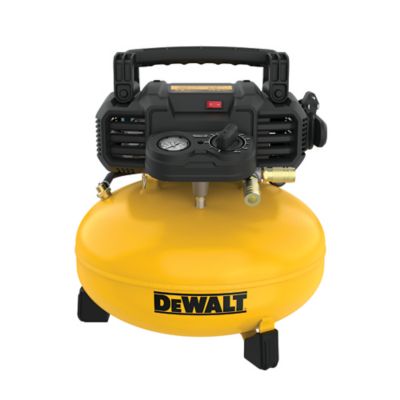
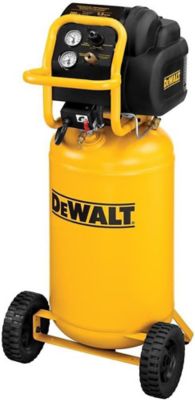
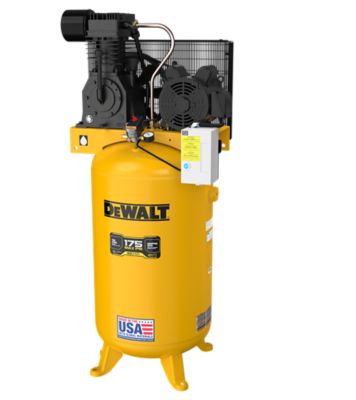
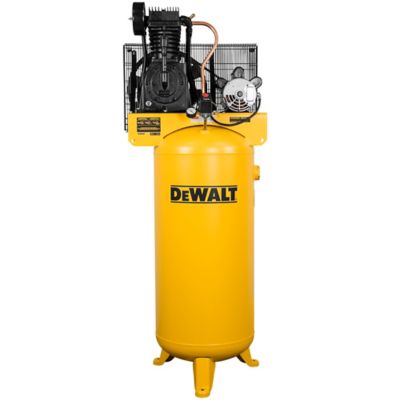
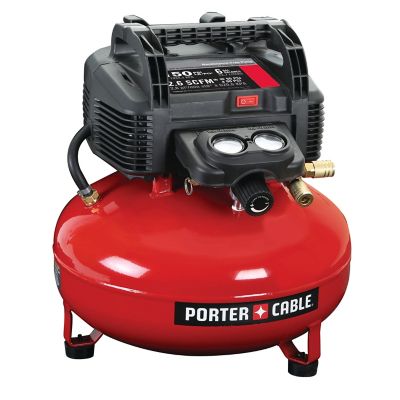
Compressor construction and layout affect how comfortably the equipment fits into everyday work. Wheeled compressors make sense when the air supply needs to move between a garage bay and nearby equipment, while stationary models suit a dedicated work area with a planned hose run. Vertical tanks take up less floor space; horizontal designs may fit better beneath certain work areas, provided the manufacturer’s ventilation and service clearances remain open. Tank handles, wheel size, overall weight, and the location of the drain valve all matter when moving or maintaining the unit. A compact footprint is handy, but a tall compressor still needs stable footing and protection from being knocked over. Pump materials and drive systems also deserve attention. Cast-iron cylinders are common in shop-style pumps, while aluminum components can help reduce weight in portable designs. Oil-lubricated pumps require oil checks and scheduled service, and oil-free designs eliminate that particular maintenance task without eliminating routine care. Belt-driven compressors add belts and guards to the service picture; direct-drive models have a different layout and operating sound. Sound ratings are worth comparing when the compressor will share an enclosed workspace with conversation, repairs, and other running equipment. Electrical requirements can be just as important as physical fit. Some compressors operate on suitable 120-volt circuits, while larger models may require 240-volt service or another specified power arrangement. Motor horsepower alone does not establish airflow performance, and the existing outlet should never be assumed to match the compressor’s needs. Circuit capacity, grounding, and installation requirements belong in the fit assessment, with electrical work handled by a qualified professional. Duty cycle matters, too: it describes how much a compressor can run within a stated period without exceeding its operating limits. For mechanics, livestock owners, equipment operators, and folks who maintain their own trailers, these practical details often matter more than an oversized tank or a bigger horsepower number. Matching the compressor to
pneumatic impact wrenches means considering the whole work pattern, including how often the trigger stays down and how much recovery time falls between jobs.
The air path between the tank and the wrench has a big say in performance. A compressor can show adequate pressure at the tank while a narrow hose, restrictive fitting, or long hose run limits airflow at the tool. Hose inside diameter, coupling flow capacity, and connection size should match the wrench manufacturer’s recommendations, especially for larger tools handling truck or equipment fasteners. A regulator controls the supply pressure, while filters and moisture separators help manage contaminants carried through the line. Pressure at the tool while it is running is more useful than a static reading with the trigger released, and raising pressure beyond the tool’s rating is not a fix for restricted airflow. Hoses need enough reach for the work without stretching across walkways or rubbing against sharp edges. Materials and flexibility matter around rough concrete, oily surfaces, and equipment frames, with properly rated hoses and fittings forming an important part of the setup. Routine care protects both the compressor and the tools connected to it. Moisture collects inside receiver tanks as compressed air cools, making drainage according to the manufacturer’s instructions an important maintenance task. Accessible drain valves make that chore less awkward, particularly on a compressor that stays in one spot. Intake filters, pump oil where required, belts, fittings, and safety components also need attention at the intervals specified in the manual. Leaking connections waste air and increase pump cycling, while a badly corroded or damaged tank needs professional evaluation rather than a patch or weld. At the wrench, lubrication requirements depend on the tool’s design, so pneumatic tool oil belongs only where the manufacturer calls for it. For wheel work, impact-rated sockets and suitable eye and hearing protection are part of the setup, and final lug-nut tightening belongs to a torque wrench set to the vehicle or equipment specification. A well-matched compressor can also make a thoughtful gift for someone building a farm shop or home garage, provided the tool requirements, electrical service, and available workspace are known beforehand. The best fit is equipment that supports the actual work without turning every repair into a wait for the tank to refill.