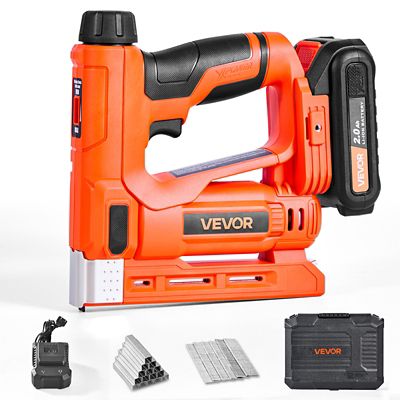
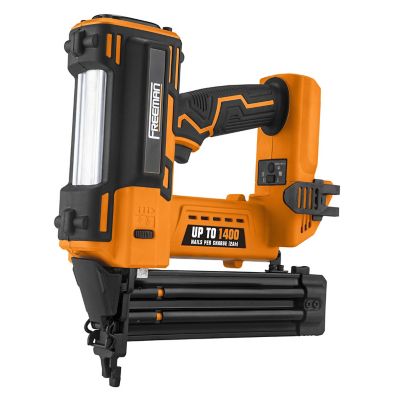
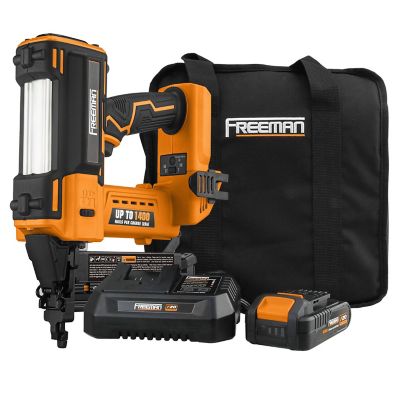
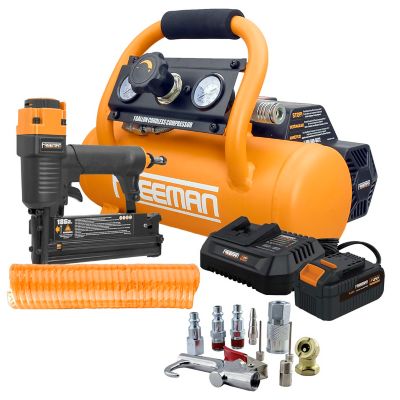
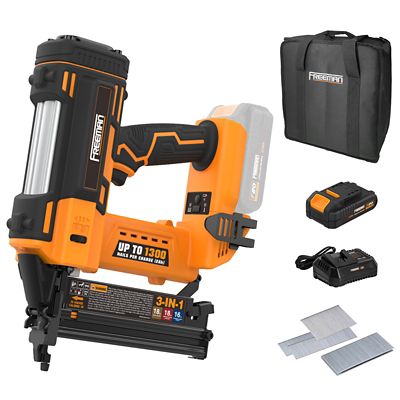
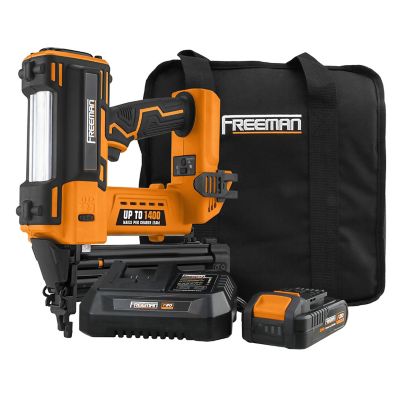
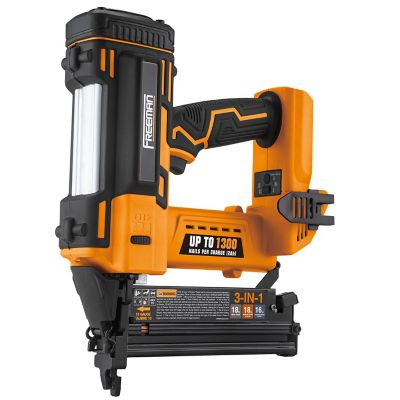
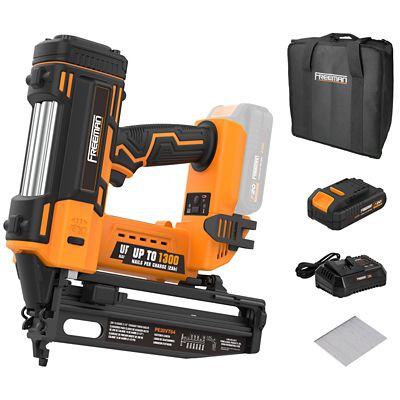
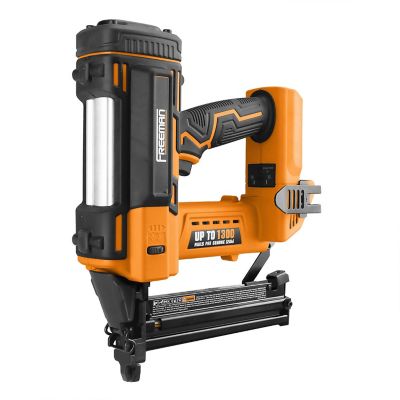
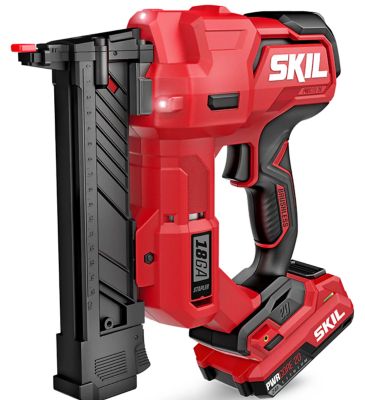
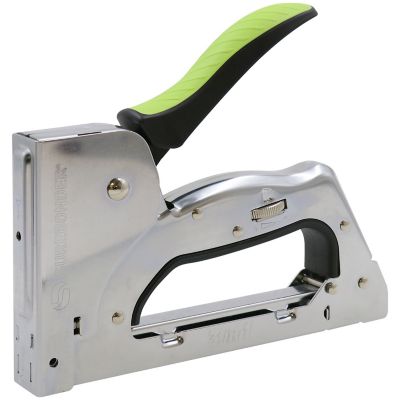
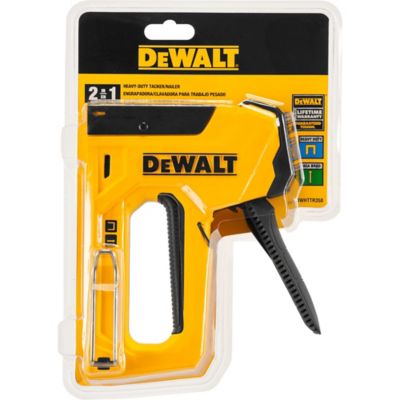
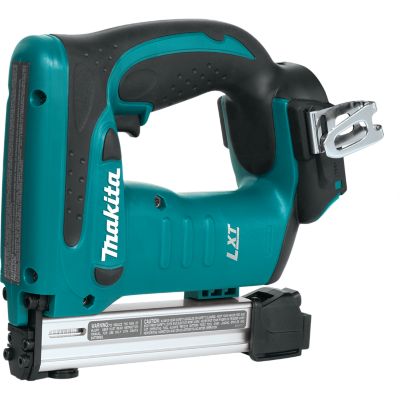
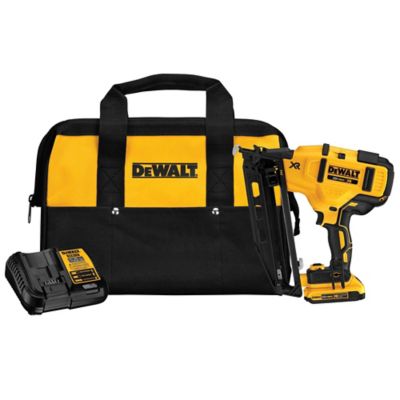
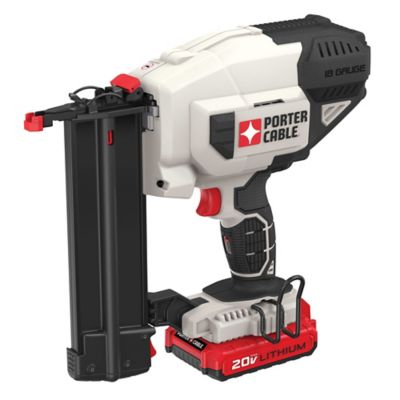
A nail gun without a compressor can make a big difference when you are working around the barn, shop, house, or job site and do not want to drag along an air tank and hose. Cordless electric nailers run on rechargeable batteries, giving you the freedom to move from one side of a room to the other, climb a ladder, or handle small repairs out by the shed without being tied to an outlet or compressor. They are a handy choice for installing trim, fastening molding, building light-duty projects, repairing crates, putting up paneling, and tackling the finishing work that comes after a larger construction job. Depending on the tool, cordless models may use a motor and spring-driven or flywheel-style mechanism to drive each fastener. This design gives you a ready-to-go nailer that is generally simple to carry and quick to set up. Some are made for smaller brad nails used with delicate trim and craft projects, while heavier cordless framing nailers are built for larger fasteners and more demanding work such as wall framing, sheathing, fencing repairs, and outbuilding construction. When shopping for a nail gun without compressor, start by matching the tool to the fastener size and material you plan to use. A brad nailer is well suited to thin boards, cabinet trim, baseboards, and other finish work where a smaller hole matters. A framing nailer is a better fit for structural lumber and heavier construction, but it will usually be larger, heavier, and more expensive. Check the tool’s nail length range, nail angle, magazine capacity, depth adjustment, firing modes, and safety features. Sequential firing is useful when you want careful placement, while bump or contact firing can help experienced users move faster across a larger project. Depth adjustment helps keep nail heads from sitting proud or sinking too far into softer wood. A tool with a comfortable grip, balanced weight, and clear jam-release access can save your hands during a long afternoon of work. Battery voltage alone does not tell the whole story, so look at expected runtime, charging time, and whether a battery and charger are included. If you already use cordless tools from the same battery platform, a tool-only option may help you make use of batteries you own. If you are starting from scratch, a complete kit can be more convenient. Keep in mind that cold conditions, repeated heavy firing, and larger nails can reduce runtime, so having a spare charged battery is helpful for work that needs to keep moving.
There are also fuel-cell nailers that work without a full-size compressor. These tools use a small battery for ignition along with a disposable gas cartridge, creating the force needed to drive the nail. They can be useful for framing, decking, roofing, fencing, and other jobs where portability and strong driving power matter. Fuel-cell systems do require replacement cartridges, and they may need a little more attention when stored between projects, so check the operating instructions and keep fuel cells in the recommended conditions. Plug-in electric nailers are another option for lighter work near a standard outlet, though the cord can limit movement and may not be practical for remote repairs or large building jobs. No matter which style you choose, wear safety glasses, keep your free hand clear of the nose of the tool, and use hearing protection when the work area is loud. Read the instructions before loading nails, remove the battery or fuel source before clearing a jam, and make sure the material is supported on a stable surface. A nail gun is not a substitute for checking what is behind a wall, board, or panel, so watch for wiring, plumbing, knots, metal hardware, and other hidden hazards. For trim and finish work, practice on a scrap board until the depth setting leaves a clean, easy-to-fill mark. For framing or fencing, confirm that the fastener length and type fit the lumber and the tool. A cordless nailer can be a thoughtful gift for a homeowner, beginning DIYer, farmer, rancher, woodworker, or anyone who regularly handles repairs but does not have room for a compressor in the garage. It is especially useful for people who work in several places, from a chicken coop and tack room to a workshop or unfinished room indoors. If your project calls for pneumatic equipment instead, compare hose length, tank size, airflow, portability, and the nailer’s required pressure when shopping
Air Compressors For Nail Guns. For a nail gun without compressor, the best choice comes down to the job, the fastener, and how much freedom you need while working. With the right match, you can spend less time setting up equipment and more time getting clean, secure results on projects large and small.