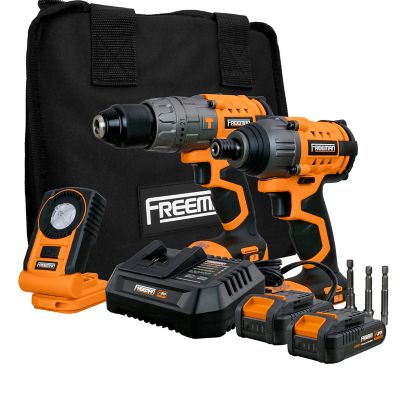
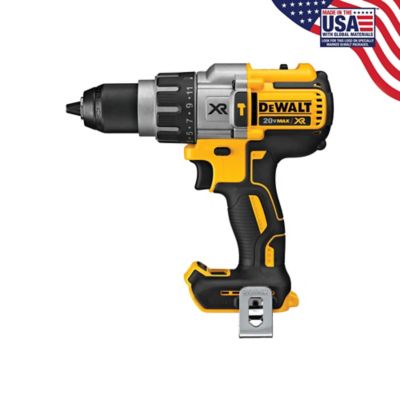
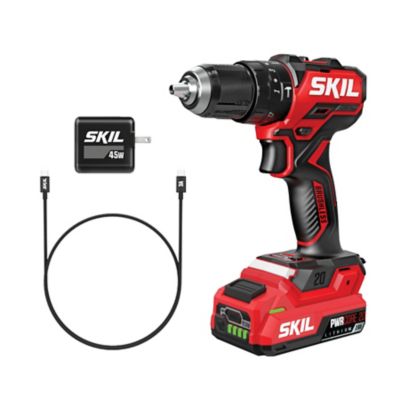
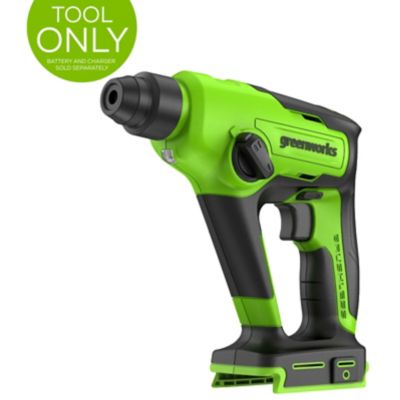
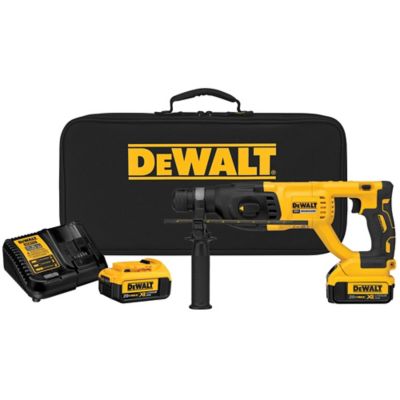
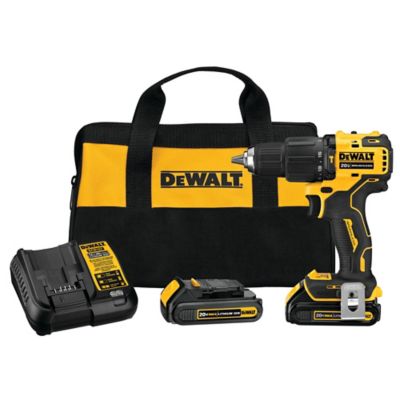
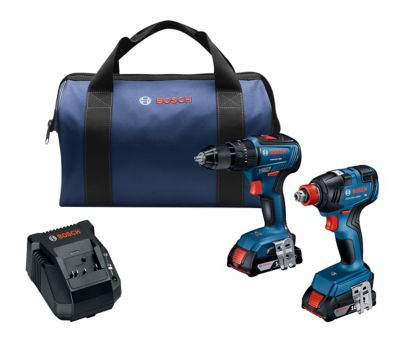
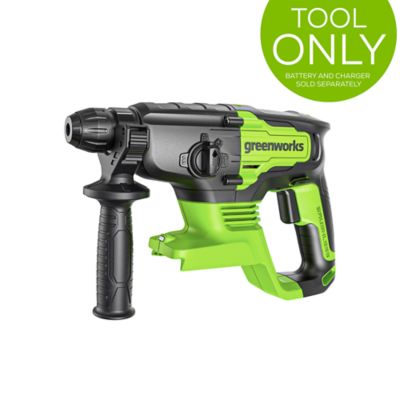
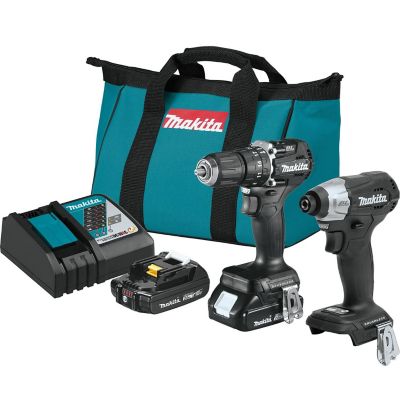
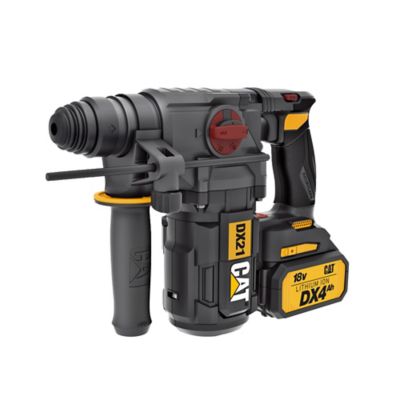
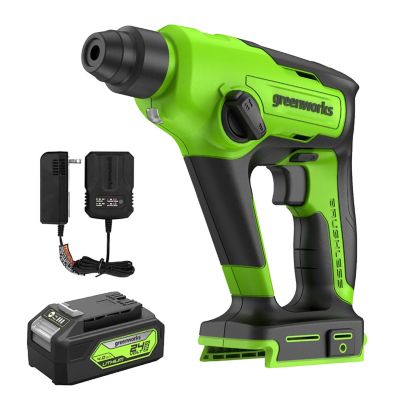
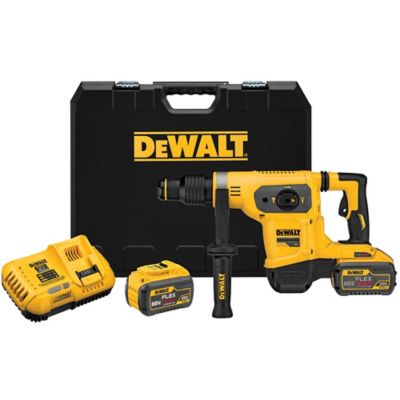
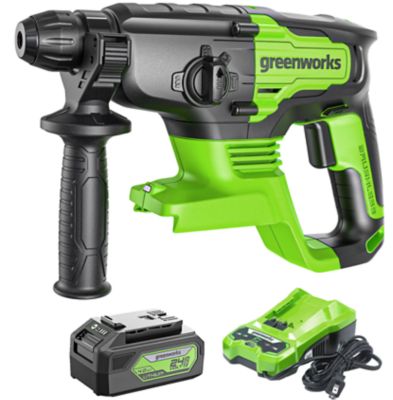
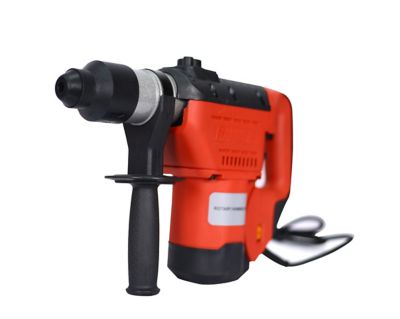
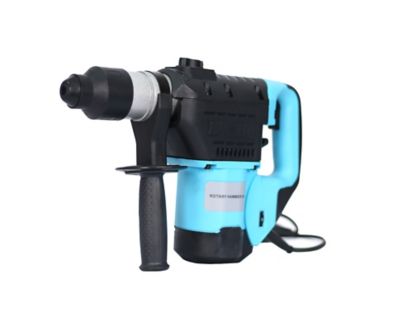
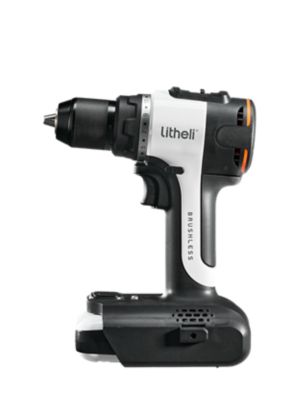
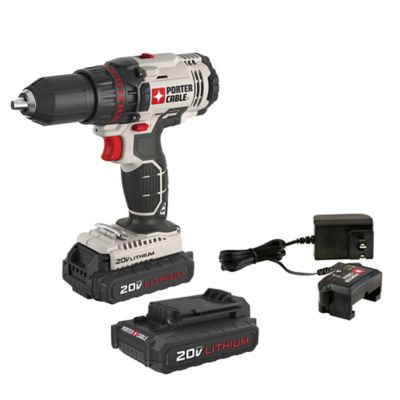
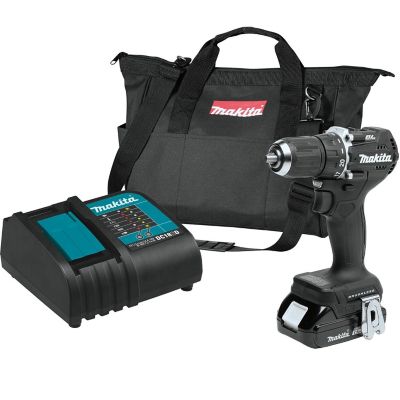
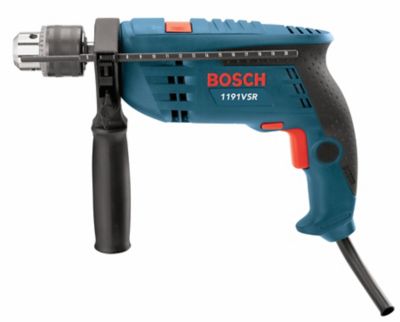
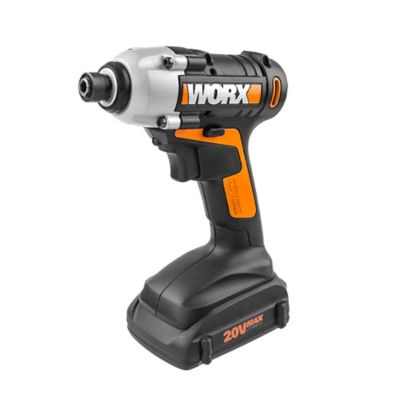
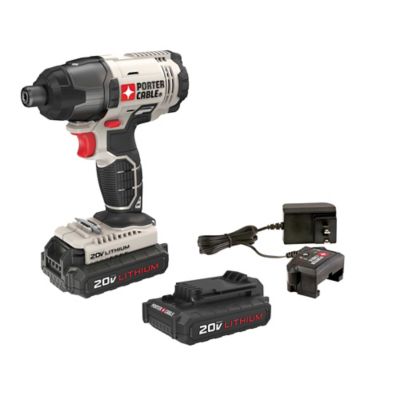
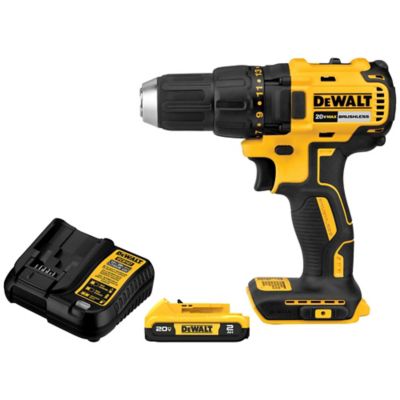
Cordless hammer drills combine rotating motion with rapid, forward hammering to help masonry bits chip through concrete, brick, and similar materials. Battery power lets the tool travel from a workshop bench to a block wall without an extension cord trailing behind. That combination comes in handy for jobs such as drilling anchor holes for shelving brackets, securing equipment supports to masonry, or fastening a storage rack to a concrete wall. Many cordless hammer drills also offer a standard drilling mode for wood and metal, along with a screwdriving setting, so one tool can handle several parts of a repair or building project. The right mode matters: hammer action belongs with suitable masonry applications, while ordinary drilling handles wood, metal, and other materials with the appropriate bit. Carbide-tipped masonry bits withstand the repeated contact involved in hammer drilling, while wood and metal call for cutting edges shaped for those materials. Tile, brittle brick, and other surfaces that can crack require particular care and may call for drilling without hammer action. An impact driver serves a different purpose, delivering twisting impacts to turn fasteners rather than hammering along the drill bit. A rotary hammer is another distinct tool, generally better suited to repeated drilling in hard concrete or larger masonry holes within its rated capacity. For a property owner installing occasional masonry anchors, a cordless hammer drill can bring drilling, driving, and light masonry work together in a manageable package. For a contractor drilling concrete throughout the day, the demands may point toward a rotary hammer instead. Material condition, hole diameter, and hole depth all affect how much work the tool must do. Anchor instructions also matter because the specified bit diameter, embedment depth, and hole-cleaning method help determine how the fastening system performs. Concrete with reinforcing steel requires added planning; a masonry bit is not a substitute for a bit intended to cut metal, and reinforcing steel should not be drilled through without proper authorization.
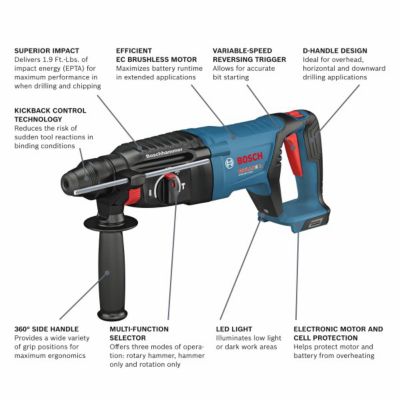
The feel of a cordless hammer drill matters when a quick hole turns into a row of mounting points along a shop wall. A compact body can fit more easily between framing members or behind equipment, while a larger tool may provide greater drilling capacity at the cost of extra weight. Grip shape, trigger reach, balance, and the space around the handle all influence how comfortably the drill sits in the hand. A side handle provides another point of control when the bit catches, and electronic anti-kickback features, where provided, can help reduce sudden tool rotation without replacing a firm grip and proper stance. Variable-speed triggers allow a slower start before the bit settles into the surface. Multiple gear ranges give the operator a choice between lower-speed turning force and higher drilling speed, with the correct setting depending on the bit, material, and task. An adjustable clutch helps limit screwdriving torque in its designated mode; it should not be mistaken for a depth stop or a drilling safety feature. Chuck capacity determines which bit shanks the tool can grip, while the manufacturer’s drilling-capacity ratings describe its intended working range. Metal chuck components, protective housings, and secure battery connections are worth considering for tools that travel between the truck, barn, and workbench. Battery choice affects that balance, too. A smaller pack can make overhead work less tiring, while a higher-capacity pack may extend runtime but add weight. Actual runtime depends on the material, bit size, operating mode, and workload, not amp-hour capacity alone. Battery compatibility across
Cordless Tools can simplify charging and tool storage, but matching voltage labels do not guarantee that packs will fit or function across different systems. The approved battery platform, charger requirements, and whether a tool package includes those components deserve attention before it joins an existing setup.
Good care starts with letting the bit do its cutting rather than leaning on the drill until it stalls. Steady pressure, a suitable speed, and a sharp bit help the tool work as intended. For deep masonry holes, clearing debris at intervals according to the bit and tool instructions can help prevent binding and excess heat. Hole depth should follow the fastening instructions, with a depth stop providing a repeatable reference when the drill supports one. Before drilling into walls or floors, check for electrical wiring, plumbing, and other concealed hazards; visible surfaces do not tell the whole story. Secure loose workpieces rather than holding them by hand, and keep hands clear of the rotating chuck and bit. Eye protection is important for flying chips, hearing protection may be necessary, and concrete or masonry dust calls for dust controls and respiratory protection appropriate to the silica exposure and job requirements. A compatible dust-extraction setup can help capture debris near the hole, though it does not remove the need to assess the work area and follow applicable safety requirements. After the job, remove the battery before changing accessories or cleaning the tool, following the manufacturer’s directions. Wipe away surface dirt, keep ventilation openings clear, and inspect the chuck, housing, and battery connection for damage. Bits belong in a holder or case that protects their cutting edges, and battery terminals should stay clear of loose nails, screws, and other metal objects. These habits make sense for anyone who keeps a drill close by for farm maintenance, shop projects, property repairs, or trade work. A cordless hammer drill can also be a practical gift for someone setting up a workshop or taking on more masonry fastening jobs, especially when its battery system matches tools they already own. The best fit comes down to the work ahead: enough capacity for the intended holes, manageable weight for the operator, and controls that make moving between drilling and driving straightforward.