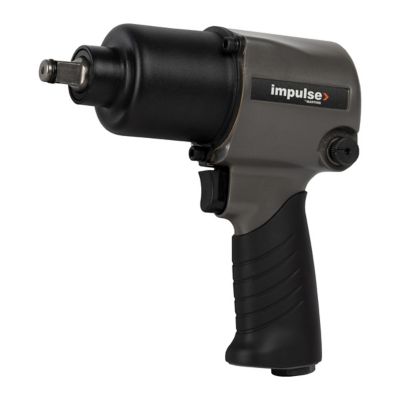
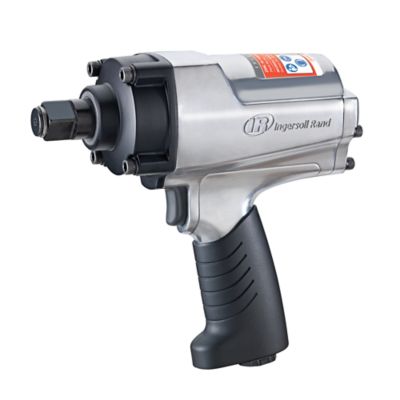
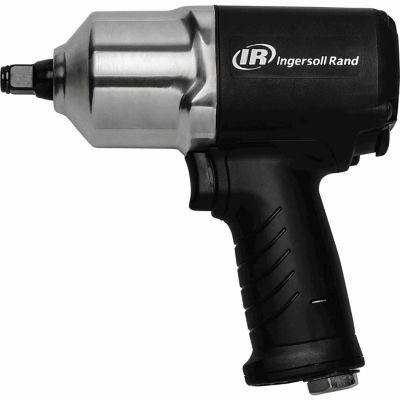
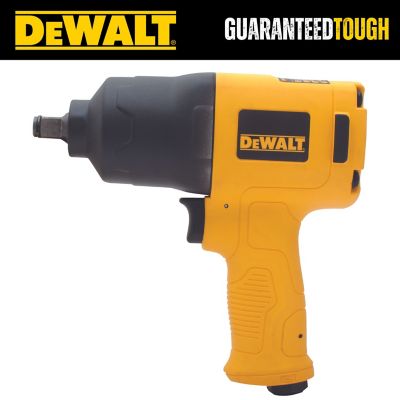
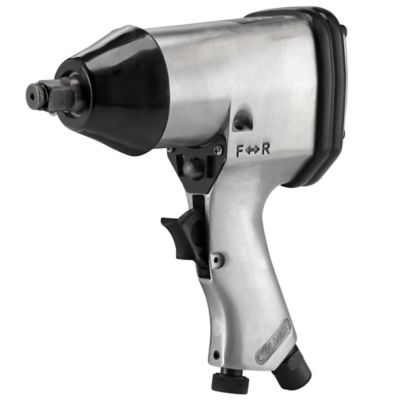
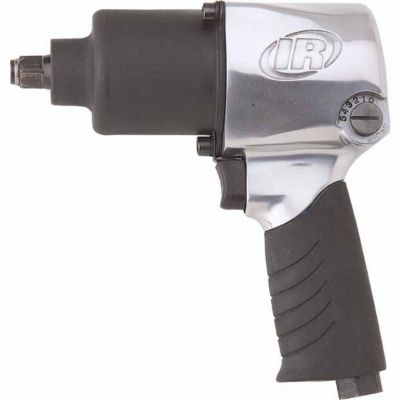
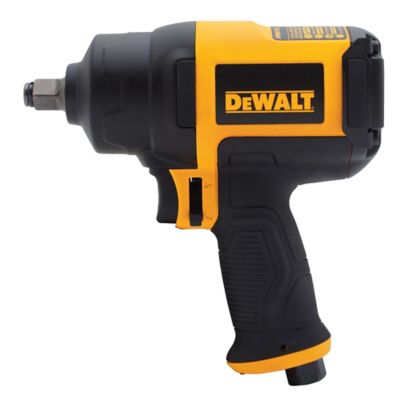
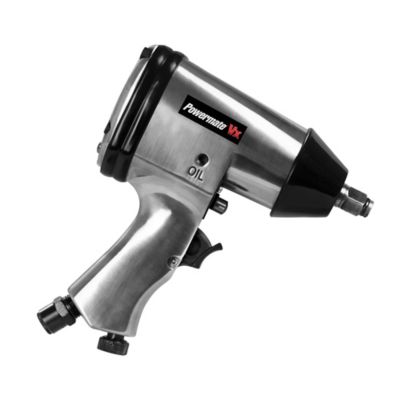
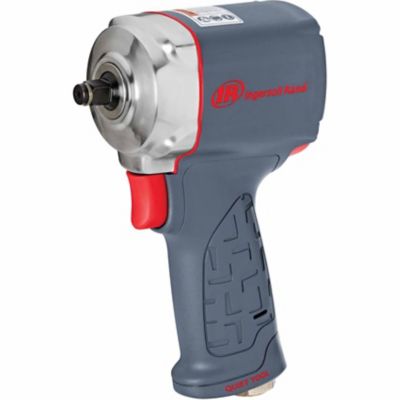
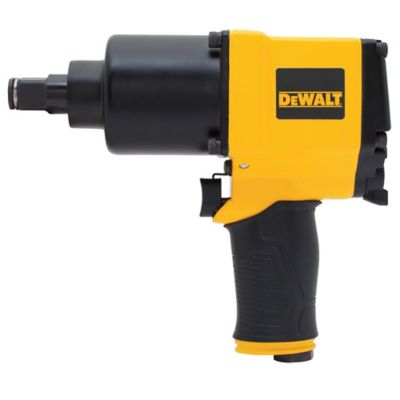
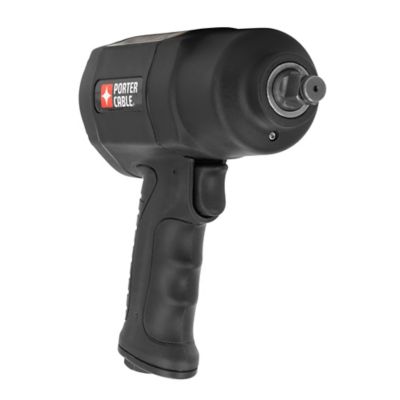
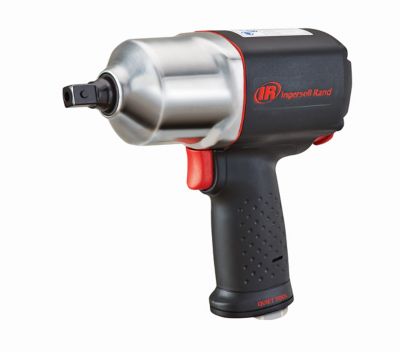
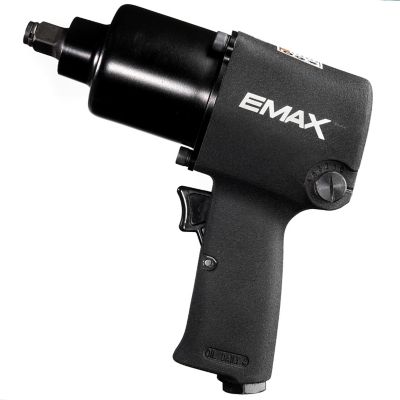
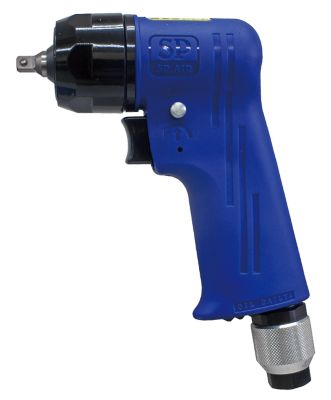
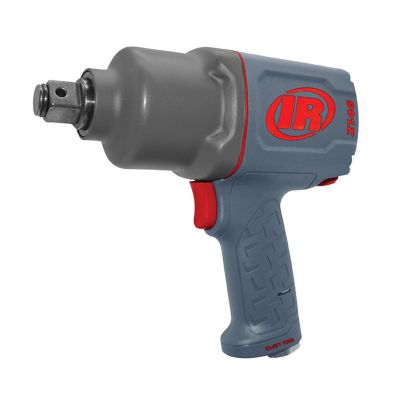
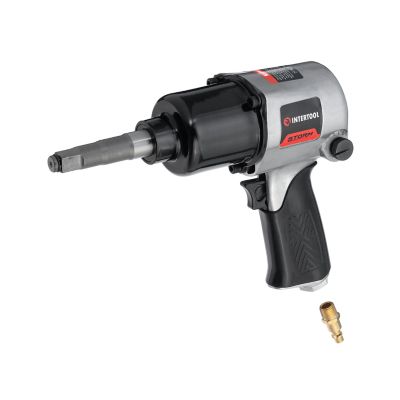
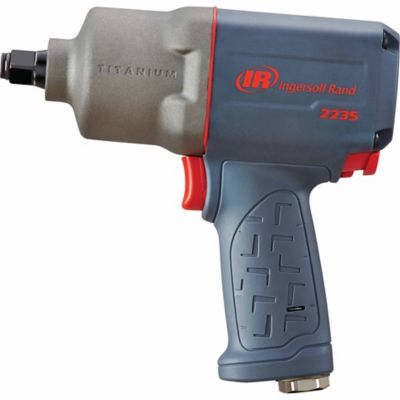
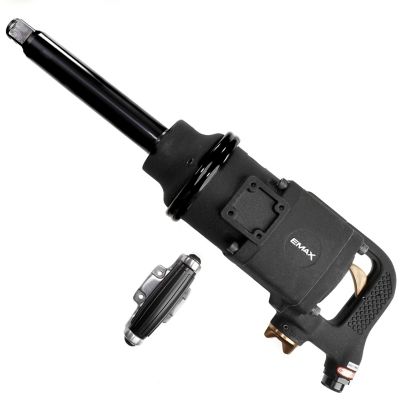
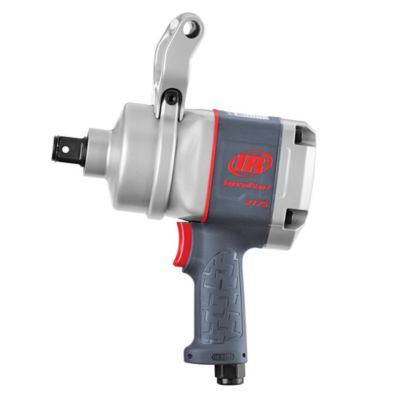
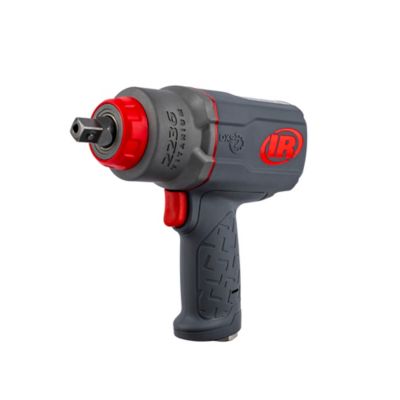
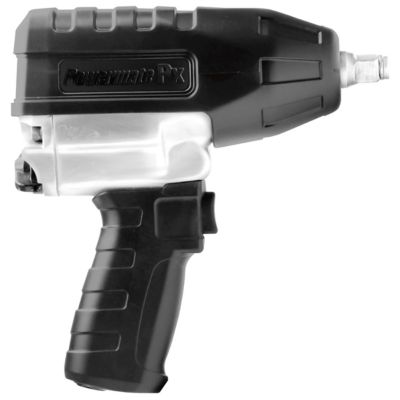
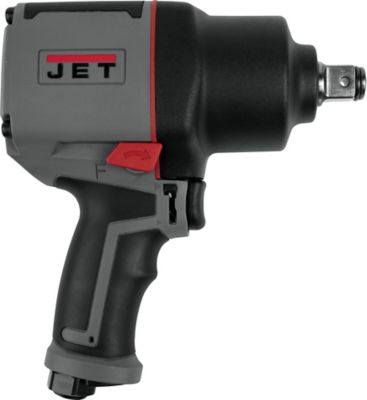
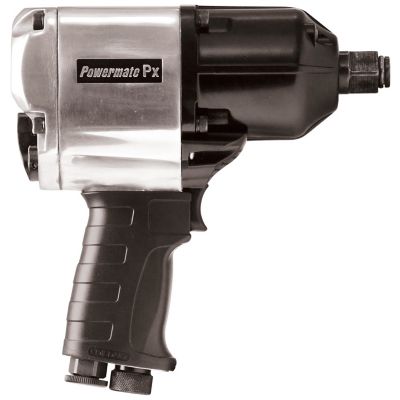
Pneumatic impact wrenches are air-powered tools that deliver repeated rotational blows to loosen or tighten nuts and bolts. A compressed-air motor drives an internal hammer mechanism, giving these tools the turning force needed for stubborn fasteners without requiring steady pulling on a long handle. That makes an air impact wrench a practical fit for a farm shop, automotive garage or equipment repair bench, where jobs can range from removing pickup lug nuts to taking apart bolted brackets on a trailer. The tool turns a socket rather than a drill bit, and its square drive determines which socket sizes and accessories fit. Common drive sizes include 3/8 inch for lighter repair work and tighter spaces, 1/2 inch for general automotive and shop tasks, and 3/4 inch or 1 inch for larger fasteners on heavy trucks and machinery. Drive size alone does not tell the whole story, though. Torque output, tool dimensions, air requirements and the fastener itself all matter when matching a wrench to the work. Torque is typically expressed in foot-pounds, with fastening torque describing tightening capability and breakaway torque describing loosening capability under the manufacturer's test conditions. Those figures are not interchangeable, and a high advertised maximum does not mean every fastener receives that amount of torque. Actual performance depends on the air supply, operating conditions and socket setup. A compact housing can make a difference around a wheel well or beneath a frame, while a larger tool may better suit substantial bolts with clear working room. For a mechanic moving between passenger vehicles and farm equipment, the right balance is enough turning force for the job without unnecessary weight or a housing that crowds the work area. Metric and SAE socket sizing matters, too: a socket that fits the square drive still needs to fit the nut or bolt head closely to help prevent rounded corners.
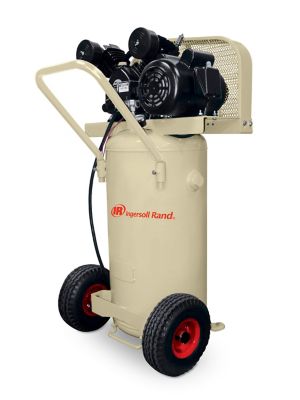
The compressed-air setup is as important as the wrench itself. Pneumatic impact wrenches need both sufficient pressure and sufficient airflow, so compressor compatibility involves more than tank size. Airflow is measured in cubic feet per minute, or CFM, while pressure is measured in pounds per square inch, or PSI. Many air impact tools have specifications based on 90 PSI, but the operating pressure and air demand listed for the particular tool are the figures that matter. A compressor's delivered CFM at that pressure is more useful than its horsepower label when assessing whether it can support the wrench. Tank capacity provides stored air for short bursts; it does not replace the compressor's ability to replenish that air during repeated operation. Published average air consumption may also reflect intermittent operation rather than continuous demand, an important distinction for a busy repair bay. Hose diameter, hose length, couplers and fittings affect airflow at the tool, and restrictive connections can leave a capable wrench feeling sluggish. Manufacturer recommendations help match those components without compensating by raising pressure beyond the tool's rating. Within the broader
Impact Wrenches category, pneumatic options make sense for workspaces with a suitable compressor and a manageable hose route. There is no tool battery to recharge, although the hose remains part of every job. Housing materials and handling features also shape the experience. Metal housings and composite housings offer different combinations of weight, grip feel and resistance to shop wear, while internal hammer designs can affect vibration and power delivery. A balanced grip, reachable forward-and-reverse control and adjustable power settings can make repeated tasks more comfortable, especially when moving from one wheel to the next. Tool length matters when reaching into a crowded assembly, and hose routing matters when working around a lift, jack stands or a bench. Exhaust direction is another consideration wherever blowing air could stir up dirt or send debris toward the operator.
Care, socket selection and fastening habits help keep a pneumatic impact wrench ready for the next repair. Compressed air can carry moisture and contaminants, so filtration and moisture control help protect internal parts from corrosion and wear. Many pneumatic tools need air-tool oil, but lubrication requirements vary; the manufacturer's schedule and specified lubricant take precedence over a one-size-fits-all routine. Keeping the air inlet clean, inspecting the hose and couplers, and storing the wrench away from moisture are straightforward parts of shop upkeep. Impact-rated sockets and accessories belong with these tools because they are built for repeated hammering; ordinary hand-tool sockets are not a substitute. Socket materials commonly include alloy steels such as chrome-molybdenum, but material names or finishes alone do not establish an impact rating. The socket's intended application and markings matter. Long extensions and swivel attachments can change how effectively force reaches a fastener, so the entire connection deserves attention when access is awkward. On wheel work, an impact wrench handles removal and initial run-down, while a separate torque wrench establishes the final tightening value specified by the vehicle or equipment manufacturer. Starting fasteners by hand helps prevent cross-threading, and adjustable power settings offer control without making the impact wrench a precision torque tool. A rusted bolt on a mower deck may need inspection and penetrating lubricant rather than more hammering, particularly when the surrounding assembly could be damaged. Eye protection and hearing protection belong in the workspace, along with secure support for any vehicle or equipment being serviced. For farmers maintaining implements, mechanics handling repeat repairs and homeowners keeping a truck and trailer in working order, these tools fit jobs where bolted connections are a regular part of the day. They can also make a practical gift for someone with an established air-equipped shop, provided the drive size, compressor requirements and intended work line up with that person's setup. The best fit comes from considering the whole system, not just the largest torque number.