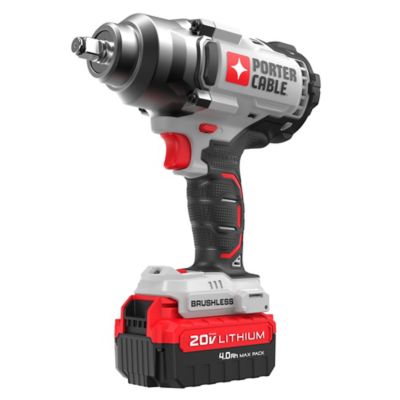
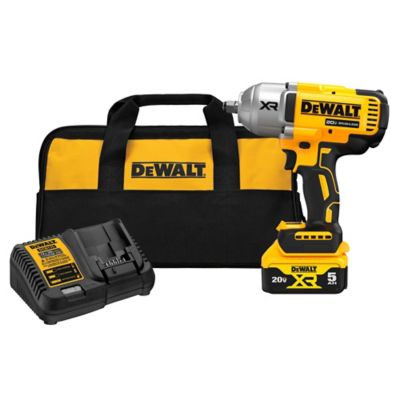
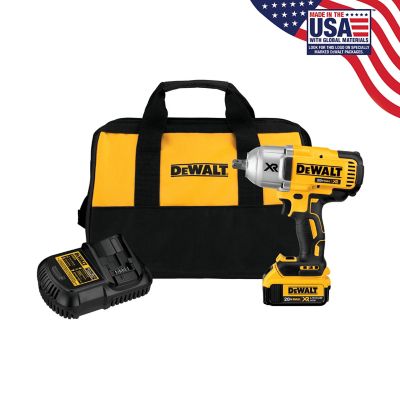
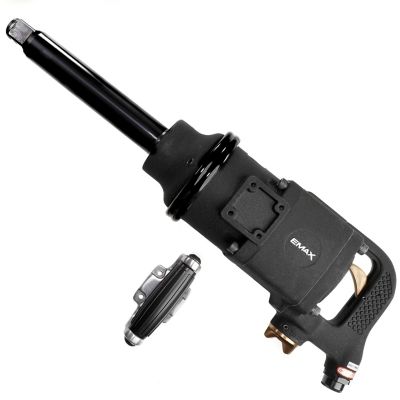
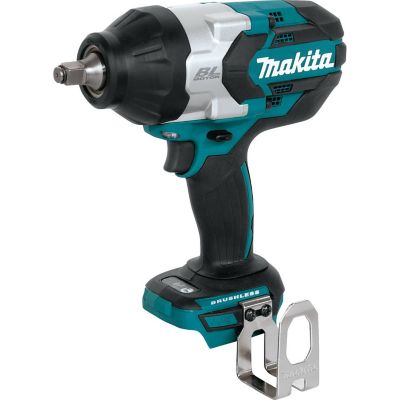
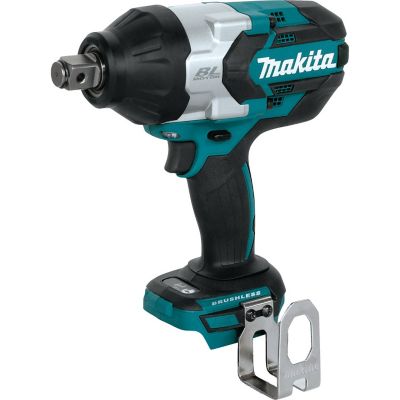
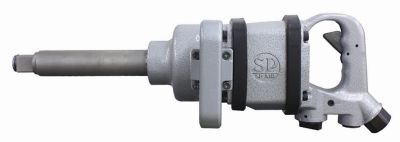
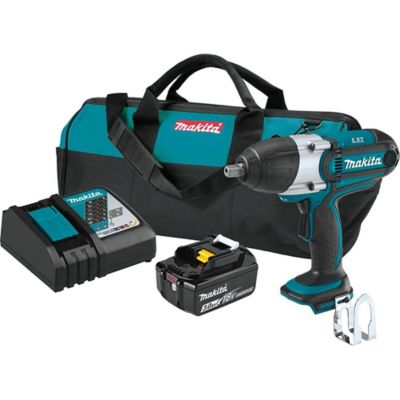
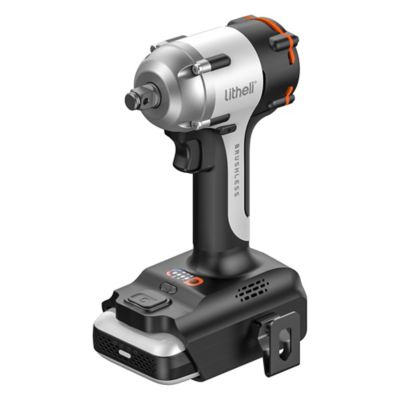
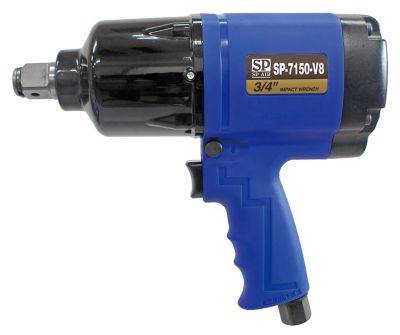
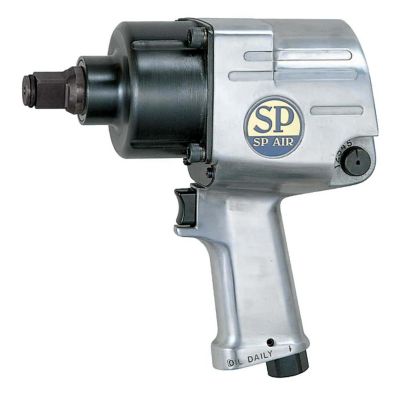
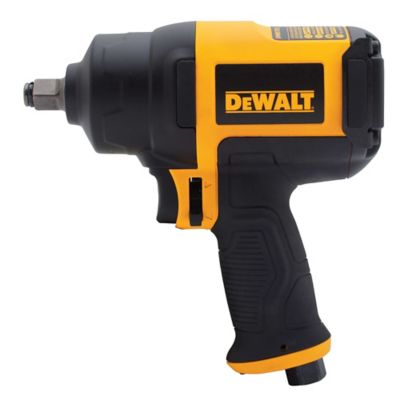
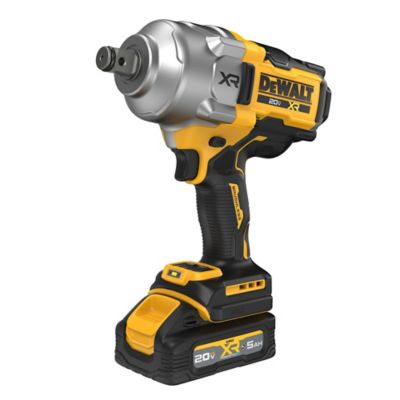
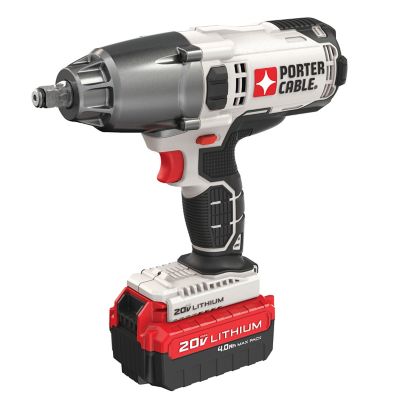
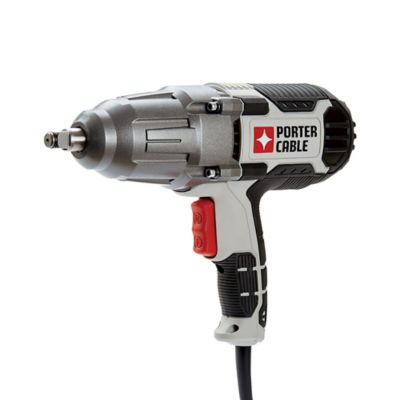
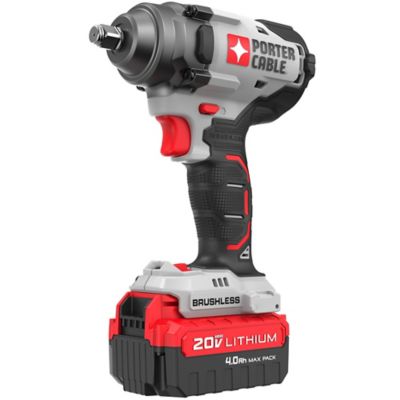
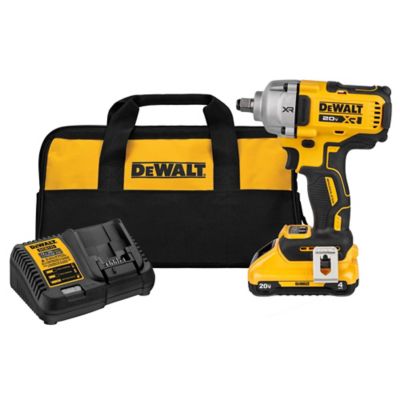
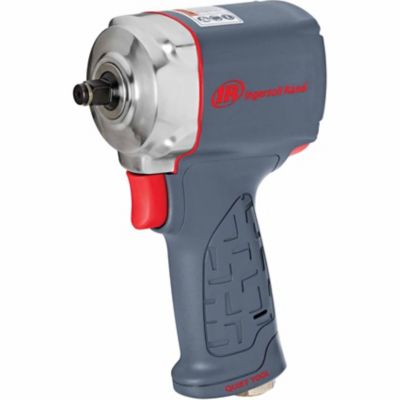
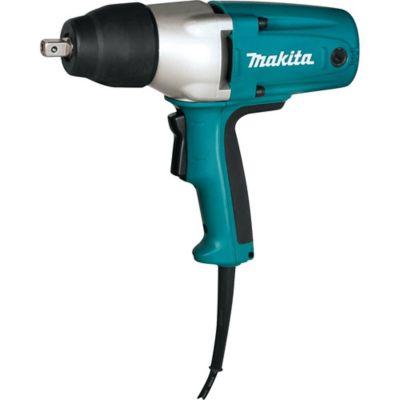
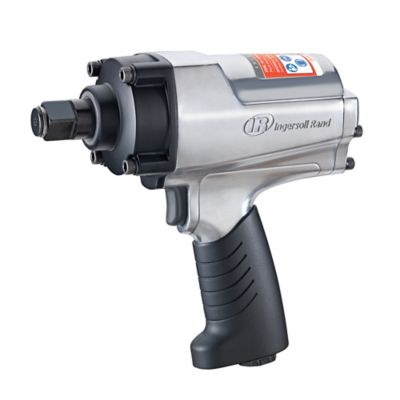
High torque impact wrenches are built for the jobs where a standard ratchet, breaker bar, or compact impact driver runs out of muscle. With a hard pull of the trigger, these heavy-duty tools deliver rapid bursts of rotational force to loosen stubborn lug nuts, rusted bolts, and large fasteners without requiring the long handle and full-body effort of a hand tool. They are useful in farm shops, garages, equipment sheds, construction trailers, and maintenance bays where time matters and fasteners may have spent years exposed to dirt, moisture, road salt, grease, or weather. Automotive repair is one of the most common uses, especially when changing truck, trailer, tractor, or implement tires, but a high torque impact wrench can also help with suspension work, mower maintenance, machinery repairs, structural assembly, and heavy equipment service. Breakaway torque, sometimes called nut-busting torque, describes the peak force available to free a stuck fastener, while fastening torque refers to the force applied while tightening. Those numbers are not the same, so it pays to compare both ratings instead of choosing based on one large figure. A tool rated in the range of 700 to more than 2,000 ft.-lbs. of breakaway torque may be appropriate for demanding work, but the best choice depends on the fastener size, the equipment being serviced, and how often the tool will be used.
Drive size is one of the first details to check. A 1/2-inch drive is a versatile choice for many cars, pickups, trailers, and general shop tasks, with a wide selection of impact-rated sockets available. A 3/4-inch drive offers more capacity for large fasteners found on heavy trucks, tractors, farm equipment, and construction machinery, while a 1-inch drive is generally intended for commercial, industrial, and severe-duty applications. Bigger is not always better for every job. High torque tools can be heavier and bulkier, and a large housing may be difficult to maneuver between frame rails, around suspension parts, or under a crowded engine bay. Look for a balance between output, tool weight, grip comfort, and access to the areas you work on most. A short or compact design can be handy in tight spaces, while a longer anvil or extended reach may help with recessed lug nuts and deep wheel assemblies. A friction ring or pin-style anvil can help keep sockets in place, and a forward, reverse, or power-control selector makes it easier to adjust the tool to the task. A variable-speed trigger is useful when starting a nut by hand, lining up threads, or working near delicate components. Always use impact-rated sockets and accessories; ordinary chrome sockets can crack or shatter under impact force. For final tightening on wheels and other critical fasteners, use the vehicle or equipment manufacturer’s torque specification and finish with a properly calibrated
Automotive Torque Wrenches rather than relying on the impact wrench alone.
Cordless high torque impact wrenches are popular with do-it-yourselfers, farmers, mechanics, and mobile repair crews because they can travel from the garage to the pasture, driveway, or jobsite without an air hose trailing behind. If you already own cordless tools, staying within the same battery platform may save money and keep spare batteries useful across several tools. Check battery capacity, charging time, and the availability of replacement packs before buying, especially if the wrench will be used away from a power outlet. Battery-powered models are convenient for roadside work, seasonal equipment maintenance, and repairs in an open-sided shed, though larger batteries can add noticeable weight. Pneumatic impact wrenches remain a dependable choice for busy shops with a capable air compressor, and they can run for long work sessions without stopping to recharge. In that case, confirm that the compressor can supply the required cubic feet per minute at the tool’s operating pressure; an undersized compressor may cause the wrench to lose power just when a stubborn fastener starts to move. High torque tools also benefit from routine care. Keep the drive square clean, inspect sockets and retaining rings, protect cordless batteries from extreme temperatures, and follow the manufacturer’s lubrication and storage instructions. Eye protection, hearing protection, gloves that allow a secure grip, and stable footing are sensible habits when breaking loose large or rusted hardware. During the cooler months, these tools can make tire changes, snow equipment service, trailer upkeep, and last-minute repairs less of a strain on cold hands. They can also make a thoughtful gift for someone who spends weekends restoring an old pickup, maintaining tractors, repairing trailers, or working on equipment for a small farm. Match the tool to the recipient’s usual work rather than simply choosing the highest torque rating: a manageable 1/2-inch model may be more useful for everyday vehicle repairs, while a 3/4-inch or 1-inch model makes more sense for heavy machinery and commercial applications. Properly chosen, a high torque impact wrench becomes the kind of dependable shop tool that earns its place on the workbench and reaches for itself whenever a fastener has been sitting tight for far too long.