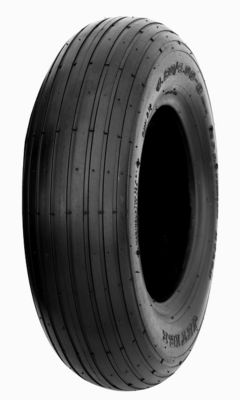
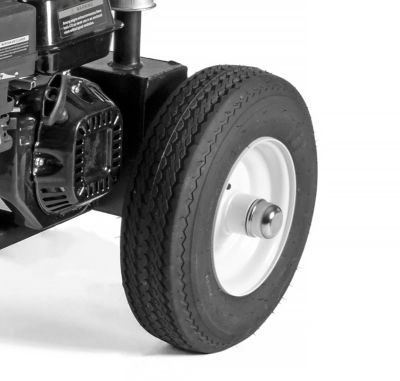
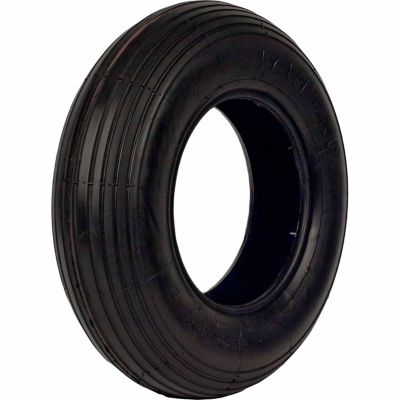
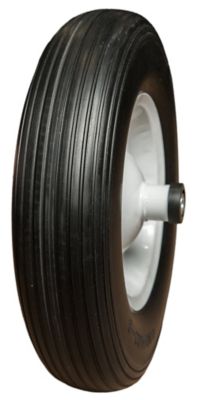
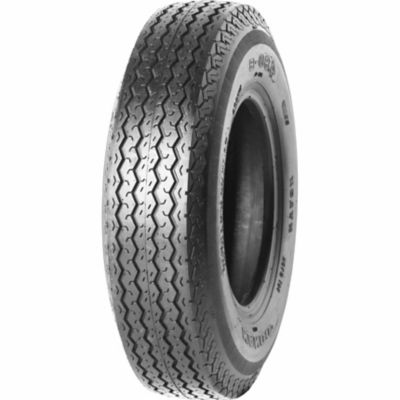
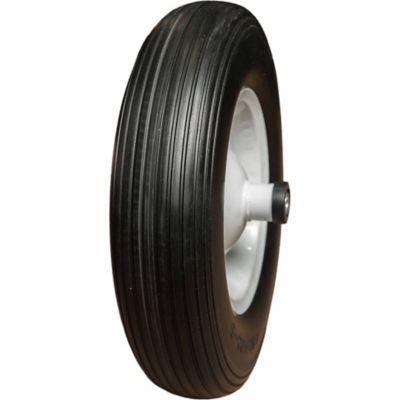
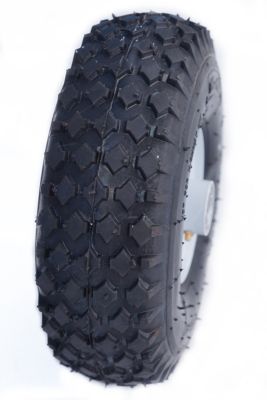
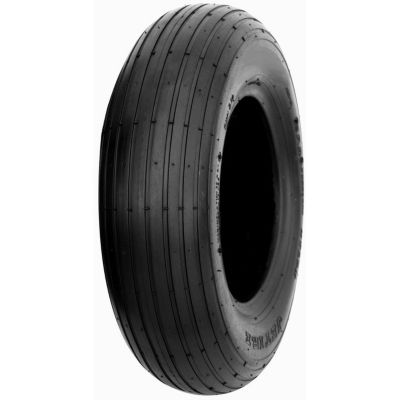
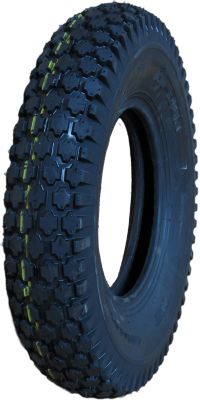
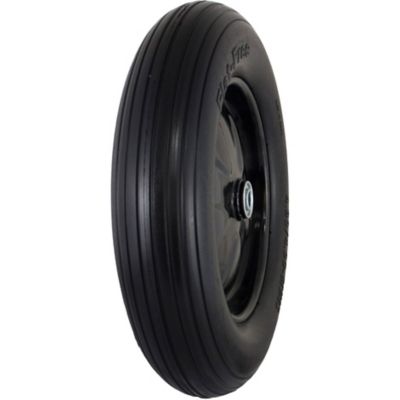
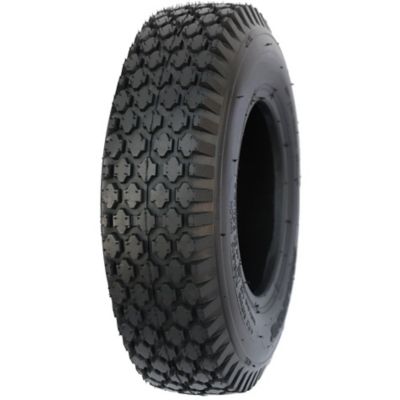
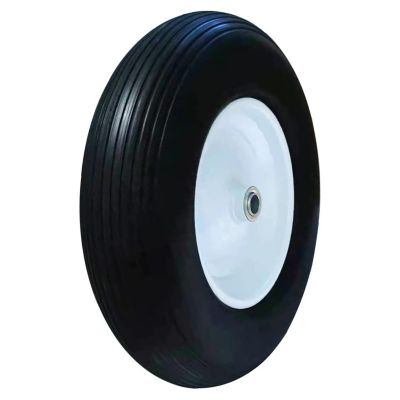
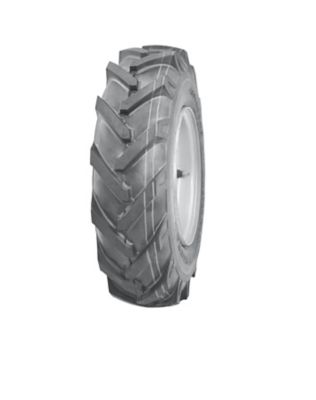
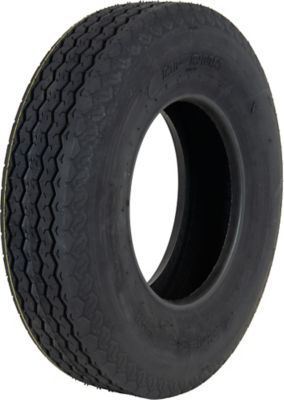
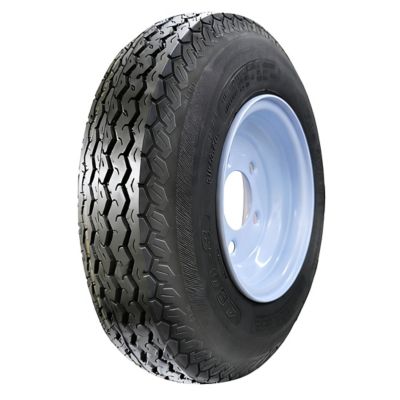
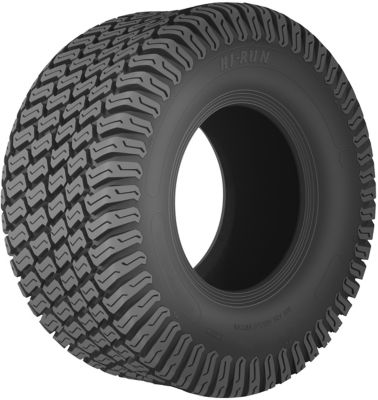
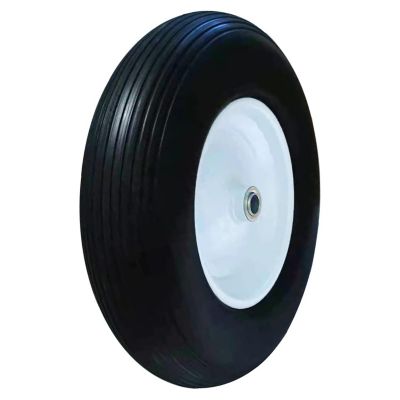
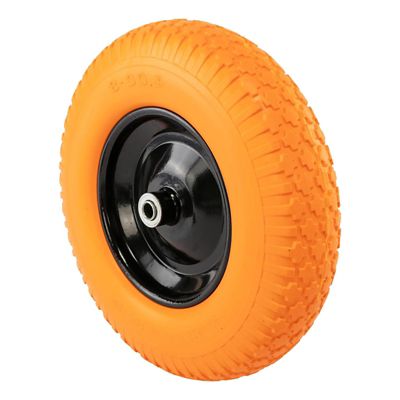
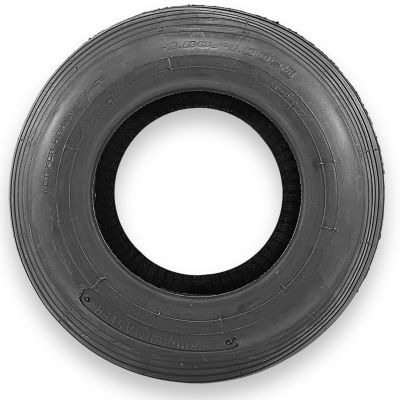
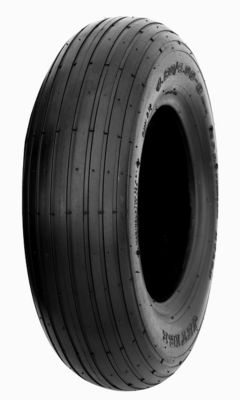
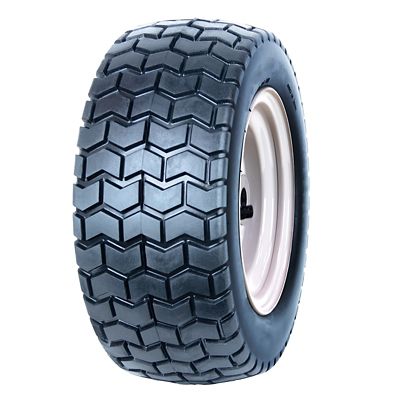
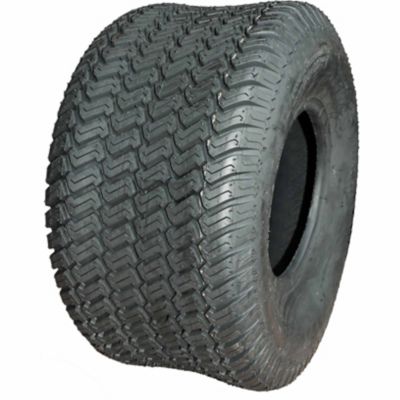
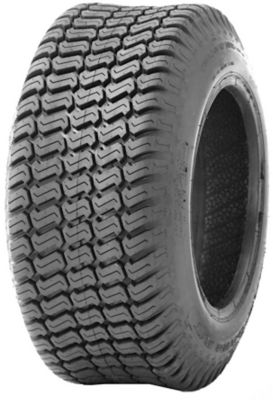
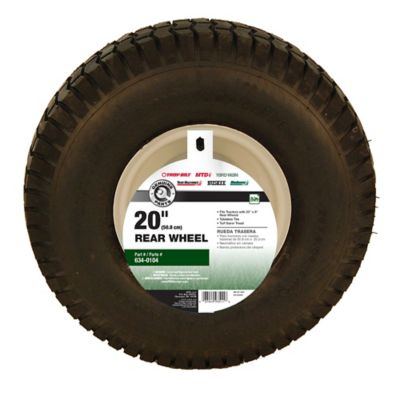
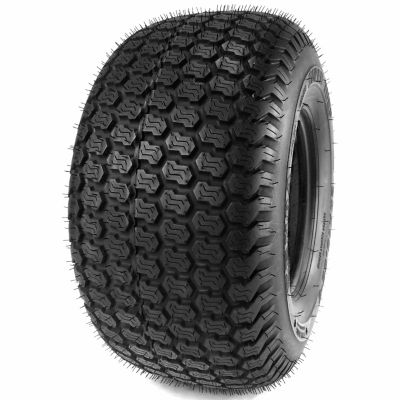
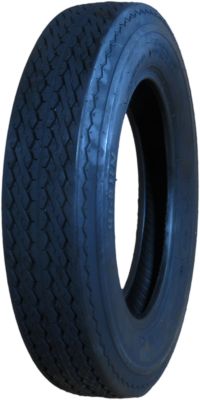
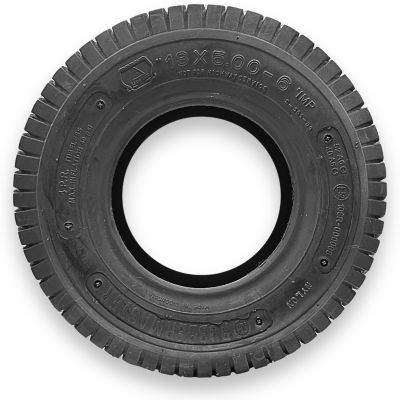
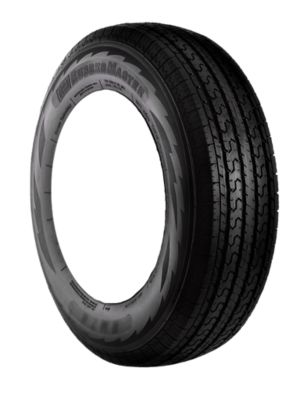
A 4.80-8 tire fits an 8-inch-diameter wheel and has a nominal section width of about 4.80 inches. The 8-inch measurement refers to the wheel’s bead-seat diameter, not the tire’s overall height, and actual tire dimensions depend on the design and approved rim width. This compact size is common on small utility trailers and boat trailers, with certain applications on yard equipment when the equipment manufacturer specifies it. For a homeowner hauling a mower, an angler towing a small boat, or a landowner pulling supplies around the property, the right match starts with the equipment’s requirements rather than appearance alone. Two tires that look much alike can carry different loads or have different service limits. Common 4.80-8 trailer tire ratings include Load Range B at 590 pounds per tire and Load Range C at 760 pounds per tire, though the rating and required inflation pressure must be confirmed for the particular tire. Load Range B generally corresponds to a 4-ply rating, while Load Range C generally corresponds to a 6-ply rating. When comparing
4 Ply Tires, keep in mind that a ply rating describes a strength classification, not necessarily the number of physical layers inside the casing. The load on the trailer’s axle matters more than a rough guess about what is sitting in the bed. A mower, fuel cans, loading ramps, and tied-down tools all contribute to the load, along with the trailer itself. Tire capacity must suit that loaded axle weight without exceeding the limits of the wheels, axle, hubs, or trailer. A higher load range does not increase the trailer’s rated carrying capacity. For road travel, the tire also needs an appropriate highway service designation and speed rating; a tire intended only for a garden cart or other off-road equipment is not a substitute. Those details help separate a suitable trailer replacement from a tire that merely fits over the same wheel.
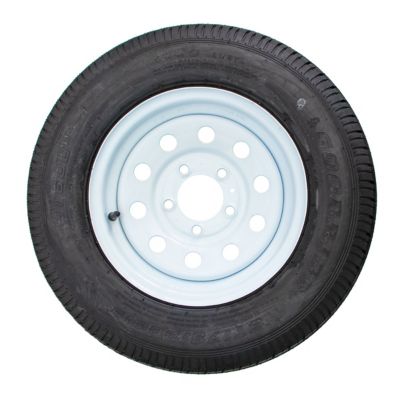
The choice between a replacement tire and a complete tire-and-wheel assembly comes down to the condition and fit of the existing wheel. A tire-only replacement may make sense when the wheel is straight, free of serious corrosion, and approved for the tire’s bead diameter and rim-width range. An assembly brings the tire and wheel together, but the wheel still has to match the trailer hub. Four-lug and five-lug configurations are common in this size category, and counting the lug holes is only part of checking fit. Bolt-circle diameter, center bore, wheel offset, lug-seat style, and wheel load rating all matter. A wheel with the wrong offset can place the tire too close to the frame or fender, while the wrong center opening or lug-seat shape can prevent proper mounting. Overall tire diameter and width also need enough clearance for suspension movement under load. That is worth remembering on a small utility trailer with close-fitting fenders or a boat trailer with little room beside the hull supports. Bias-ply construction is common among 4.80-8 tires, with reinforcing cords running diagonally through the casing. The rubber tread, sidewall design, and internal reinforcement work together to support the intended load and service conditions. Tread patterns vary, so the tire should suit the equipment and travel surface rather than simply resemble the old tread. Trailer service places different demands on a tire than powered lawn equipment does, especially when the trailer spends time on the road. If the existing setup is tubeless, both the tire and wheel must support that arrangement, and the valve stem needs a pressure rating that meets the application. Tube-type equipment calls for a compatible tire, tube, and wheel combination. Mounting is best handled with suitable equipment and training, particularly when an older wheel has rust around the bead seat or an uncertain repair history.
Good tire care helps keep a small trailer ready for the feed-store run, a trip to the boat ramp, or a load of fencing supplies headed across the property. Air pressure deserves regular attention because a compact tire can look fairly normal while carrying too little air for its load. Check pressure with a gauge before travel, when the tire has not warmed from driving, and follow the inflation guidance for the tire and trailer without exceeding any component’s rating. The maximum pressure molded on a sidewall is not a reason to guess at the correct operating pressure, and adding air does not make an overloaded trailer safe. A quick walk around also gives a chance to spot cracks, bulges, exposed cords, punctures, or tread wearing more heavily along one edge. Uneven wear can point beyond the tire to alignment, bearing, suspension, or loading problems. A trailer that sits for long stretches still needs attention; tread depth alone does not tell the whole story of a tire’s condition. Check its manufacturing date and follow the tire maker’s age and inspection recommendations. Keeping tires away from fuel spills, solvents, and equipment that produces ozone can help protect the rubber during storage. On boat trailers, rinsing road grime and launch-water residue from the wheels, then checking for corrosion, is a sensible part of routine care. Wheel bearings, seals, and lug hardware deserve attention too, since a sound tire cannot make up for a loose wheel or failing hub. Follow the trailer or wheel manufacturer’s lug-tightening specifications and recheck schedule after wheel installation. A spare earns its place only when its tire rating, wheel fit, and inflation match the trailer’s needs, and the jack and lug wrench must suit the loaded equipment. Whether the job is hauling brush from a fence line or carrying a small boat down the road, a properly matched 4.80-8 tire supports the work without asking a small wheel assembly to do more than it was built to handle.