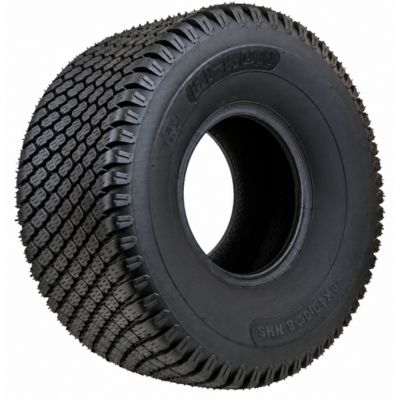
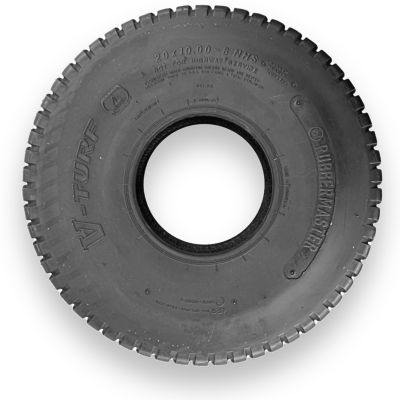
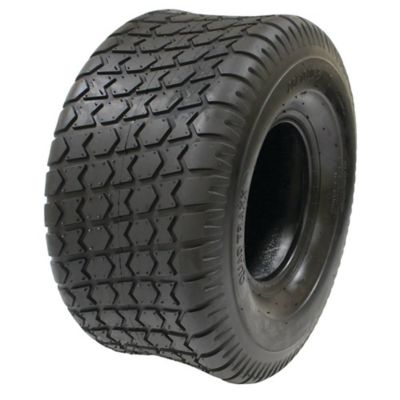
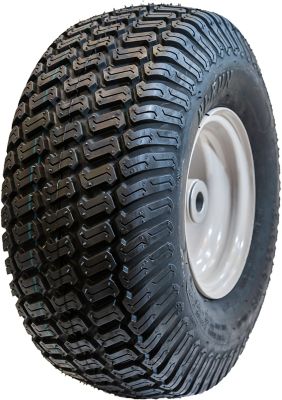
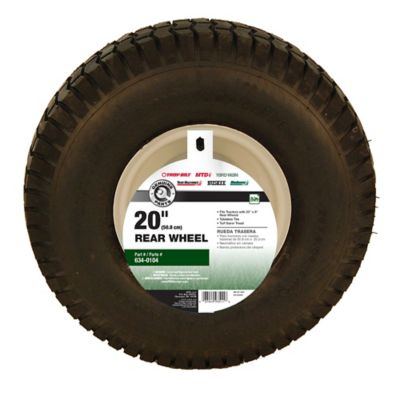
20x10.00-8 tires are a common size for rear wheels on riding lawn mowers, garden tractors, and some zero-turn mowers. In this size marking, 20 represents the nominal overall tire diameter in inches, 10.00 represents the nominal tire width, and 8 identifies the wheel diameter in inches. That combination provides a broad footprint for equipment working around lawns, acreage, and farmyards, though the equipment manufacturer’s specifications determine whether it fits a particular machine. The same size may also appear as 20x10-8, but matching the numbers is only part of finding the right replacement. Tire construction, approved rim width, load capacity, and clearance around the mower deck, fenders, and frame all matter. Actual mounted dimensions can vary slightly with tire design, wheel width, and inflation pressure, so a replacement should meet the machine’s requirements rather than simply look close to the old tire. For a mower that travels between a tidy front lawn and a stretch of grass beside the barn, the right fit helps keep the machine working as intended without rubbing nearby components. Tire-only replacements and complete wheel assemblies also involve different fit considerations. A tire must suit the existing rim; an assembly must additionally match details such as the axle or hub connection, bolt pattern where applicable, and wheel offset. Similar-looking equipment does not necessarily share those measurements. Equipment calling for a
4.80 8 Tire has a different size requirement; that designation is not interchangeable with 20x10.00-8 just because both specify an 8-inch wheel diameter. For homeowners keeping a riding mower going, acreage owners maintaining long stretches of grass, or crews caring for larger grounds, matching the original specifications helps narrow the choices to tires suited to the job.
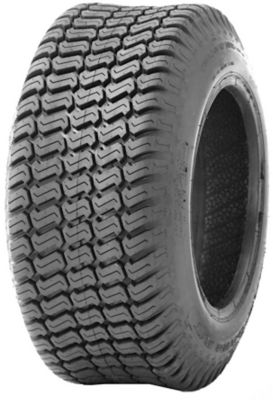
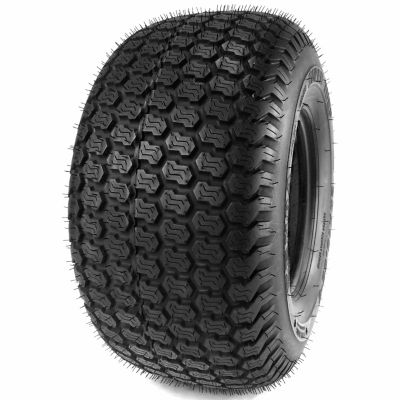
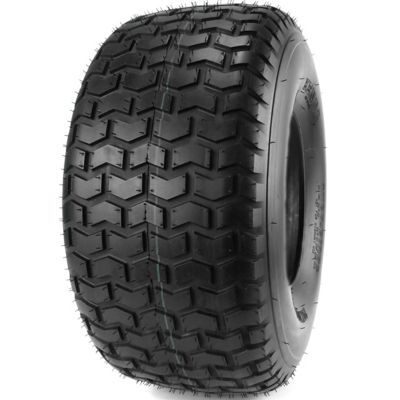
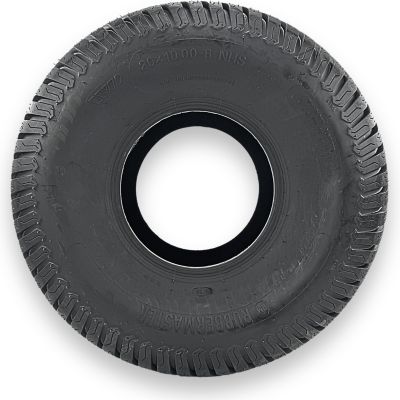
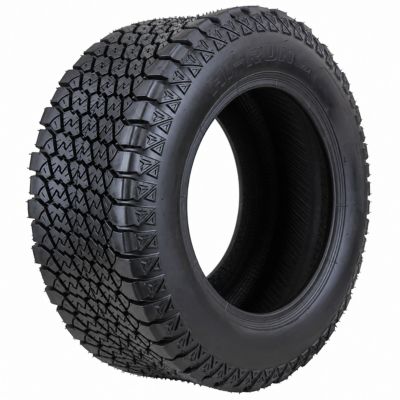
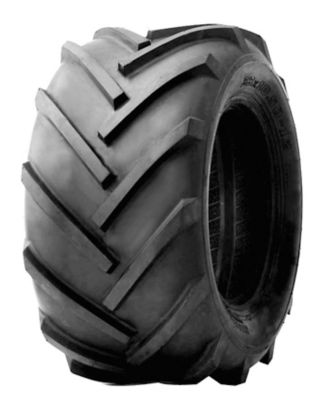
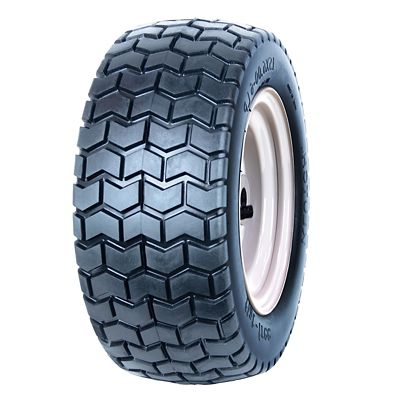
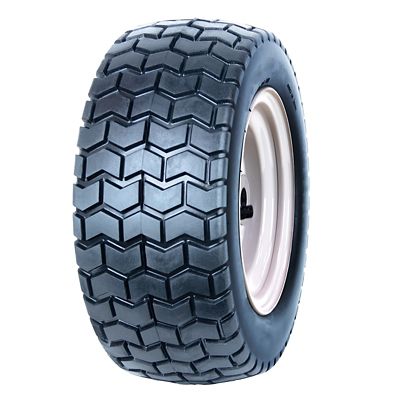
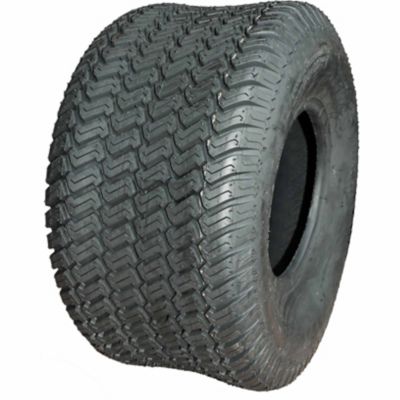
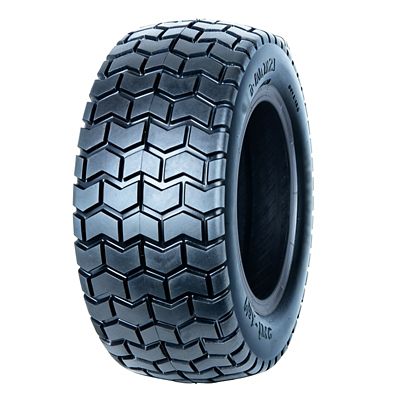
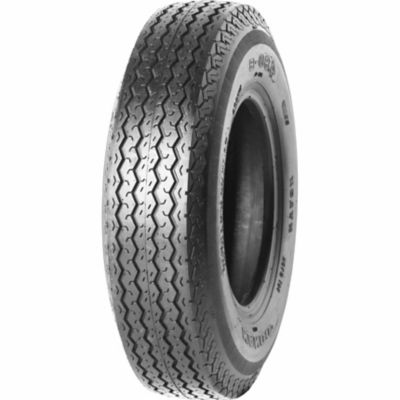
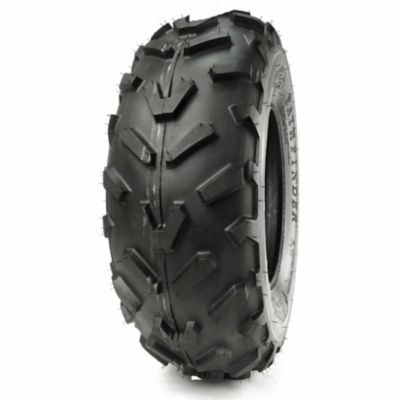
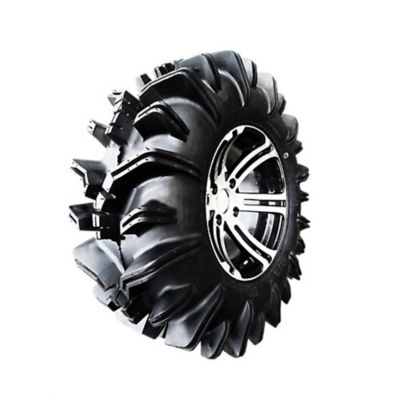
Tread design makes a noticeable difference in how 20x10.00-8 tires behave across a property. Turf-style patterns generally balance grip with a less aggressive contact surface, making them a common choice for mowing lawns where preserving the grass matters. Their closely spaced tread blocks spread contact across the tire’s footprint, although any tire can mark turf during sharp turns, wheel spin, or repeated passes along the same route. More open, deeper tread patterns may suit equipment that needs additional bite on loose ground, provided the machine manufacturer permits that tire style. Those patterns can also disturb grass more readily, so extra traction is not automatically the best match for every mowing job. A machine circling flower beds and fence posts has different demands from one pulling an approved yard cart along an unpaved path. Rubber tread, the supporting carcass, and the reinforced bead each play a part in handling those demands. The tread contacts the ground, the carcass supports the tire’s shape under load, and the bead holds the tire against the rim. Ply ratings and load ranges describe aspects of a tire’s strength and carrying capability; a ply rating does not necessarily state the actual number of fabric layers inside it. Higher ratings do not automatically make a tire the better choice for a lighter mower, either. The useful match is one that meets the equipment’s load and operating requirements while providing the intended ride and traction. Bagging systems, attachments, and other manufacturer-approved equipment can affect the load carried by the tires, making rated capacity worth checking alongside size. Tubeless designs depend on a compatible wheel and sound bead seats to retain air, while tube-type installations require a suitable tube and wheel setup. Neither construction removes the need to check for thorns, sharp gravel, wire, or other hazards along the mowing route.
Keeping 20x10.00-8 tires in working shape starts with the right operating pressure and regular attention to their condition. Pressure affects the footprint, steering response, ride, and how the tire carries the machine’s weight. Too little air can allow excessive sidewall flex and increase the chance of bead trouble, while too much can change ground contact and make the ride harsher. The equipment manufacturer’s pressure recommendation is the starting point, with tire and wheel limits also respected; a maximum figure on a sidewall is not automatically the recommended mowing pressure. Checking pressure before operation with a suitable low-pressure gauge helps catch a slow leak before the mower starts leaning or handling differently. Unequal pressure across a rear pair can also affect how the machine sits and may contribute to an uneven cut, even when the deck itself has not changed. Matching replacement tires according to the manufacturer’s guidance helps maintain the intended rolling dimensions and traction characteristics. Beyond air pressure, tread wear, sidewall cracks, bulges, exposed cords, and damage near the bead deserve attention. A tire can still have tread remaining yet need replacement because its structure has deteriorated. Slow air loss may come from a puncture, valve, bead seal, or wheel problem, so the tire itself is not always the only part needing attention. Clean wheels and properly serviced valves support a sound installation, and professional mounting is a sensible option when equipment or experience is limited. After mowing, clearing away packed grass and debris makes damage easier to spot without harsh cleaning methods that could harm the rubber. When the machine is parked for an extended stretch, clean, dry storage away from direct sunlight, petroleum spills, and ozone-producing equipment helps protect the tires. For a mower making pass after pass beside the driveway or handling the grass around outbuildings, thoughtful tire selection and basic care support steady service and fewer interruptions to the work.