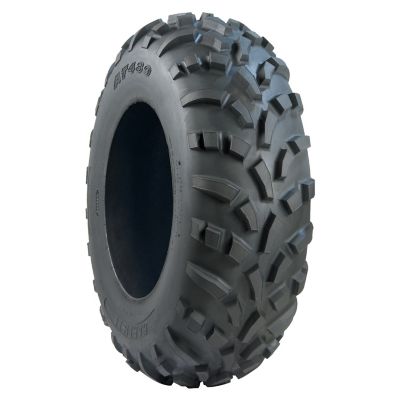
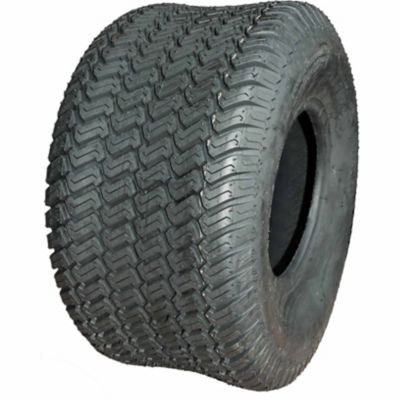
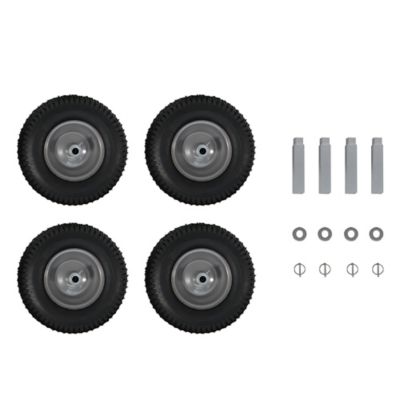
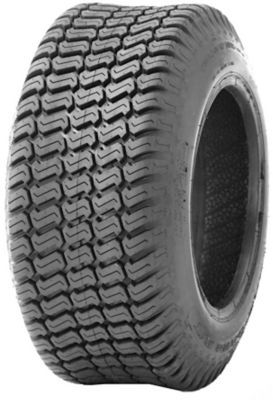
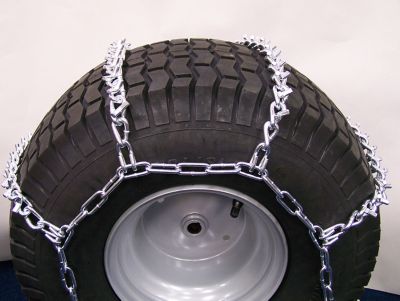
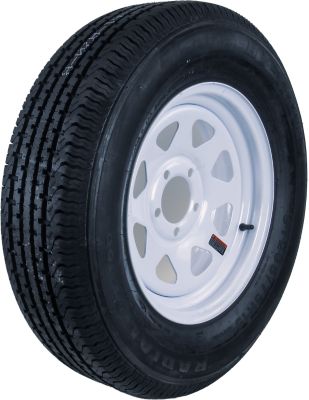
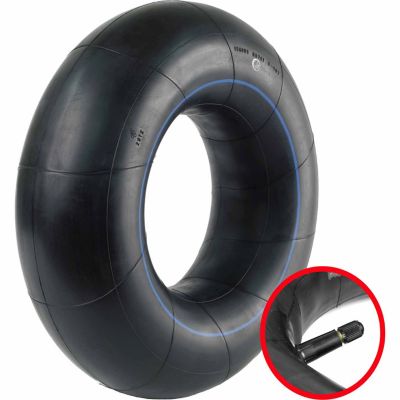
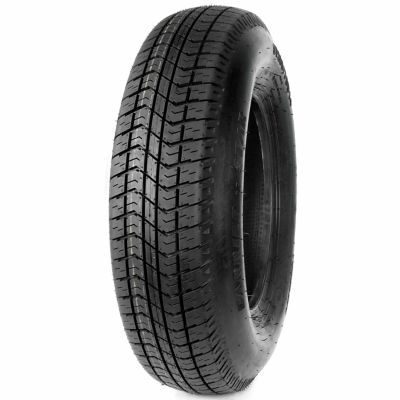
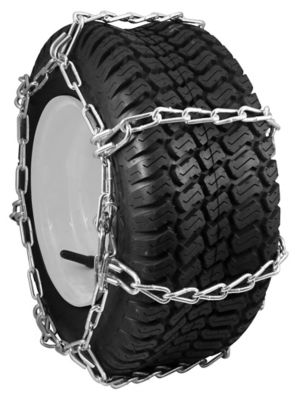
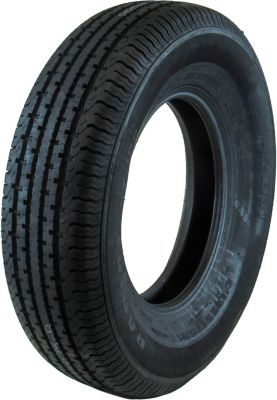
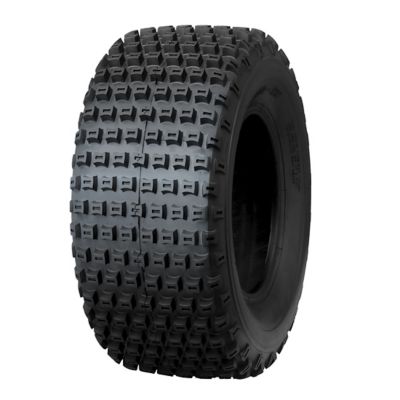
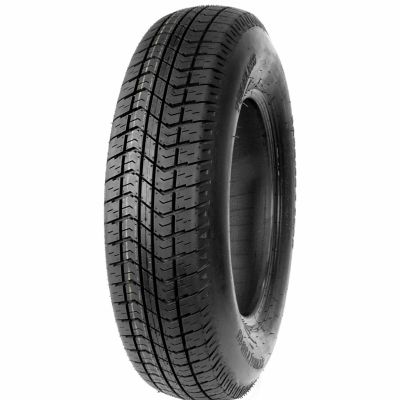
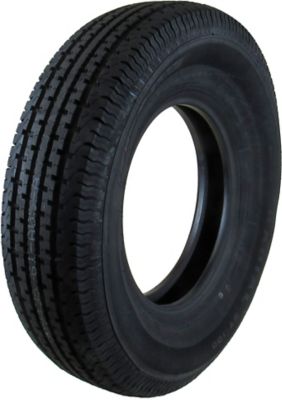
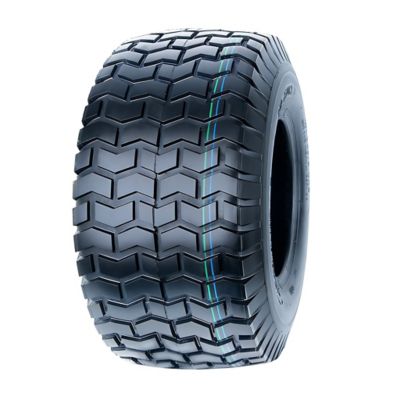
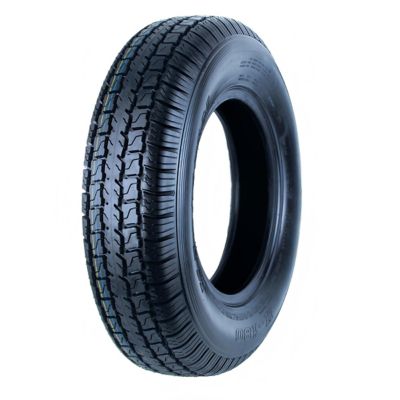
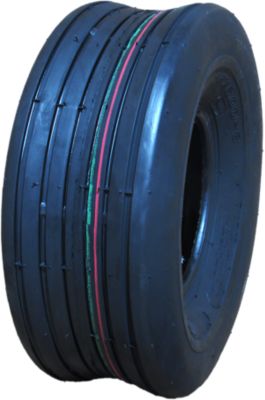
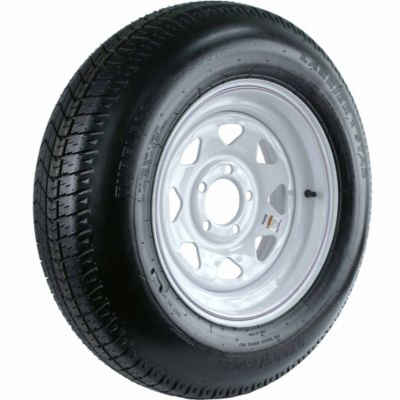
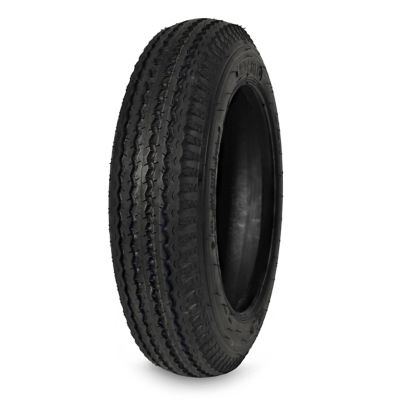
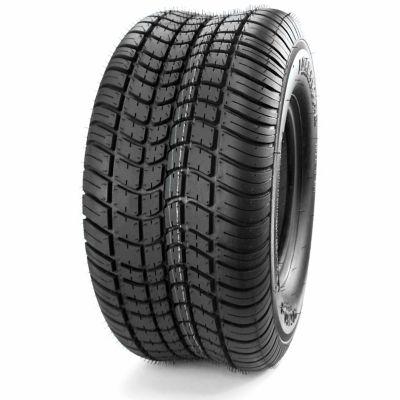
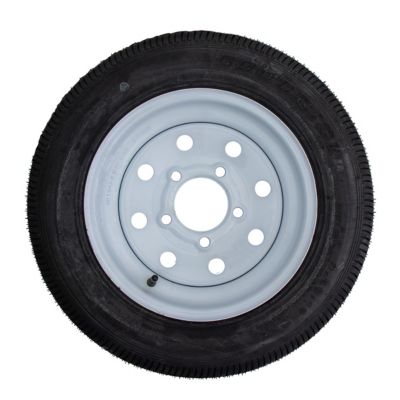
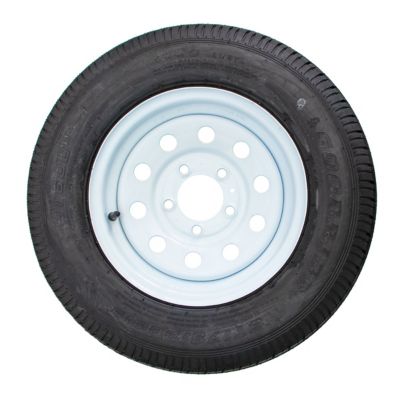
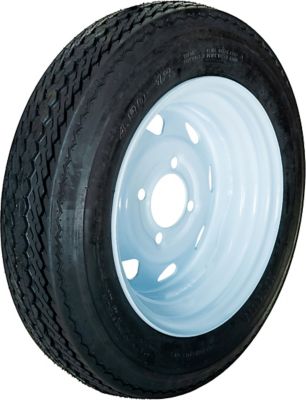
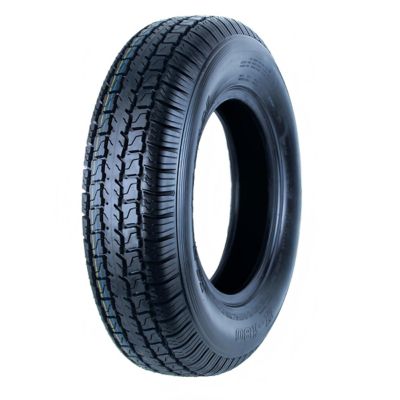
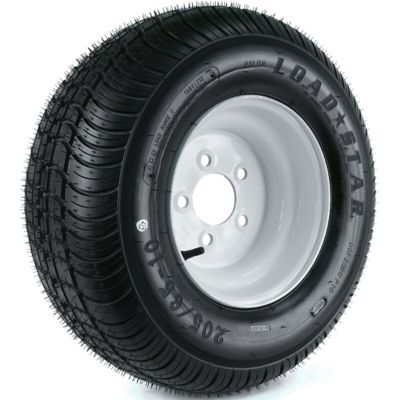
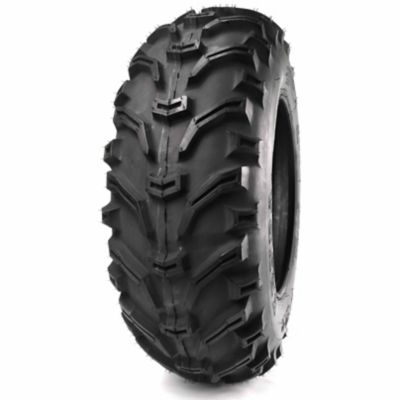
Four wheeler tires help keep an ATV steady, sure-footed and ready for the kind of work and play that happens beyond the pavement. Whether you use your machine to check fence lines, haul feed, reach a back pasture or explore wooded trails, the right tires can make a noticeable difference in how it handles under changing ground conditions. As the weather warms and the trails dry out, many riders spend more time on hard-packed dirt, gravel roads, sandy stretches and open fields. During the cooler months, those same routes may turn slick with rain, leaves, mud or loose soil. A tire that matches the way you ride can help your four wheeler track more confidently, brake with better control and put its power to the ground without unnecessary spinning. Start by checking the size marked on the sidewall of your existing tires or in the ATV owner’s manual, including the front and rear measurements. Four wheeler tires are not always the same size from end to end, and using an incorrect fit can affect clearance, steering and drivetrain performance. It is also helpful to consider the tire’s construction, load rating and tread depth, especially if your machine carries a rider, tools, hunting gear or a small trailer. A sturdy tire may be a smart choice for rocky property and regular hauling, while a lighter setup can suit casual trail riding and general yard use. For families with more than one machine, replacement tires can also be a practical gift for a farmer, outdoors enthusiast, ranch hand or weekend rider who puts plenty of miles on a four wheeler. New rubber is not flashy, but it is the sort of useful gift that can make a ride safer and help keep a trusted machine earning its keep.
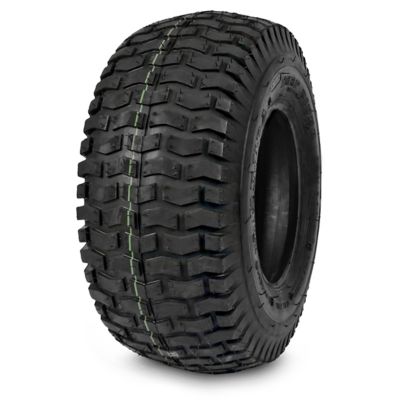
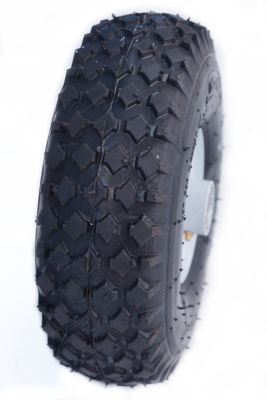
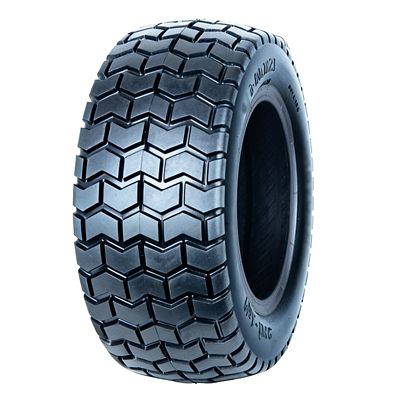
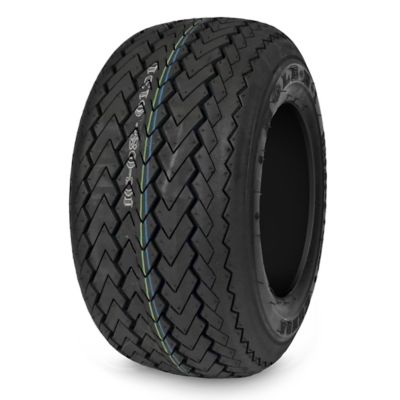
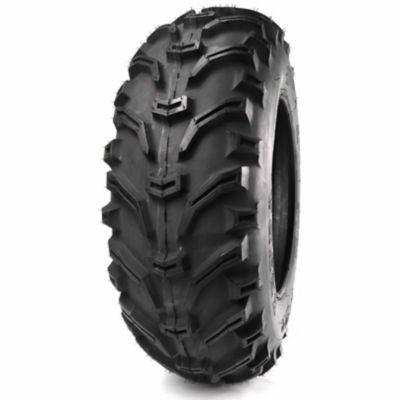
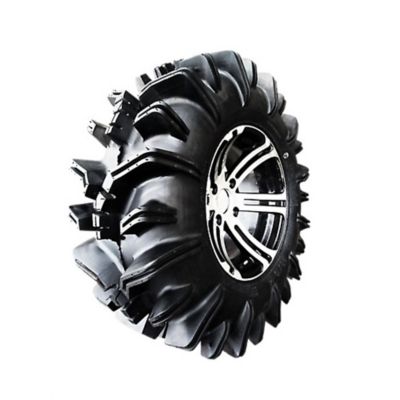
Tread pattern is one of the biggest differences to pay attention to when comparing four wheeler tires. Treads with widely spaced lugs can help clear mud and loose dirt as the tire turns, making them useful for wet trails, creek crossings and soft ground. A more closely arranged tread may offer a smoother feel on packed paths, gravel and mixed surfaces, while deeper, more aggressive lugs can provide added bite when climbing rutted hills or crossing rough pasture. There is no single tread that works perfectly for every property, so think about the ground you see most often rather than the most challenging stretch you might encounter once in a while. A tire designed for mud may feel different on pavement, and frequent road travel can wear down aggressive tread more quickly. Riders who move between the driveway, gravel lanes and trails may want a versatile pattern that balances traction with predictable handling. Pay attention to whether the tires are intended for front, rear or either position, and check the recommended wheel size before ordering. Clearance matters, too. A taller or wider tire can change ground clearance, turning space and the load placed on steering and suspension parts. Before installation, look over the wheels for bends, rust or damaged valve stems, and make sure the mounting surface is clean. Once the tires are installed, inflate them to the pressure listed by the ATV manufacturer rather than relying on the maximum pressure printed on the sidewall. Proper pressure can support handling, traction and even wear; too much air may reduce the tire’s contact with the ground, while too little can make steering feel heavy and leave the sidewalls vulnerable to damage. If your riding includes long stretches of rough ground, stop occasionally to check for cuts, punctures and packed mud around the tread.
A little routine care goes a long way when four wheeler tires are used around the farm, hunting property or back forty. Before heading out, walk around the machine and look for low spots, missing lugs, cracks or objects caught in the tread. After a muddy ride, rinse away soil and let the tires dry so small cuts are easier to spot. Gravel, brush and hidden rocks can be hard on sidewalls, so slow down in areas where the trail narrows or the ground is covered with debris. Keep an eye on wear across the tread. Wear in the center can point to overinflation, while wear along the shoulders may signal low pressure; uneven wear can also be a sign that the machine needs attention beyond the tires. Store a four wheeler out of direct sunlight when possible, and avoid leaving it parked for long periods on sharp gravel or in standing water. If the machine sits through a stretch of colder weather, check the pressure before putting it back to work, since temperature changes can affect inflation. Riders who use a four wheeler for hunting, property checks or seasonal chores may appreciate a tire choice that delivers dependable traction without making every trip feel rough and tiring. Those who enjoy exploring can pair their ATV setup with equipment suited to the route, including
Dirt Bike Tires for compatible off-road riding needs. Taking a few minutes to match the tire to the terrain, confirm the fit and keep up with inspections helps protect the investment in your machine and keeps more rides focused on the trail ahead, whether you are easing along a fence row at first light, crossing a pasture after a rain or following a familiar path through the trees.