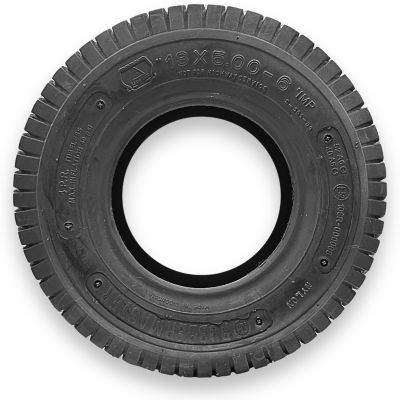
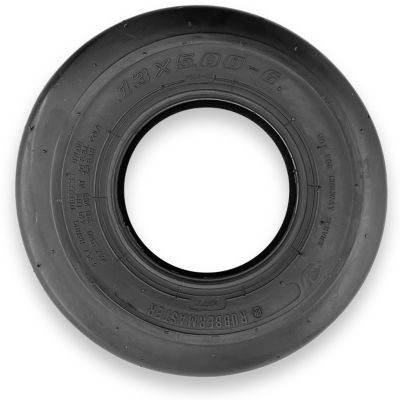
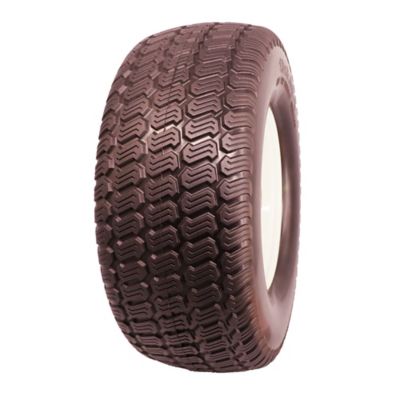
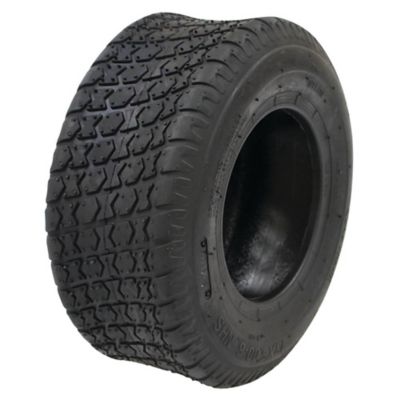
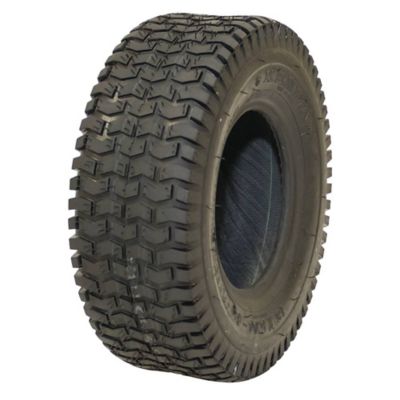
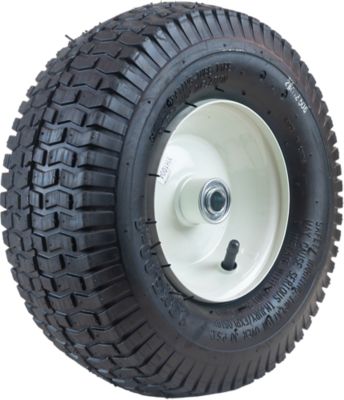
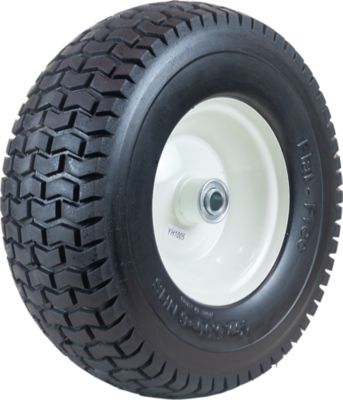
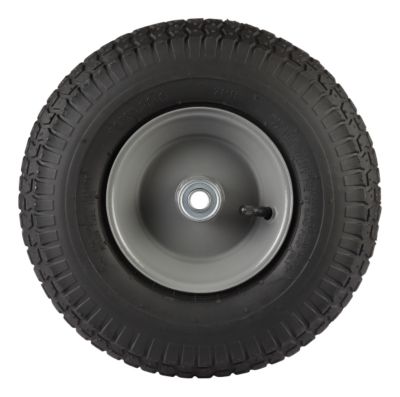
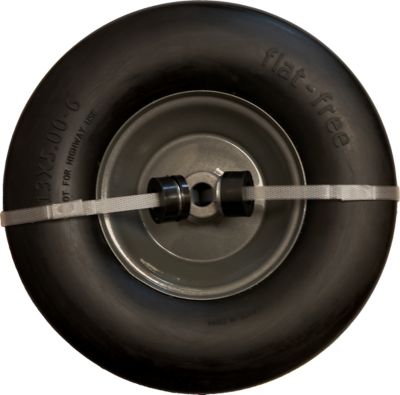
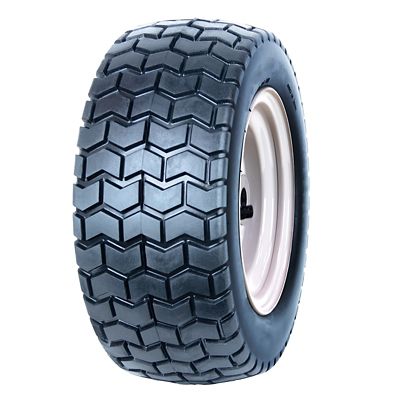
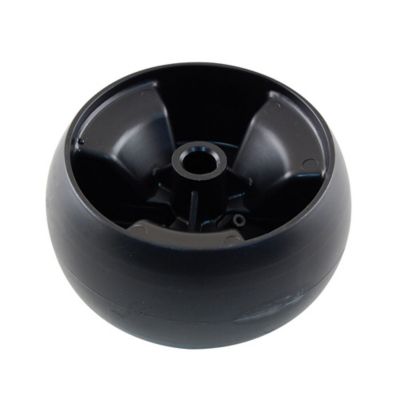
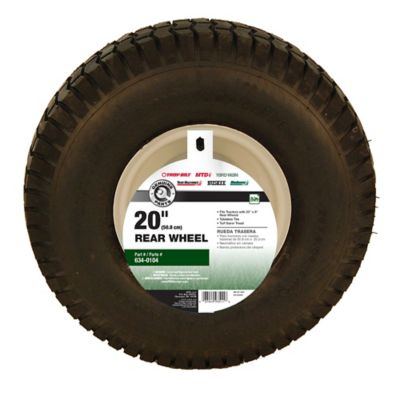
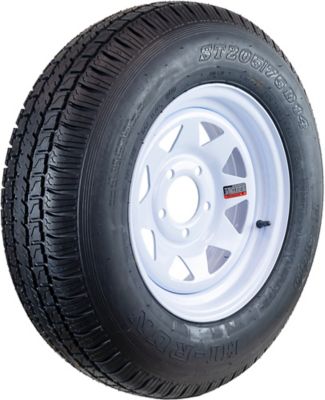
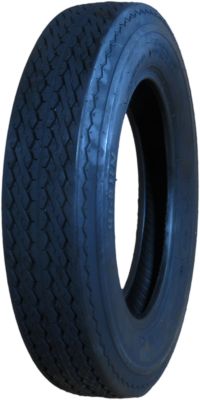
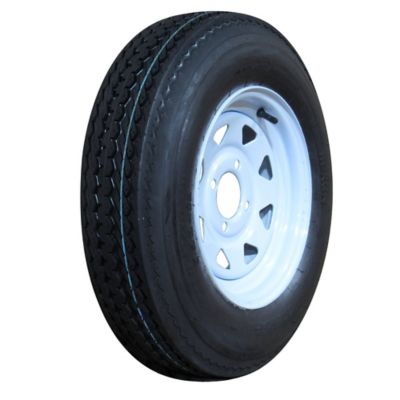
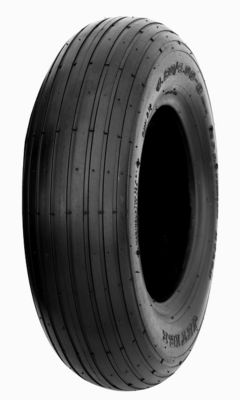
A mower that tracks straight along a fence line or rolls neatly around a garden bed depends on tires that fit the machine and suit the ground beneath it. The 13x5.00-6 tire size appears on some riding mower front wheels and other small lawn and grounds equipment, where a compact tire helps support the machine without taking up much space. In this sizing format, 13 refers to the approximate overall tire diameter in inches, 5.00 describes the nominal tire width, and 6 identifies the wheel rim diameter. Those numbers are a starting point, not a promise that every tire with the same marking will fit every machine. Actual dimensions can vary with tire design, rim width, and inflation, so the equipment manual and the existing tire’s sidewall markings are worth checking together. Clearance matters around steering arms, mower decks, fenders, and axle hardware, especially when a front wheel turns all the way to either side. A tire that looks close enough sitting beside the mower may still crowd nearby parts once mounted. Tire-only replacements and complete wheel-and-tire assemblies also involve different fit checks. A replacement tire needs a compatible rim, while an assembly must also match details such as axle bore, hub length, bearing style, and wheel offset. That distinction matters when a mower has a sound wheel but worn tread, or when damage involves the wheel as well as the rubber. Depending on the equipment manufacturer’s requirements, this size may also suit certain utility carts or other small machines around a property. The intended wheel position, load, and operating speed still need to match the tire’s ratings. For someone keeping a home place tidy, tending a small acreage, or maintaining grounds around outbuildings, the right fit means less fuss at the steering wheel and fewer interruptions between one stretch of work and the next.
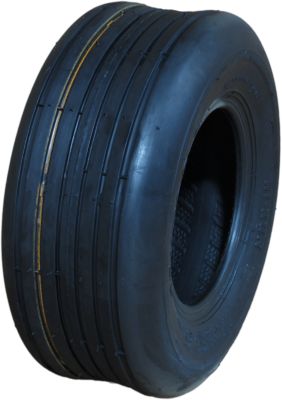
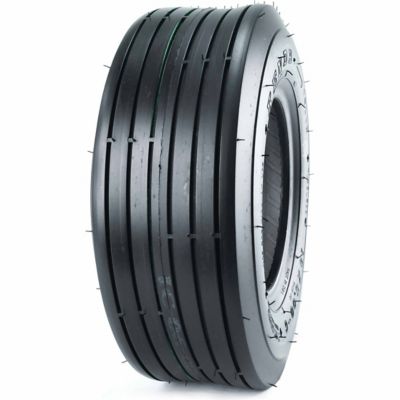
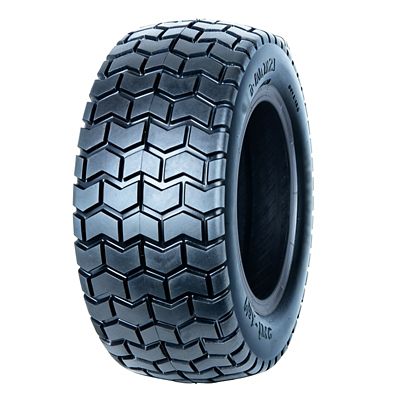
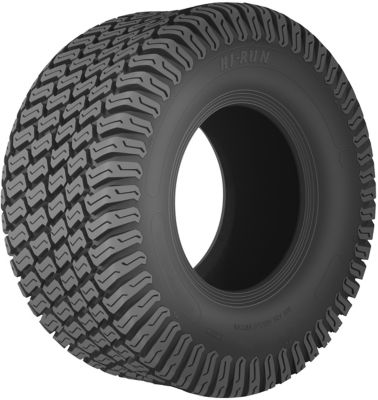
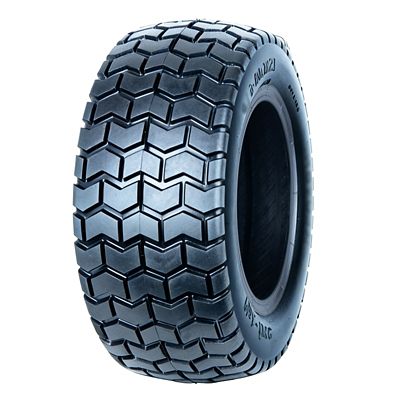
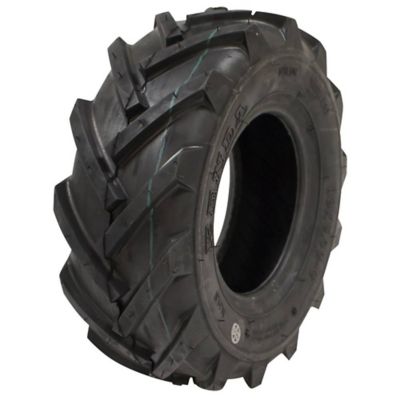
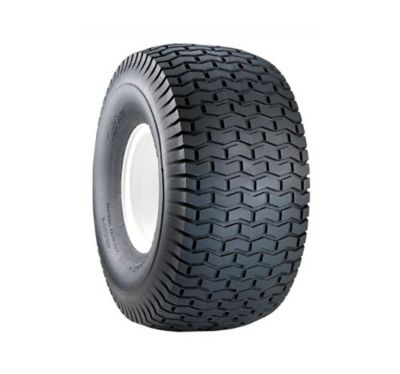
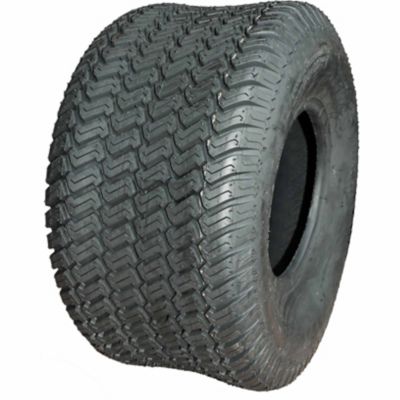
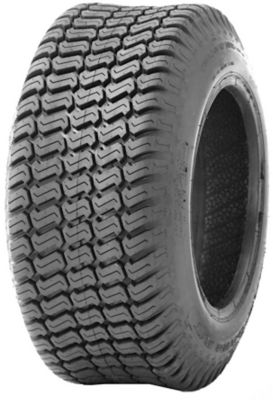
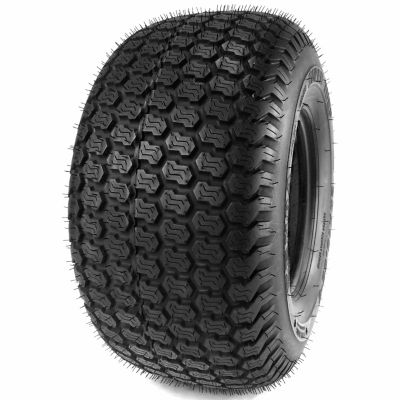
Tread pattern helps determine how 13x5.00-6 tires behave once the equipment leaves the shed. Turf-style tread generally spreads contact across a broad surface and aims to limit marks on established grass when paired with sensible driving habits. That can matter around a well-kept lawn, beside a gravel driveway, or near a gate where the mower makes the same turn every trip. Ribbed patterns can suit certain steering applications, while more open tread designs may offer a different balance of bite and ground disturbance. A more aggressive pattern is not automatically better; on a non-driven front wheel, steering response and protection for the lawn may matter more than digging into loose ground. Tight turns, sudden stops, and repeated passes over the same spot can still scuff grass regardless of tread design. Rubber compounds, reinforced casings, and sidewall construction all play a part in how a tire handles flexing, wear, and everyday contact with the ground. Ply ratings describe a tire’s strength category rather than necessarily stating the number of physical fabric layers inside it. Load capacity also depends on the tire’s stated operating conditions, including inflation and speed. A bagging attachment, mounted equipment, or cargo can change how weight is distributed, so a replacement needs to suit the machine as it actually operates, not just how it sits empty. Pneumatic tires provide cushioning, but their feel and load support depend on proper inflation. Too little air can allow excessive sidewall flex, while too much can change the contact patch and make the ride harsher. The equipment manufacturer’s operating pressure recommendations take priority, within the tire and wheel limits; the maximum pressure molded into a sidewall is not automatically the correct working pressure. Tubeless construction also calls for a compatible wheel with sound bead seats and an airtight valve. Where a tube is appropriate, its size, valve configuration, and compatibility with the tire and rim matter just as much as the tire size itself.
Routine care can help a set of small equipment tires stay ready for the next job. A quick look before mowing can catch a low tire, a fresh cut, a bent valve stem, or a thorn lodged between tread blocks before it turns a simple chore into a repair. Inflation is best checked before operation, using a gauge suited to the pressure range the equipment requires. A tire that repeatedly loses air deserves attention rather than another quick top-off; the trouble could be at the valve, the bead, the wheel, or the tire casing. Uneven wear may point beyond the tread itself to a wheel bearing, steering component, alignment concern, or an inflation mismatch from side to side. On a mower, that mismatch can also affect how the machine sits and may interfere with an even cut. Sidewall cracking, bulges, exposed reinforcement, or damage near the bead call for a closer assessment, even when plenty of tread remains. Embedded wire and sharp debris around fence repairs, scrap piles, or shop entrances are good reasons to keep travel paths clear. Cleaning away packed dirt makes damage easier to spot, and keeping tires away from petroleum spills and harsh solvents helps protect the rubber. For equipment that sits between jobs, following the manufacturer’s storage recommendations can reduce needless stress on the tires and wheels. Mounting also deserves care: small wheel assemblies can be stubborn, and forcing a bead onto the wrong rim can damage parts or cause injury. Tire service equipment and a trained technician are worthwhile when the job falls outside familiar maintenance work. Other machines around the property may call for a
4.80 8 Tire, which has a different size designation and an 8-inch rim requirement rather than a 6-inch one. Similar-looking small equipment tires are not interchangeable on appearance alone. Matching the full size, construction, load rating, tread purpose, and wheel specifications keeps the choice grounded in the work ahead, whether that means steering around orchard trees, trimming along the barn, or making another steady pass across the lawn.