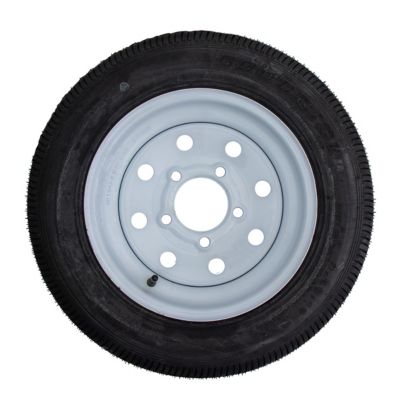
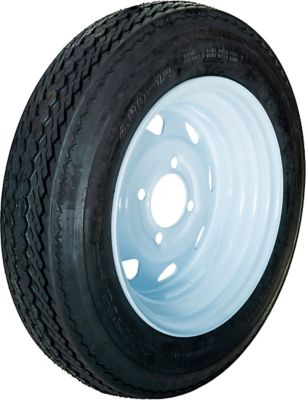
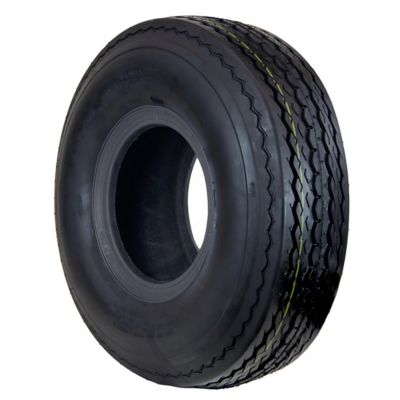
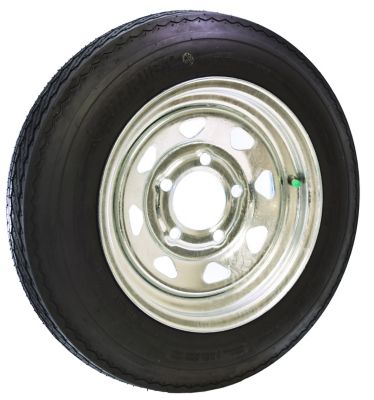
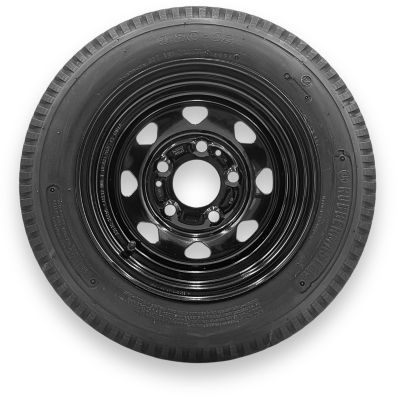
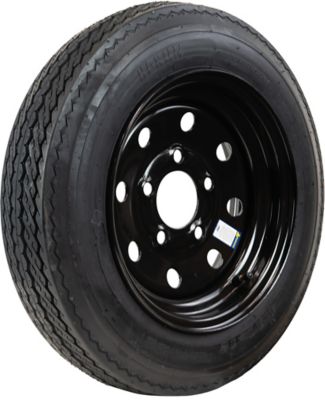
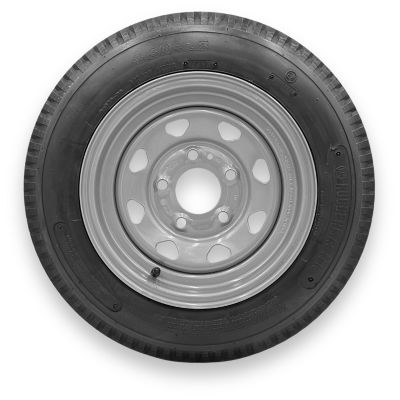
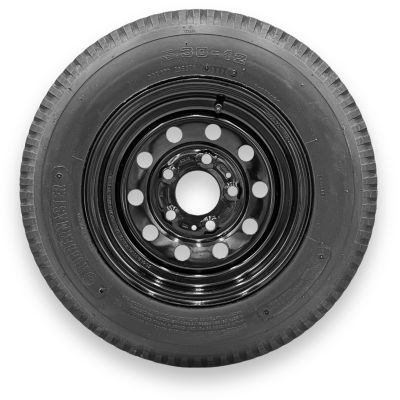
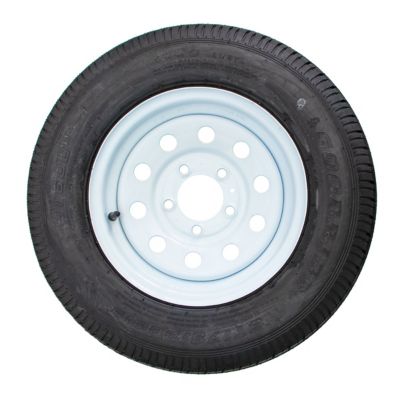
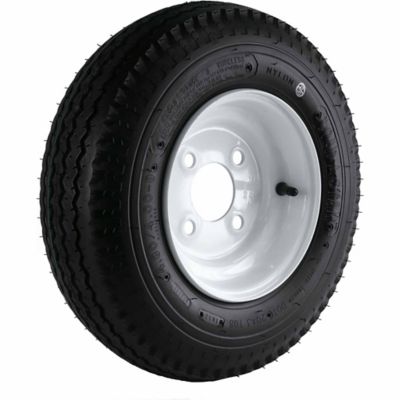
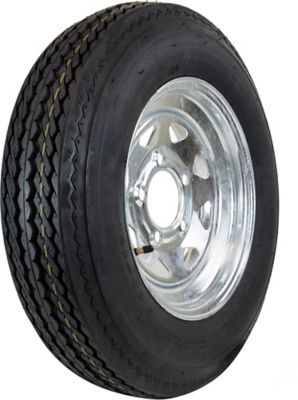
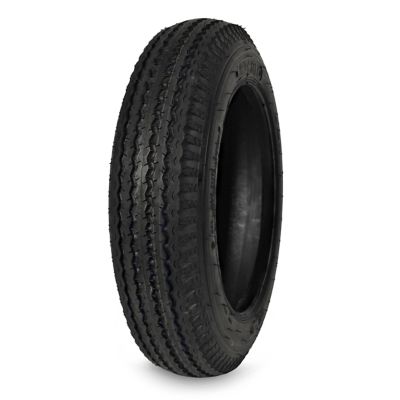
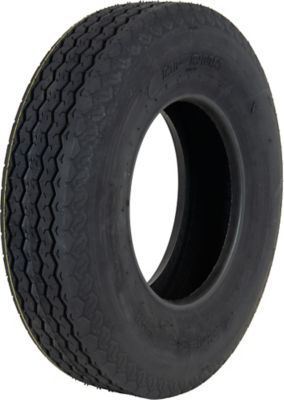
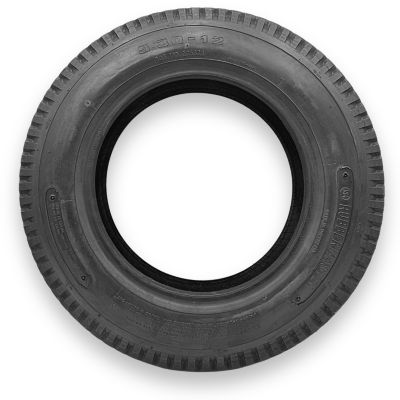
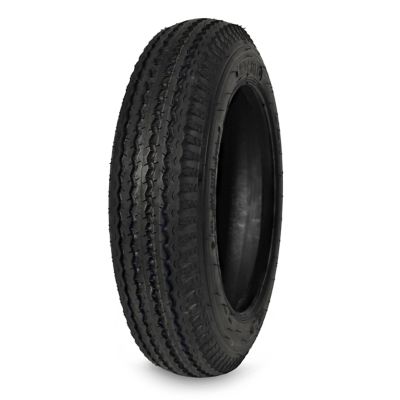
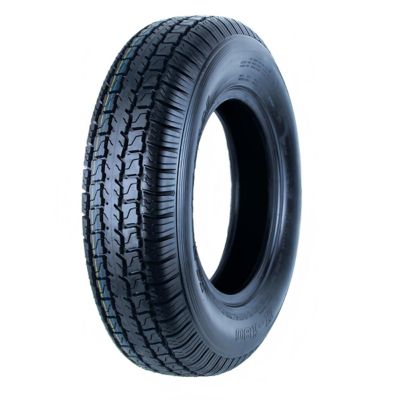
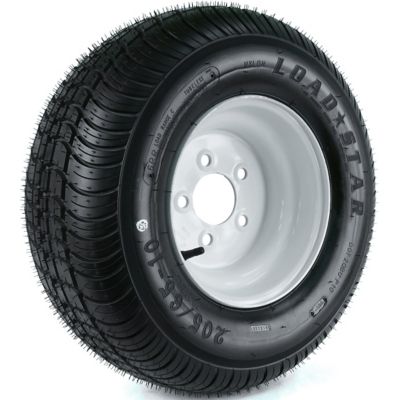
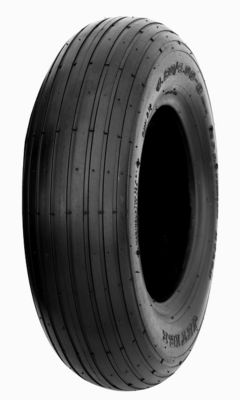
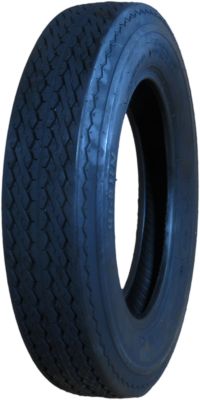
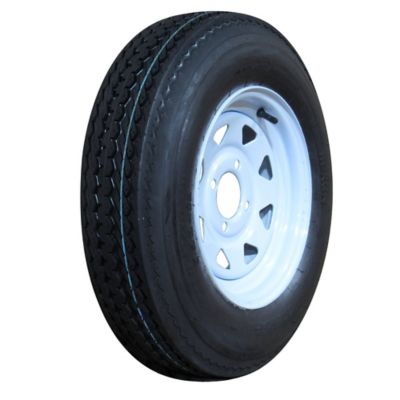
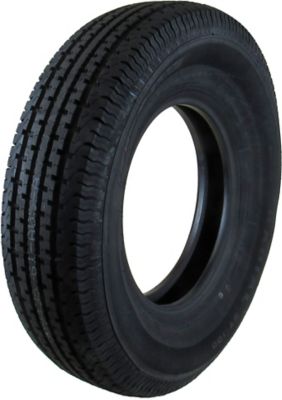
A 4.80-12 trailer tire is a compact tire size commonly found on small utility trailers, boat trailers, and some lightweight campers. The size marking generally describes a nominal tire width of 4.80 inches and a wheel diameter of 12 inches; it does not describe the tire’s overall outside diameter. That distinction matters when matching a replacement to a trailer that carries a riding mower, bags of feed, fishing gear, or supplies for a fence repair. A tire that looks close in size still needs to match the trailer manufacturer’s requirements for load capacity, wheel fit, and clearance. The same size marking can appear on tires with different load ranges, tread designs, and speed ratings, so size alone does not tell the whole story. These tires may come as tire-only replacements or as tire-and-wheel assemblies. A tire-only replacement makes sense when the existing wheel is sound and properly matched, while an assembly includes the tire already mounted on a wheel. Neither option changes the need to check the specifications. For an assembly, lug count is just the starting point: bolt-circle diameter, center bore, wheel offset, wheel capacity, and the required lug-nut seat must also suit the hub. A four-lug wheel and a five-lug wheel are not interchangeable, and matching the number of holes alone does not establish fit. Wheel width also needs to fall within the tire manufacturer’s approved range. Around the tire, there should be adequate space at the fender, frame, and suspension throughout the trailer’s normal movement. For a small trailer that spends its working life between the barn, the boat ramp, and the road into town, getting those details right helps keep a simple replacement from turning into a fit problem. Any alternate size needs approval for the trailer and wheel, even when its dimensions appear close to the original.
Load range is one of the most important differences among 4.80-12 trailer tires. Load Range B commonly carries a four-ply rating, while Load Range C commonly carries a six-ply rating. Those ratings describe a strength classification, not necessarily the actual number of reinforcing layers inside the tire. Some Load Range B tires in this size list a maximum capacity of 785 pounds per tire, while some Load Range C tires list 990 pounds per tire at 90 psi. Those are examples rather than universal specifications; the sidewall and manufacturer’s documentation establish the capacity and pressure requirements for each tire. A higher load range does not raise the trailer’s rated hauling capacity, and adding together the tire ratings does not establish a safe payload. The trailer frame, axle, hubs, wheels, coupler, and other components each have limits, and the trailer’s own weight also counts toward its gross weight. Uneven loading can put more weight on one tire than the other, which matters when a mower sits off-center or supplies are stacked along one side. Inflation pressure is part of that load-carrying system. The correct cold inflation pressure comes from the trailer and tire manufacturer’s guidance, with the wheel’s pressure limit also taken into account. Cold means before towing, rather than after the tires have warmed from travel. Construction and service markings deserve the same attention. Many tires in this size have bias-ply construction, with reinforcing cords arranged diagonally beneath the rubber tread. A trailer-service tire is built for the demands of a free-rolling trailer axle; a similarly sized tire intended for another application is not automatically a suitable substitute. Tread grooves, rubber compounds, and casing construction vary, making the listed specifications more useful than appearance alone. Speed ratings vary as well. An L speed rating indicates a maximum rated speed of 75 mph under the manufacturer’s stated conditions, not a recommended towing speed. Road conditions, posted limits, the tow vehicle, and the trailer’s handling may all call for a lower speed.
Tire and wheel materials matter over the long haul, especially on trailers that see gravel lanes, paved roads, and repeated loading near the same gate or shed. The rubber casing and reinforcing cords support the load together, while the tread takes the wear from road contact. On assemblies with steel wheels, a protective finish helps limit surface corrosion, but scratches, rim damage, and rust around the bead seat still deserve attention. Boat-trailer applications add another consideration: wheel finishes and related hardware need care suited to repeated contact with water, particularly salt water. A sound wheel should be free of cracks, bends, and damage that could interfere with tire seating or mounting. Valve stems must also suit the wheel and the tire’s operating pressure, and a mounted assembly still needs the proper installation checks before towing. For a trailer that sits between jobs, tread depth is only part of tire condition. Sidewall cracking, bulges, exposed cords, cuts, and irregular wear can signal trouble even when the tread looks substantial. Tire age matters too; the date code and the manufacturer’s replacement guidance help judge service life beyond appearance. Storage away from direct sunlight, standing water, and sources of ozone can help protect the rubber between trips. A compatible spare is handy when a loaded trailer is miles from the shop, but it needs its own pressure and condition checks rather than being forgotten beneath the frame. Matching its tire rating and wheel fit to the trailer is just as important as matching the tires already on the axle. The broader
Trailer Tires category provides context for other sizes and configurations, while the trailer’s specifications remain the starting point for a 4.80-12 replacement. Whether the job is hauling a small mower or taking a boat to the launch, the right match comes down to fit, load support, proper inflation, and a tire built for trailer service.