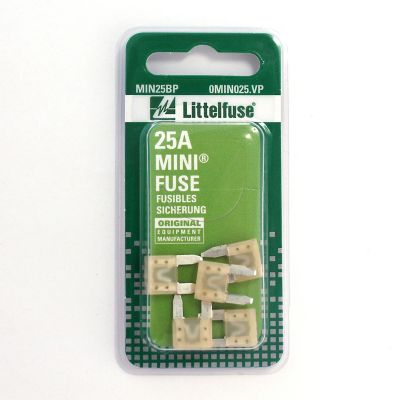
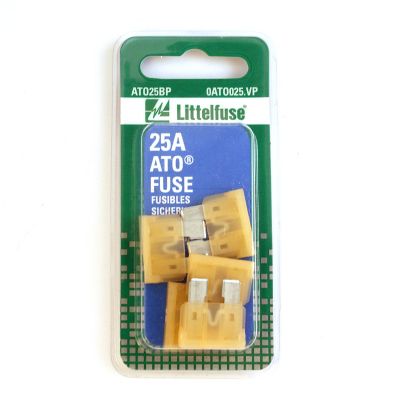
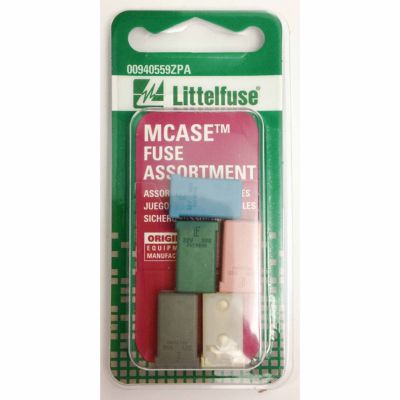
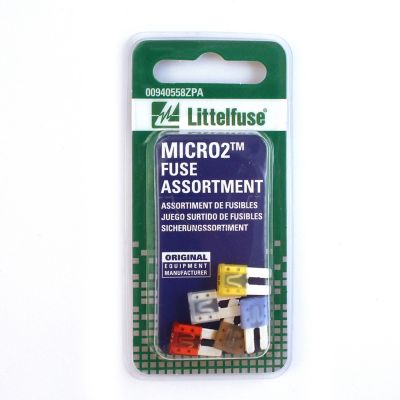
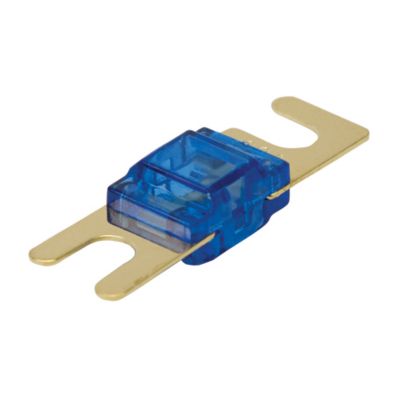
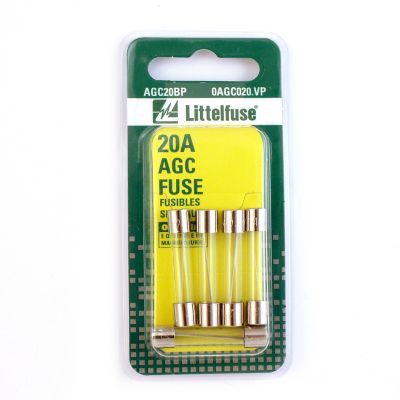
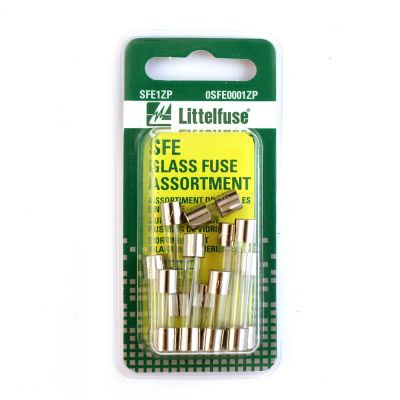
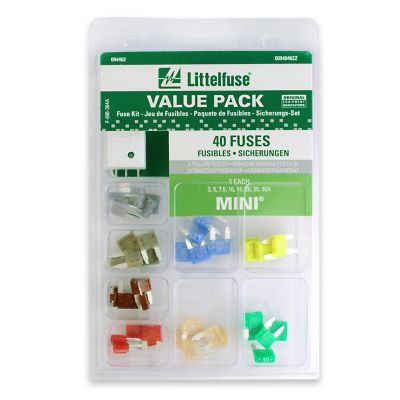
When it comes to keeping your equipment running safely and reliably, 25A fuses are a small but mighty part of the equation. Folks out here know that whether you’re tinkering in the barn, working on your truck, keeping your boat ready for the lake, or making sure the RV is roadworthy for a summer getaway, a blown fuse can bring everything to a halt. That’s why having the right 25-amp fuses on hand is just as important as having a good set of wrenches or a reliable flashlight. These fuses are built to protect your electrical circuits from overheating and potential damage by breaking the circuit when the current gets too high. You’ll find 25A fuses in all sorts of applications—automotive blade fuses tucked behind dashboards, cartridge fuses in farm equipment or HVAC units, and even old-school plug fuses in vintage homes or outbuildings. No matter where you’re using them, it’s crucial to match the blown fuse with a new one that has the exact same amperage, style, and voltage rating. Swapping in a higher-amp fuse might seem like a shortcut, but it’s a serious fire risk and can lead to bigger headaches down the road.
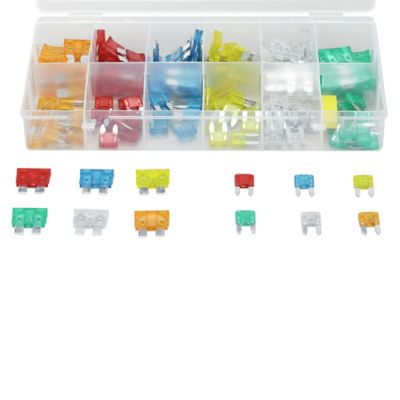
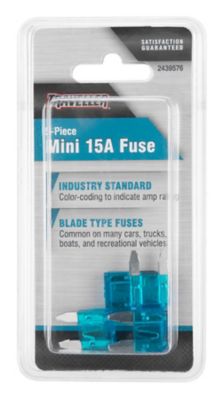
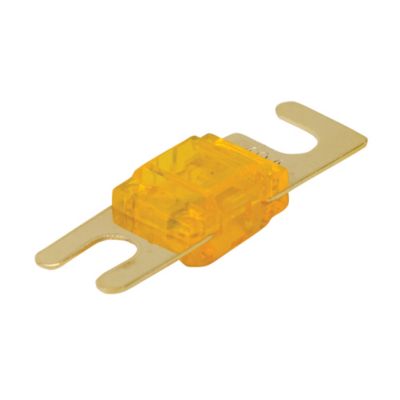
During the warmer months, when everyone’s out hauling hay, hitting the water, or getting their gear ready for harvest, electrical issues can crop up when you least expect it. Maybe you’re loading up the trailer and the lights won’t come on, or your tractor’s AC won’t kick in during a heatwave. That’s when a stash of tractor supply fuses in the right sizes can save the day. These little lifesavers are a thoughtful gift for anyone who spends time in the garage or on the road—think about the new driver in the family, the neighbor who’s always fixing things, or the friend who’s restoring an old pickup. With so many styles out there—Mini, Standard, Maxi blade fuses for vehicles, or cylindrical cartridge fuses for heavier-duty jobs—it pays to double-check what you need before heading out to the store or placing an order. If you’re not sure which type you’re after, take a peek at your owner’s manual or pull the old fuse for a side-by-side comparison. For those working on automotive repairs, wiring projects, or maintaining boats and campers, you’ll find a full selection of
Blade Fuses to fit just about any need.
As the days stay long and the work keeps coming, it’s smart to keep a few spare 25-amp fuses in your toolbox, glove compartment, or tackle box—wherever you’re likely to need them. Out here, we know that a little preparation goes a long way, and nobody wants to lose a day’s work (or a weekend of fun) over a blown fuse. Whether you’re keeping your equipment humming through a busy season or just making sure your home’s circuits stay safe, having the right fuses on hand is a simple step that pays off big. Tractor Supply fuses are built for folks who depend on their gear day in and day out, and swapping out a fuse is usually a quick fix that gets you back to what matters most. Just remember: always use the correct amperage and style, and if you’re ever unsure, it’s worth asking someone at the store or checking your equipment’s specs. That way, you’ll be ready for whatever the season throws your way—be it a busy morning in the field, a last-minute fishing trip, or just another day keeping things running smooth around the place.