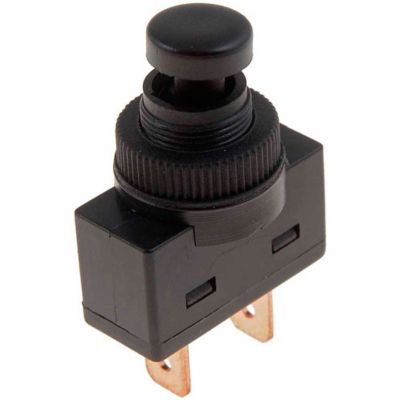
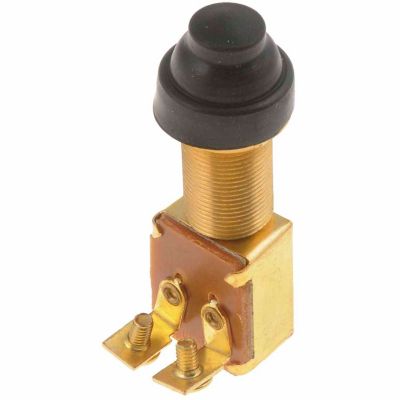
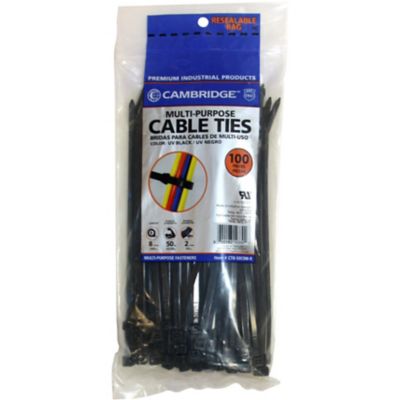
Electrical supplies are the wiring, connections, controls and protective components that carry power through homes, barns, workshops and other buildings. They support new electrical installations, everyday maintenance and repairs, from a light over the workbench to the circuits that serve equipment in an outbuilding. Common categories include electrical wire and cable, conduit, electrical boxes, outlets, switches, circuit breakers, fuses and wire connectors. Each serves a different purpose: conductors carry current, conduit helps protect and route wiring, boxes enclose connections, and properly matched circuit protection helps limit damage from overloads and short circuits. Electricians, contractors, property owners and farm maintenance crews all have reasons to pay attention to these details. Around a working property, electrical needs can change from one doorway to the next. A dry storage room, a dusty shop and a sheltered outdoor work area present different conditions, even when they sit under the same roof. Materials matter because electrical components need to suit both the circuit and their surroundings. Copper and aluminum conductors have different connection requirements, and terminals must be listed for the conductor material they accept. Solid and stranded wire also have different handling characteristics, with suitability depending on the application and the terminals involved. Insulation carries ratings for factors such as voltage, temperature and moisture exposure; its color alone does not establish where a wire belongs. Metal and nonmetallic boxes and conduit offer different benefits depending on the setting, with grounding, corrosion exposure and physical protection all part of the decision. A component that fits neatly behind a finished wall may not suit an exposed barn aisle where tools, feed carts and damp air are part of the day. The right electrical supplies bring together the electrical ratings, physical fit and environmental protection a particular job requires. That makes clear markings and manufacturer specifications more useful than appearance when comparing similar-looking parts.
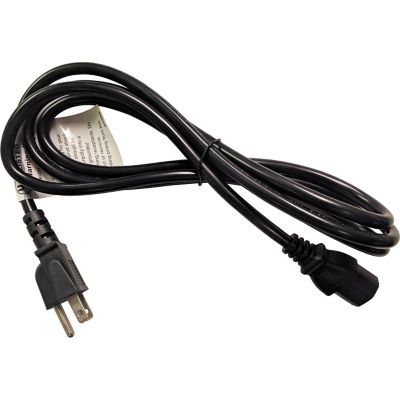
Fit in an electrical system means more than lining up screw holes or finding a plug that slips into an outlet. Voltage, amperage, conductor size, grounding provisions and connection type all affect whether components belong together. Wire gauge and insulation type must suit the circuit and installation conditions, while the load and length of a run can influence conductor sizing. A long stretch between a power source and a work area deserves particular attention because voltage drop can affect equipment performance. Circuit breakers must be listed or specifically classified for the panel involved; a similar shape is not enough to establish compatibility. Electrical boxes also need enough room for the conductors, devices and fittings they contain, rather than simply enough space to squeeze everything behind a cover. These details matter whether the setting is a farmhouse utility room or a shop where several power tools share the workload. For temporary power, extension cords need ratings that match the equipment, distance and location, and they are not a substitute for permanent building wiring. Outdoor suitability does not automatically mean a connection can sit in standing water or remain exposed to every kind of weather. Damp and wet locations have distinct requirements, and covers and enclosures need to match the exposure they will face. Ground-fault circuit-interrupter protection helps reduce shock risk and is required in many locations, including numerous outdoor and wet-area applications. Grounding and bonding serve separate but related roles in electrical safety, and neither should be treated as an optional detail. When motors, heating equipment or other substantial loads enter the picture, their nameplate requirements help establish what the electrical system must support. A licensed electrician can evaluate capacity, local code requirements and permit needs for new circuits, panel changes or outbuilding connections. For the person maintaining a busy property, the goal is straightforward: power where the work happens, with components matched to the job rather than forced into a makeshift arrangement.
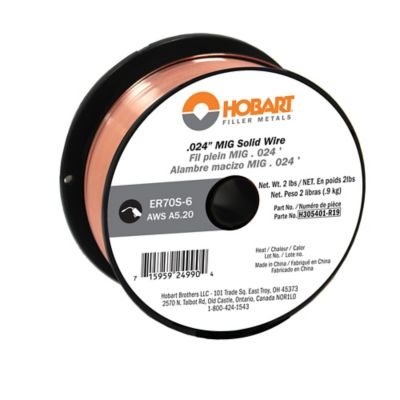
The surroundings can be hard on electrical supplies long before anything looks out of place. Fine dust settles around workshop equipment, moisture works into exposed areas, and repeated movement puts strain on cords and connections. In livestock buildings, humidity and corrosive conditions can call for additional attention to enclosure materials and location ratings. Resistance to sunlight, oil, abrasion or chemicals is application-specific, so those properties should come from the product markings and specifications rather than assumptions about a thick jacket or heavy housing. Good care starts with keeping electrical components clean and dry as directed by the manufacturer, protecting them from impact and checking accessible cords and housings for damage. Cracked insulation, loose connections, scorch marks or unusual heat call for taking affected equipment out of service and having the problem evaluated, not covering it up with tape. Cleaning or inspection that could expose energized parts belongs with a qualified person, with power safely isolated. Storage matters, too: cords kept away from sharp edges, vehicle tires and tight bends are less likely to suffer unnecessary wear. During the cooler months, shorter days can mean more time working under lights, while seasonal equipment may add demands that an existing circuit was not designed to handle. A barn aisle before sunrise or a repair bench after supper needs practical lighting without cords stretched across walkways. In shops where metal repair is part of the routine,
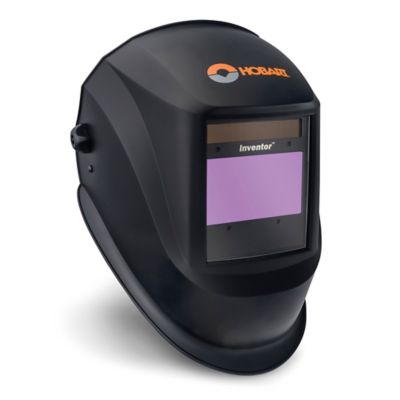
Welding Supplies relate to another important consideration: welding equipment can have specific input-power and receptacle requirements that deserve attention before the workspace is arranged. Electrical supplies support that broader working setup, but they need to match the actual equipment rather than a general notion of shop power. Clear access to panels, protected wiring routes and connections suited to the environment all contribute to a space that is easier to maintain. Whether the work happens in a garage, equipment shed or established farm shop, choosing by intended use, fit and electrical rating helps keep the focus on the job at hand.