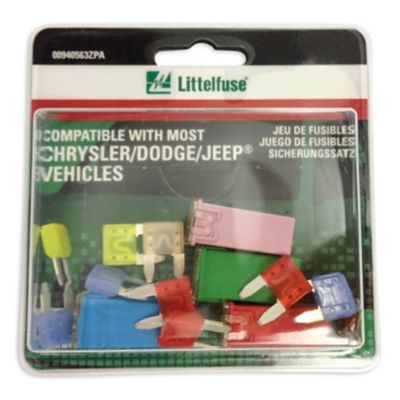
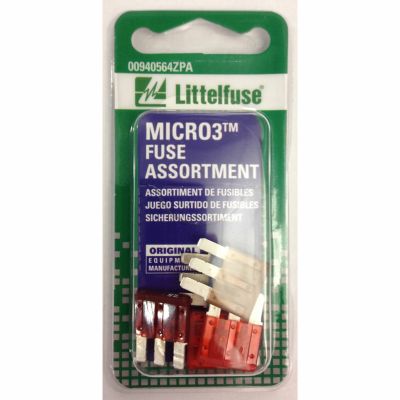
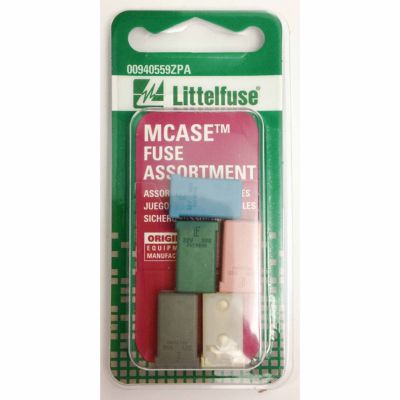
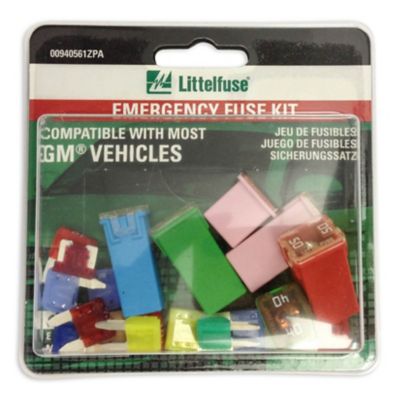
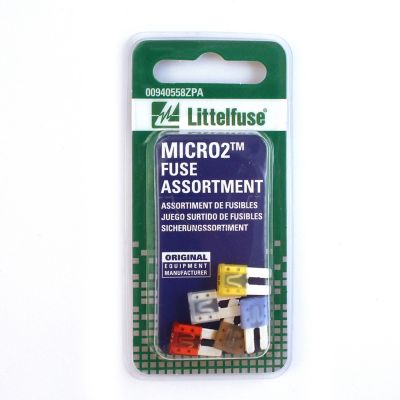
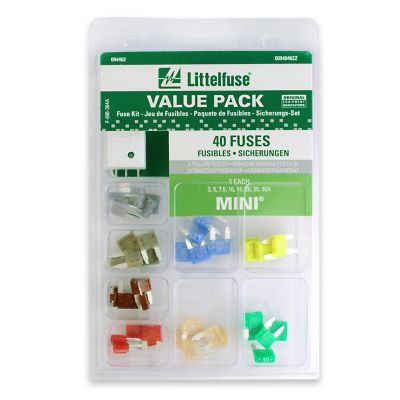
Car fuse kits bring several replacement automotive fuses together in one organized package, making it easier to keep the right electrical protection close at hand. A typical assortment may contain multiple amperage ratings within one fuse style or a mix of styles for different vehicles. Some kits also include a plastic fuse puller, a tester, or a divided storage case, though the contents vary by set. For a pickup that makes regular feed runs, a family car headed across town, or a work vehicle parked beside the shop, a well-matched assortment belongs alongside the other small essentials that help keep everyday jobs moving. Automotive fuses protect electrical circuits by opening when current exceeds their designed limits, helping prevent damage to wiring and connected equipment. Depending on the vehicle, separate fused circuits may serve the radio, power outlets, interior lights, windshield wipers, and other equipment. That makes a fuse kit a practical replacement supply, not a repair for every electrical trouble. A failed power outlet might trace back to a blown fuse, but the underlying cause still matters, especially if the replacement opens again. The most useful car fuse assortment is one that matches the vehicle’s specified fuse types and ratings rather than simply offering the highest piece count. A smaller pack with the right replacements can make more sense for a single car than a larger assortment with many sizes that never fit its panels. Households with several vehicles and folks who maintain their own equipment may benefit from broader coverage, provided each application is checked separately. Keeping spares together also beats digging through a toolbox drawer for a loose fuse with a hard-to-read marking. Clear labels and separate compartments give these little parts a proper home, whether the kit rides in a secured vehicle storage area or stays on a garage shelf within reach of the workbench.
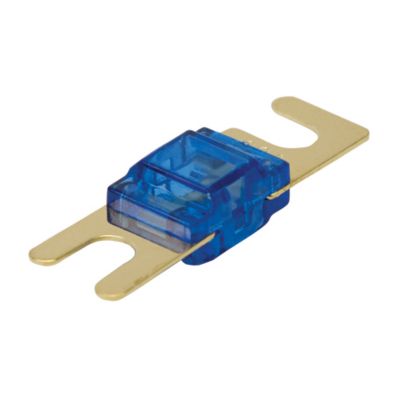
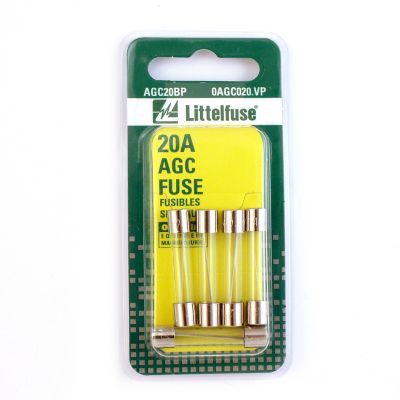
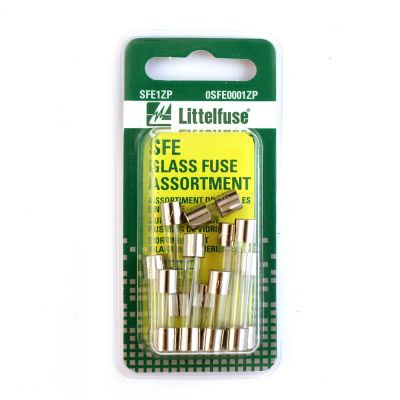
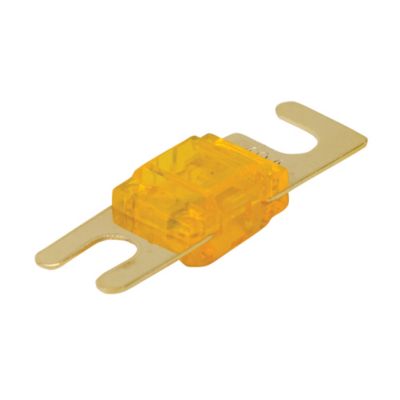
Fit starts with fuse construction, physical dimensions, and the electrical specifications called for by the vehicle manufacturer. Common automotive blade styles include standard ATO/ATC, mini ATM, low-profile mini, and micro formats. These names describe different designs, not interchangeable choices, and a vehicle may have more than one style across its fuse panels. Larger MAXI blade fuses and cartridge styles such as FMX have their own shapes and applications; a general blade fuse assortment should not be assumed to cover them. The owner’s manual, fuse-panel diagram, and manufacturer service information are useful references for identifying the required replacement. Amperage is just as important as shape. Each circuit calls for a specified amp rating, and installing a higher-rated fuse can leave its wiring without the intended protection. A replacement also needs the proper voltage rating and design for the application. Shoppers comparing
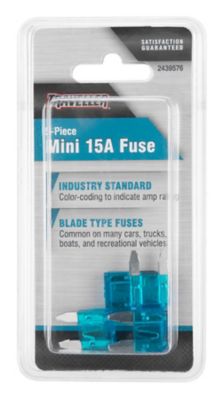
25A Fuses, for example, still need to match the fuse style and other required specifications; a 25-amp marking alone does not establish fit. Color coding helps separate ratings within many fuse families, but the printed or molded amp marking and application requirements should settle the choice. Blade fuses generally combine a molded insulating body, metal terminals, and an internal element designed to melt under specified overcurrent conditions. Transparent or translucent bodies can make that element easier to inspect, although appearance alone does not always confirm whether a fuse is intact. Terminal dimensions, body height, and spacing all affect proper seating in the holder. A low-profile design can look much like a taller version at a glance, yet the difference matters in a tightly packed panel. For a kit intended to serve several cars or trucks, coverage by fuse family and amp rating is worth a closer look than the total number printed on the package. Duplicate replacements in relevant ratings can be more helpful than a wide spread of incompatible formats.
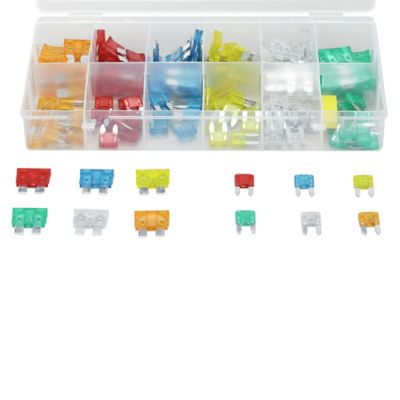
Storage and included tools can make a car fuse kit easier to handle when there is not much room to work. A divided plastic case helps keep small blade fuses from mixing together, while a secure latch helps prevent the contents from spilling across the floorboard or workbench. Clearly marked compartments are especially handy when several ratings share the same general shape. A compact case may suit a vehicle emergency supply bag, while a larger organizer can fit better in a home garage where several vehicles receive routine attention. A plastic fuse puller can help grip small fuse bodies in crowded panels without reaching in with metal pliers. Its jaw shape still needs to suit the fuse, and not every included puller reaches every panel equally well. Some assortments include a tester, but testing methods and capabilities differ, so the tool’s instructions and vehicle service information matter. Before removing or replacing a fuse, shut off the vehicle and affected equipment and follow the manufacturer’s procedure. Fuse kits are best treated as a supply of correctly matched replacement parts, not permission to bypass a circuit’s protection or keep replacing a fuse that repeatedly blows. Repeated failure, melted plastic, loose terminals, or signs of scorching call for diagnosis rather than another spare. For everyday care, keep the case closed, clean, and dry, with loose hardware and shop debris out of the compartments. Bent blades, corrosion, cracked bodies, and unreadable markings are good reasons to set a fuse aside rather than install it. After a replacement, replenishing that exact type and rating helps keep the assortment ready for the next need. Drivers who handle basic vehicle upkeep, families sharing several cars, and farm owners maintaining road vehicles can all appreciate a clearly organized kit. It can also make a practical gift for someone setting up a first toolbox, especially when the assortment is matched to the vehicle they drive. The value is straightforward: properly identified spares, sensible storage, and less rummaging when a small electrical part needs attention.