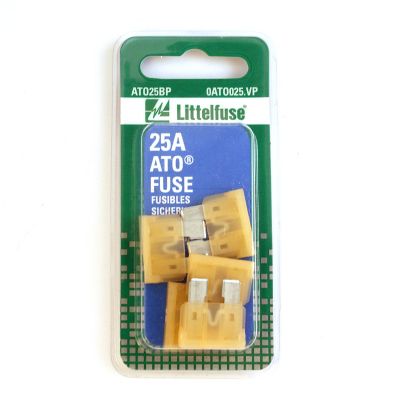
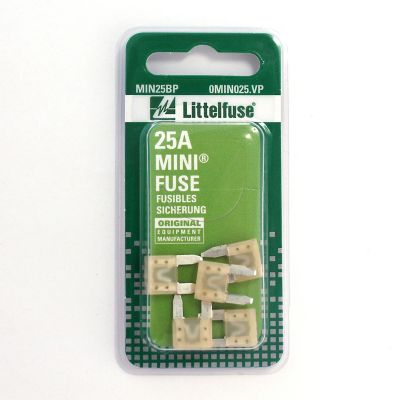
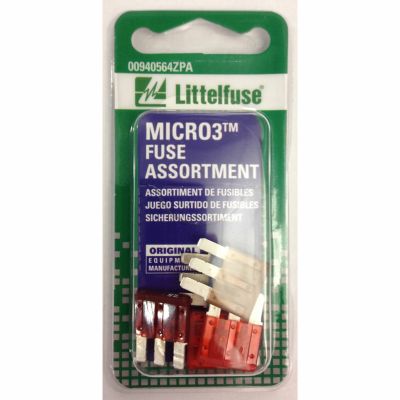
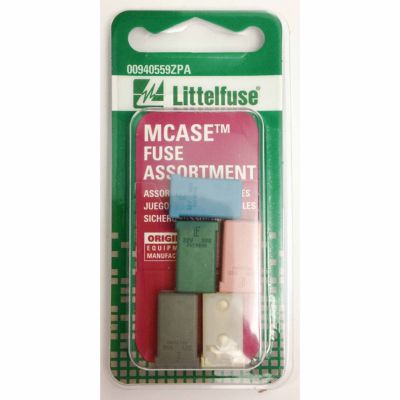
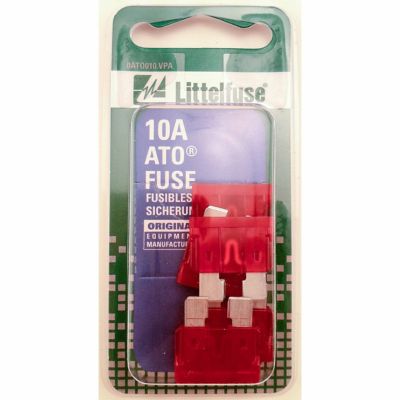
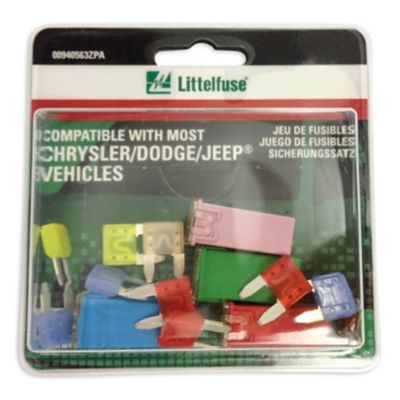
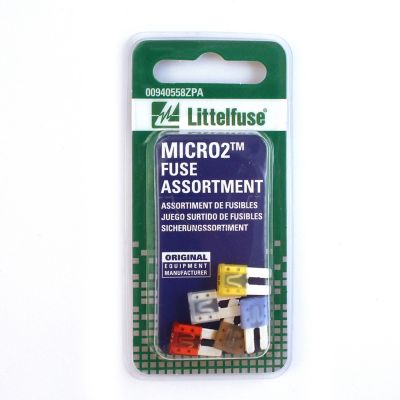
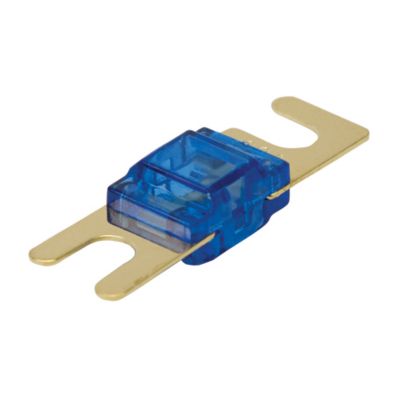
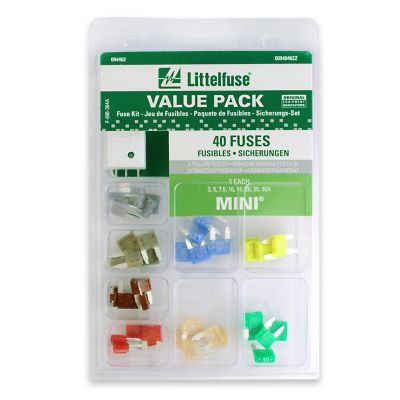
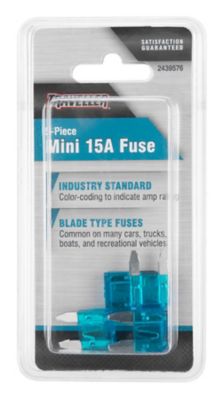
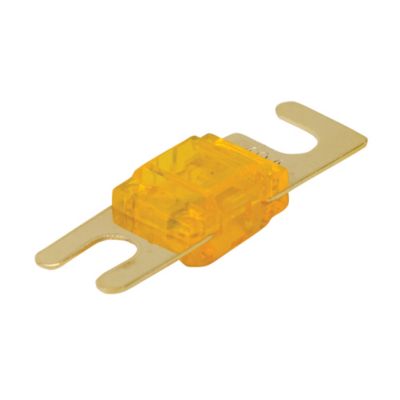
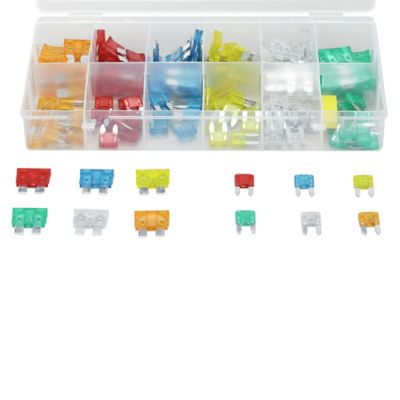
Blade fuses are small, plug-in safety devices that help protect the wiring and electrical components in cars, trucks, tractors, trailers, boats, lawn equipment, and other powered equipment. Each fuse has a plastic body with two flat metal prongs that fit into a matching fuse block or holder. When an electrical circuit draws more current than the wiring is designed to handle, the thin metal element inside the fuse melts and opens the circuit. That break stops the flow of electricity before an overload can damage wiring or connected parts. When a light, radio, power outlet, instrument, or accessory suddenly quits working, a blown blade fuse is one of the first things worth checking. These fuses come in several shapes and sizes, so matching the fuse style is just as important as matching its amperage. Standard ATO or ATC fuses are the familiar mid-size style found in many older and current vehicles, while mini ATM fuses fit smaller fuse panels. Low-profile mini, Micro2, and Micro3 fuses are used in many newer vehicles and compact electrical systems, and maxi fuses are larger, heavy-duty options for higher-amp circuits. A Micro3 fuse can protect two separate circuits from one power input, while maxi styles are commonly used where more current is needed. Before buying replacements, check the owner’s manual, the fuse-box cover, or the markings on the original fuse for the correct size, shape, and amp rating. A fuse that fits the slot but has the wrong rating is not a safe substitute. Keeping several common sizes on hand can save a trip into town when a vehicle needs attention during a fence repair, hay run, hunting trip, or drive home after dark.
The amp rating tells you how much current the fuse is designed to allow before it opens the circuit. Common ratings range from low-amp fuses for delicate electronics to higher-amp versions for heavier wiring, with many vehicle circuits using ratings from about 1A to 40A and maxi fuses covering higher ratings, often from 20A to 100A. The plastic housing is often color-coded to make identification easier: 5A fuses are commonly tan or brown-grey, 10A are red, 15A are blue, 20A are yellow, and 30A are green. Color can help you sort a handful of replacements in a toolbox, but the printed number on the fuse and the vehicle’s specifications should always be the final check. Clear plastic also makes it possible to inspect the internal metal strip. If that strip is visibly broken, darkened, or melted, the fuse is likely blown. Turn off the ignition and accessories before removing a fuse, then use a fuse puller or a careful grip rather than forcing it with a knife or other improvised tool. Replace the failed fuse with one of the exact same type and amp rating. Never install a higher-rated fuse to keep a circuit running, and do not bridge the fuse slot with foil, wire, or another piece of metal. Those shortcuts can allow wiring to overheat and may lead to expensive damage or a fire. A replacement fuse that blows again soon after installation is a sign that the circuit may have a short, damaged wire, loose connection, failing motor, or overloaded accessory. In that situation, stop replacing fuses and have the circuit checked by someone familiar with automotive or equipment electrical systems. For a handy assortment, include the rating your equipment calls for along with nearby sizes used elsewhere in the same fuse panel; for example, someone who needs
25A Fuses may also keep the other specified ratings used by that vehicle or machine.
Blade fuses are a practical addition to a glove box, farm-tool drawer, shop cabinet, or roadside emergency kit. They take up very little room, cost less than replacing a damaged harness or accessory, and can help get a vehicle or piece of equipment back in service when a circuit protection device has done its job. Drivers who tow trailers, use winches, run auxiliary lights, or rely on 12-volt outlets may appreciate having the correct replacements close by, as can owners of compact tractors, utility vehicles, riding mowers, campers, and small boats. They are also useful for a family member learning basic vehicle upkeep or for anyone putting together a practical gift for a new driver, farmer, rancher, weekend mechanic, or outdoor enthusiast. Keep fuses in a dry container where the ratings are easy to read, and avoid mixing loose replacements with nails, screws, or other metal hardware. It helps to write down the fuse sizes used by each vehicle or machine and store that note with the spare kit, especially when several pieces of equipment use different fuse styles. During the warmer part of the year, extra electrical accessories and trailer connections can put more demand on a vehicle, while cooler weather often brings increased use of heaters, lights, blowers, and starting systems. A quick inspection of the fuse box before long trips or seasonal equipment changes can reveal a loose fuse, corrosion, or a previously replaced circuit. Blade fuses are simple parts, but choosing the right physical style, confirming the exact amp rating, and replacing them carefully makes a real difference in keeping everyday transportation and working equipment dependable.