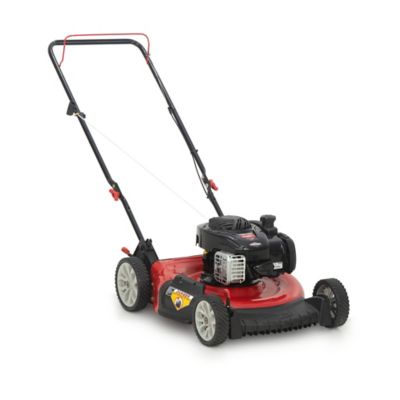
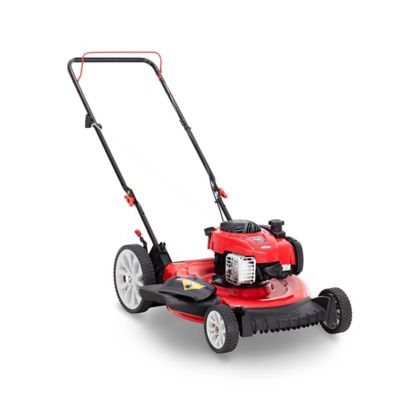
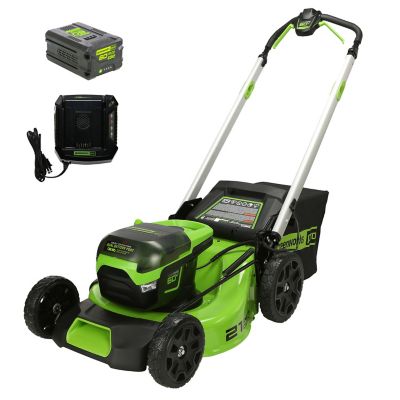
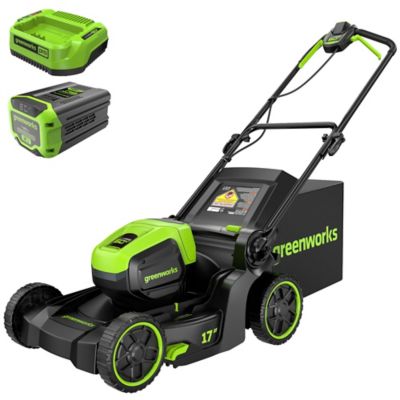
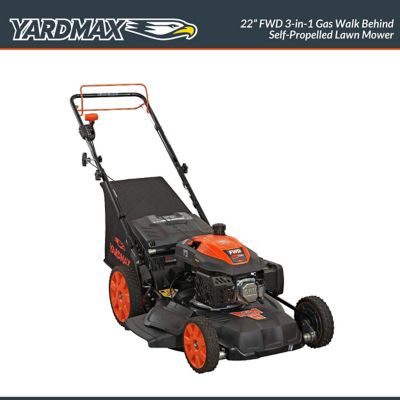
2-cycle mowers are lawn mowers powered by two-stroke gasoline engines, which typically run on a measured mixture of gasoline and two-cycle engine oil rather than straight gasoline. The oil travels with the fuel to lubricate internal engine parts, so the right mixture matters every time the tank is filled. A two-stroke engine completes its operating cycle in two piston strokes, producing a power stroke with each crankshaft revolution. That design can deliver a compact engine with a strong power-to-weight ratio, although the mower’s overall weight and handling also depend on its deck, wheels and drive system. For someone mowing around a farmhouse, along a fenced yard or between outbuildings, those details make more difference than engine size alone. A mower that turns comfortably around a well house and rolls easily through a narrow gate can make routine grass cutting less of a chore. Two-cycle engines also differ from many four-cycle engines because their lubrication does not depend on a separate crankcase oil sump. That distinction can help explain their ability to maintain lubrication at different operating angles, but it does not make a mower safe for every hillside. The mower’s stated slope limit, traction and operating instructions still determine where it belongs. Steep banks, ditch edges and uneven ground call for particular caution, regardless of engine type. When comparing 2-cycle mowers, consider the whole machine: cutting width, starting procedure, handle position, wheel layout and how comfortably it moves through the spaces that actually need mowing. Engine type is only one part of the fit. A broad, open lawn presents a different job from a patchwork of grass around fence posts, garden beds and a gravel drive, where frequent turns and careful maneuvering matter just as much as cutting a wide path.
The deck and running gear shape how a mower feels after more than a few passes across the yard. Steel decks need attention anywhere the finish is scraped and bare metal is exposed, while aluminum decks resist rust but still need checks for cracks, damage and loose mounting points. Neither material takes the place of regular cleaning and inspection. Packed grass under the deck can interfere with airflow and discharge, and a bent or badly worn blade can leave ragged grass tips instead of a clean cut. Cutting width should suit both the lawn and the route into it; a wider deck covers more ground per pass, but clearance between gateposts or beside a shed may be the deciding factor. Wheel size, bearing condition and tread also affect how readily a mower rolls over ruts, roots and uneven patches. Larger wheels can help with some rough ground, but they do not cancel out poor footing or an unsafe slope. Push and self-propelled designs place different demands on the operator, especially where the route includes repeated turns or a long stretch away from the house. Handle height and grip position matter, too. Someone with a longer stride may want a different setup than a person who needs a shorter reach and easy access to the controls. Where a mower supports bagging, mulching or side discharge, the choice should match how clippings need to be handled around walkways, animal areas and planting beds. Height adjustment is another everyday consideration: the mechanism should move as intended and hold its setting securely. For anyone maintaining an existing two-stroke mower, engine identification and mower model information are essential when matching replacement parts. Similar-looking blades, belts, filters and starting components can have different dimensions or mounting details. A proper match helps preserve the mower’s intended operation instead of creating another problem halfway through the job.
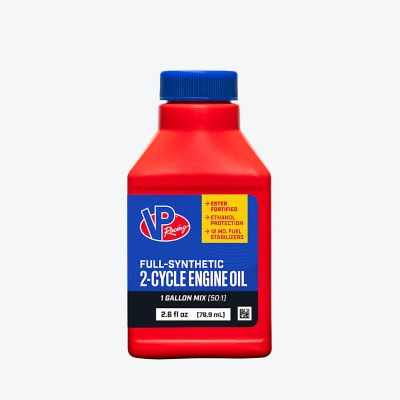
Fuel care is central to keeping 2-cycle mowers running as intended. There is no single gasoline-to-oil ratio that applies to every two-stroke mower, and guessing at the mixture can lead to poor running, excessive deposits or engine damage. Choosing
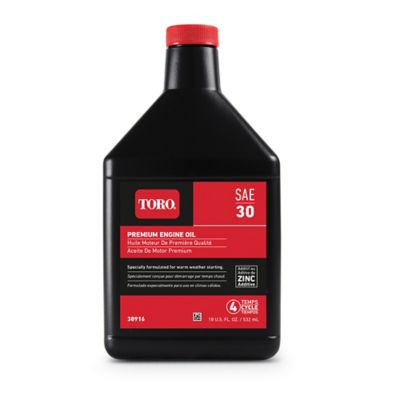
2 Cycle Engine Oil starts with the engine manufacturer’s required oil specification and mixing ratio, including whether the engine calls for an oil formulated for air-cooled equipment. Different two-stroke oils are not automatically interchangeable, and adding extra oil is not a substitute for following the specified ratio. Gasoline must also meet the engine’s octane and ethanol requirements. Clear labeling on an approved fuel container helps keep mixed fuel separate from straight gasoline, especially around a property where several kinds of power equipment share the same storage area. Fuel should be mixed and handled outdoors, away from ignition sources, and refueling belongs on a stopped engine that has had time to cool. Beyond the fuel tank, a clean air filter, sound spark plug and properly maintained cutting blade all contribute to steady operation. Dust from a gravel lane, fine grass clippings and debris around sheds can collect where the engine needs airflow, making routine inspection worthwhile. Before cleaning beneath the deck or handling the blade, the engine must be stopped and the spark plug lead disconnected according to the mower’s instructions; gloves help protect hands from sharp edges but do not replace those precautions. The manual also determines how the mower can be positioned for service and how fuel should be managed before an extended break between mowing jobs. For homeowners caring for an established machine, that combination of correct fuel, matched parts and regular attention can support continued service. For anyone comparing mower types, the appeal of a two-cycle design is best weighed alongside its fuel-mixing requirements, handling, sound level and the kind of ground it will actually cover.