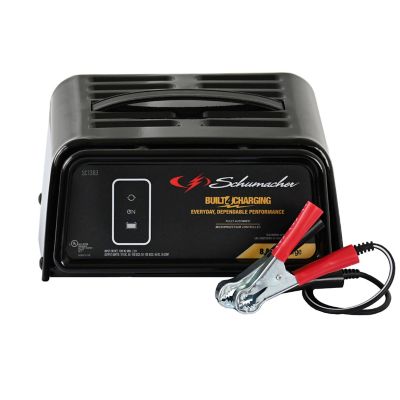
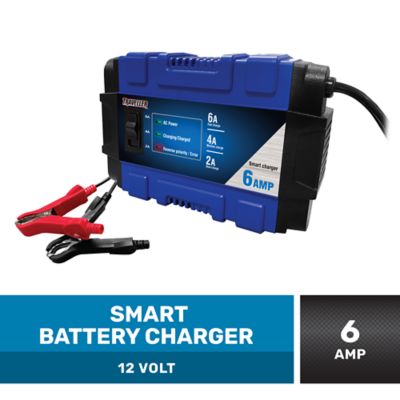
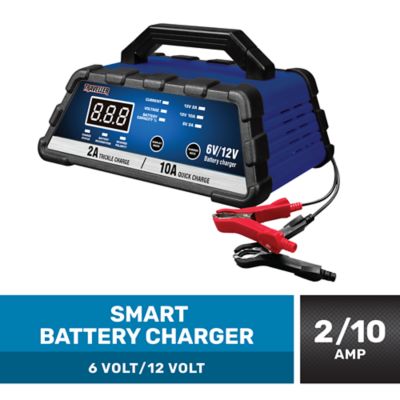
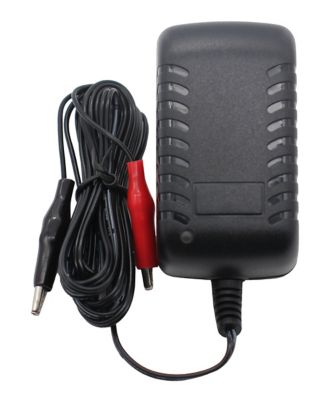
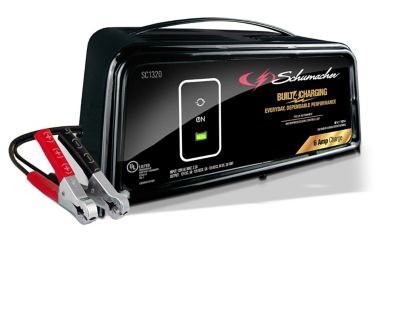
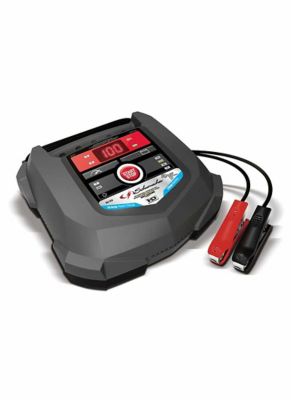
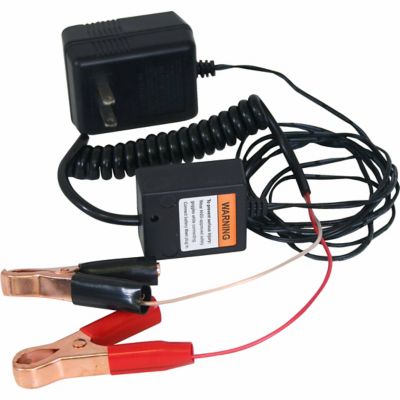
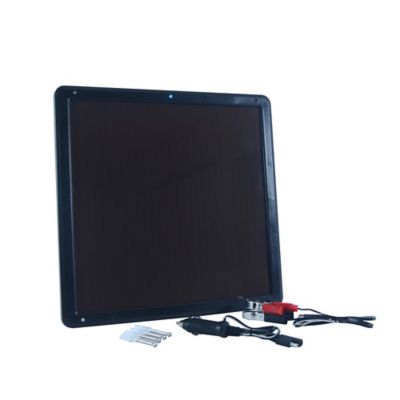
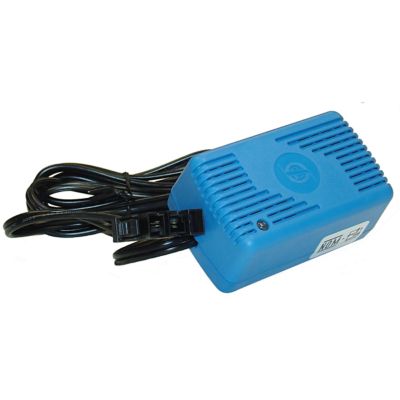
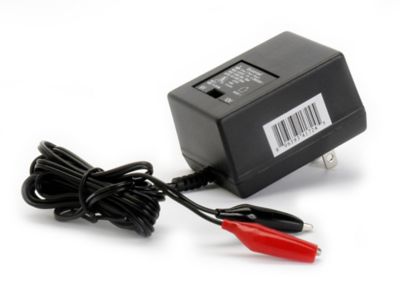
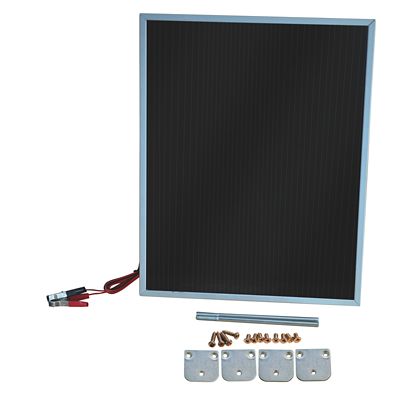
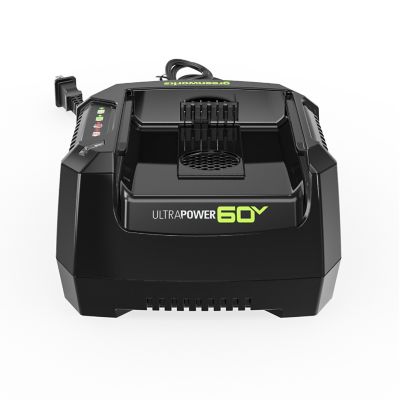
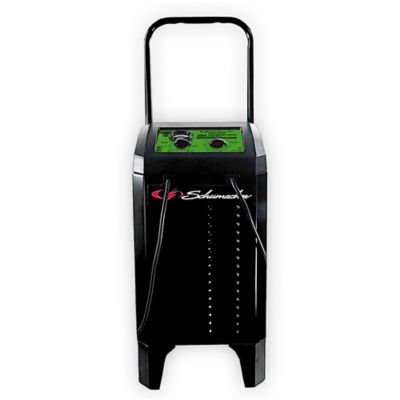
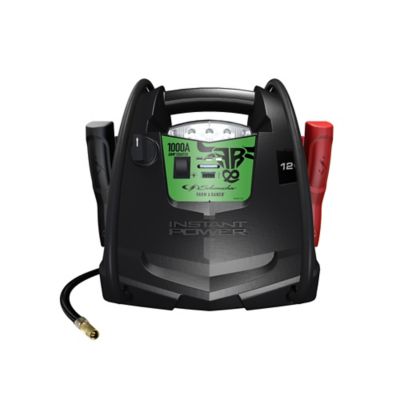
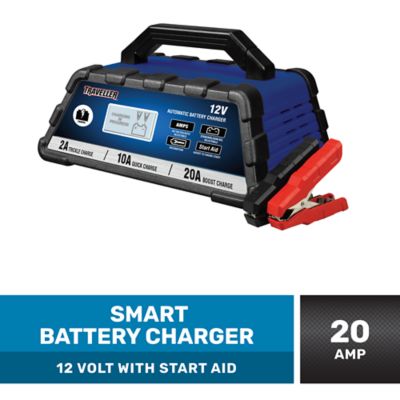
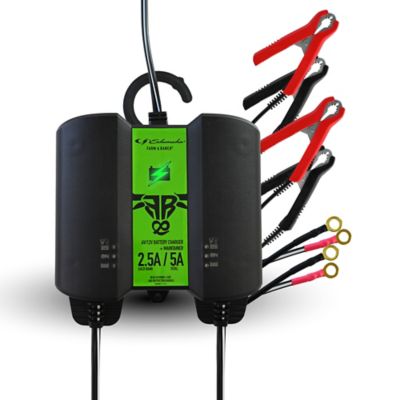
12V battery chargers help bring dependable power back to the batteries used in many vehicles, machines and pieces of equipment around the farm, homestead and workshop. A 12-volt battery may be found in a pickup, classic car, motorcycle, ATV, side-by-side, boat, camper, utility trailer, riding mower or other small engine equipment. These chargers can also be useful when a vehicle sits for long stretches, such as a fishing boat stored between outings, a motorcycle kept in the shed during cooler months or a spare truck that only sees the road when there is a big job to handle. Instead of waiting for a battery to go completely flat, a low-amp maintainer can help keep it topped off during storage. Trickle chargers and maintainers are made for that steady, slower approach, often supplying 1 amp or less to help counter the natural loss of charge. Automatic and smart chargers offer more flexibility for regular use because they monitor the battery and adjust the charging process as the battery fills, then may shift to a float or maintenance mode to help reduce the risk of overcharging. Higher-amp chargers are better suited to restoring a weak automotive battery in less time, while charger and engine-starter combinations may provide a stronger boost when a vehicle needs help getting started. The right choice depends on the battery size, how quickly you need it ready and whether you plan to charge a battery occasionally or leave it connected during storage.
Before choosing a 12V battery charger, match the charger to the battery and the job at hand. Check the battery label, owner’s manual or equipment manual for its chemistry and capacity, since flooded or wet-cell, AGM, gel and lithium batteries can require different charging profiles. A charger designed for one type should not automatically be used with another unless the manufacturer states that it is compatible. Battery size matters, too. A compact charger may be a good fit for a motorcycle, ATV or lawn equipment battery, while a larger automotive, marine or deep-cycle battery may need a charger with more output and the proper setting for long, steady charging. If you are shopping for equipment used around the property, consider cord length, clamp size, built-in status lights, weather-resistant construction and the location of the nearest outlet. A charger with automatic shutoff, float mode, short-circuit protection and reverse-polarity protection can make routine charging easier, especially when several family members share the garage or barn. Some chargers are intended for indoor use only, while others are built for use in a sheltered outdoor area; always follow the instructions for placement and weather exposure. For lawn and garden equipment, a dedicated charger can be especially handy when grass-cutting season winds down and the mower is parked for a while. If your equipment uses a 12V mower battery, browse
Lawn Mower Battery Chargers for charging options suited to that type of maintenance. A dependable charger also makes a practical gift for a new vehicle owner, weekend mechanic, boat owner, ranch hand or anyone who keeps recreational equipment ready for the next trip. It is the sort of useful present that may spend most of its time on a workshop shelf, then earn its keep when a tractor, truck or trail machine has been sitting through a long stretch of wet weather or cold nights.
Safe connection matters every time you charge. Move the vehicle or battery to a well-ventilated area away from sparks, flames and smoking materials, and inspect the battery for cracks, leaks, swelling or other damage before connecting anything. Wear eye protection and keep metal tools, jewelry and loose clothing away from the terminals. With the charger unplugged from the AC outlet, connect the red positive (+) clamp to the battery’s positive terminal. Connect the black negative (-) clamp to the negative terminal or, when the equipment instructions call for it, to a clean, solid metal ground on the vehicle away from the battery. Confirm that the clamps are secure and that the polarity matches before plugging the charger into the wall. Select the proper battery type, charging mode and output if the unit requires manual settings, then watch the indicator lights or display during the first part of the charge. When charging is complete, unplug the charger from the AC outlet before removing the clamps, taking off the black connection first and then the red. Avoid using a fast-charge or engine-start setting as a routine substitute for a proper recharge, and remember that a charger cannot repair a battery that will no longer hold power. If a battery repeatedly goes dead, inspect the terminals for corrosion, check for loose connections and have the charging system or battery tested. Keeping a suitable 12V battery charger in the garage, tool shed or service truck can save a trip into town and help keep everyday equipment ready, whether you are hauling feed, checking fence, tending a garden, pulling a trailer or heading down a back road when the weather clears.