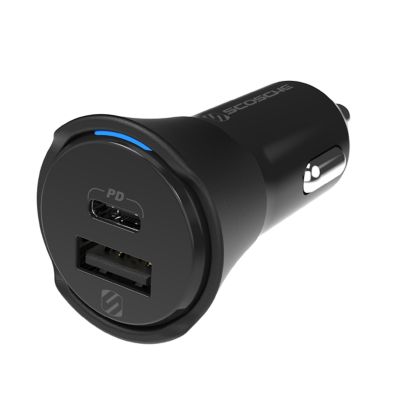
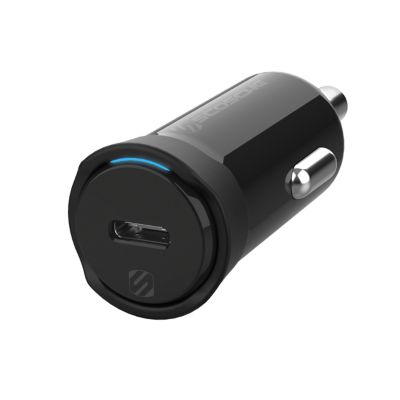
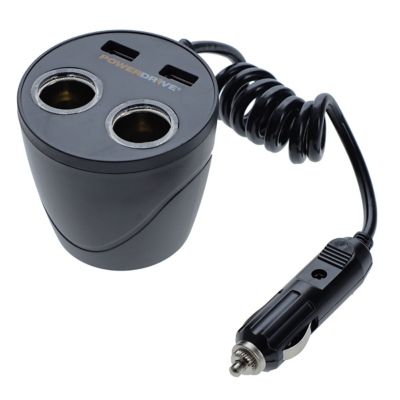
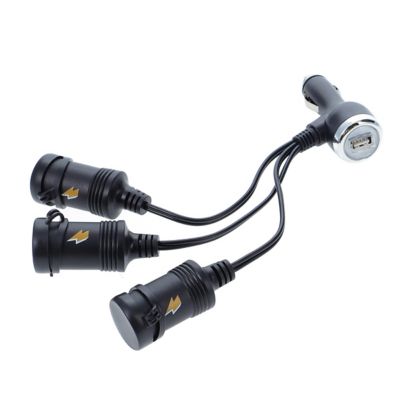
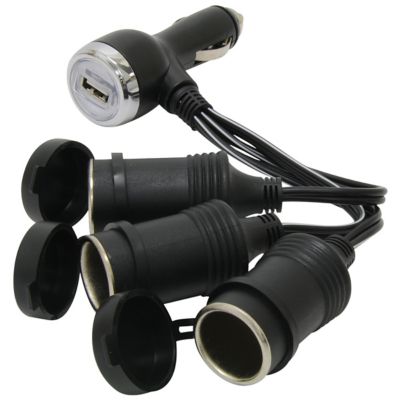
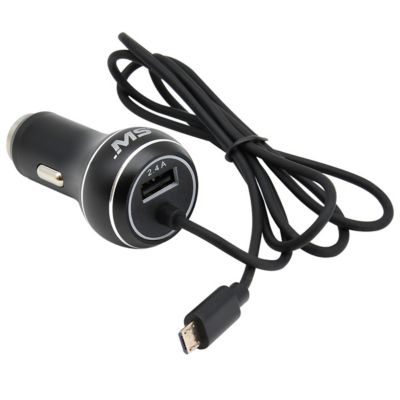
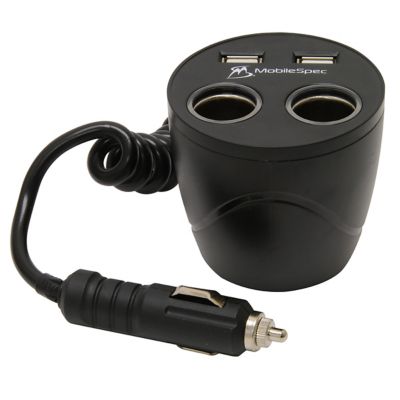
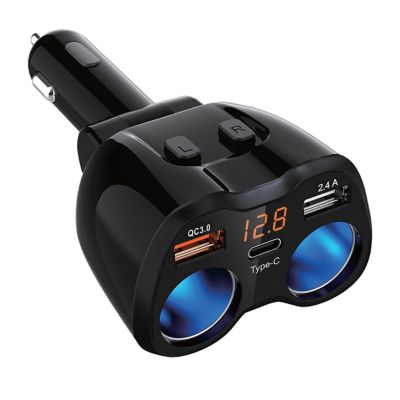
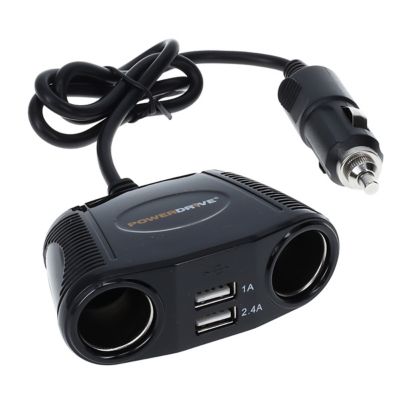
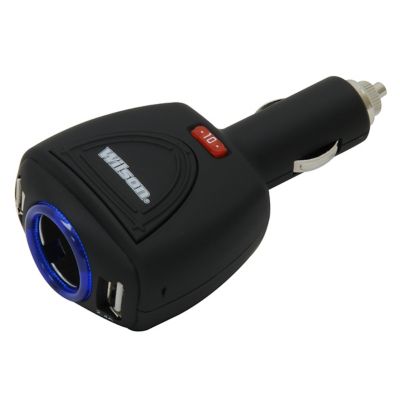
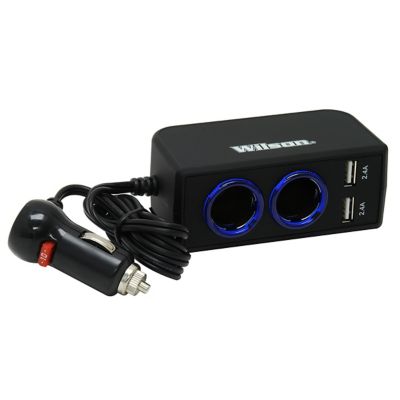
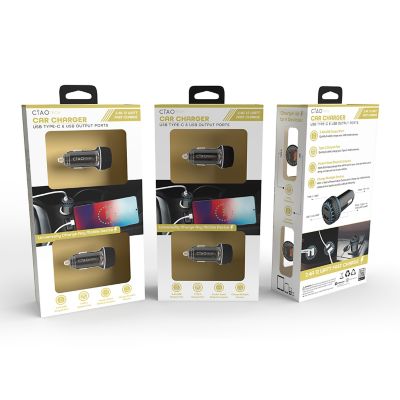
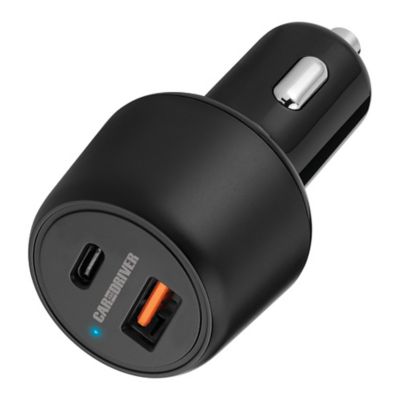
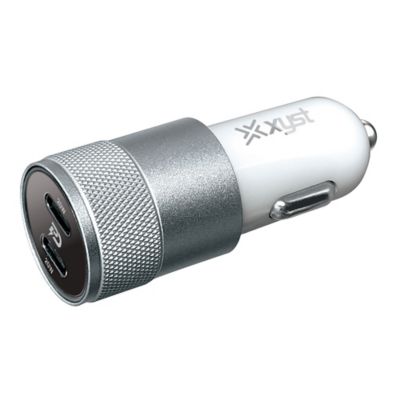
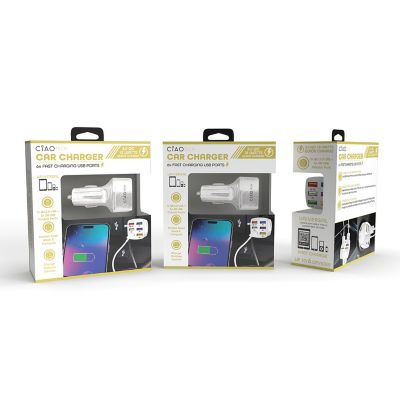
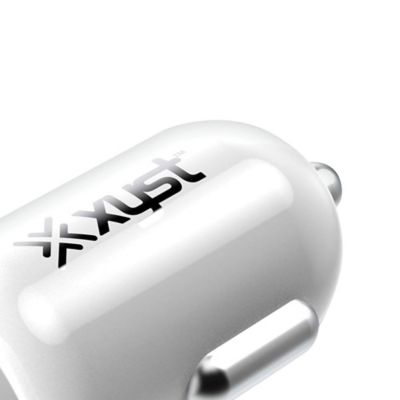
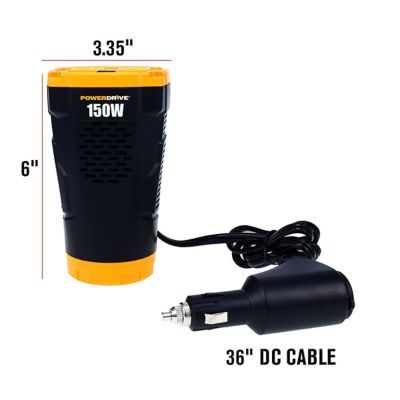
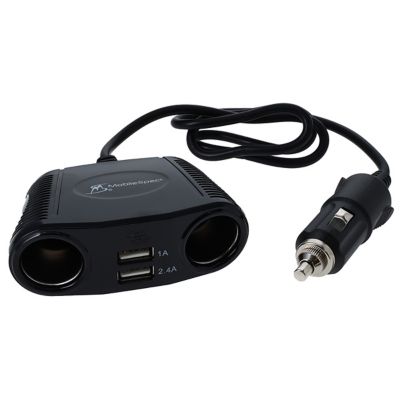
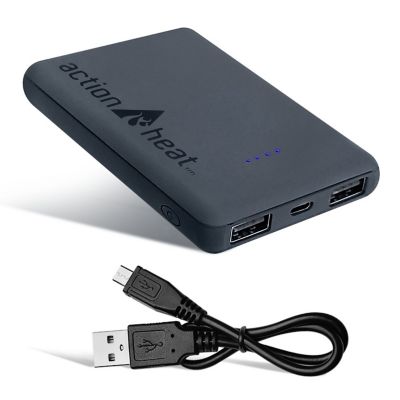
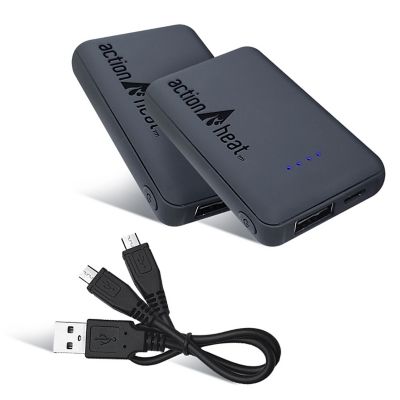
12V USB vehicle chargers turn power from a vehicle’s 12-volt accessory socket into USB power for compatible phones, tablets, navigation devices and other electronics. They keep everyday essentials connected during the drive between home, the feed store and the next job, without needing a wall outlet along the way. A phone running directions, a passenger’s tablet and a USB-powered dash camera can have different power needs, so port type and output matter as much as the number of connections. USB-A ports accommodate many familiar charging cables, while USB-C ports connect with newer cables and devices. The connector shape alone does not establish charging speed. Fast charging depends on support from the charger, the device and the cable, with all three working together under a compatible charging protocol. USB Power Delivery, often labeled USB PD, lets compatible equipment negotiate a supported power level through USB-C. Other fast-charging systems may work through USB-A or USB-C, depending on the equipment. Output ratings in watts help describe how much power a port can supply, but a phone only draws the power it supports under the connection’s operating conditions. A higher wattage rating does not force extra power into the device or guarantee faster charging for every phone. Chargers with multiple ports make room for a second phone or another small electronic device, although the listed total output may be shared across those connections. Individual port ratings and simultaneous-output specifications tell more about that arrangement than port count alone. For a pickup carrying both a work phone and a personal phone, that distinction can make a practical difference. Some tablets and USB-C laptops require substantially more power than a basic phone charger supplies, and laptop charging calls for explicit compatibility rather than an assumption based on the plug. The result is a category with options for simple daily charging as well as setups that need several connections or support for more demanding devices.
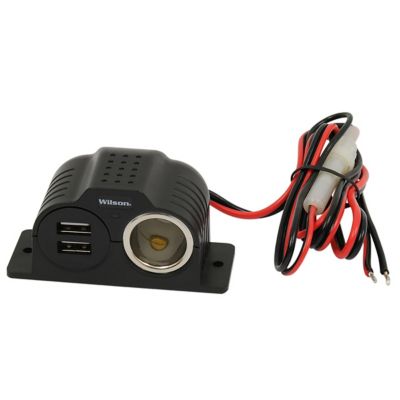
Physical fit matters in a cab where cup holders, console lids and gearshift movement already compete for space. A low-profile 12V USB charger sits close to the accessory socket, keeping the surrounding area clear, while a taller body may offer a larger grip for removal or more room between ports. Neither shape suits every dashboard. A recessed socket can make a short adapter hard to reach, and a hinged outlet cover may interfere with a wider charger head. Room for the cable connector matters, too, especially when a USB cable exits toward a shifter or storage compartment. A snug connection helps maintain contact over uneven roads, but an adapter should not need to be forced into place. Housing materials commonly include molded plastic, metal or a combination of both. The housing protects internal components, while the shape, contact design and strain placed on connected cables all affect how the charger holds up to everyday handling. A metal exterior alone does not establish electrical performance, and a sturdy-looking body does not make an open USB port suitable for moisture or grit. Unless the stated protection rating says otherwise, these chargers belong in a dry, protected cab. Compatibility also extends beyond the familiar socket shape. Pickup trucks, cars and work vans commonly have 12-volt accessory outlets, while tractors, utility vehicles and other equipment require confirmation of the outlet voltage and permitted load. A charger rated only for 12-volt service does not belong on a 24-volt electrical system. Plug-in adapters serve a different purpose from installed
USB Power Outlets, which provide USB connections as part of a fixed setup. For a plug-in charger, the vehicle’s outlet rating, the adapter’s input specifications and clearance around the socket all belong in the same compatibility picture.
Everyday use often comes down to the small details that make a charging setup easier to live with. Clearly marked ports help passengers find the right connection, and a visible power indicator can show that the socket is supplying electricity. Indicator brightness matters in a cab after dark, particularly when the outlet sits near the driver’s line of sight. Cable length deserves the same attention as charger size: enough reach keeps a phone connected in its intended storage spot, while excess slack can tangle around console hardware or fall toward the pedals. A cable tucked clear of seat tracks, sharp edges and moving controls is less likely to get pinched or pulled loose. Drivers making several stops, farm families sharing a vehicle and workers carrying electronics between job sites can all benefit from a charging arrangement that stays out of the way. A compatible charger can also make a practical gift for someone who spends plenty of time behind the wheel, especially when the recipient’s vehicle socket and device connections are known. Ongoing care is straightforward. With the charger unplugged, a soft, dry cloth can remove surface dust; liquids and metal objects do not belong inside the socket or USB ports. Loose contacts, cracked housings and damaged cables call for attention rather than continued operation. Some chargers list protection against conditions such as excessive current or short circuits, but those features do not replace the vehicle’s electrical limits or proper cable care. Accessory sockets also behave differently from one vehicle to another: some turn off with the ignition, while others remain energized when the engine stops. Leaving electronics connected to a live socket can drain the starting battery over time. Continuous dash-camera operation while parked requires equipment and a power arrangement intended for that purpose. For everyday travel, connecting devices and setting navigation before pulling away keeps charging a background task, with cords clear of controls and attention on the road.