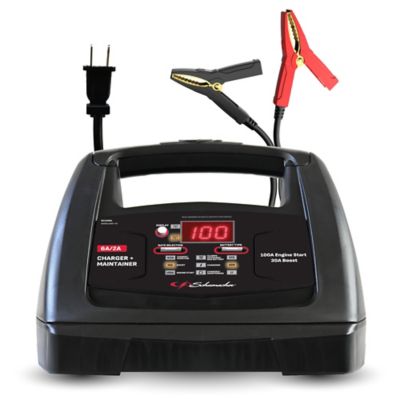
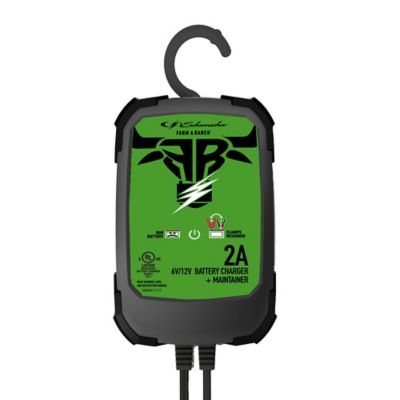
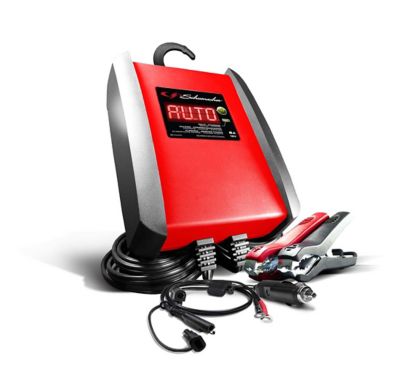
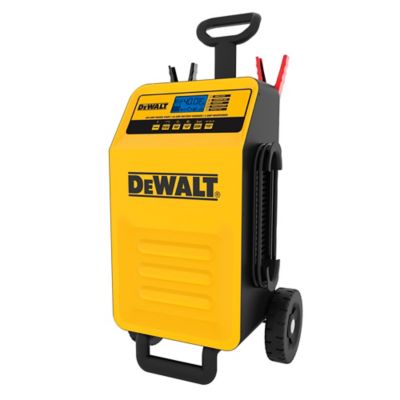
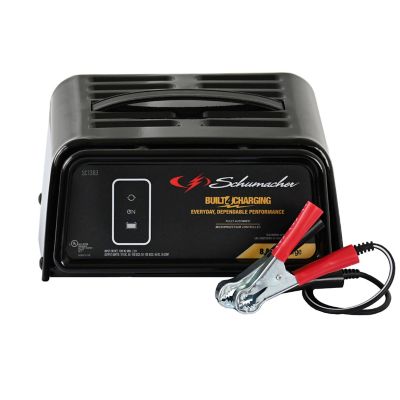
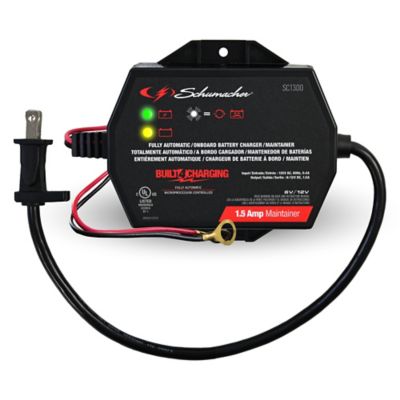
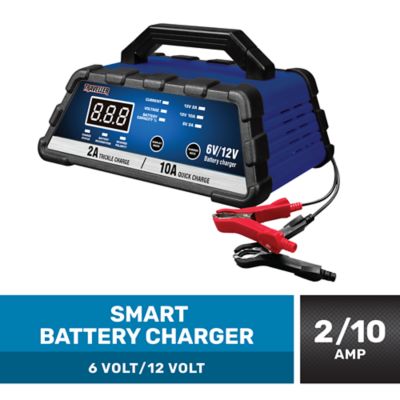
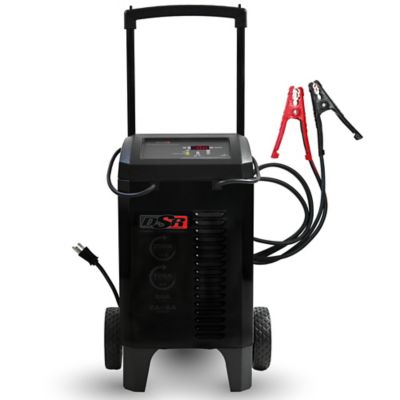
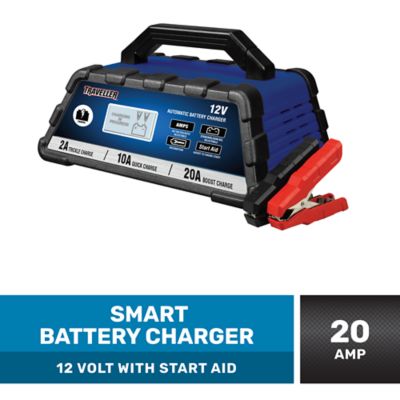
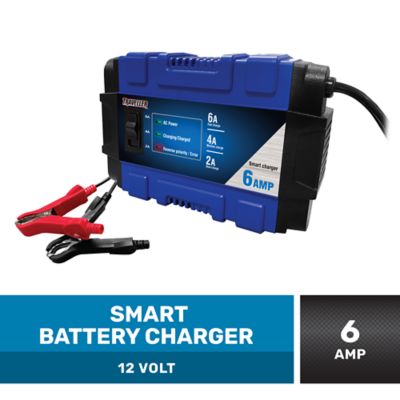
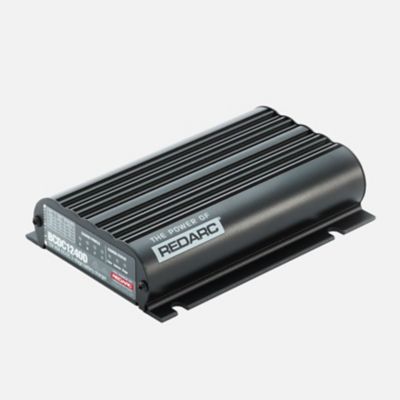
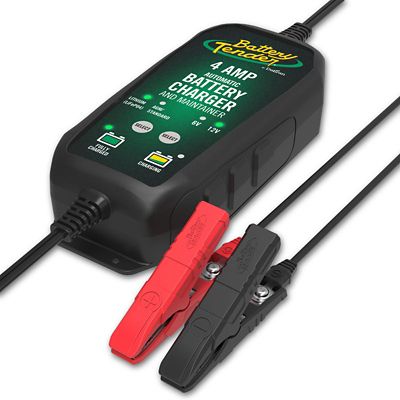
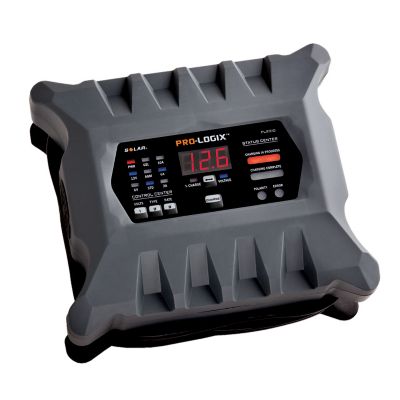
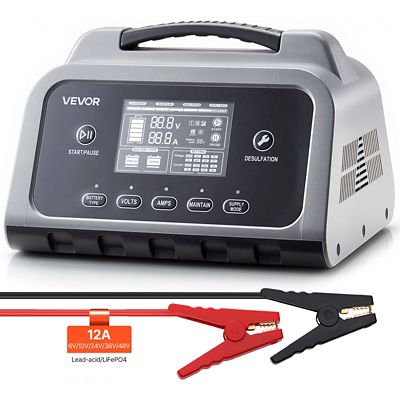
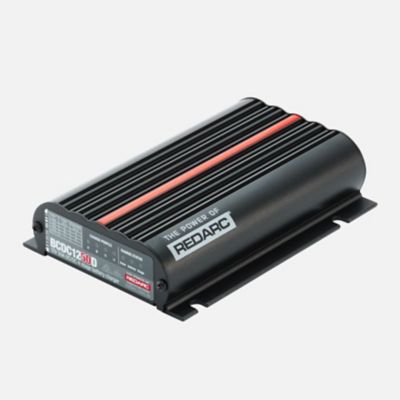
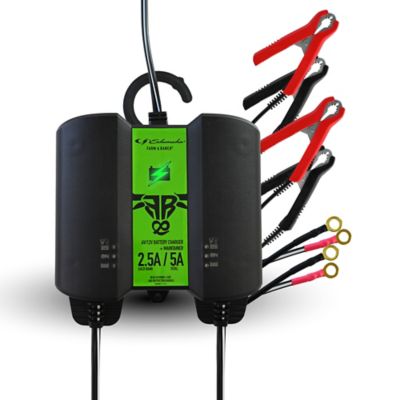
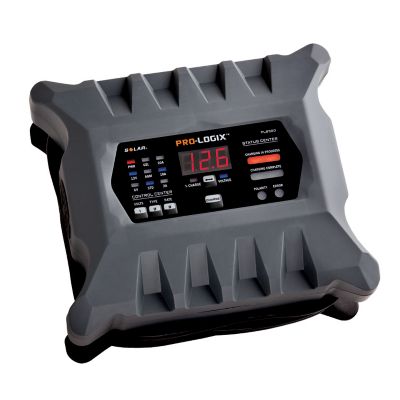
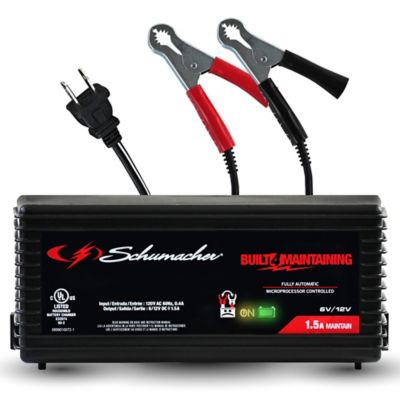
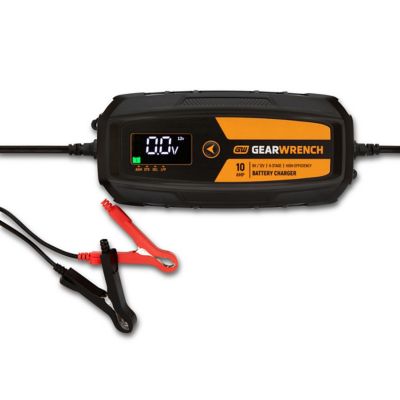
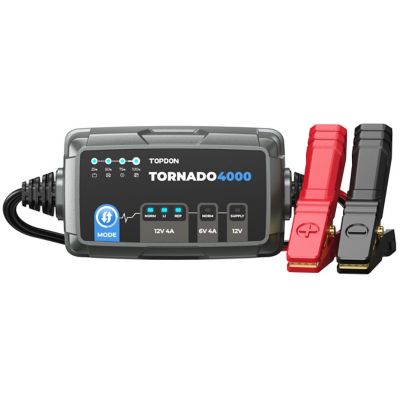
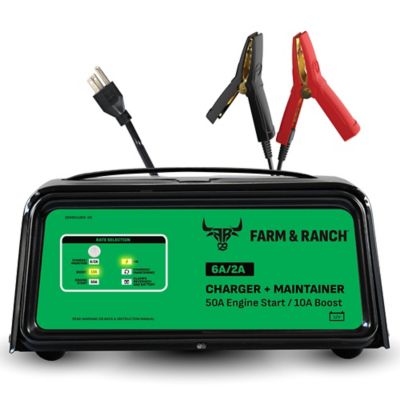
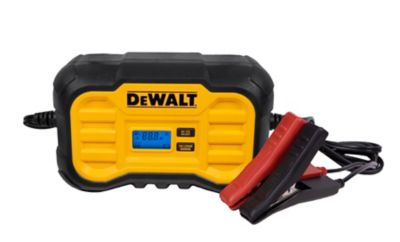
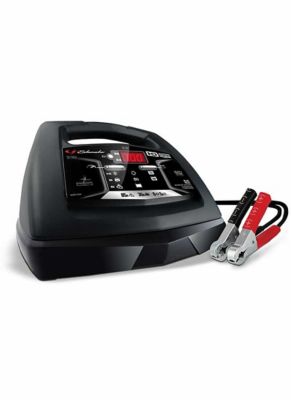
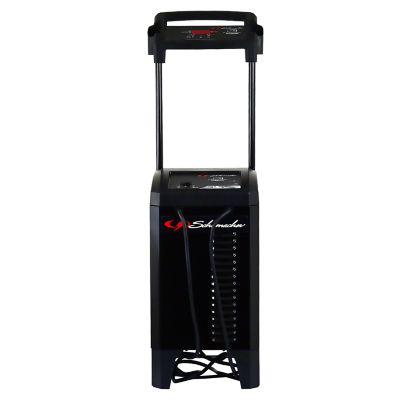
Vehicle battery chargers help keep cars, trucks, motorcycles, boats, ATVs, RVs, and other equipment ready to work when you need them. A good charger can bring a low battery back up, maintain a fully charged battery during storage, or help extend battery life by preventing the deep discharge that often happens when a vehicle sits unused. Rural drivers, landowners, commuters, weekend riders, and anyone who keeps more than one vehicle on the property can put these chargers to work. A pickup that spends the week parked near the barn, a motorcycle tucked away during cooler months, or a boat waiting for warmer weather can all benefit from a steady charging routine. Chargers vary from compact maintainers designed for long-term storage to higher-output units made for faster charging and more demanding batteries. When shopping, start by matching the charger to the vehicle and battery. Check the battery voltage, which is commonly 12 volts in cars, trucks, motorcycles, boats, and many small pieces of equipment, while some larger equipment uses a different system. Battery type matters, too. Standard flooded lead-acid batteries, AGM batteries, gel batteries, and lithium batteries can have different charging requirements, so choose a charger that is approved for the battery chemistry in your vehicle. A charger with automatic voltage detection and selectable charging modes can make the process easier, especially when one household has several types of equipment. For lawn and garden equipment, shoppers may also want to browse
Lawn Mower Battery Chargers for options suited to mower batteries and similar small-engine applications.
Amperage is another important part of the decision. Lower-amp chargers and battery maintainers are a practical choice for keeping a healthy battery topped off during storage. They deliver a slow, controlled charge that is well suited to a vehicle that may sit for days or weeks, helping reduce the drain caused by clocks, security systems, computers, and other small electrical loads. A higher-amp charger may make more sense when a battery needs to be recharged in less time or when you regularly service several vehicles. Keep in mind that a charger is not always the same thing as a jump starter. A charger generally needs time to add energy back to the battery, while a jump starter provides a short burst of power to help start an engine. Some charging units are designed for both jobs, but the product specifications should clearly explain those functions. Smart chargers are especially useful for people who want a little more convenience and control. Many use multi-stage charging, beginning with a stronger charge and then easing back as the battery fills. Once the battery reaches the proper level, an automatic maintenance mode can help keep it ready without continuously overcharging it. Built-in safety features may include protection against reverse polarity, short circuits, overheating, overcharging, and incorrect connections. Some models also include desulfation or battery-reconditioning modes intended to help address sulfation buildup on certain lead-acid batteries. These features can be helpful, but they cannot repair a battery that has reached the end of its service life. A battery that will not hold a charge, has a cracked case, leaks, or shows heavy corrosion should be inspected and replaced as needed rather than repeatedly charged.
The right charger also depends on where and how it will be used. A compact unit with simple controls may be a handy choice for a garage shelf, service truck, or utility trailer, while a charger with a longer cord, clear status lights, weather-resistant construction, or multiple charging banks can be useful around a farm, shop, marina, or busy household. Look for clamps and cables that feel sturdy, connections that fit the battery posts securely, and instructions that are easy to follow. Before connecting a charger, park the vehicle safely, turn off the ignition and accessories, inspect the battery for damage, and work in a well-ventilated area away from sparks and open flames. Follow the charger and vehicle manufacturer’s instructions for connecting and disconnecting the leads, and avoid charging a frozen or visibly damaged battery. During the cooler months, batteries often work harder to start an engine, while vehicles that sit for long stretches may slowly lose power even when they are not being driven. A maintainer can be a thoughtful gift for someone with a classic car, motorcycle, camper, work truck, farm ATV, or seasonal recreational vehicle, especially when paired with a simple reminder to check connections before putting equipment away. Keeping a charger on hand can save a long walk back from the far end of a property, a missed morning of chores, or an inconvenient trip to town for a replacement battery. Whether the goal is routine maintenance, occasional recovery, or dependable support for several vehicles, compare charging speed, battery compatibility, safety features, storage needs, and ease of use to find a vehicle battery charger that fits the work ahead.