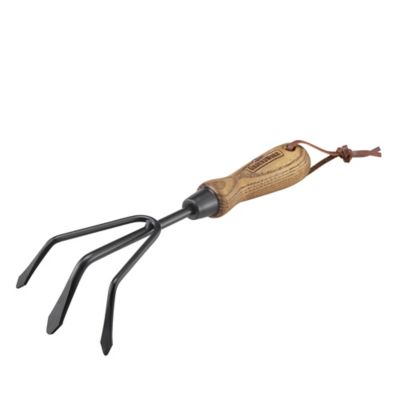
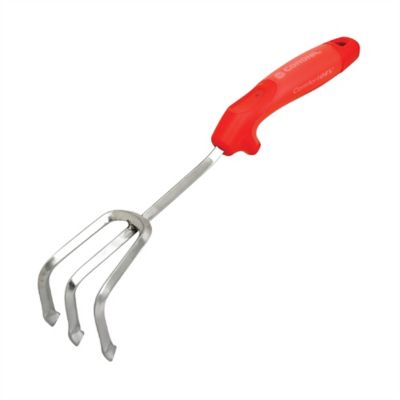
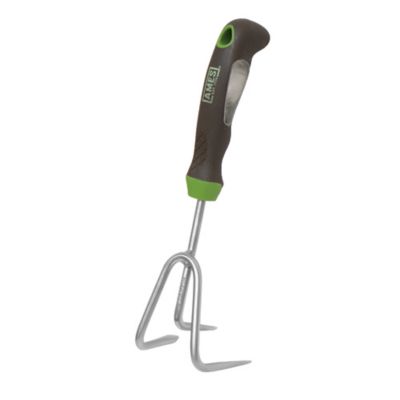
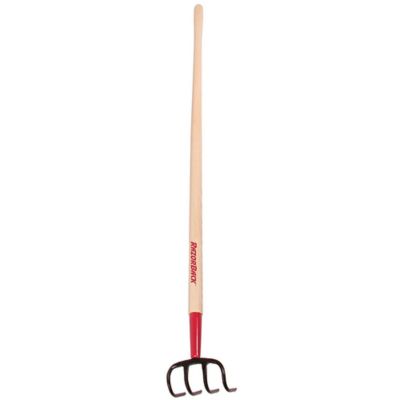
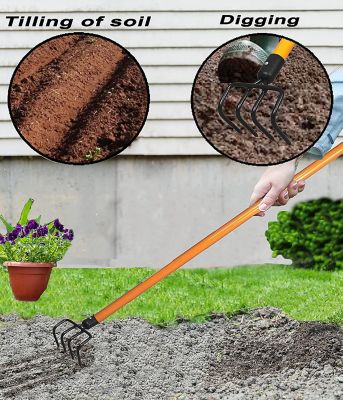
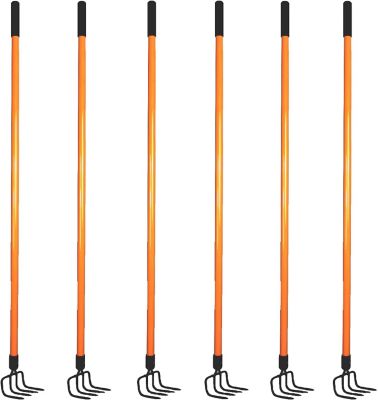
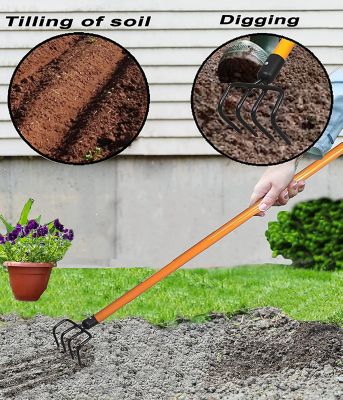
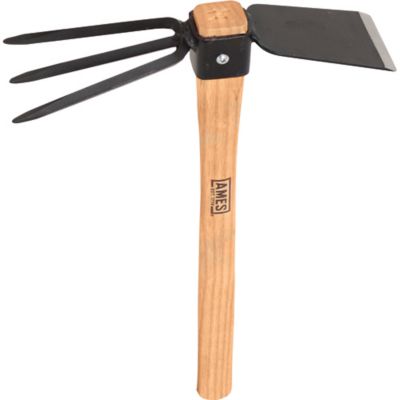
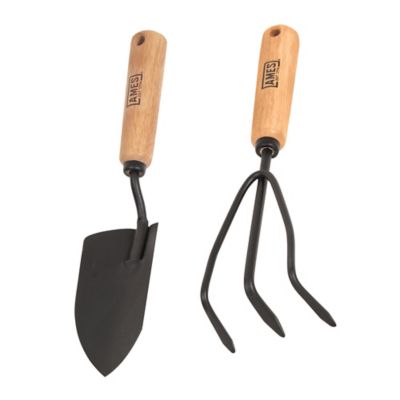
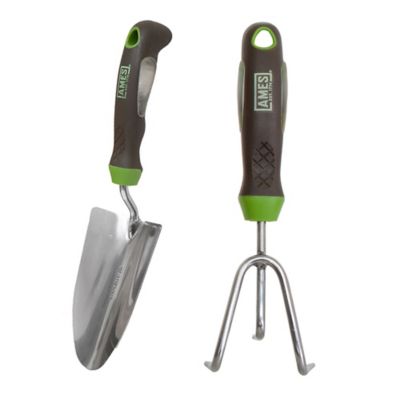
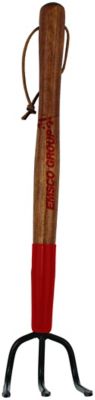
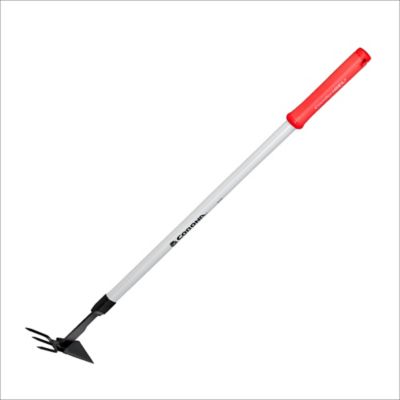
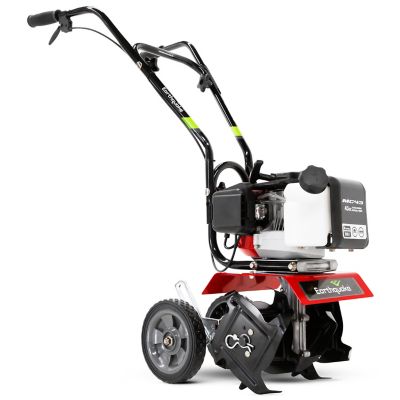
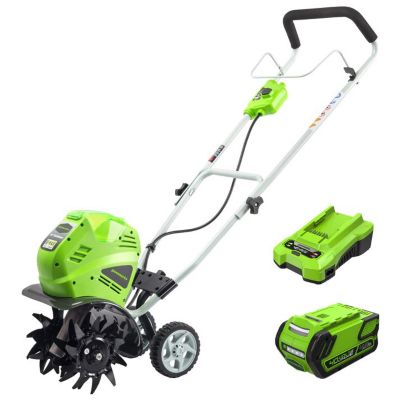
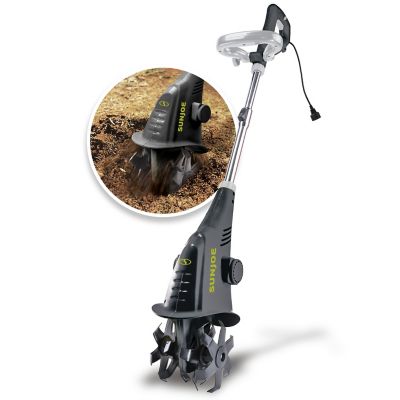
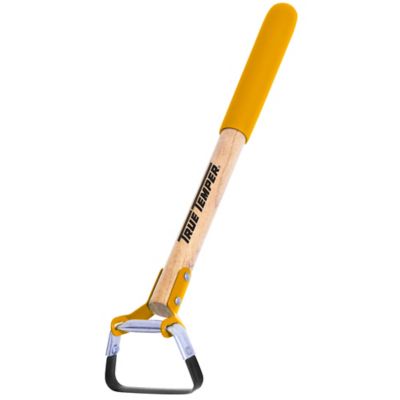
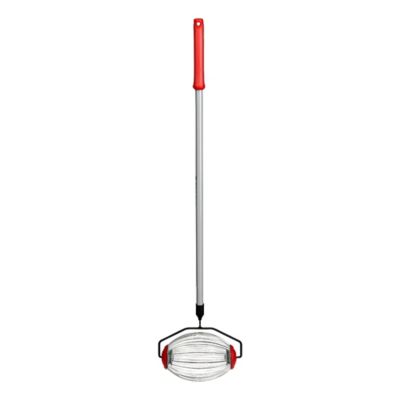
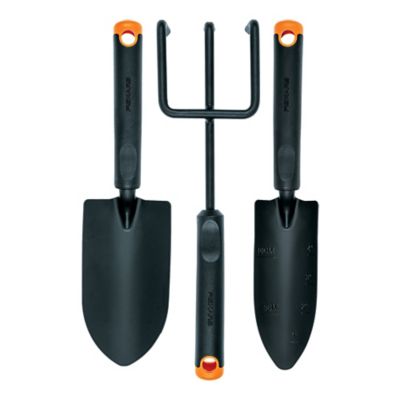
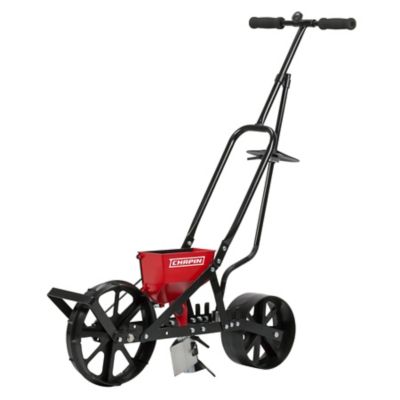
A handheld cultivator is a garden tool with a set of tines that loosen and stir the top layer of soil. A short-handled manual cultivator gives you room to work in places a bigger tool can’t reach, like a porch planter, the corner of a raised bed or the narrow strip between a row of beans and the boards that edge the garden. The tines pull through the soil to break up a crust, lift small weeds and work compost into the surface. That makes a hand cultivator handy for tending soil around plants that are already growing as well as for tidying up a bare patch before planting. The shape and spacing of the tines make a difference. A narrow head can fit between clumps of chives without raking through their stems, while a wider head covers more ground across an open bed with each pass. Narrow, pointed tines can get into firm soil more readily than broad, blunt ones, while a little extra space between the tines gives bits of mulch and plant debris room to pass through. Around young plants and shallow roots, a tool that’s easy to draw lightly across the surface matters more than one that can dig deep. A hand cultivator can shake loose the roots of a small weed, but it’s not always the best match for a dandelion with a long taproot or grass that spreads by runners. Those can grow back if pieces of root are left behind. A hand trowel is a better fit for scooping a planting hole, and a digging fork is better suited to opening up ground that’s packed hard well below the surface. A cultivator earns its spot in the tool bucket in between those jobs: there’s room to get the tines in, the ground needs loosening rather than turning over, and the plants nearby need to stay put.
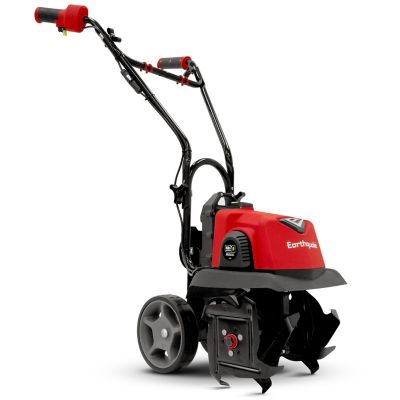
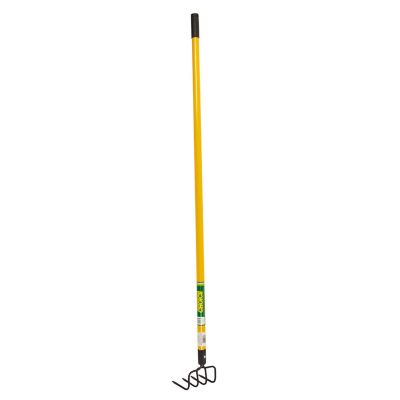
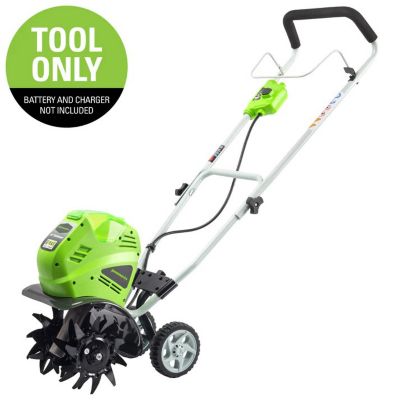
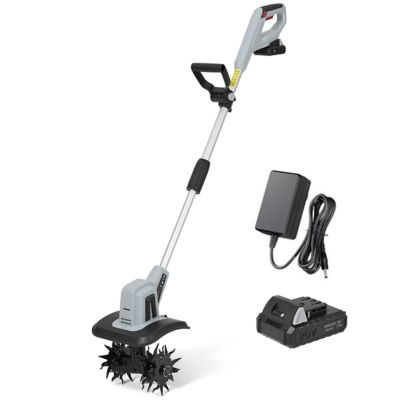
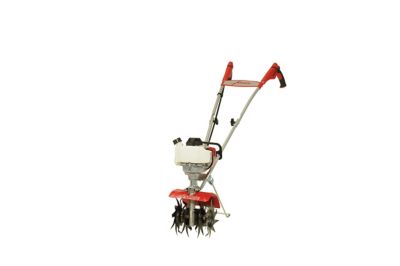
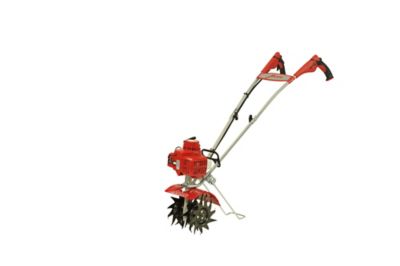
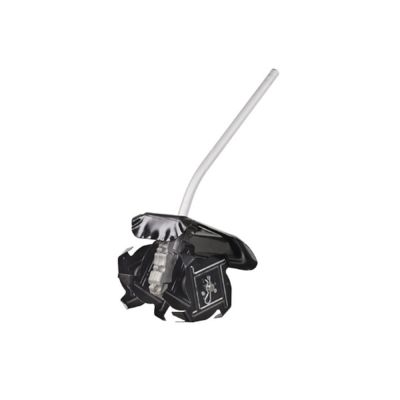
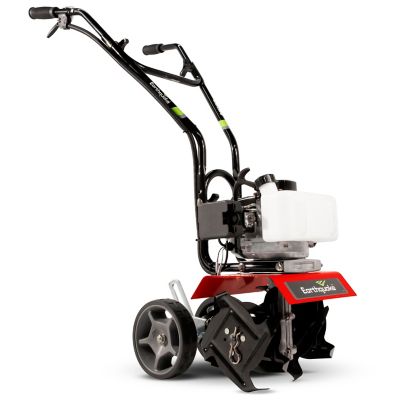
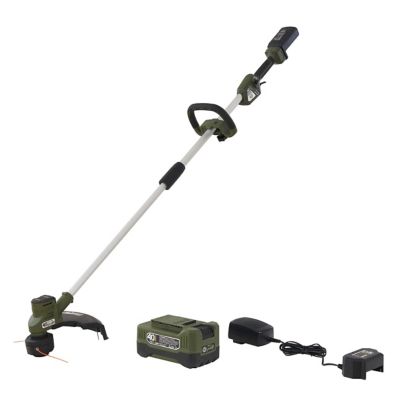
Handle length, grip shape and tool weight all affect how a cultivator feels once there’s some resistance on the tines. A short handle keeps the head close to your hand, which makes it easier to steer around a strawberry crown or along a drip line. It’s a good fit if you tend a bed from a kneeling pad or work at a potting bench. If the middle of a raised bed always seems just out of reach, a little more handle length can help without making the tool awkward to turn. For open rows or work you’d rather do standing up, a long-handled cultivator gives you more reach and leverage. Grip size is worth a look, too. A handle that fills your palm without making you squeeze hard is easier to guide, especially if you’re wearing gloves. A head with some heft can help the tines bite into firm soil, but a tool that feels front-heavy can get tiring if most of the work is at arm’s length. Manual cultivators give you direct control over each stroke and don’t need a battery or fuel. A compact cordless cultivator can take some of the repeated pulling and twisting out of loosening soil across several small beds, provided there’s enough clearance for the moving tines. Working width, tine depth and weight with the battery in place tell you more about how it’ll fit than the tool’s overall size alone. If you already have cordless garden tools, check which batteries the cultivator takes rather than assuming the same voltage means they’ll fit. Gas-powered mini cultivators are generally guided from a standing position and are better suited to open ground than to working between plants in a narrow bed. For longer rows or wider stretches of soil,
Yard Cultivators offer more room to compare working widths and handle styles.
Steel is common for cultivator tines because it stands up to repeated pulls through soil. Stainless steel resists rust, while painted or coated steel has a protective finish that can wear at the tips where the tines scrape against grit and stones. The connection between the head and handle is worth as much attention as the metal itself. When a tine catches on a root or a buried stone, that joint takes much of the strain. A head that sits firmly in the handle is easier to control than one that twists or wiggles as you pull. A smooth wood handle has a firm feel, while a molded or cushioned grip can be more comfortable if you spend a lot of time working barehanded. With either style, a shape that fits your hand matters more than thick padding. A little care goes a long way: brush dirt out from between the tines before putting the tool away, wipe off anything that clings and let the head dry before storing it. Keeping a wood handle out of damp soil also helps keep it from swelling or splitting. With a powered cultivator, follow the maker’s directions for shutting it down and disconnecting the power before clearing debris or cleaning around the tines. For someone just getting started with a couple of pots, a simple manual cultivator is a useful gift that doesn’t take up much room. It can be just as welcome to someone who’s kept a kitchen garden for years and wants a small tool close at hand for the spots a hoe can’t reach. The best fit comes down to the space you tend and the work you do most, whether that’s teasing little weeds out of a lettuce bed or working a handful of compost into the soil around a porch tomato.