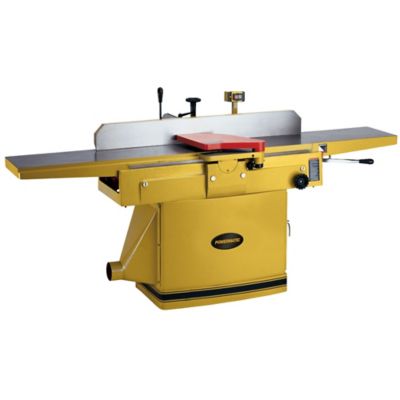
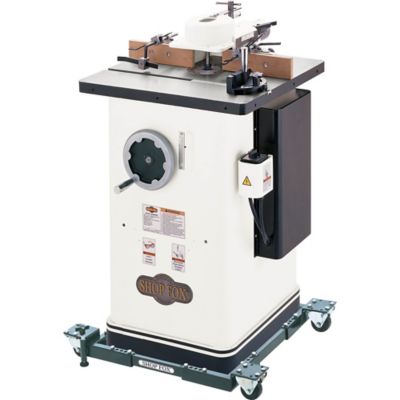
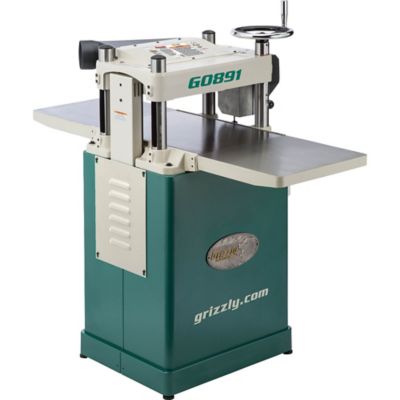
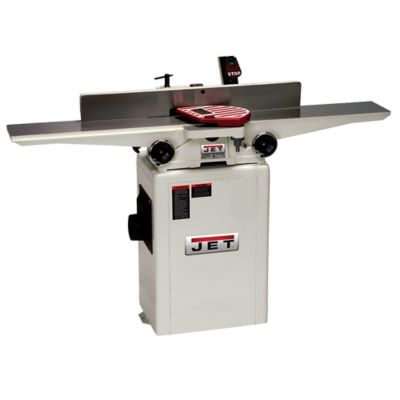
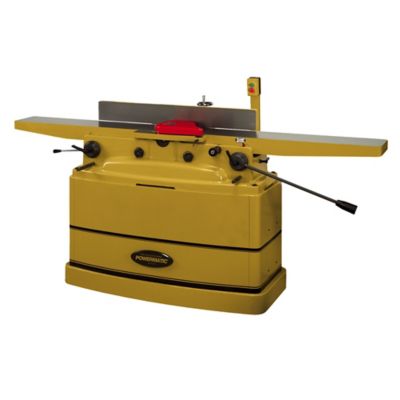
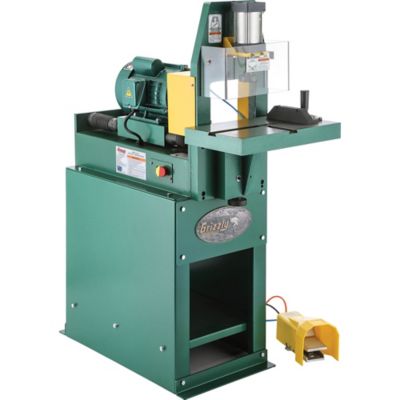
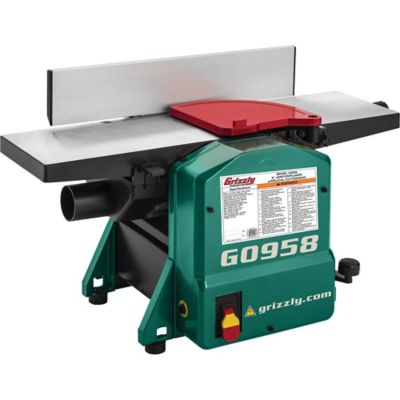
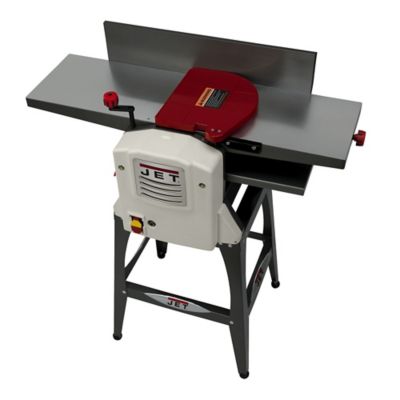
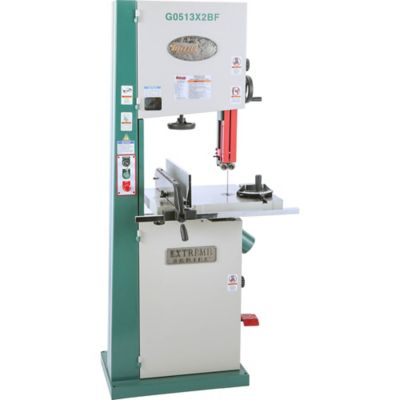
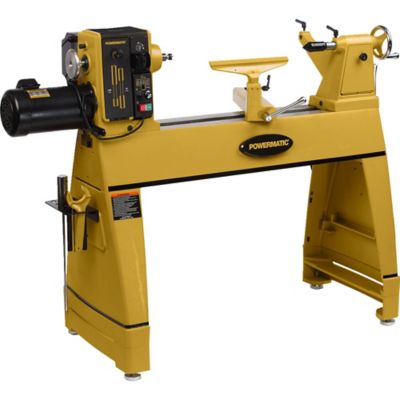
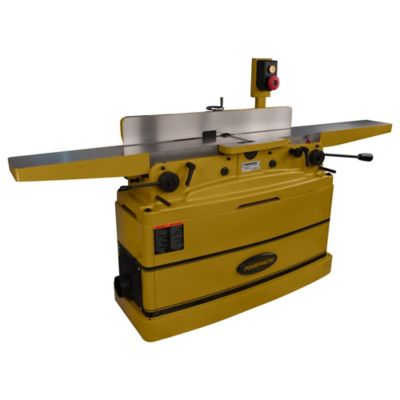
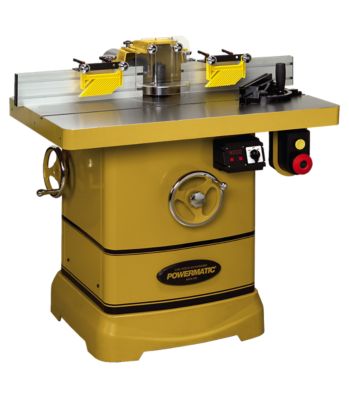
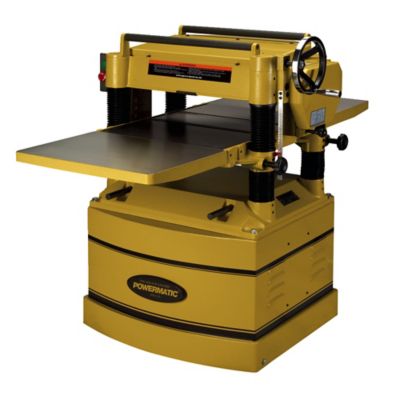
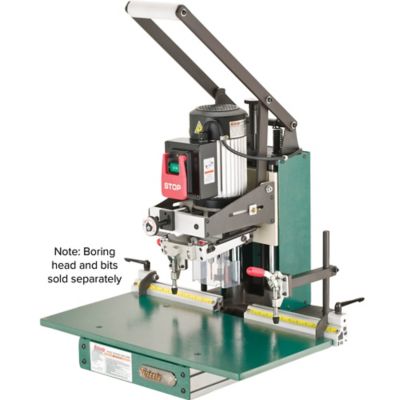
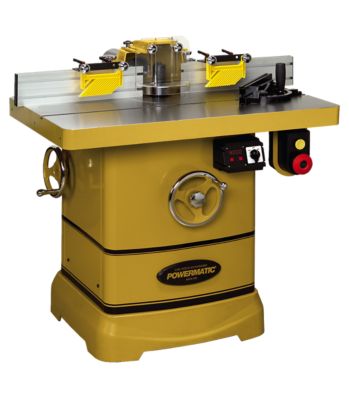
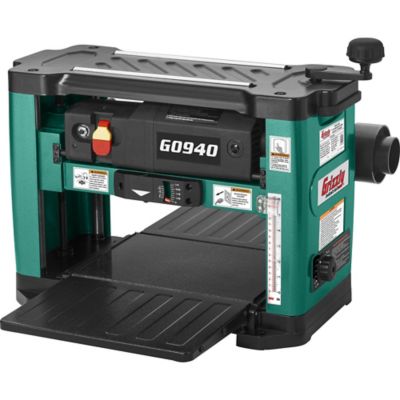
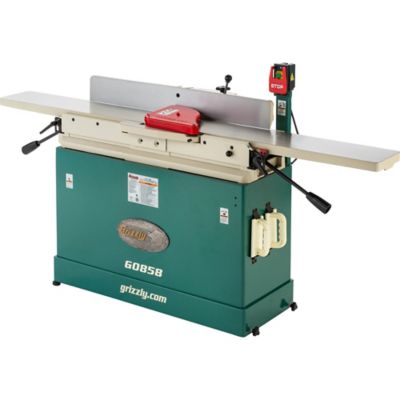
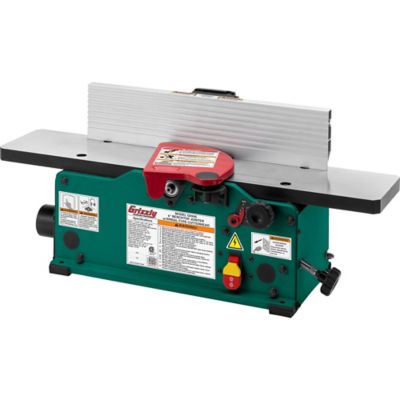
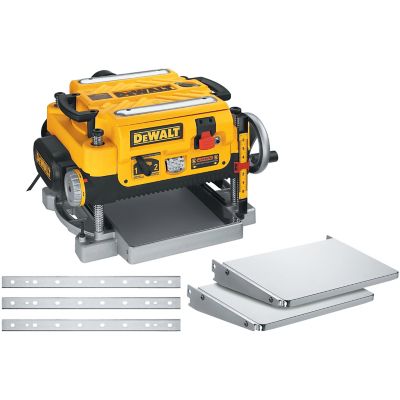
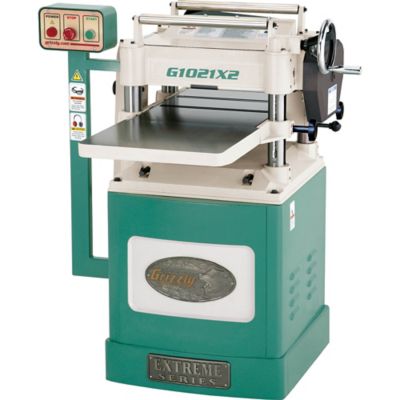
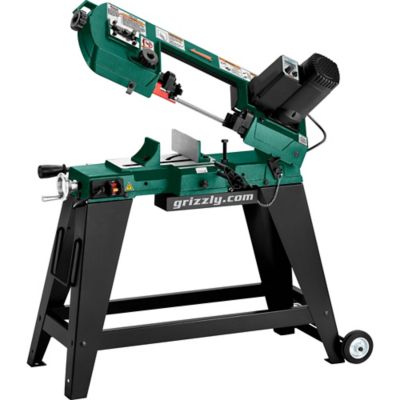
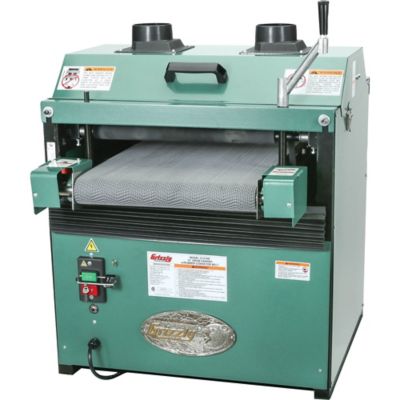
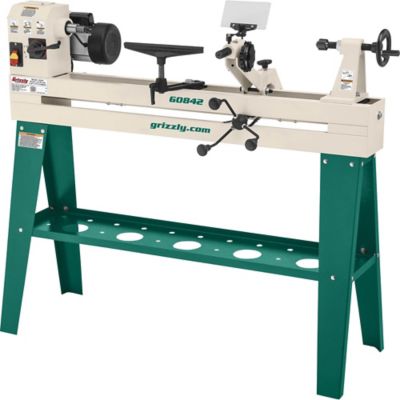
Woodworking machinery is powered equipment that cuts, shapes, smooths or drills lumber and wood-based panels. It ranges from portable machines that travel to the job to stationary equipment that gives boards a steady working surface in a shop. For someone building feed-room shelves, fitting cabinet doors or making a solid workbench, the right machine helps turn rough material into parts that fit together cleanly. Different machine types handle different parts of that work. Table saws make straight cuts along or across boards, with suitable support and setups for each task. Miter saws handle crosscuts and angled cuts, while band saws follow curves and can resaw thicker lumber when their capacity and blade setup allow it. A jointer flattens a board’s face or straightens an edge; a thickness planer brings material to a consistent thickness after a flat reference face has been established. Those jobs are related, but the machines are not interchangeable. Drill presses provide a stable setup for boring holes, and sanding machines smooth surfaces or refine edges before assembly and finishing. Wood lathes handle turning work, such as shaping handles, chair parts and bowls. The material on the bench matters, too. Pine, oak, maple, plywood and other wood-based panels differ in density, grain, thickness and surface behavior. A machine that handles narrow softwood boards comfortably may need a different blade, feed approach or capacity for wide hardwood pieces. Sheet materials also call for enough support to keep large panels steady throughout a cut. For a home woodworker, farm shop or maintenance crew, choosing machinery starts with the work that comes through the door most often. Building storage cabinets calls for different capabilities than turning small parts or milling rough-sawn boards. A useful shop setup supports those everyday jobs without making each cut, hole or sanding pass harder than it needs to be. That can mean a few well-matched machines rather than equipment for every possible project.
Fit involves more than whether a machine can squeeze into an open corner. Woodworking machinery needs room for the operator, access to controls and enough clearance for material entering and leaving the working area. A compact machine can still require considerable space when a long board passes through it. In a garage that also holds a truck, mower or farm supplies, a suitable mobile base may help free up floor space between projects, provided the machine stays stable and secure during operation. Larger stationary equipment generally calls for a more permanent layout, with attention to floor support, lighting and access for maintenance. Electrical requirements deserve the same attention as cutting capacity. Voltage, amperage, plug configuration and the manufacturer’s circuit requirements determine whether a machine suits an existing workspace; an appropriate electrical setup is part of the fit, not an afterthought. Capacity measurements also mean different things across machine categories. Maximum cutting depth, board width, throat clearance, swing and working-table size describe different limits, so the measurement that matters depends on the task. A thick workbench leg, a broad shelf panel and a curved chair part each place different demands on equipment. Construction details help explain how machinery feels in regular operation. Cast-iron tables add weight and can provide a steady working surface, while steel stands, sound bearings and secure adjustment mechanisms contribute to stable performance. Table flatness, fence alignment and controls that hold their settings matter when several parts need to match. For projects built around solid lumber,
Hardwood Tools can complement powered machinery during fitting, shaping and finishing work. Comfortable control placement and readable adjustment scales also matter for someone spending several hours at a bench. Beginners may value straightforward adjustments and manageable material sizes, while experienced woodworkers may need more capacity for repeated cuts or larger assemblies. Neither situation calls for the biggest machine by default; it calls for equipment suited to the work and the person handling it.
Care and upkeep have a lot to do with how woodworking machinery performs over the long haul. Wood dust, resin and chips collect around working surfaces, fences, blade housings and moving parts, and that buildup can interfere with smooth operation. Cleaning methods, lubrication points, belt checks and adjustment intervals vary by machine, so the manufacturer’s maintenance directions remain the reference for routine care. Power should be disconnected before blade changes, clearing jams or maintenance that exposes moving components. Sharp, properly matched blades and cutters help produce cleaner surfaces without forcing the machine through material. Feed speed, grain direction and cutter condition all affect the result, whether the goal is a smooth cabinet side or a square end on a shelf board. Rust prevention on exposed metal surfaces, inspection of cords and switches, and attention to loose fasteners help keep equipment ready for the next project. Dust collection deserves space in the shop plan as well. Collection ports, hose connections and airflow needs differ, and a collection system has to match the equipment it serves. Dust capture does not replace task-appropriate respiratory protection, just as a steady table does not replace guards, safe working methods or eye and hearing protection. Clear walkways and accessible shutoff controls are practical parts of a working shop, especially where long boards and wide panels move between machines. Beyond the equipment itself, repeatable results depend on sound measuring, marking and material support. A cabinet door that closes evenly or a workbench top that sits flat reflects several well-matched operations, not just one powerful motor. That is why woodworking machinery suits a wide range of people, from hobby woodworkers making household furniture to experienced builders handling shop fixtures and property repairs. When equipment is intended as a gift, the recipient’s workspace, electrical setup, experience and usual projects are worth knowing beforehand. Machinery that fits those everyday realities can earn its place through regular work, helping turn a stack of boards into useful pieces for the house, barn or shop.