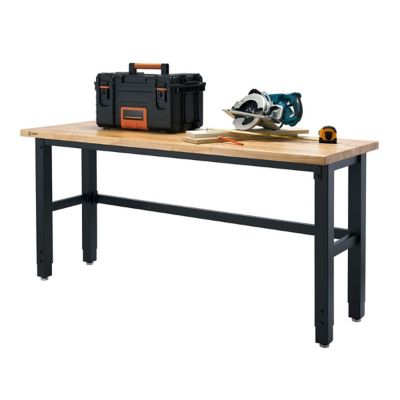
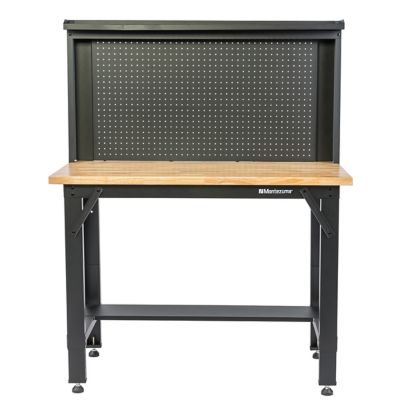
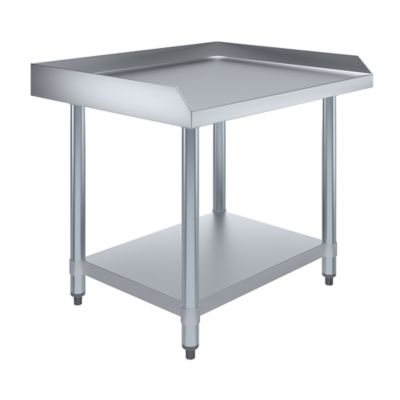
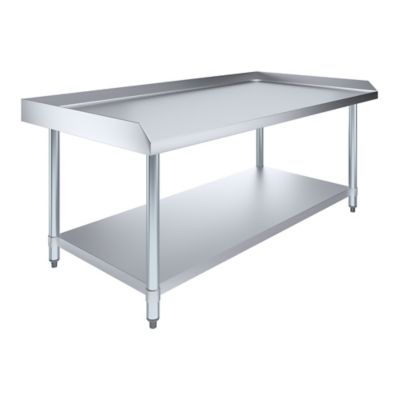
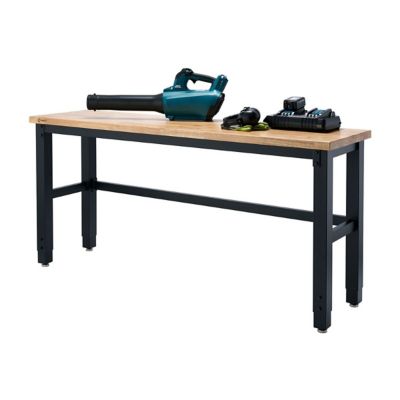
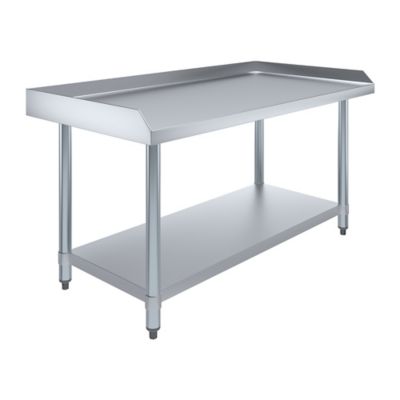
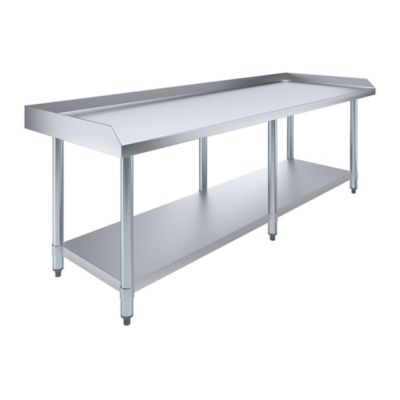
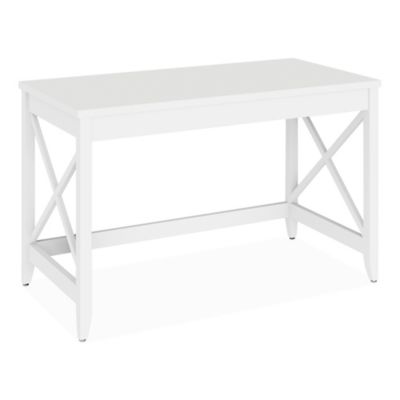
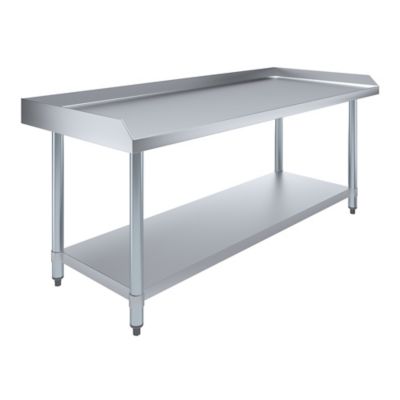
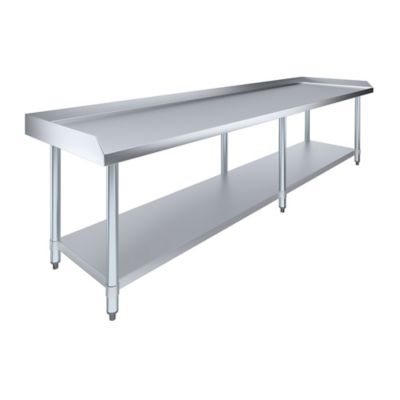
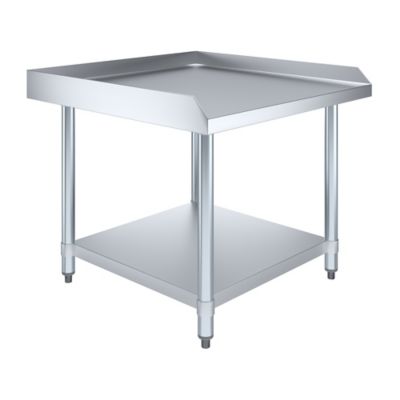
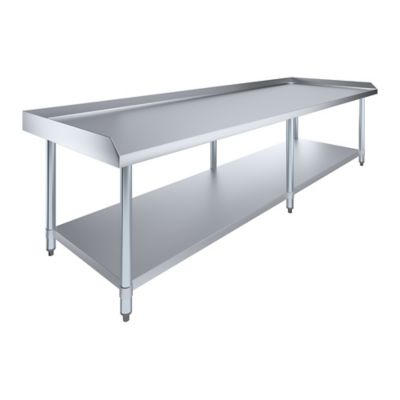
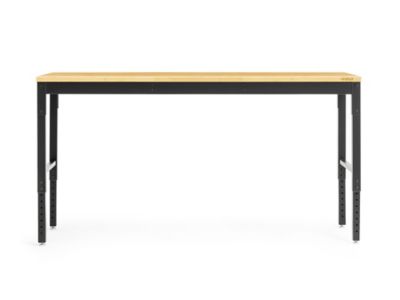
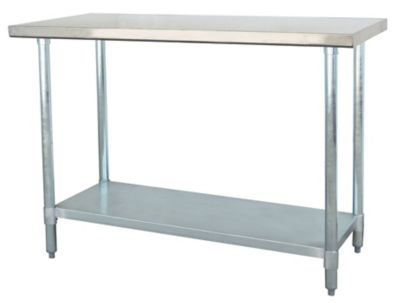
Workshop furniture gives everyday repair jobs, equipment upkeep and hands-on projects a place to land. Whether the space is a corner of the garage, a farm repair shop or a separate building behind the house, the right setup puts a steady work surface, storage and seating within easy reach. A solid bench can serve as the center of the room, with enough space to lay out mower parts, clamp a board or sort hardware without balancing everything on a narrow edge. The work you do helps determine which materials make sense. Steel frames provide substantial support, while wood tops offer a forgiving surface for assembly work and can often be refreshed according to the manufacturer’s directions. Metal work surfaces can make certain cleanup tasks simpler, though compatibility with oils, solvents and other shop chemicals depends on the material and finish. Surface texture matters, too: a smooth top makes small washers easier to spot, while seams and deep grooves can catch shavings and grit. For heavier work, consider the load rating of the whole bench along with any separate shelf or drawer limits. A rating for evenly distributed weight does not necessarily cover a heavy vise mounted at one corner or repeated hammering in a small area. Bench depth should leave room for the task without forcing a long reach across tools or sharp parts. Height deserves the same attention. Standing work, close inspection and seated assembly call for different positions, and adjustable furniture can accommodate more than one person or task. Before settling on a footprint, measure the floor space, doorways and the path the furniture must travel to reach its spot. Account for handles, overhanging tops and anything mounted along the sides. A bench that fits the wall still needs clearance around it for carrying a long board, opening a cabinet or moving an equipment part safely into place.
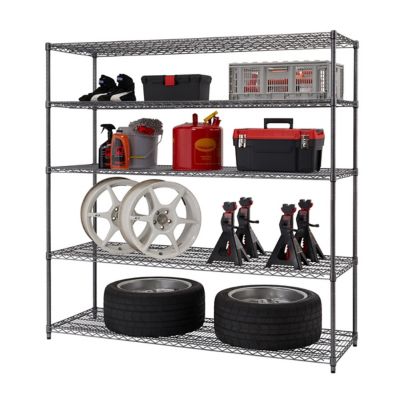
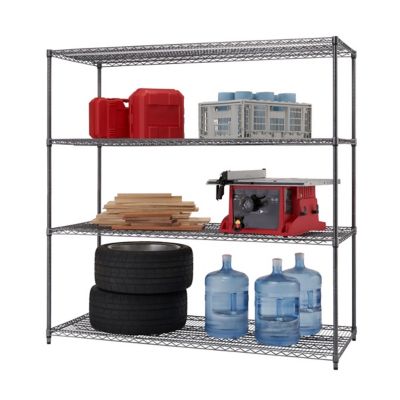
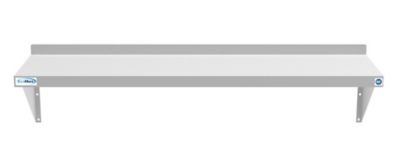
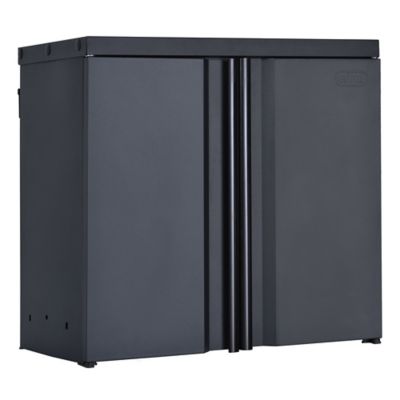
Storage furniture helps keep that work surface ready for the next job instead of buried under the remains of the last one. Drawers suit smaller tools and loose components, while cabinets and open shelving handle different needs for access, visibility and protection from shop dust. Shallow drawers can keep sockets, bits and measuring tools in a single layer, making an empty spot easier to notice before a repair is finished. Deeper compartments offer room for larger gear, but their usefulness depends on the opening size, interior dimensions and rated capacity, not just how much space they appear to have from the outside. Adjustable shelves can accommodate taller cases and supplies without leaving a large stretch of wasted space overhead. Doors help shield contents from debris, while open shelves keep frequently reached-for equipment in sight. Pairing furniture with
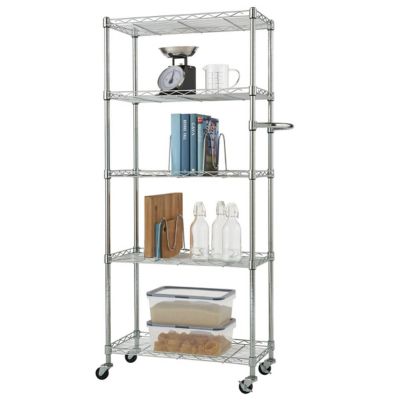
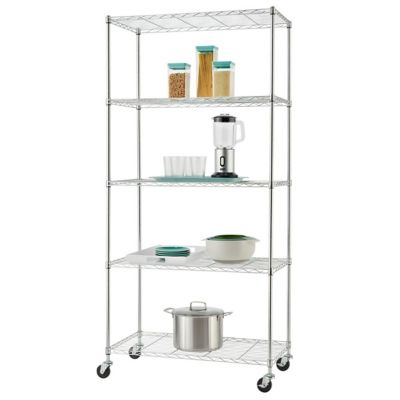
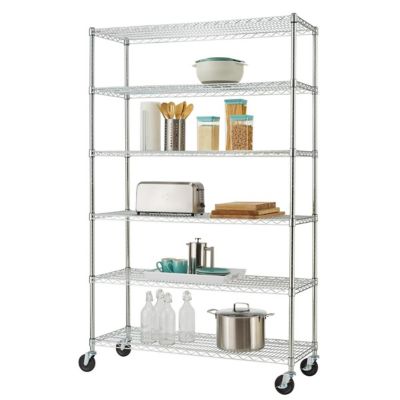
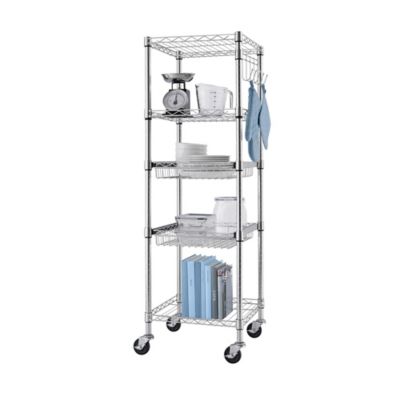
Workshop Organizers can bring more order to the small parts that otherwise collect around the bench. Think about the path of a typical task: carry in the part, gather the tools, do the work, then clean up and put everything back. Storage close to each step cuts down on trips across the room, especially when your hands are full. Rolling furniture offers flexibility for jobs that move between the bench and a piece of equipment, but caster size, wheel material and floor condition all affect how it handles. Cracks, thresholds, cords and scattered fasteners can interrupt that travel. Wheel locks help hold a unit in place, though mobile furniture is not a substitute for a fixed bench when a task calls for firm anchoring. Tall cabinets and shelving may require attachment to a suitable structure according to the manufacturer’s instructions. Keeping heavier loads low, respecting drawer limits and following directions about opening drawers can reduce tipping risks. Leave room for doors and drawers to open without blocking walkways, electrical panels or exits, and keep storage clear of the area needed to operate nearby equipment.
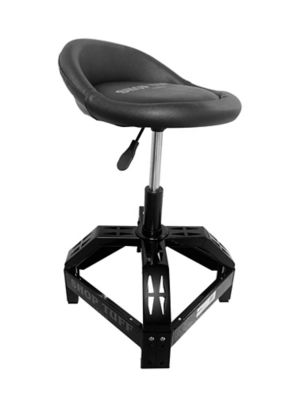
Seating and supporting furniture round out a workshop where some jobs take five minutes and others take most of an afternoon. A shop stool can make sorting fasteners or working on a small assembly more comfortable, provided its height matches the work surface and leaves enough knee room underneath. A footrest offers support when the seat sits higher than a typical chair, and an adjustable seat can help different people find a workable position. Swivel seats make it easier to turn toward nearby supplies, while a stable base matters when leaning forward for close work. Seating on casters needs particular care around uneven floors or tasks that involve pushing and pulling. Upholstery that wipes clean may suit greasy repair work better than fabric that traps grit, but cleaning products should always match the seat material. Across the whole setup, everyday upkeep makes a difference in how furniture holds up over time. Wiping away spills promptly, brushing shavings out of drawer tracks and checking fasteners can prevent small problems from becoming bigger ones. Wood surfaces may need periodic treatment or refinishing, depending on their construction and coating. Painted and powder-coated steel should be checked for scratches or exposed metal, with touch-ups handled as the maker recommends. Drawer slides, hinges and casters benefit from inspection, and moving parts may need lubrication where the instructions call for it. Furniture that can be leveled is especially helpful on a shop floor that is not perfectly flat; a wobble under a careful measuring task gets frustrating fast. Farm owners maintaining equipment, woodworkers assembling projects, mechanics handling repairs and homeowners keeping up with chores all benefit from a layout matched to the work they actually do. A well-planned space does not have to fill every wall. Leaving open floor area for awkward parts, a clear approach to the bench and a sensible place for tools between tasks can be more useful than squeezing in another cabinet. The best fit is furniture that supports the load, suits the space and helps keep the next job moving.