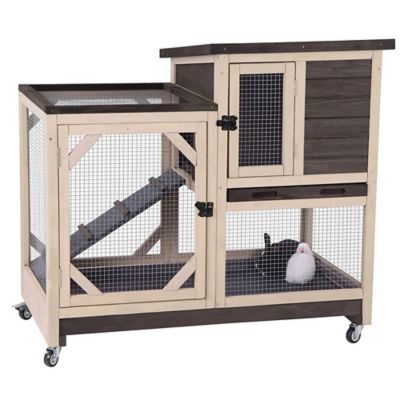
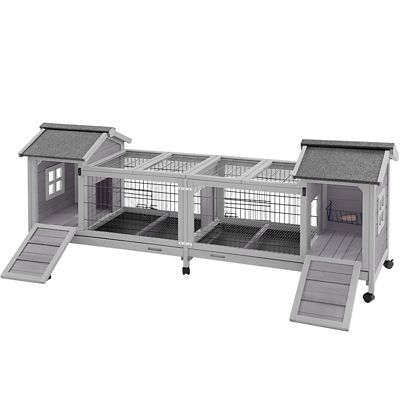
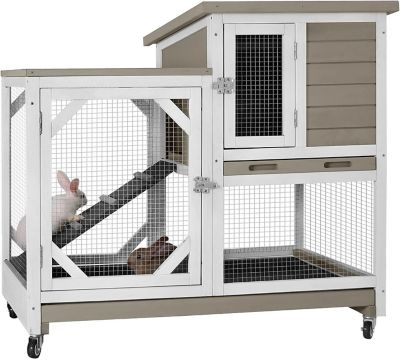
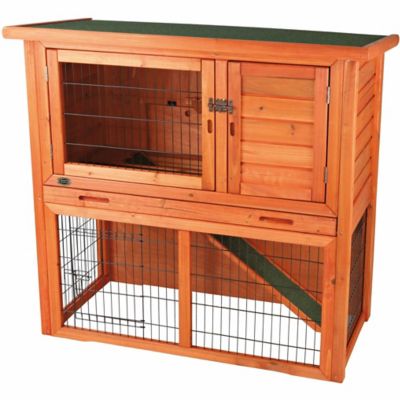
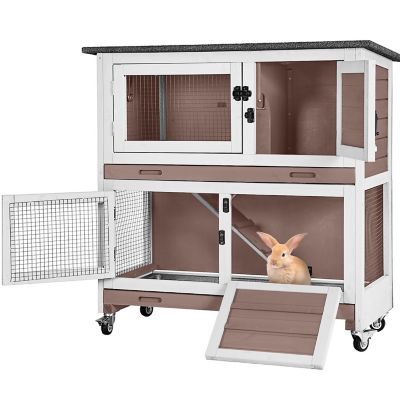
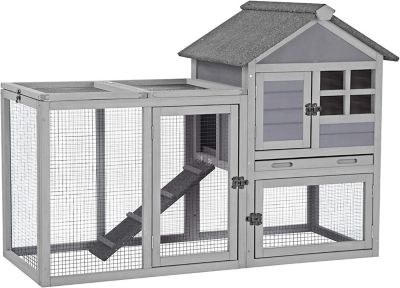
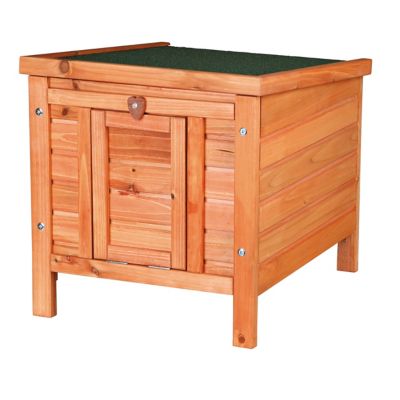
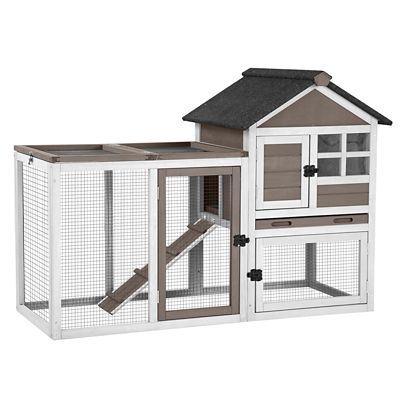
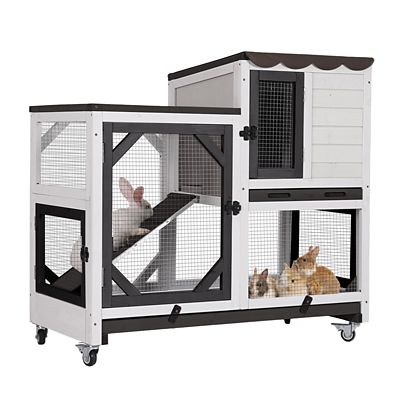
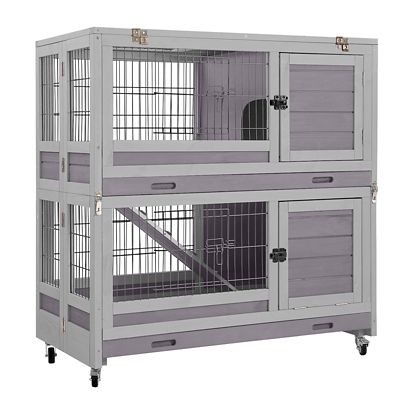
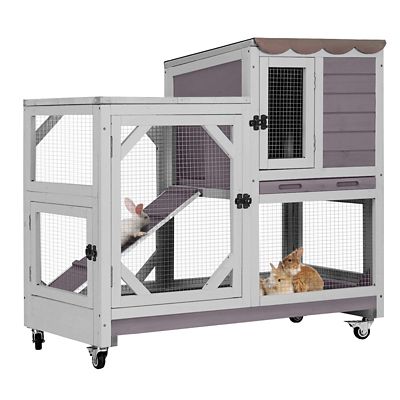
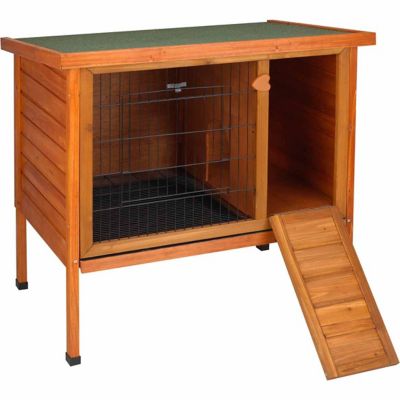
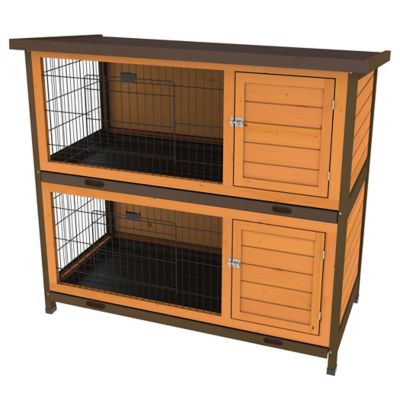
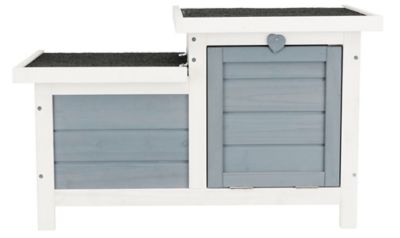
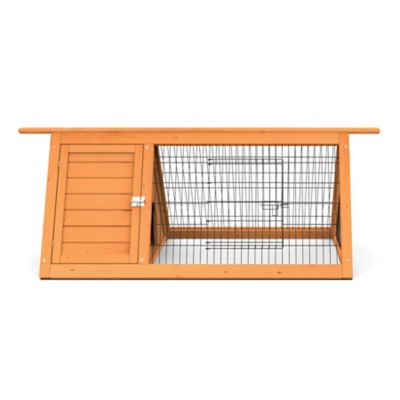
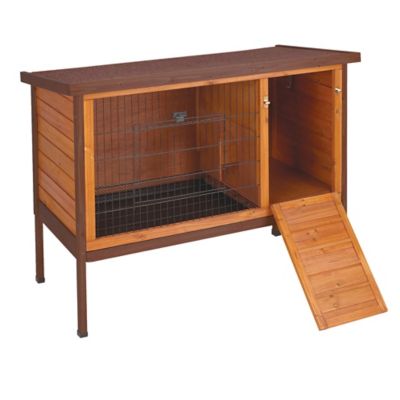
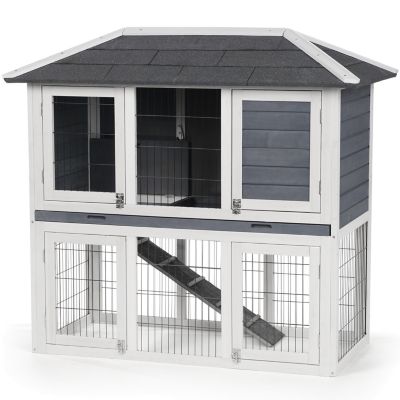
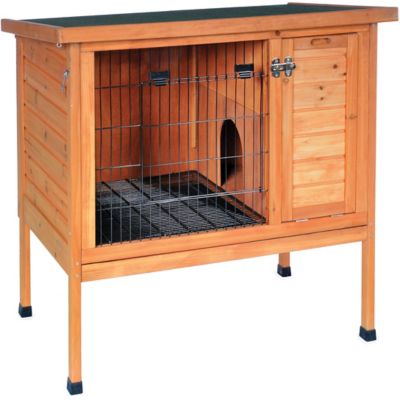
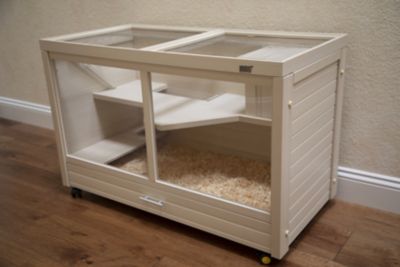
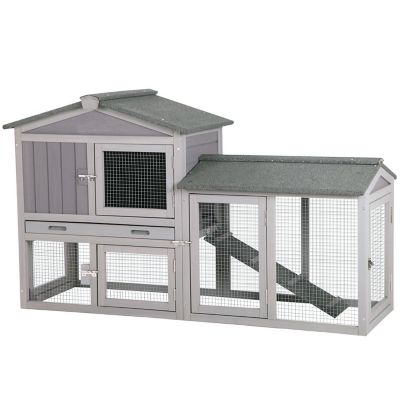
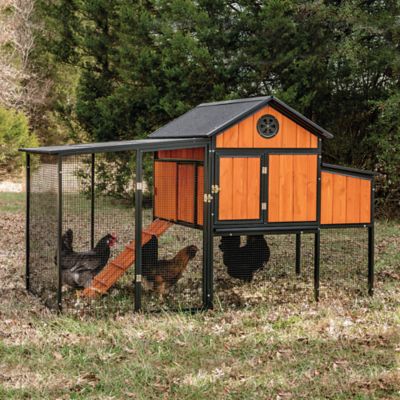
Wooden hutches give rabbits and other small animals a sheltered place to rest, eat and settle into a daily routine, with a look that fits naturally around a backyard, barnyard or homestead. The right setup starts with the animal rather than the space left beside the shed. A rabbit needs room to stretch out fully, stand upright without its ears touching the roof and move around without squeezing past bowls or bedding. A sleeping compartment provides a retreat, while an attached enclosure can offer more room for everyday activity. Even so, a compact hutch is not a replacement for a spacious exercise area where rabbits can hop, explore and move freely under safe supervision. Overall dimensions tell only part of the story: interior partitions, ramps and enclosed sleeping quarters all take up usable floor space. A wide footprint can be more practical than extra height, especially for an animal that spends most of its time at ground level. Guinea pigs have different housing needs from rabbits, including plenty of level floor space and easy access to food, water and hiding places. Tall layouts and steep ramps may not suit them, so a hutch’s intended species and layout matter as much as its appearance. For households with more than one animal, space for compatible companions, separate resting spots and more than one access route can help prevent crowding. Animals that do not get along need separate accommodations rather than a shared enclosure. Placement also shapes how smoothly the setup works. A level location with a clear path makes feeding and cleaning less of a chore, and there should be enough room to open every door and remove trays without shifting the whole structure. For a family tending animals before school or a small-property keeper fitting chores around the workday, those everyday details make a real difference. An enclosure that is easy to reach and inspect supports attentive care without turning each feeding into a balancing act.
Wood construction gives hutches a solid framework, but the kind of lumber, the joinery and the finish all deserve a close look. Fir, pine and other woods can differ in weight, grain and maintenance needs, and the material name alone does not establish whether a surface is suitable for chewing. Any wood or coating within an animal’s reach should be intended for that application, with care and treatment directions followed closely. Exposed edges invite nibbling, so smooth surfaces, protected corners and replaceable components can be useful features. Rabbits still need suitable chewing materials of their own; the frame should not become their main source of entertainment. A well-built enclosure also depends on more than thick boards. Secure joints, firmly attached mesh and doors that sit squarely in their frames help the structure hold together through repeated opening, cleaning and animal activity. Wire spacing needs to suit the species and size of the animal, including any smaller animals that might occupy the enclosure. Strong welded mesh can form a protective barrier, while loose sections, sharp wire ends or gaps around doors create trouble spots. Outdoor housing also calls for hardware that resists tampering by predators. A simple sliding catch may be easy for a raccoon to work loose, making secure latches an important part of the setup. Access from underneath deserves attention as well, since an enclosure resting on bare ground may leave room for digging. Inside, solid resting surfaces support comfortable footing, and exposed wire flooring should not be the animal’s only place to stand or lie down. Ramps need traction, gentle slopes and enough width for easy movement. An older rabbit with stiff joints may manage a single-level layout more comfortably than a tall hutch with multiple platforms. These construction details are not just finishing touches; they affect how the animal moves, how safely the enclosure functions and how well it stands up to daily chores.
A wooden hutch earns its place in the animal-care routine when its layout makes the necessary work straightforward. Broad access doors let a caretaker reach the far corners, lift out bedding and handle an animal calmly instead of reaching blindly through a narrow opening. A roof that opens can improve access, provided it has a secure support and cannot fall shut. Removable trays and accessible floor panels can simplify cleanup, but their fit matters: a tray should slide without binding and sit securely when it is back in place. Wood benefits from regular attention because moisture from spilled water, urine and damp bedding can soak into surfaces and contribute to odors or deterioration. Prompt spot cleaning, fresh bedding and thorough drying after washing help keep the living area comfortable. Cleaning products should be suitable for the animals and materials involved, with rinsing and drying completed according to their directions. Food and water placement matters, too. A dispenser mounted at a comfortable height or a heavy bowl positioned away from the sleeping area can help keep bedding cleaner, while a hay rack should be reachable without forcing an awkward stretch. The hutch should leave room for these essentials without taking away the open floor area the animal needs. Routine inspections can catch a loose hinge, a chewed corner or a rough patch before it becomes a larger repair. Families involving children in feeding and bedding changes may appreciate reachable doors and simple access, though an adult still needs to oversee handling, latches and cleaning. A wooden hutch can be a practical part of a thoughtfully planned small-animal setup, especially when it connects safely with a generous exercise enclosure and keeps daily care within easy reach. Poultry keepers have a different set of housing needs, including roosting space and nesting areas, so
Wood Wall Chicken Coops are a separate consideration rather than an interchangeable home for rabbits or guinea pigs. Matching the enclosure to the animals and the chores helps make the whole arrangement work better for everyone tending it.