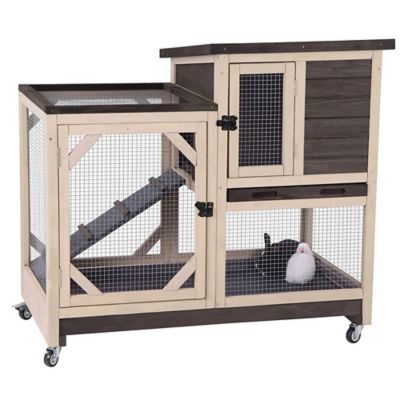
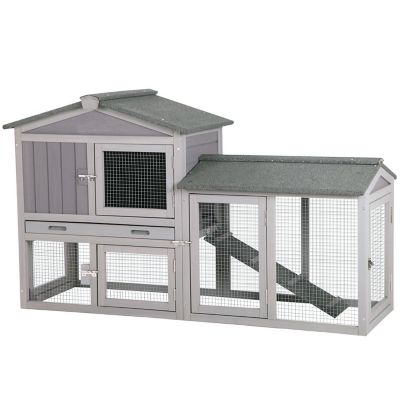
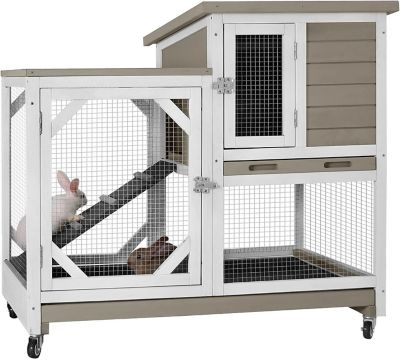
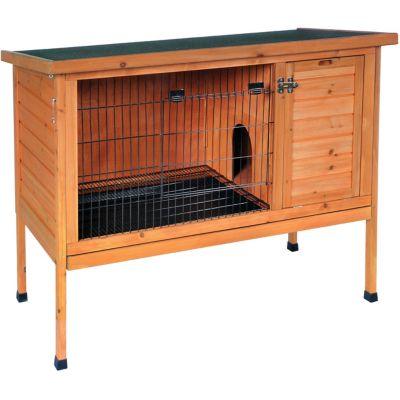
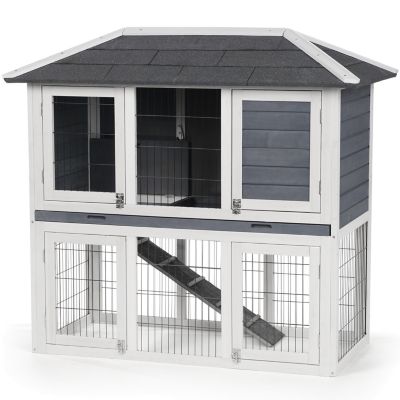
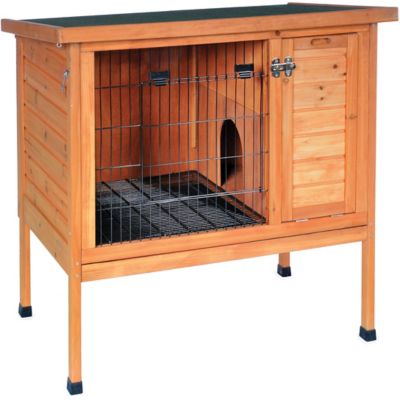
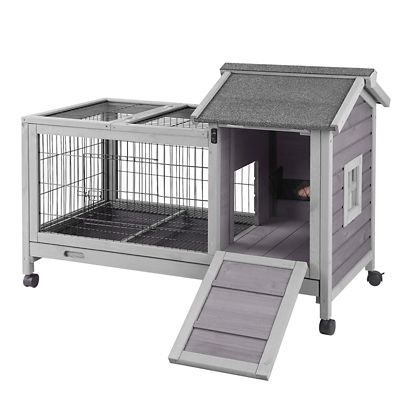
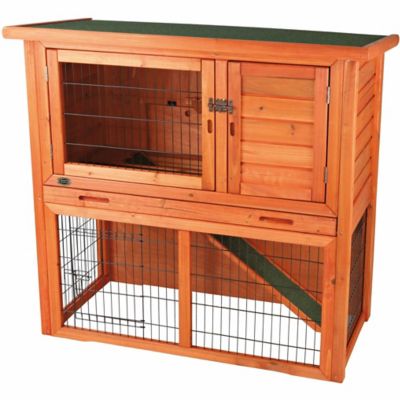
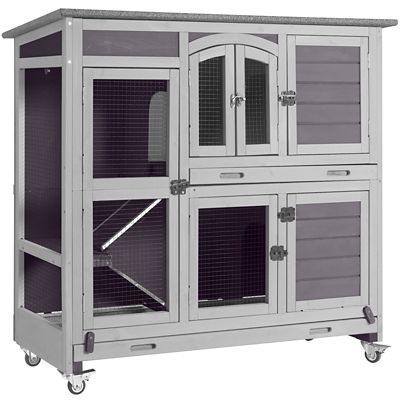
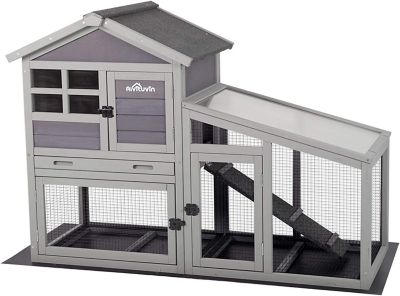
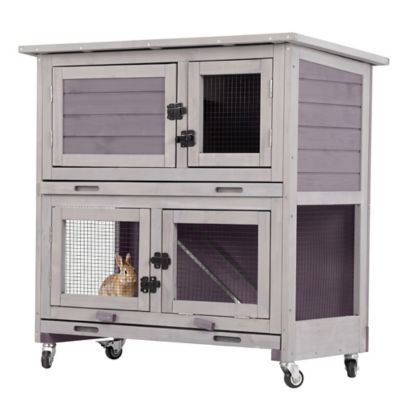
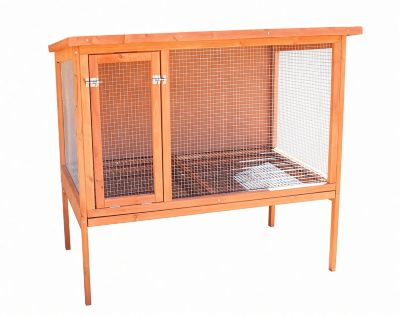
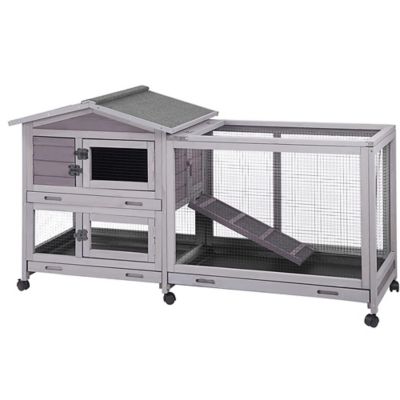
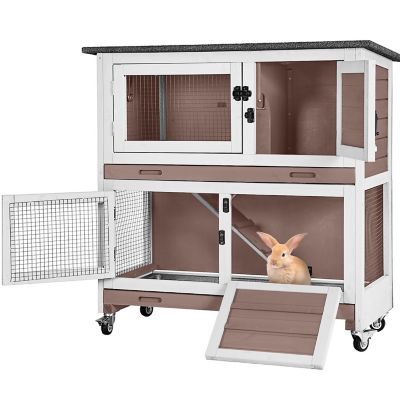
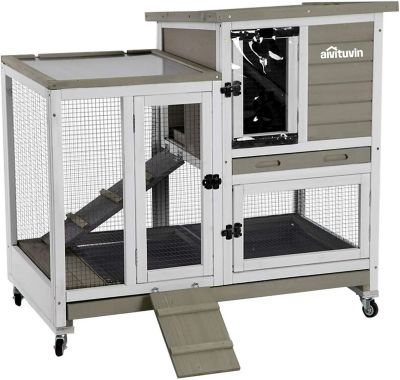
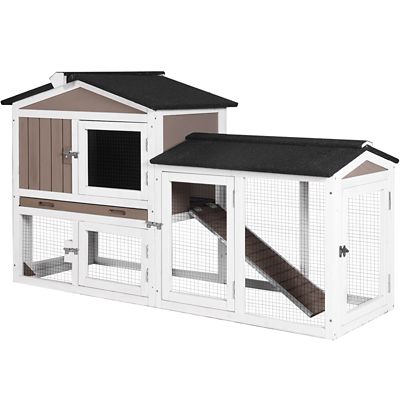
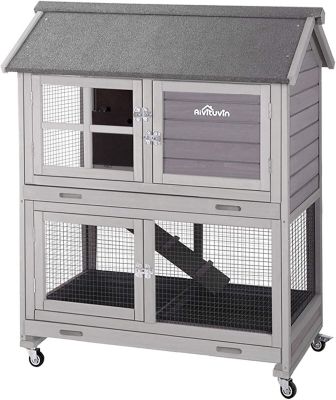
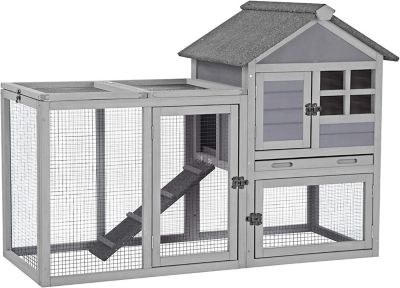
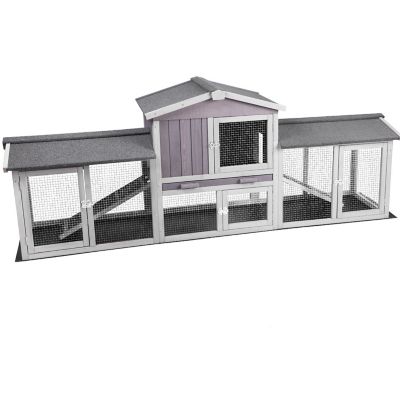
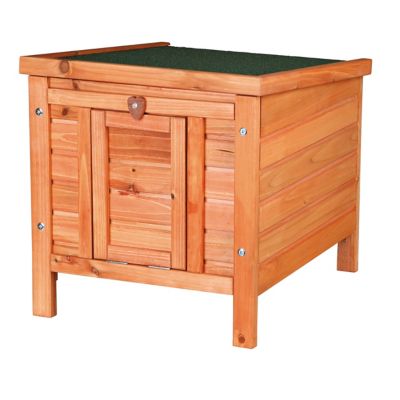
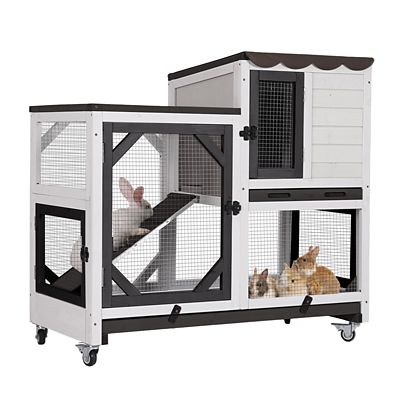
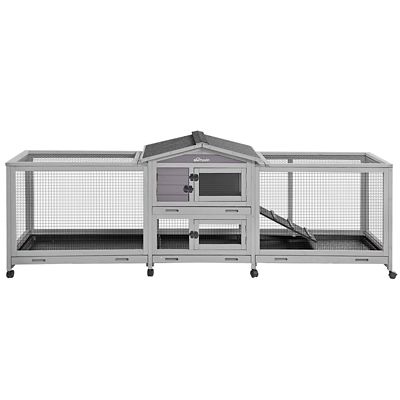
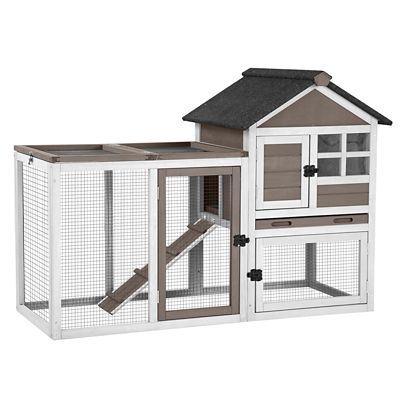
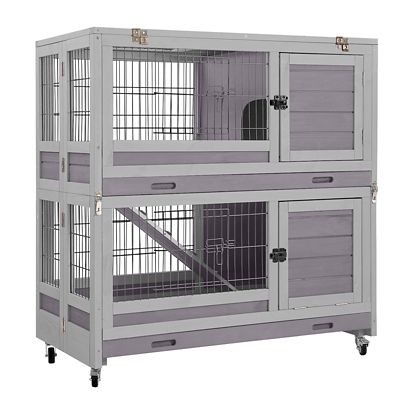
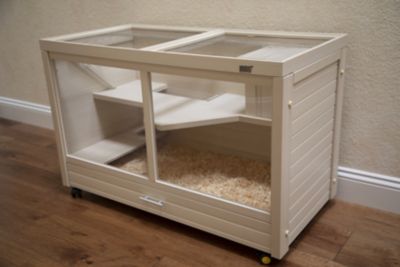
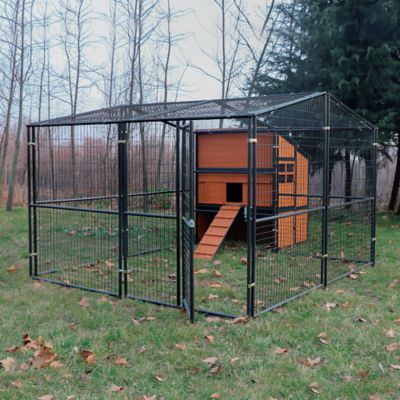
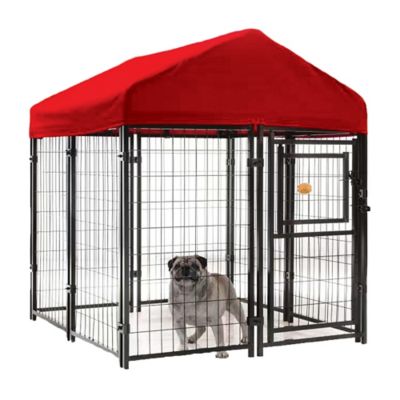
An outdoor rabbit hutch is a sheltered enclosure that gives rabbits a protected resting space outside, often paired with a separate or attached exercise run. The right setup brings together a dry sleeping area, fresh air, secure boundaries, and enough room for normal rabbit movement. Outdoor rabbit hutches come in several layouts, from raised shelters with access underneath to ground-level designs with adjoining runs and divided resting compartments. A raised layout can put feeding and cleaning within easier reach, while a ground-level arrangement can make access simpler for a rabbit that struggles with ramps. For a backyard household or a small acreage with an established animal-care routine, the best fit depends as much on daily chores as it does on the space beside the barn or fence. Overall dimensions tell only part of the story: interior floor space, doorway width, roof clearance, and the size of the sheltered compartment all affect how comfortably a rabbit can settle in. Rabbits need room to stand upright without their ears touching the roof, stretch out fully, turn freely, and rest away from their toilet area. A hutch alone generally does not provide enough space for daily exercise, so a roomy, securely connected run or another protected exercise area matters just as much as the sleeping enclosure. That exercise space should allow running, hopping, exploring, and those quick jumps and twists that rabbits make when feeling at ease. For a compatible, bonded pair, extra room and more than one resting spot help both animals relax without crowding each other. Elevated platforms can add interest, but they do not replace generous floor space. Rabbit size and mobility also matter; a compact entrance or steep ramp that suits a smaller, active rabbit may be a poor fit for a larger or older companion. Measurements are most helpful when they reflect the rabbit’s adult size and the entire living arrangement, rather than just the enclosure’s outside footprint.
Materials and construction shape how an outdoor rabbit hutch handles everyday wear, moisture, chewing, and repeated cleaning. Wood offers a sheltered, enclosed feel, but exposed edges invite gnawing, and joints need regular attention for dampness or loosening. Finishes should be appropriate for rabbit housing, with no peeling coating or accessible treated lumber that could be harmful if chewed. Plastic panels can make wiping down surfaces easier, though ventilation, panel strength, and protection from chewing still deserve a close look. Metal mesh provides airflow and visibility; its opening size, wire strength, fastening points, and resistance to rust all matter more than appearance alone. Thin screening is not a substitute for sturdy enclosure mesh. Floors deserve particular attention because rabbits need comfortable footing that supports their feet. Solid resting surfaces with dry bedding are preferable to exposed wire underfoot, which can contribute to sore feet. Any ramp should have secure footing, a manageable incline, and a stable connection that will not shift when a rabbit heads down for breakfast. Roof overhangs and sound roofing help keep rain away from bedding, while a sloped roof encourages water to drain rather than collect. Hinged roof sections, wide doors, and removable trays can make routine care less awkward, especially when reaching a back corner or lifting out damp bedding. A tray that slides smoothly when empty should also be manageable when holding bedding and litter. Tight corners, exposed screw tips, rough edges, and gaps around panels are worth checking before rabbits move in and throughout the life of the enclosure. Cleaning access should reach every resting compartment, not just the easiest doorway. Daily removal of wet bedding and soiled litter helps keep the living area dry and limits odor and fly attraction. Washable surfaces still need thorough drying before fresh bedding goes back in. Feeders, hay holders, and water containers also need enough space around them that rabbits can eat and drink without standing in a litter area or blocking a companion’s path.
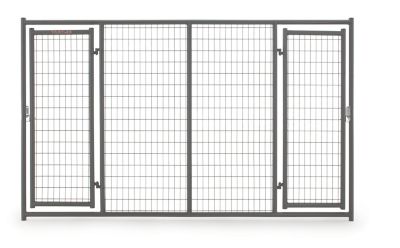
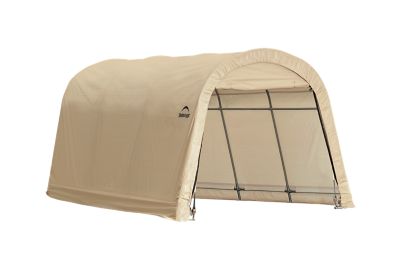
Placement and security are just as important as the hutch itself. Outdoor rabbit housing belongs on stable, well-drained ground in a spot that offers shade, ventilation, and shelter from driving rain and strong wind. A roof alone does not prevent overheating, and an enclosed sleeping box can become stuffy when airflow is poor. Direct sun, trapped heat, and damp bedding can turn an otherwise sensible setup into an unsafe one. Rabbits need frequent checks, fresh drinking water, and a plan for moving into secure, temperature-controlled housing when outdoor conditions become unsafe. Cold conditions can freeze water containers, while hot conditions can make water needs and heat stress a pressing concern. An outdoor enclosure should never be treated as protection from every temperature extreme. Predator resistance requires attention above, below, and around the living area: a covered run, firmly attached mesh, secure doors, and protection against digging all play a part. Raised legs alone do not keep rabbits safe, and a simple latch may not stop a persistent raccoon. Door hardware that closes firmly and accepts a secondary fastening can add another layer of protection. Ground-level runs also need a way to prevent rabbits from digging out and predators from digging in without leaving rabbits to stand on harsh exposed wire. Nearby dogs, roaming wildlife, and loud equipment can cause stress even without direct contact, so a quiet location with a sheltered retreat helps rabbits feel more settled. On properties with several animal areas, planning rabbit housing alongside other
Outdoor Shelters can help keep walking paths clear and daily care close at hand. Enough clearance around the hutch makes it easier to open doors fully, carry bedding, and inspect the back and underside. Visibility from a regularly traveled path is handy, too, since changes in appetite, droppings, posture, or activity are easier to notice during frequent visits. A well-planned hutch and run support more than feeding and cleaning: they make room for calm interaction, safe enrichment, and the everyday attention rabbits need.