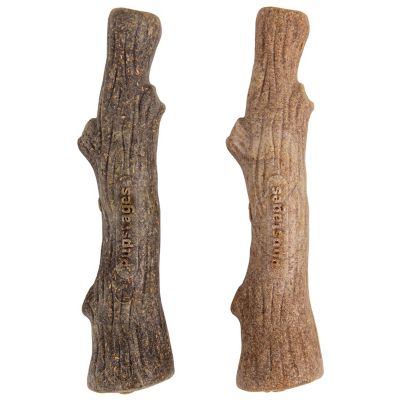
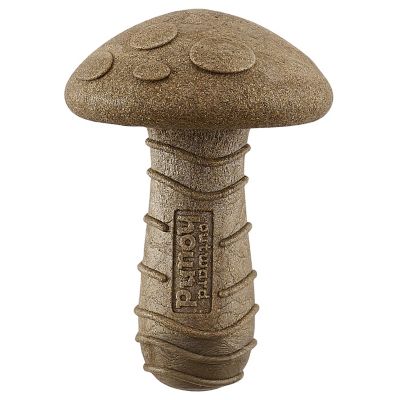
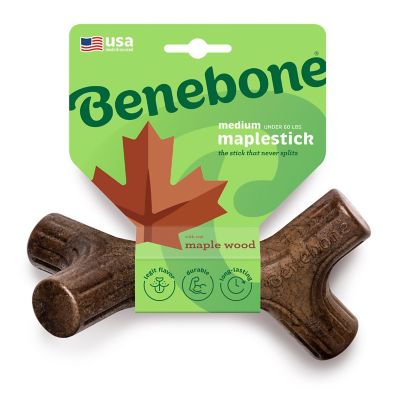
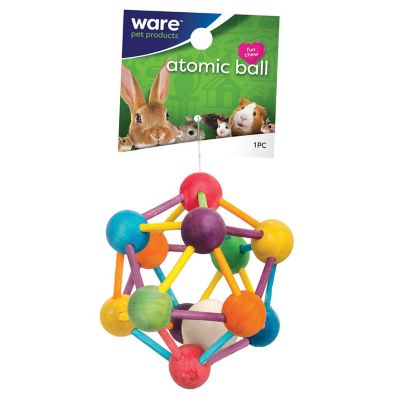
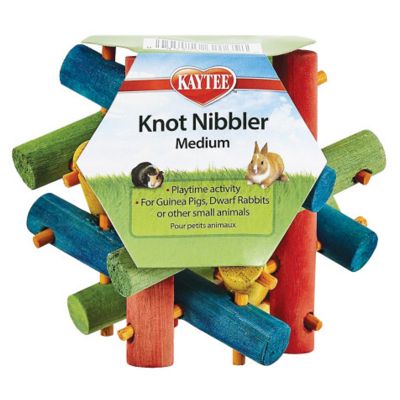
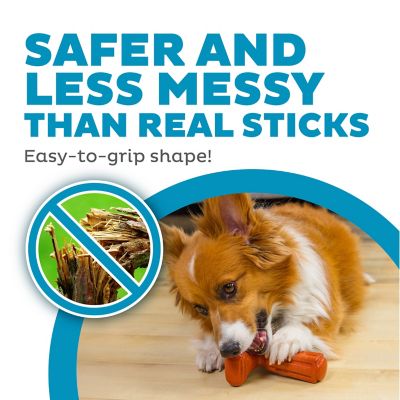
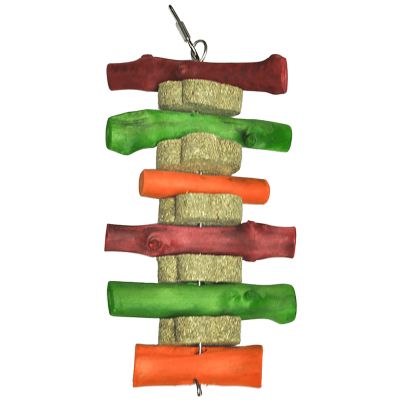
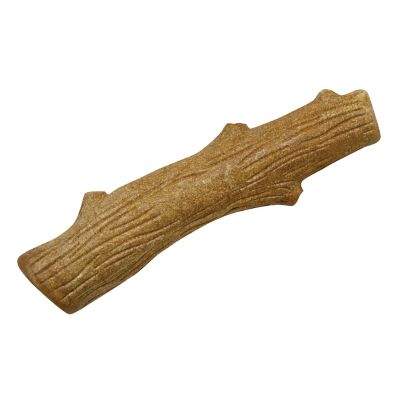
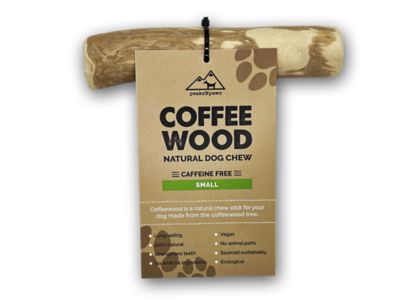
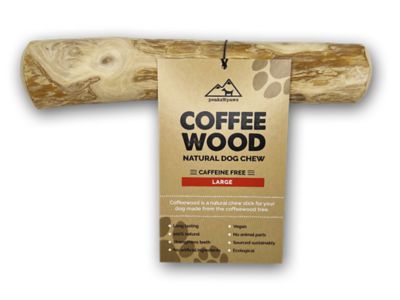
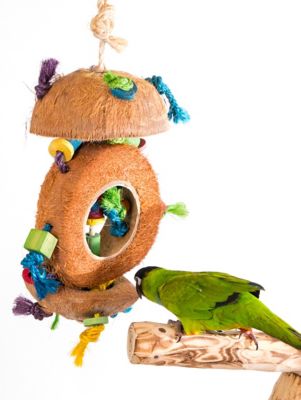
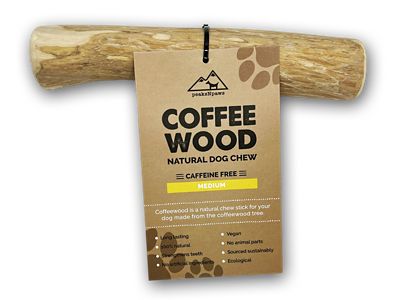
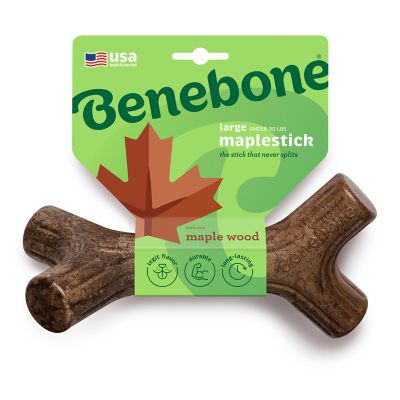
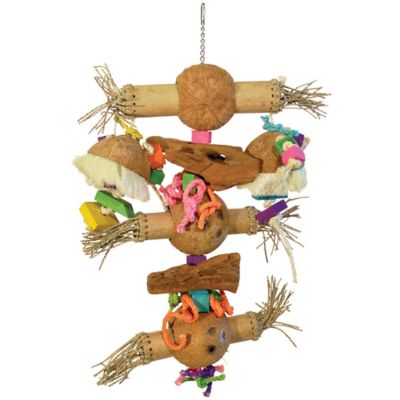
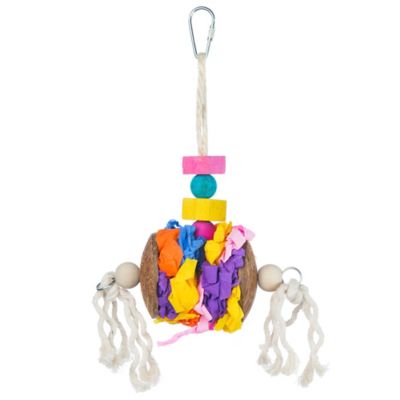
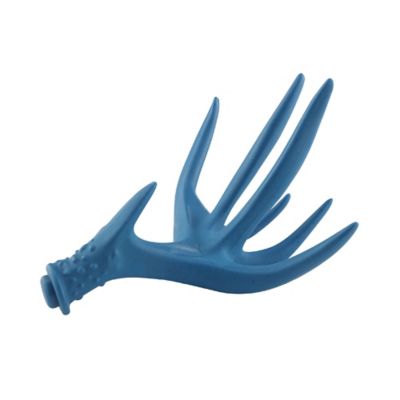
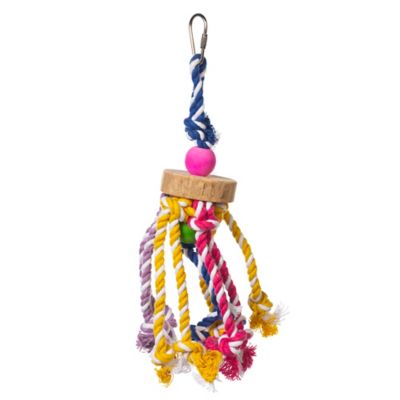
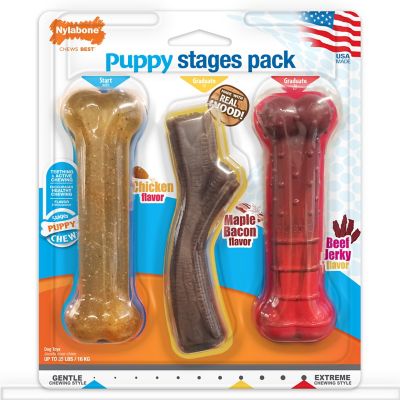
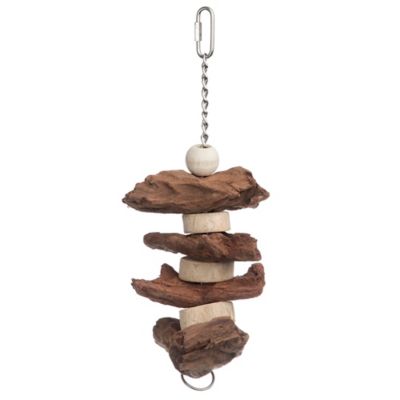
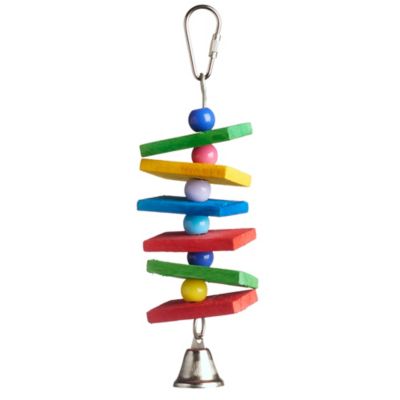
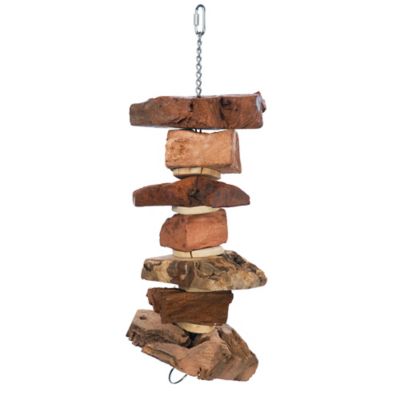
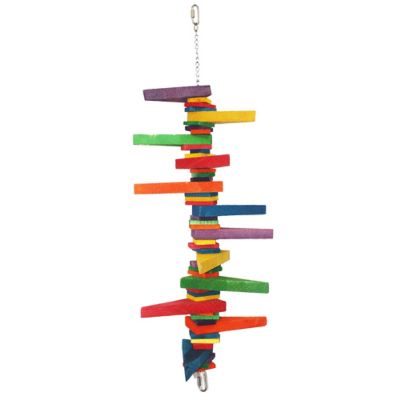
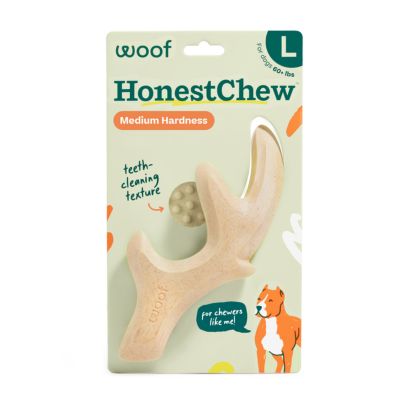
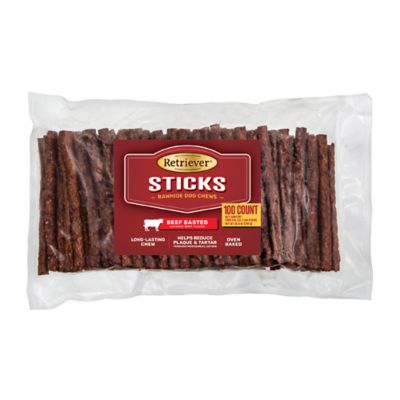
Wooden chew toys give pets a safe, satisfying way to follow one of their most natural habits: chewing. Dogs often reach for a chew when they are bored, settling in after a long day, or looking for something to do with all that extra energy. Rabbits, guinea pigs, hamsters and other small pets chew to explore their surroundings and help wear down teeth that keep growing throughout their lives. A good wooden chew can add interest to a crate, kennel, hutch or habitat, especially when outdoor time changes with the weather. Look for toys made from untreated, pet-safe materials, such as willow, apple wood, bamboo or other woods selected for animal use. Small pets often enjoy sticks, woven balls, blocks, bridges and hanging toys that encourage nibbling, climbing and foraging. A chew toy tucked into a hay area or placed near a favorite hideout can turn an ordinary enclosure into a more engaging space. For dogs, dense wood chews and wood-alternative toys offer a firm texture and the earthy feel many dogs enjoy without handing over a stick picked up from the yard. Some options use real wood blended with durable synthetic materials, while others are made from dense coffee wood that gradually wears down into softer fibers rather than breaking into long, sharp splinters. Chewing may help scrape away some surface buildup on the teeth, but wooden chew toys are not a replacement for regular brushing, dental care or veterinary checkups. They can, however, be a useful part of a well-rounded routine that includes exercise, training, play and plenty of rest. Wooden chew toys also make thoughtful gifts for a new puppy, an adopted rabbit, a small-pet owner setting up a habitat or any animal that enjoys hands-on enrichment. For a farm family, they are an easy addition to a care package, barn supply order or welcome-home gift, and their simple, natural look fits right in around a kennel, mudroom, tack room or cozy corner of the house.
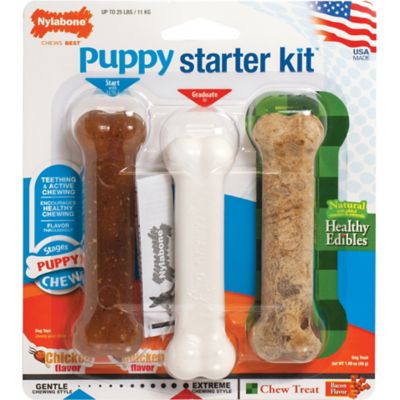
Choosing the right wooden chew toy starts with the pet’s species, size, age and chewing style. A toy made for a rabbit or guinea pig may be too small or too delicate for a dog, while a hard dog chew can be unsuitable for a small animal with a more fragile jaw. Check the recommended pet type and size, then choose a shape that matches how the animal likes to play. A dog that likes to carry and gnaw may do well with a stick-shaped chew, while a puppy may prefer a toy that is easy to hold between the front paws. Dogs that are powerful chewers need especially sturdy options, but even the toughest chew should be matched to the individual pet rather than treated as indestructible. For puppies, chewing is part of growing up and may become more intense during teething; rotating several safe chew choices can help keep curious mouths away from shoes, chair legs and fence boards. Owners of especially determined puppies can also browse
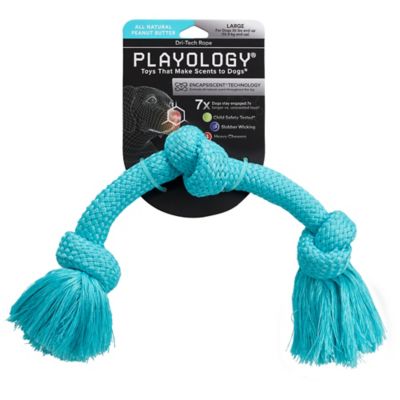
Puppy Chew Toys for Aggressive Chewers for additional ideas. Small animals benefit from variety, too. An untreated willow stick may encourage steady nibbling, a woven ball can add movement and foraging, and a hanging block or chew tower can make use of vertical space inside a wire cage. Consider the toy’s size, weight, texture and attachment method, particularly if it will be clipped to a habitat. A toy should be large enough that the pet cannot swallow it whole and sturdy enough to stay secure without creating a snagging hazard. For dogs, inspect the ends and edges before offering a chew, and avoid anything that is so hard it could damage a tooth. If the toy has added pieces, such as rope, bells or fasteners, make sure those parts are firmly attached and suited to the animal. A favorite chew may become part of the daily routine, whether it is offered after a walk, during quiet time in the kennel or while the family is working outside and the dog needs a calm activity nearby.
Safety matters with every wooden chew toy, especially as the toy wears down. Always supervise pets the first several times they use a new chew and watch for the way they handle it. Some animals gently nibble and carry a toy, while others bite off and swallow large pieces. Remove the chew if it develops sharp points, deep cracks, loose parts, excessive splintering or pieces small enough to swallow. Standard outdoor sticks are not a reliable substitute for pet chew toys because they may splinter, carry dirt, mold, insects or parasites, or come from trees that are unsafe for animals. Avoid painted, stained, pressure-treated or chemically processed wood, along with scraps from furniture, construction projects and firewood unless the item is clearly made and labeled for pet use. Keep an eye on aggressive chewers even when a toy is marketed as durable, and replace worn toys before they become a choking risk. Small pets should be checked often because a toy that begins at a safe size can become too short after repeated chewing. Introduce new toys gradually, especially for animals with sensitive stomachs or a history of swallowing nonfood items, and contact a veterinarian if a pet swallows a large fragment or shows signs of trouble. During the warmer part of the year, keep wooden toys clean and dry rather than leaving them in damp grass, muddy runs or direct weather for long stretches. As the cooler months bring more indoor time, a fresh chew can help relieve boredom and give pets a familiar activity while chores, gatherings and changing routines keep the household busy. With the right size, safe materials and regular inspection, wooden chew toys can bring out the happy sounds of steady gnawing, light rattling and playful tossing while giving pets an outlet that feels natural from nose to tail.