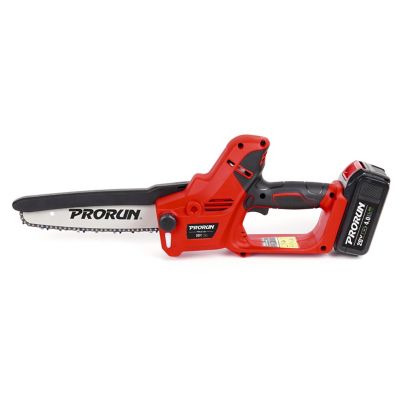
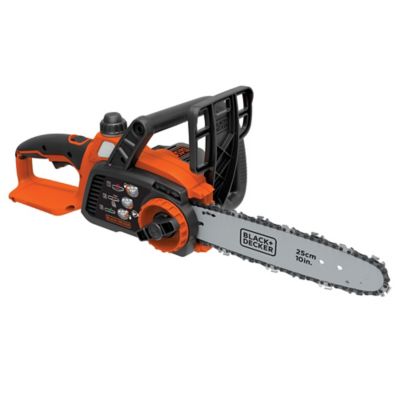
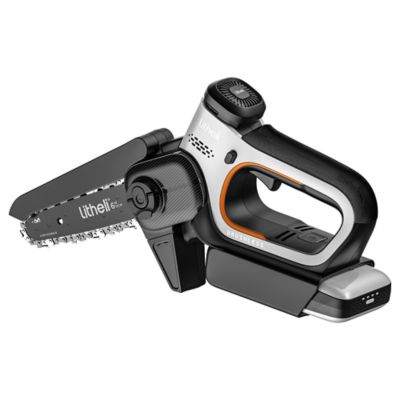
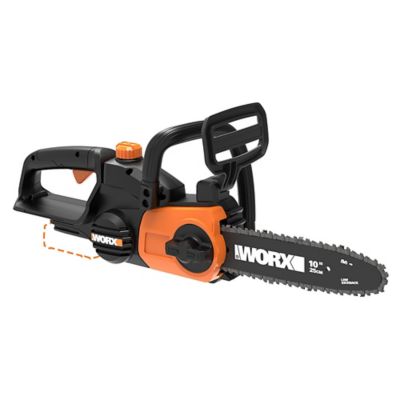
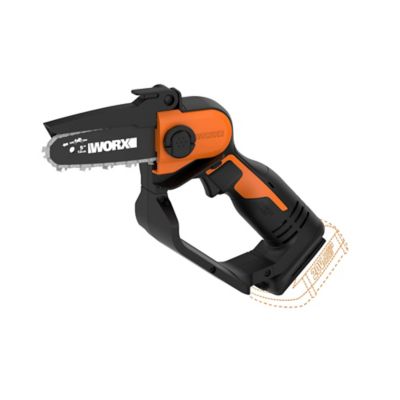
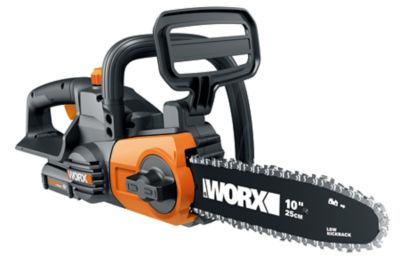
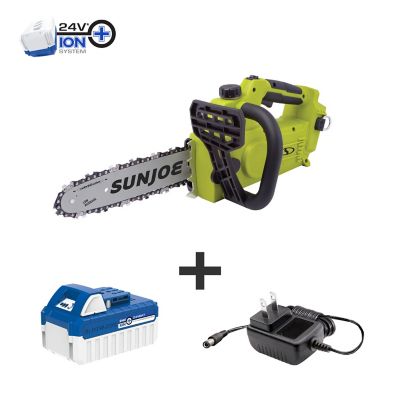
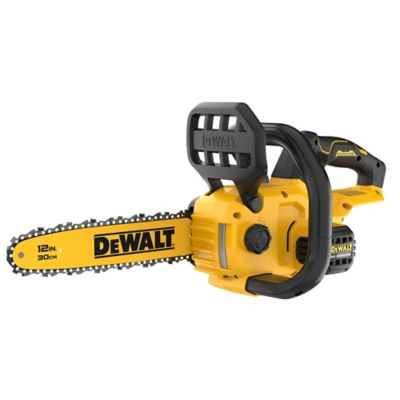
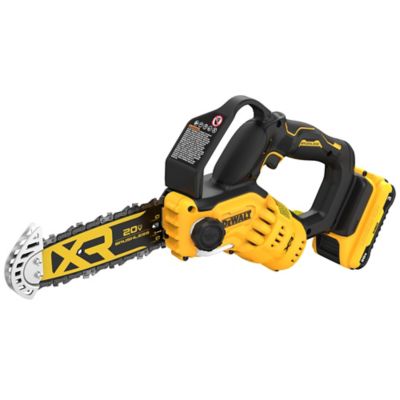
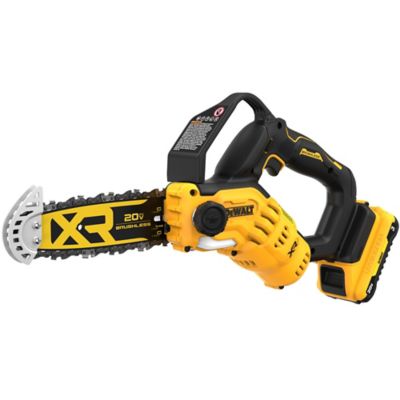
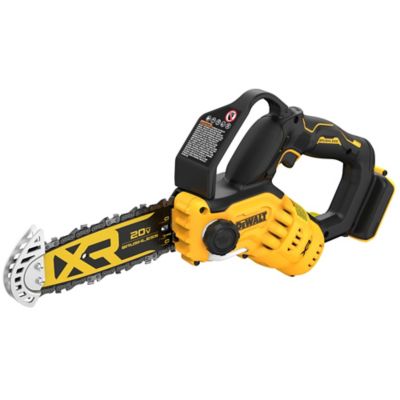
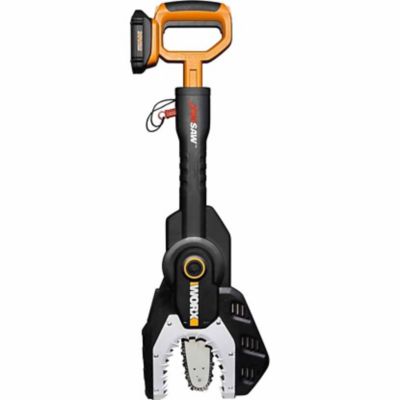
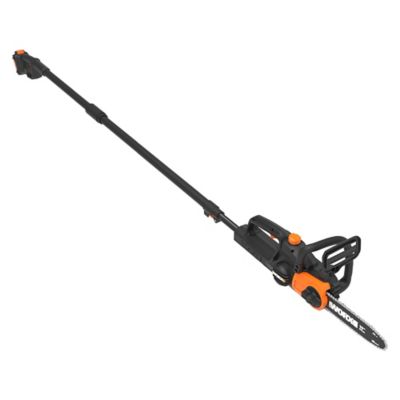
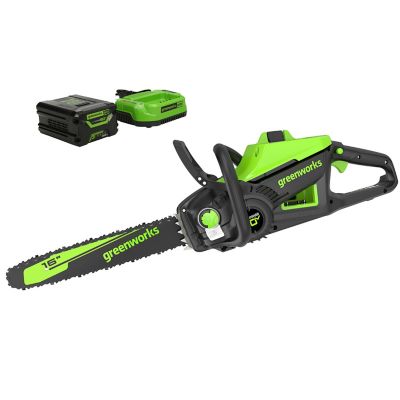
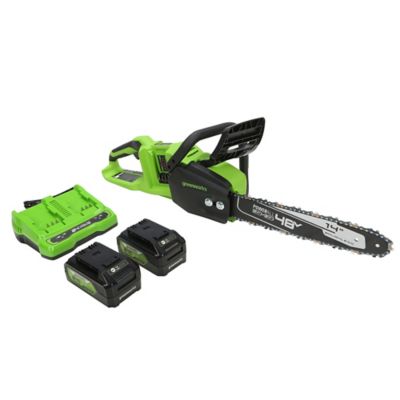
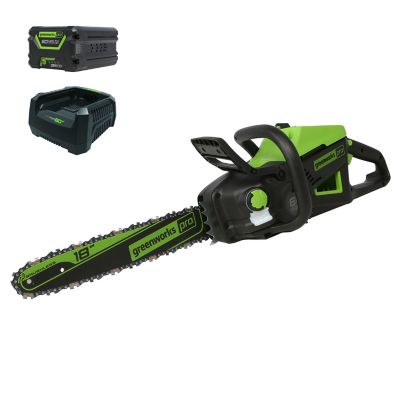
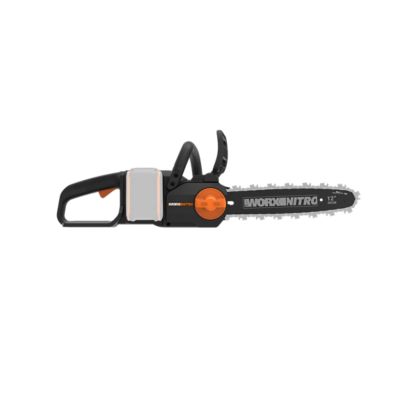
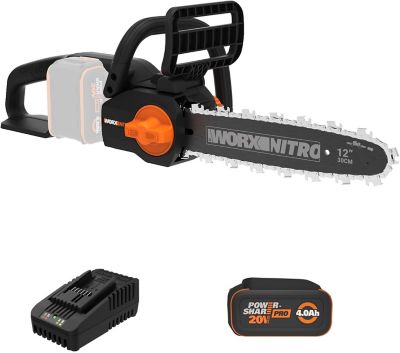
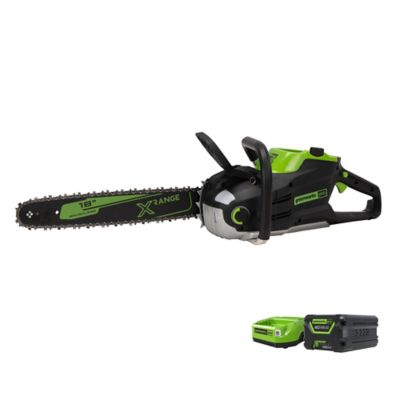
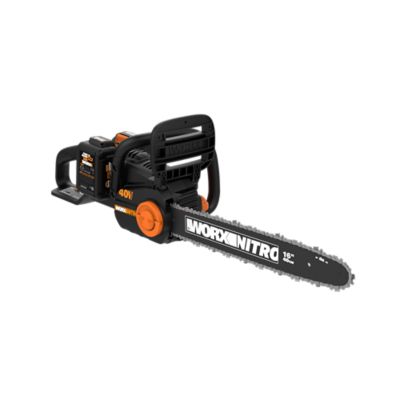
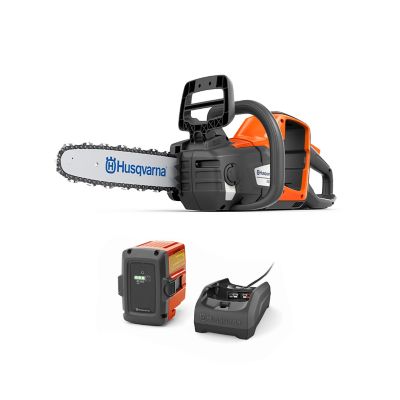
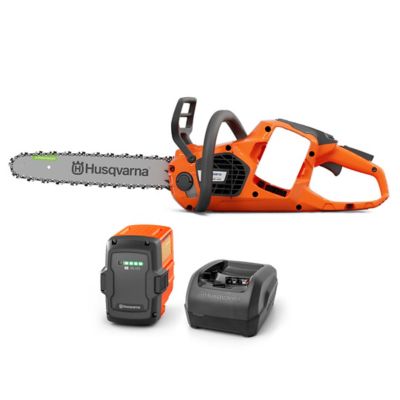
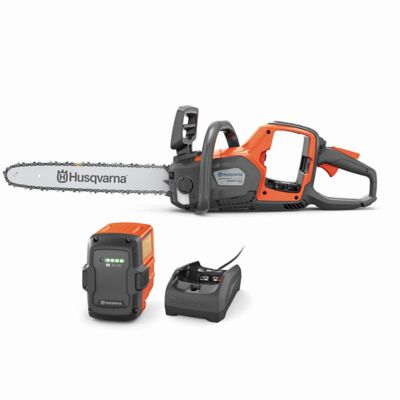
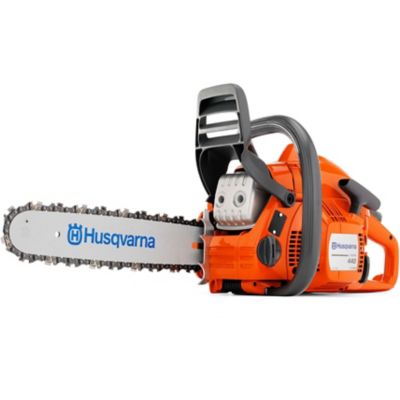
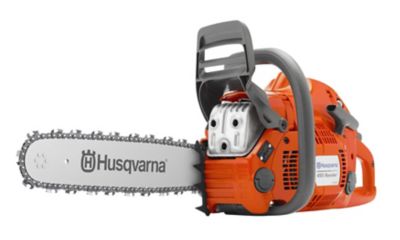
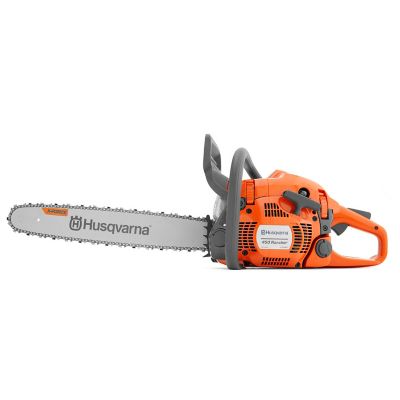
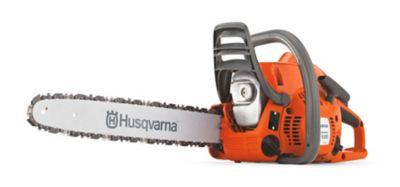
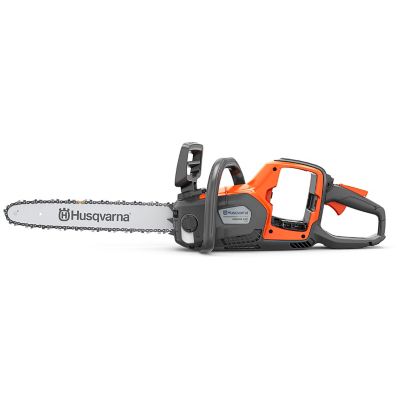
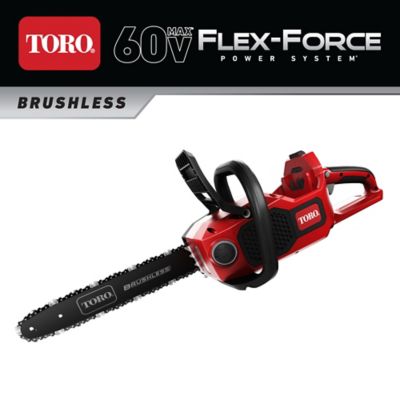
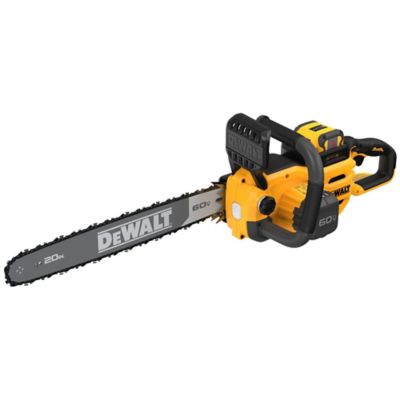
A cordless mini chainsaw is a compact, battery-powered saw built for light pruning, trimming small limbs, and cutting manageable pieces of wood around the yard or acreage. Its short guide bar and smaller body make it easier to carry between scattered jobs than a full-size chainsaw, without an extension cord trailing behind. Common bar lengths fall around 4 to 8 inches, but bar length alone does not establish cutting capacity. The manufacturer’s rated branch diameter is the better reference, and a saw should have room to complete a cut without being pushed beyond that rating. A 6-inch bar does not automatically mean every 6-inch limb is a suitable match. Wood hardness, branch shape, chain condition, and motor output all affect how a saw handles a cut. For a homeowner keeping orchard paths clear, a gardener managing woody growth, or a landowner sorting small limbs beside the shed, that compact format can be a practical fit. These tools are meant for smaller cutting chores, not felling trees, tackling large logs, or handling limbs under tension. Slim green shoots may still be better suited to pruning shears or loppers, while thicker woody branches can call for a powered cutting chain. Construction also matters during everyday handling. Steel chains and guide bars do the cutting work, while molded housings help keep overall weight down. Grip shape, balance, and the position of the controls affect how comfortably the saw sits in the operator’s hands. The working weight includes the battery, so the lightest tool body may not make the lightest complete setup. A larger battery can also change the balance noticeably. Even though a mini saw looks less imposing than a larger chainsaw, its moving chain deserves the same respect. A compact body is not permission for one-handed cutting; the tool’s designated handholds and operating directions determine the proper grip.
Battery compatibility is one of the biggest considerations when comparing cordless mini chainsaws, especially when other battery-powered tools already handle chores around the property. A matching voltage number does not make batteries interchangeable: the battery platform, physical connection, and manufacturer’s compatibility requirements all need to match. Voltage labels also do not tell the whole performance story, since motor design, gearing, and cutting equipment contribute to how effectively a saw works through wood. Battery capacity, commonly listed in amp-hours, helps describe stored charge within a compatible system, but it is not a promise of a certain number of cuts. A higher-capacity battery generally offers more running time under comparable conditions and often adds weight. Cutting dry hardwood demands more from a saw than trimming small, softer branches, and a dull chain can drain a battery faster by making the motor work harder. For scattered chores across a larger place, a second compatible, charged battery can reduce interruptions without making the saw itself heavier during every cut. The included components matter, too: a tool-only package and a kit with a battery and charger serve different needs. Motor and maintenance features deserve a look alongside battery specifications. A brushless motor can offer efficient operation and eliminate brush replacement, although overall performance still depends on the complete tool. Chain lubrication varies by design, with some saws calling for manual oil application and others having an onboard oiling system. Neither arrangement replaces checking the instructions and keeping the cutting equipment lubricated as directed. Chain tension is another regular maintenance point. Tool-free adjustment can make access simpler, while other designs require a wrench or screwdriver. In either case, the chain needs the specified tension rather than an extra-tight setting. Too much tension adds friction; too little can allow the chain to come off the bar. Correct chain pitch, gauge, and drive-link count matter when matching a replacement chain, even when two saws have the same nominal bar length.
The right cordless mini chainsaw should fit both the work and the person doing it, with controls that are easy to reach and a grip that remains secure with appropriate work gloves. Trigger lockouts, hand guards, and chain covers are features worth comparing, but they do not remove the risk of kickback or contact with the chain. Safe work starts with stable footing, a clear cutting area, and wood supported so it cannot roll or close onto the bar. Holding a branch in one hand while cutting with the other puts a hand too close to the chain. Eye protection, hearing protection as directed, sturdy nonslip footwear, and the protective clothing specified by the manufacturer belong in the overall setup. Overhead cuts and ladder work are not suitable ways to stretch a small saw’s reach. A branch beyond comfortable ground-level access calls for a different approach, and hazardous tree work belongs with a trained professional. Around fences and outbuildings, a close check for wire, nails, and other metal helps protect both the operator and the cutting equipment. After the work, removing the battery before cleaning, adjustment, or chain service helps prevent an unexpected start. Clearing chips from accessible areas, inspecting the bar and chain, and sharpening or replacing worn cutting parts as directed can keep the saw cutting smoothly. A fitted bar cover protects the cutting equipment during transport and storage; the saw, battery, and charger each need storage that follows their care instructions. For jobs beyond a mini saw’s rated capacity, the
Electric Chainsaw category includes larger formats to compare for heavier cutting. For an adult who regularly tends trees or maintains a small property, a cordless mini chainsaw can also make a practical gift, especially when its battery system matches existing tools. Matching the saw’s size, controls, maintenance needs, and cutting limits to the recipient’s experience matters more than choosing the longest bar or the largest battery.