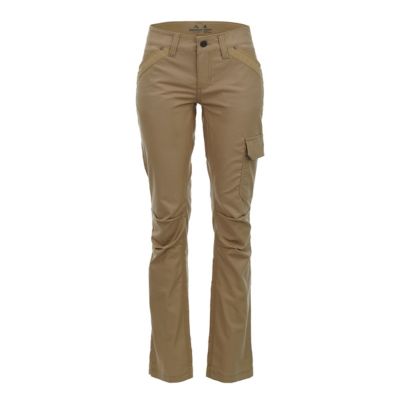
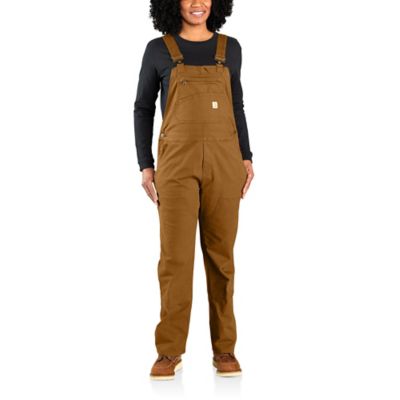
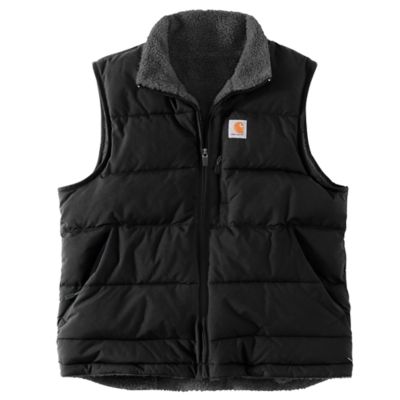
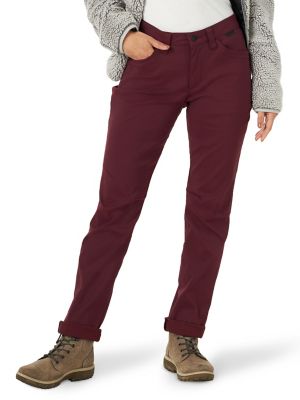
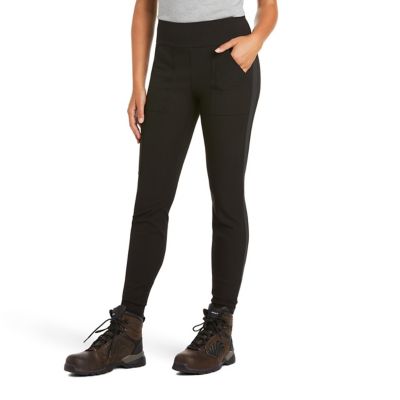
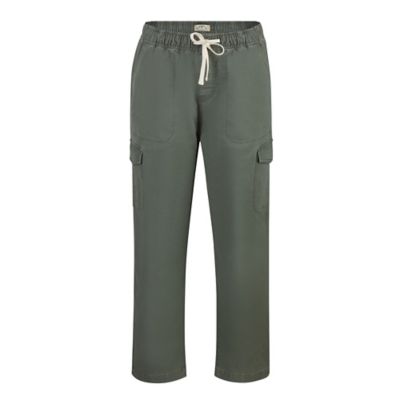
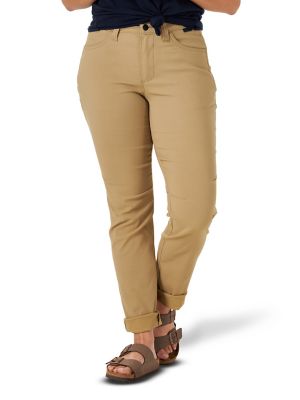
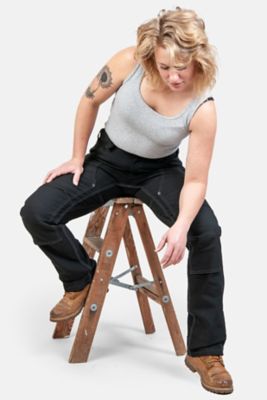
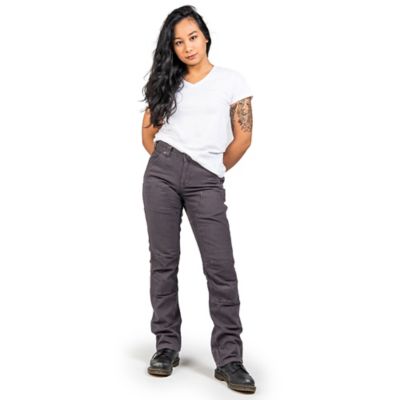
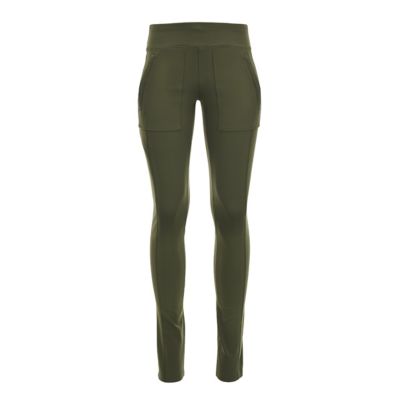
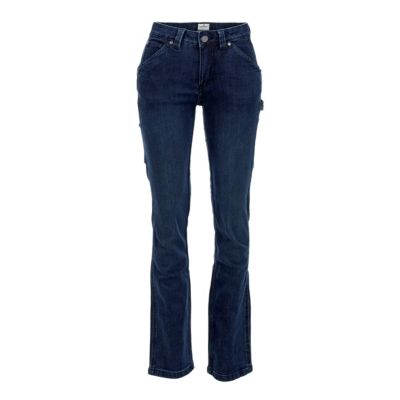
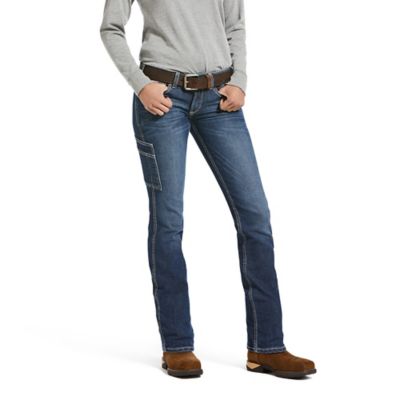
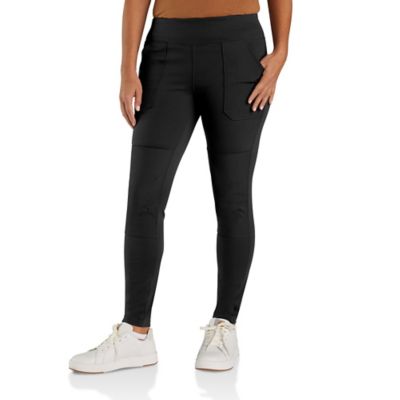
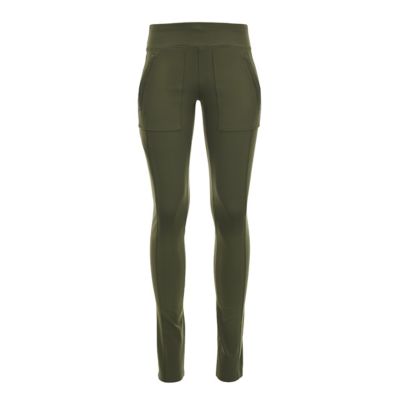
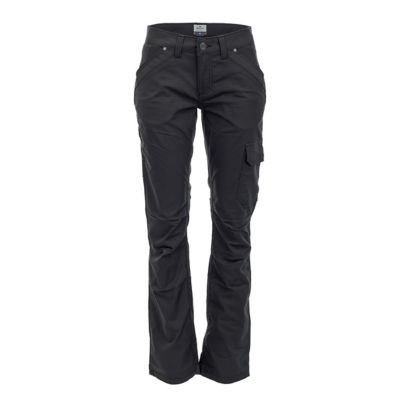
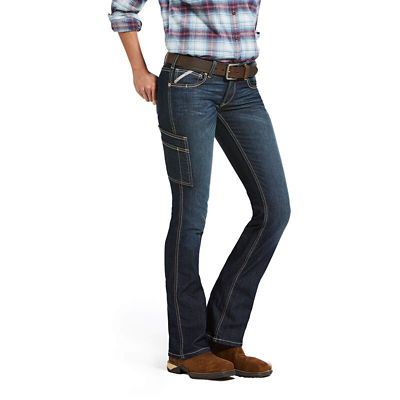
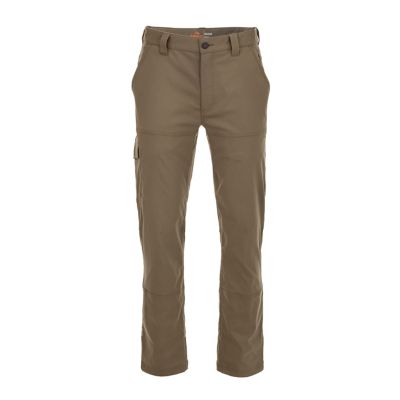
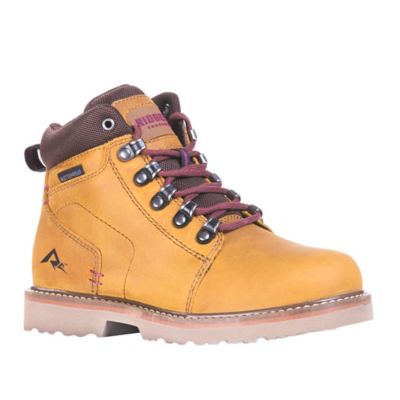
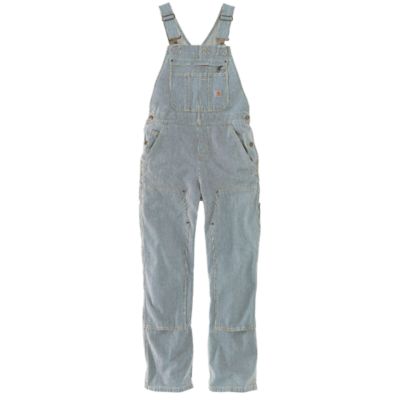
Women's utility clothing combines practical workwear features with everyday comfort, giving women room to move and places to keep small essentials close. The category includes utility pants, cargo pants, work shirts, overalls, coveralls, and chore-style layers, with details shaped around bending, lifting, reaching, and spending time on your feet. On a farm, in a workshop, or out in the garden, those details can make a difference. A deep pocket keeps a phone from slipping out when you crouch beside a raised bed, while reinforced knees add another layer of fabric where kneeling puts the most pressure. Cotton canvas has a firm feel suited to jobs that involve rubbing against rough surfaces. Denim brings a familiar workwear feel, and cotton twill often offers a smoother surface with enough structure for everyday chores. Fabric weight matters, too: a heavier cloth may resist wear well but feel stiff at first, while a lighter weave can make frequent movement easier. Polyester and nylon blends can help fabric dry faster after washing, and a small amount of stretch can make climbing a tractor step or reaching across a workbench more comfortable. Stretch alone doesn't tell the whole story, though. The cut of the garment, the placement of seams, and the room through the seat and thighs all affect how it moves. Reinforced pocket openings, sturdy belt loops, and extra stitching at high-stress seams are useful details for clothing that sees repeated wear. Neutral shades such as brown, olive, navy, and black give utility clothing its familiar, down-to-earth look, but function comes from construction rather than color. A simple silhouette with well-placed pockets can work just as well for feeding animals and checking fence lines as it does for a stop in town afterward. That mix of practical purpose and easy everyday wear is what sets women's utility apparel apart from clothing that only borrows the workwear look.
Fit is especially important in women's workwear because a garment needs to stay comfortable through more than standing still. A waistband that feels fine upright may dig in when you sit on equipment or bend to lift a feed scoop. Enough room through the hips and thighs helps pants move without pulling, while a secure waist keeps them from sliding as you work. Mid-rise and high-rise cuts offer different amounts of coverage, and shaped waistbands can help reduce gapping at the back. Straight-leg and relaxed fits leave room for movement; a closer cut may feel less cumbersome in tight spaces, provided it doesn't restrict bending. Leg openings and inseam length deserve attention around work boots, since hems that drag can collect dirt and wear down sooner. Overalls offer coverage through the torso without relying on a waistband, and adjustable straps help position the bib where it feels comfortable. Coveralls bring top and bottom together, with torso length playing a big part in whether reaching overhead or squatting feels easy. For utility shirts, room across the shoulders and upper back matters when you're stacking supplies or stretching to reach a shelf. Sleeves should allow elbow movement without leaving excess fabric hanging around the hands. Pocket placement also changes how clothing feels on the job. Cargo pockets can hold gloves or a folded task list, but a heavily loaded pocket may swing or press against the leg while walking. Smaller compartments can keep a pencil or other light essentials from settling at the bottom. Tool loops and extra tabs have a purpose for some tasks, though a simpler profile may be a better match around equipment where loose fabric can catch. Everyday utility clothing is not automatically protective workwear; jobs involving machinery, electrical hazards, or other risks call for clothing that meets the applicable workplace requirements. The most useful fit supports the work without getting in its way, whether that means kneeling beside a gate latch, carrying supplies across the yard, or moving between a potting bench and the garden.
Care plays a big part in how women's utility clothing holds its shape and handles repeated wear. Fabric content and the care label are the starting points, since cotton, stretch blends, and garments with special finishes may need different treatment. Brushing off loose soil before washing can keep grit from working farther into the fabric, and checking pockets helps keep screws, seed packets, and forgotten tissues out of the laundry. Closing zippers and fastening hook-and-loop tabs can reduce snagging against other garments. Stains from soil, grass, and everyday chores are often easier to address before they sit, with any treatment matched to the fabric and label directions. Too much dryer heat can affect stretch fibers and may cause some cotton garments to shrink, changing the room you count on through the waist, seat, or sleeves. Giving work clothes enough space to dry fully also helps keep them ready for the next wear. Between washes, a quick look at knees, cuffs, pocket corners, and seams can reveal small problems before they become bigger tears. A loose button or opening seam is easier to mend while the surrounding fabric is still sound. Those practical details matter whether utility clothing is part of a daily work rotation or something pulled on for weekend projects. It can also make a thoughtful gift for someone who gardens, tends livestock, works with their hands, or simply prefers clothing with useful pockets and an unfussy fit. Knowing the person's usual size, preferred rise, and favorite leg shape makes the choice more personal without guessing at how they like their clothes to feel. For households sharing chores,
Men's Utility Shirts offer a related category to consider alongside women's fits. Across a working wardrobe, familiar fabrics, comfortable cuts, and practical storage help clothing earn its place through the tasks of an ordinary day.