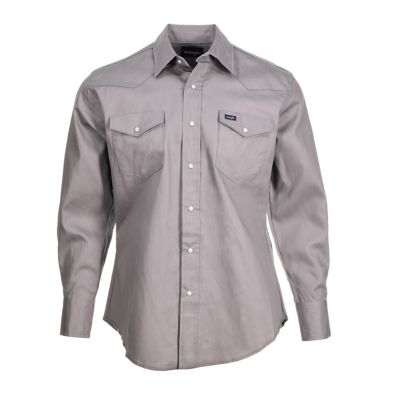
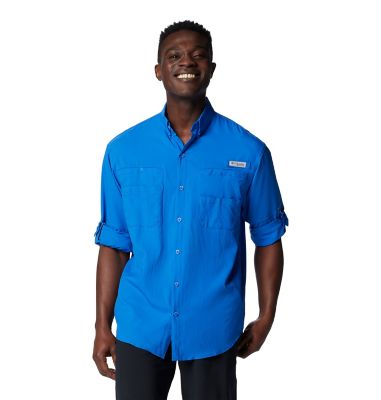
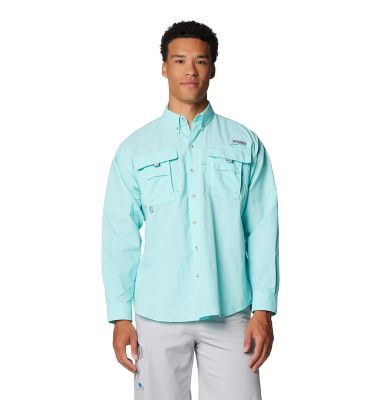
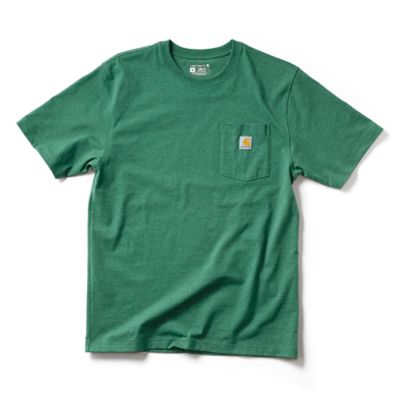
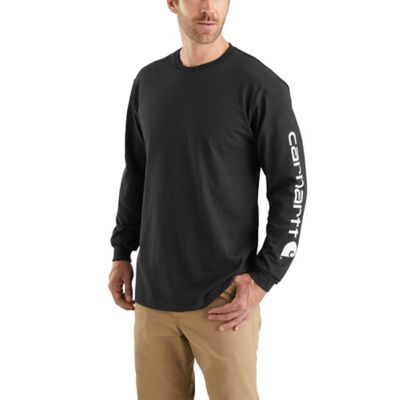
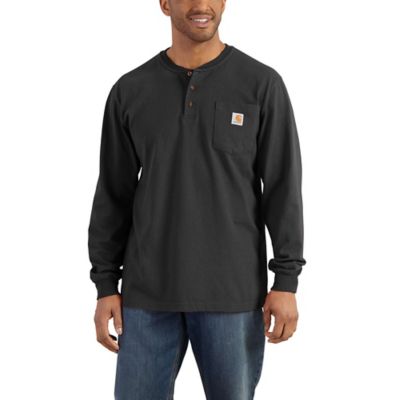
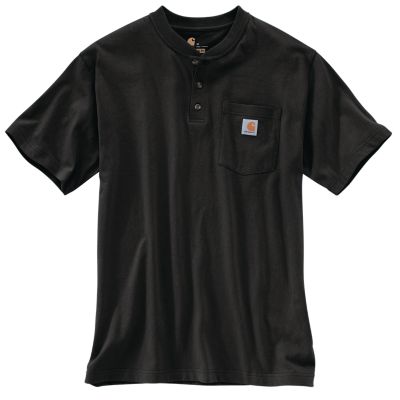
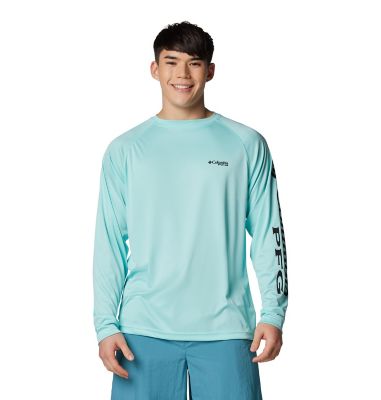
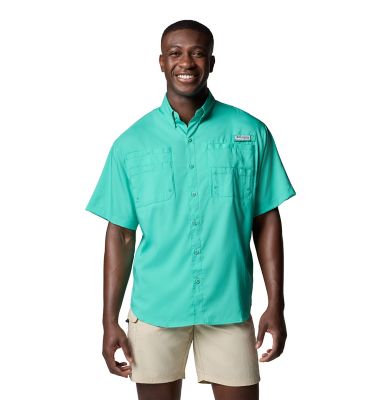
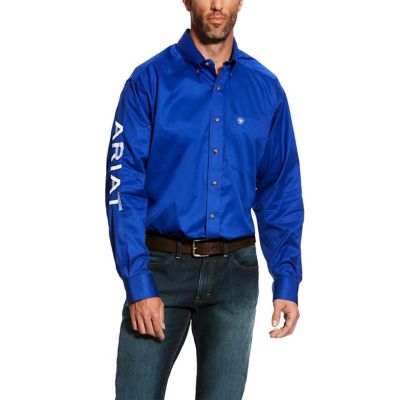
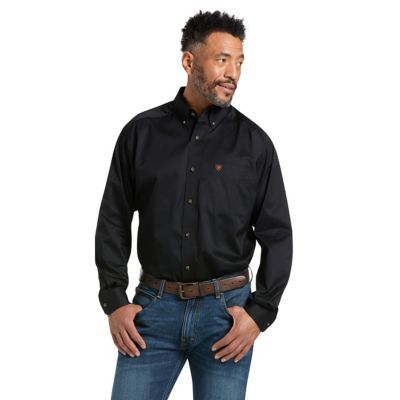
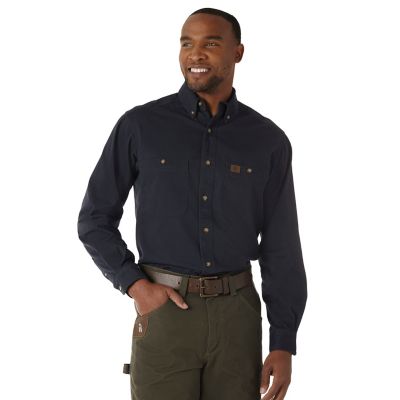
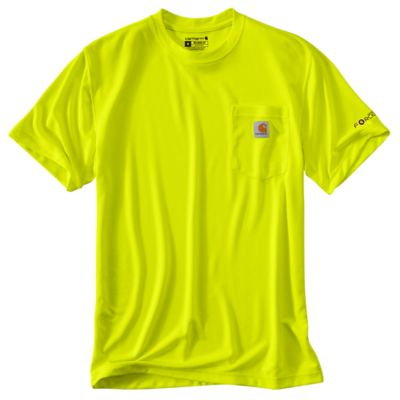
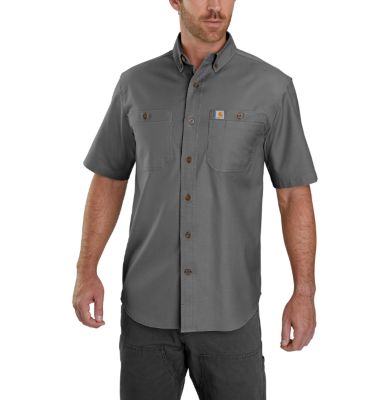
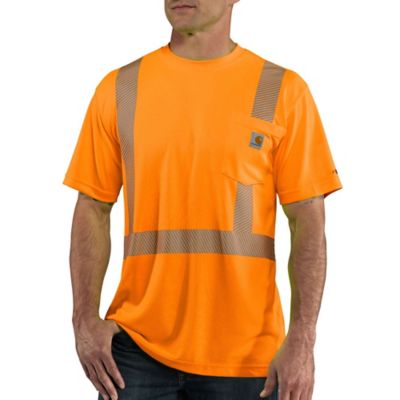
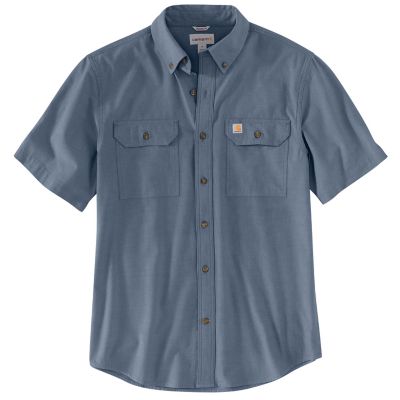
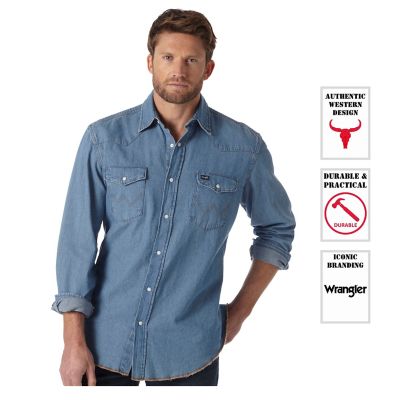
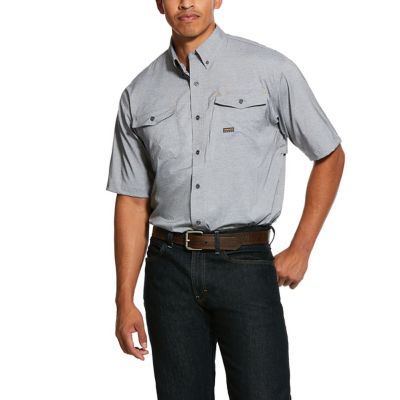
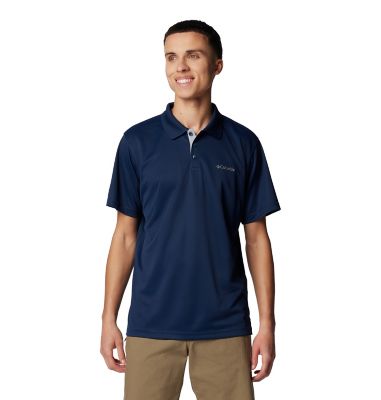
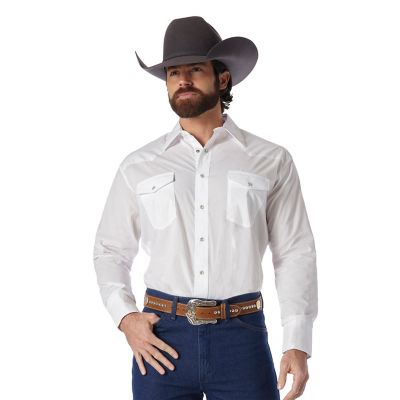
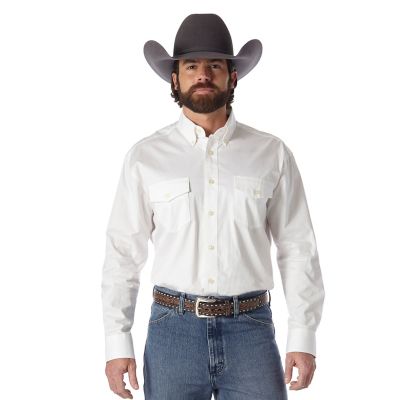
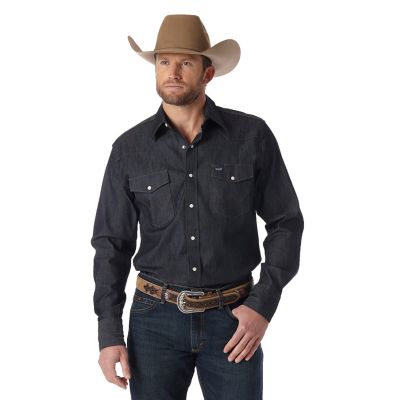
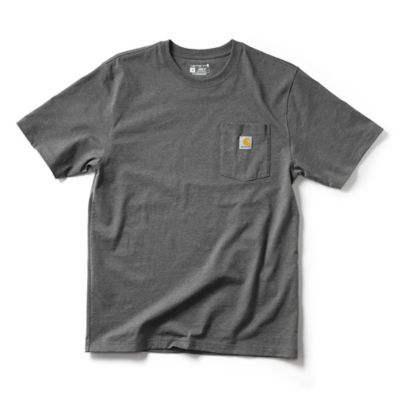
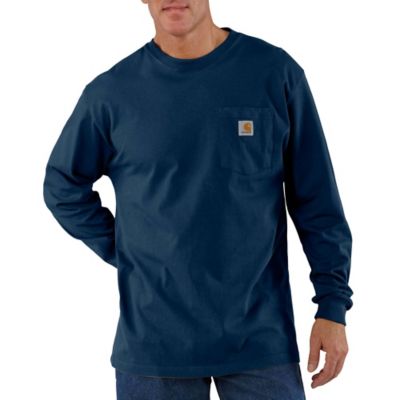
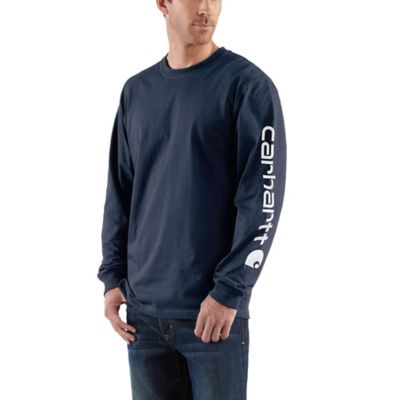
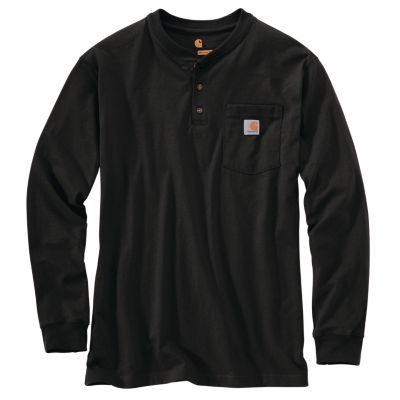
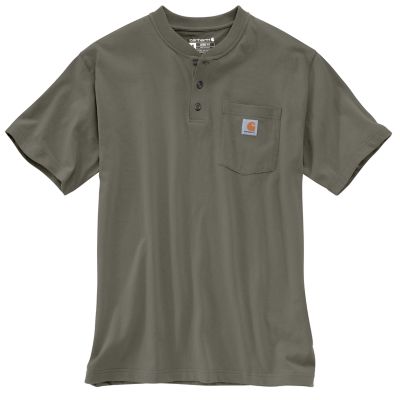
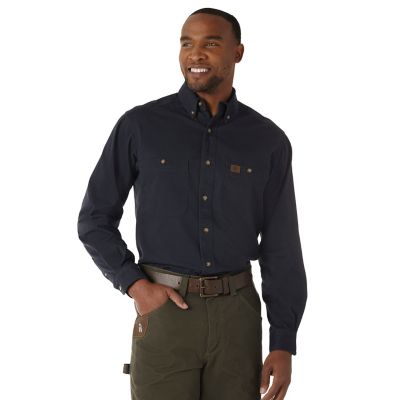
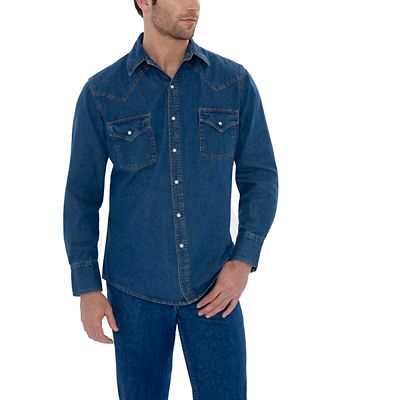
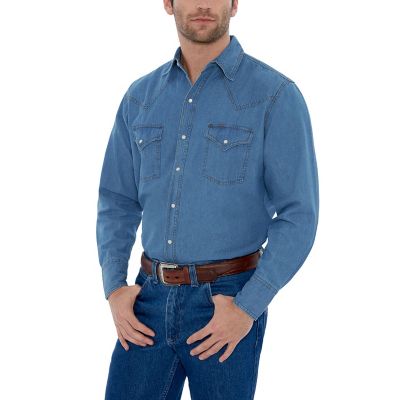
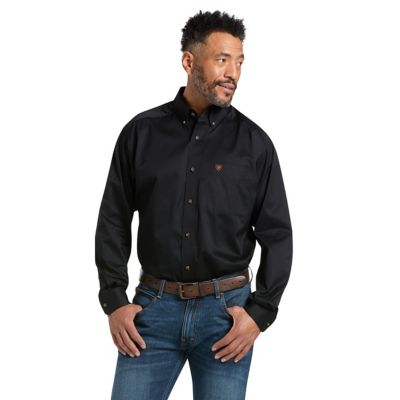
Men’s utility shirts bring the familiar look of a button-front work shirt together with practical details for hands-on days. Sturdy fabrics, useful pockets, and room to move make these shirts a natural fit for tending livestock, checking fence lines, working in a shop, or heading into town after chores. The difference between a utility shirt and a basic casual shirt often comes down to construction: reinforced seams, secure pocket closures, and fabric chosen to stand up to repeated wear. Cotton twill has a diagonal weave and a substantial feel that suits everyday work without looking out of place at the feed store. Denim offers a firm feel at first and generally softens with washing and wear, while canvas tends to have a more structured feel. Ripstop fabric has a reinforcing grid intended to help limit the spread of small tears, though it is not tearproof. Cotton-rich blends can balance softness with shape retention, and polyester blends may dry faster than all-cotton fabrics, depending on the construction. A little stretch can make reaching across a workbench or climbing into a truck feel less restrictive. Fabric weight matters, too: a lighter shirt generally drapes more easily, while a heavier shirt has more body and can serve as an overshirt. Neither fabric weight nor fiber content tells the whole story. Close stitching, neatly finished seams, and reinforcement at stress points contribute to how well a shirt handles regular wear. Some utility shirts also have moisture-wicking or wrinkle-resistant finishes, but those features depend on the garment and should be confirmed in its description. Solid colors keep the look straightforward, while checks and stripes bring variety without changing the shirt’s practical purpose. For a ranch hand, mechanic, landowner, or anyone whose day includes a mix of physical work and errands, the appeal is simple: a shirt that feels comfortable, carries a few essentials, and looks right with work pants or jeans.
Fit shapes how a men’s utility shirt performs just as much as the fabric does. A regular fit usually offers a straightforward silhouette, while a relaxed fit provides additional room through the chest and body; the exact measurements vary by maker. Enough space across the shoulders lets the wearer reach for a gate latch or lift a feed scoop without the back pulling tight. Too much loose fabric, however, can bunch beneath bib overalls or get in the way at the bench. Shoulder seams, sleeve length, and hem length all deserve attention, especially for men who move between standing, kneeling, and reaching throughout the day. A longer hem helps a tucked shirt stay put, while a shorter, shaped hem can sit neatly over the waistband when worn untucked. An overshirt needs room for the layer beneath it, but simply sizing up may leave the shoulders and cuffs too loose. Garment measurements give a clearer picture than the size label alone. Short sleeves leave the forearms free for tasks where extra sleeve fabric would be bothersome. Long sleeves offer more coverage, and adjustable cuffs help keep the wrist opening from hanging loosely. For another look at that sleeve style,
men’s outdoor long sleeve shirts are a related option. Pocket layout is another detail that makes a difference over a full day. A chest pocket can keep a small notepad close for writing down a measurement, while a pencil slot separates a pen from the rest of the pocket’s contents. Flaps, buttons, and snaps can help secure small belongings when bending over, although a shirt pocket is no substitute for proper tool storage. Buttons give a familiar finish, and snaps offer a different opening and closing action. Smooth pocket edges and firmly attached fasteners matter when a shirt goes through frequent wear and washing. Around moving machinery, clothing must follow workplace safety requirements, with loose sleeves and shirttails kept clear of moving parts.
Men’s work utility shirts earn their place in an everyday rotation by handling more than one kind of task. A clean, simple shirt can move from a morning of equipment checks to a parts-counter stop without requiring a complete change of clothes. For work that involves repeated reaching or carrying, stretch panels, back pleats, or gusseted construction may add freedom of movement, when those details are part of the design. For someone who spends more time taking measurements, keeping records, or meeting people at a jobsite, pocket organization and a tidy collar may matter more. The best match depends on the actual routine rather than the toughest-looking fabric. Ordinary utility shirts are not a substitute for protective clothing: welding, electrical work, and other hazardous tasks call for garments with the appropriate ratings and employer approval. Care also plays a big part in how a work shirt holds its shape and finish. The care label sets the rules for washing, drying, and ironing, particularly for stretch blends and performance finishes. Cotton can shrink, and excessive dryer heat can affect fit, so the listed drying instructions are worth following. Emptying pockets before washing keeps pens, screws, and folded receipts from causing trouble in the load. Prompt attention to ordinary stains can help keep a shirt presentable, while clothing contaminated with fuel, chemicals, or other hazardous substances needs handling according to the relevant safety instructions rather than a routine wash. Checking for loose buttons and small seam openings makes it easier to address minor wear before it becomes a larger repair. As a gift, a utility shirt suits someone who prefers practical clothing, especially when the sleeve length, fit, and pocket arrangement match a shirt he already reaches for. Familiar colors and the right measurements often matter more than extra features. Whether the day centers on barn chores, property upkeep, or shop work, a well-chosen utility shirt keeps the focus on getting things done, with sensible construction and a comfortable fit that earns another wear.