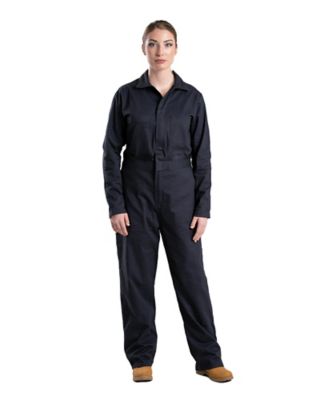
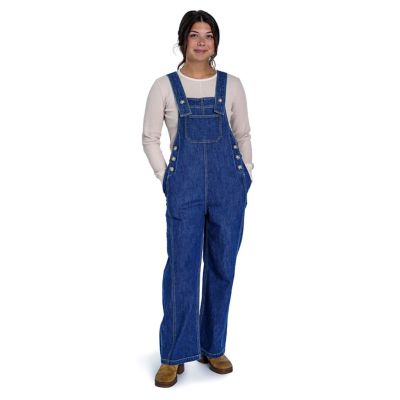
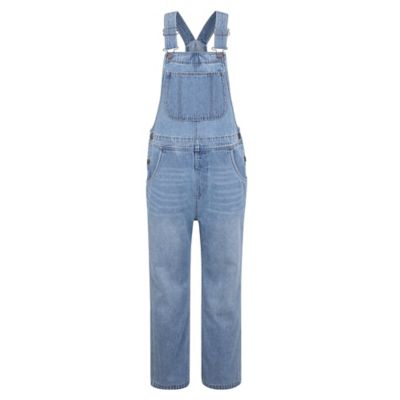
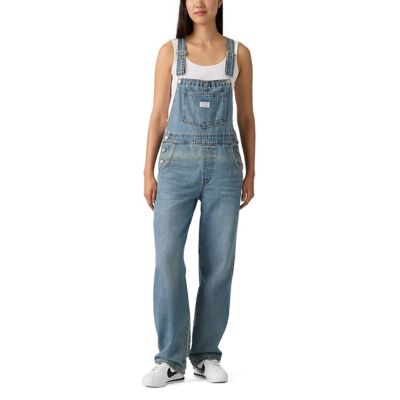
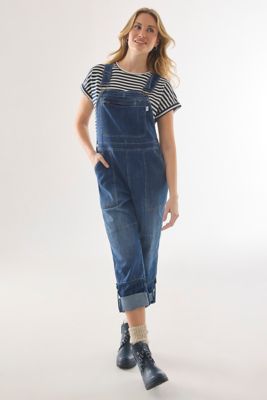
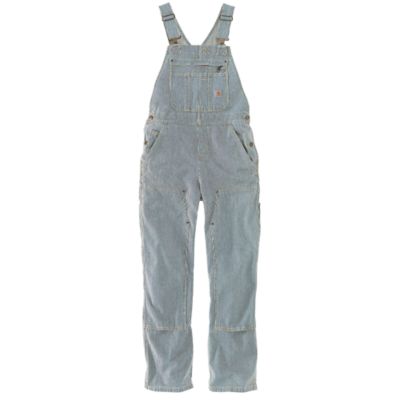
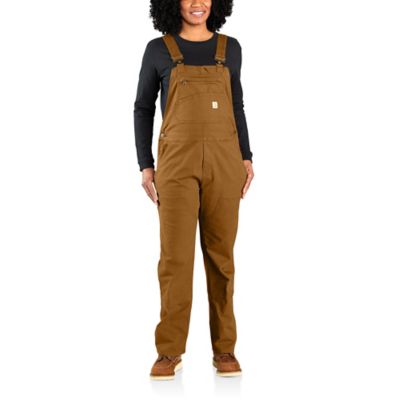
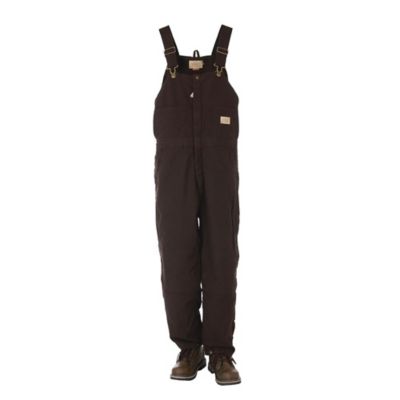
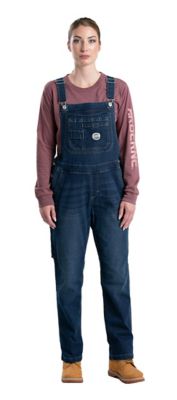
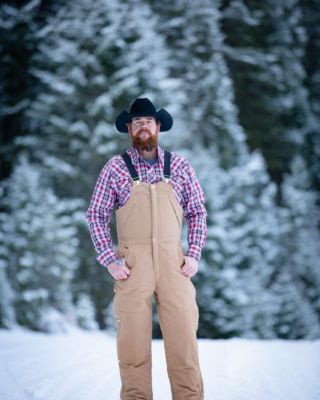
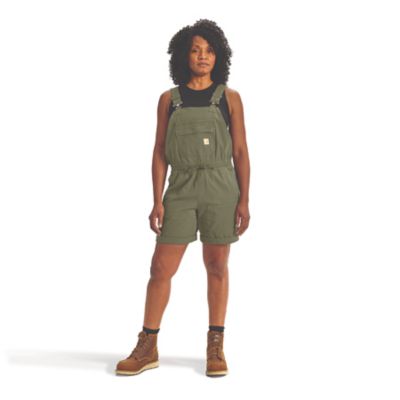
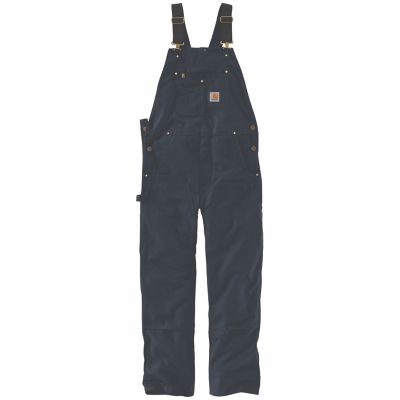
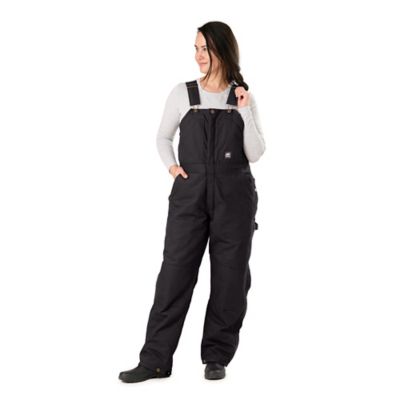
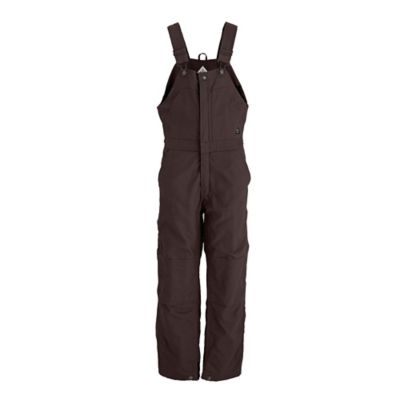
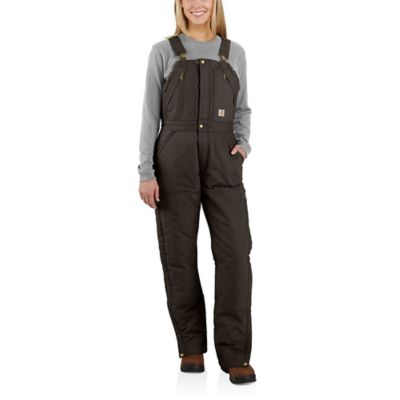
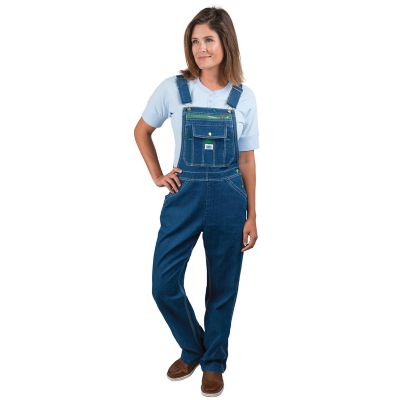
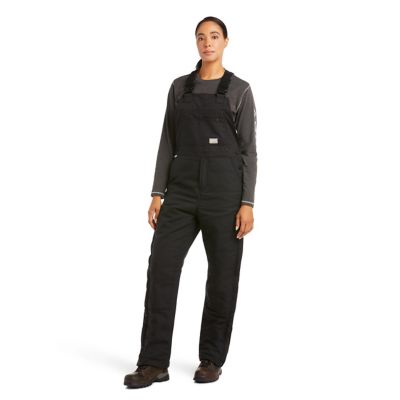
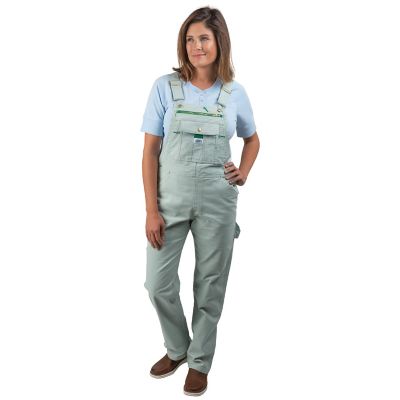
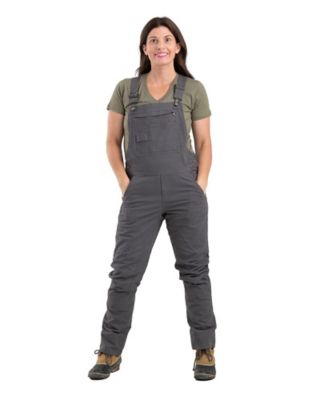
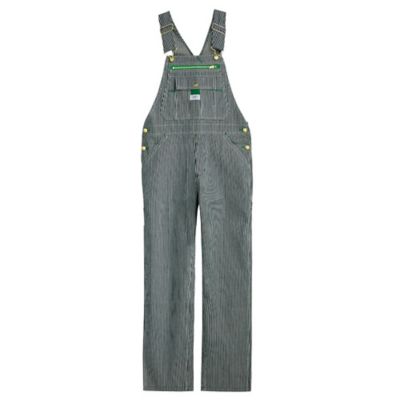
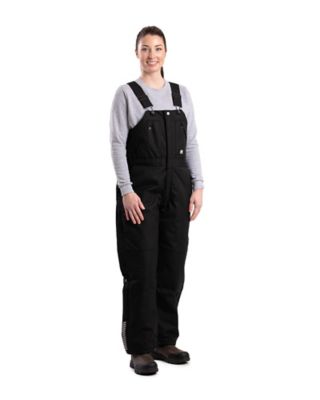
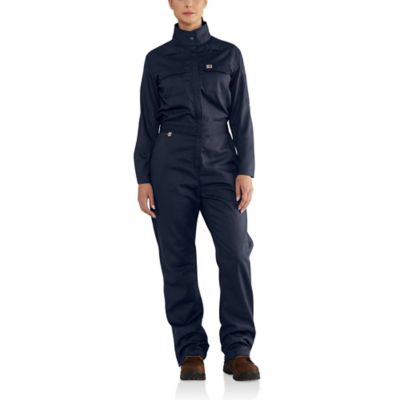
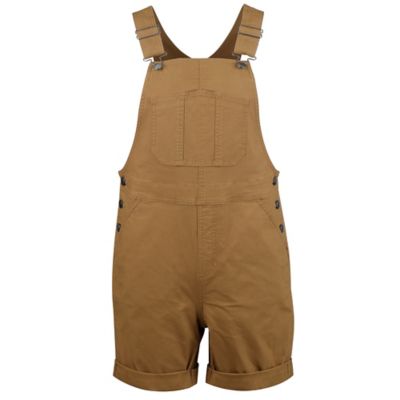
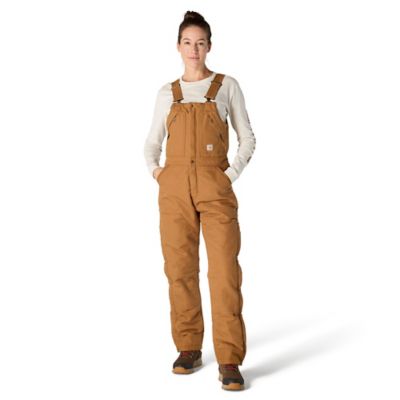
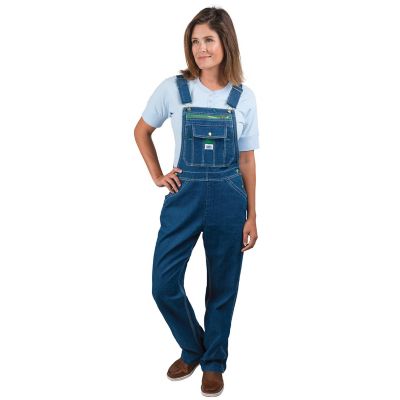
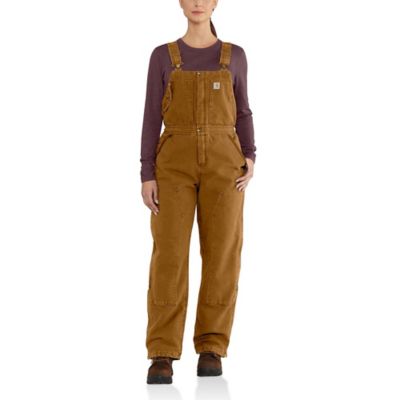
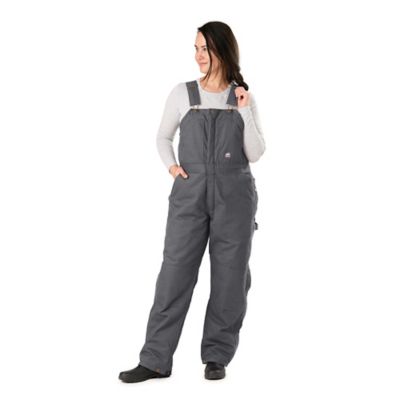
Women’s work overalls earn their place on the coat hook when the day calls for hauling feed, tending garden beds, or getting a few more chores done before dark. The bib-and-strap design adds coverage through the front and keeps pants from slipping at the waist while bending, reaching, and carrying. For women who spend time around barns, workshops, acreage, and backyard projects, that coverage can make a difference between comfortable movement and constantly adjusting clothes. Fabric is a good place to start when comparing work overalls. Cotton duck has a tightly woven surface with a substantial feel that suits jobs involving rough lumber, stacked supplies, and plenty of kneeling. Denim brings a familiar feel and generally softens with washing and wear, while fabric blends with a little stretch can give more easily when stepping onto a tractor platform or crouching beside a raised bed. Fabric weight matters just as much as the material itself. Heavier cloth can stand up to repeated rubbing, but it may also feel stiffer at first and take longer to dry after washing. Lighter fabrics can be easier to move in during active work, especially when the day starts chilly and warms up by lunchtime. During the cooler months, lined or insulated construction adds warmth, though the extra thickness needs room underneath a jacket and around the hips and knees. Unlined overalls leave more flexibility for changing base layers as temperatures shift. Reinforced knees, sturdy stitching, and extra fabric at pocket openings are worth a look for chores that put those areas through repeated wear. No everyday fabric is right for every hazard, though. Ordinary work overalls do not take the place of clothing rated for welding, flame exposure, or other specialized work. Matching the fabric and construction to the actual job helps keep the focus on the fence repair, stall cleanup, or stack of firewood rather than on clothing that gets in the way.
Fit makes the biggest difference once work gets moving. Women’s work overalls should leave enough room to sit, squat, and take a full step without the bib pulling down on the shoulders or the seams tightening across the seat. Measurements are more helpful than guessing from a regular jeans size, since the bib, rise, and strap length all affect how overalls sit. Checking the size chart against bust, waist, hip, and inseam measurements gives a better starting point, especially when thermal layers will be part of the outfit. Adjustable shoulder straps can fine-tune the bib position, but they cannot make up for a torso that is too short or too long. A good fit keeps the bib comfortably against the chest without gaping or riding up when sitting on a low stool to sort tools. Through the legs, a relaxed cut offers room for bending and layering, while a closer cut leaves less loose fabric around work areas. Either way, hems should clear the ground and sit sensibly over work boots rather than bunching beneath the heel. Pocket placement deserves a little attention, too. A chest pocket can keep a small notebook or pencil within reach, while deeper front and back pockets give everyday essentials a place to ride. Closures help keep small belongings from falling out when leaning over a feed bin, though a loaded bib pocket can become uncomfortable during repeated bending. Tool loops and utility pockets may be handy for hand tools, but straps, loose loops, and clothing should stay clear of moving equipment. Side buttons, snaps, and zippers also affect how easily overalls go on over layers and come off at the end of a muddy day. Hardware should be manageable with cold fingers, and strap fasteners should sit where they will not press beneath a coat or interfere with reaching. For kneeling work, double-layer knee panels add fabric where it sees frequent contact; designs with knee-pad openings need pads that match their intended shape and size. Those small details become noticeable over a long afternoon of planting, repairing, or organizing the shed.
A little routine care helps work overalls stay ready for the next round of chores. The care label should lead the way, since cotton, stretch blends, insulation, and different finishes do not all respond to washing and drying the same way. Emptying pockets first keeps screws, baling twine, and bits of bedding out of the washer, and brushing away dried mud before laundering cuts down on loose grit. Treating ordinary stains according to the fabric’s care directions can help prevent a small spill from settling in. Cotton may shrink, particularly with heat, so the stated washing temperature and drying method matter when the inseam already sits just right over a favorite pair of boots. Excessive dryer heat can also be hard on stretch fibers and some linings. Give thick seams, bib pockets, and insulated sections time to dry fully before hanging overalls in a closet or mudroom. Between wash days, a quick check of straps, buttons, pocket corners, and hems can catch a loose thread or small tear before it becomes a bigger repair. Rotating between pairs can be practical for anyone who regularly comes in with damp knees or dusty cuffs, leaving time for proper cleaning and drying. Work overalls fit into plenty of routines beyond a full day on the farm: gathering eggs before breakfast, potting plants at a nursery, handling weekend carpentry, or carrying split wood to the porch. They can also make a thoughtful gift for a gardener, livestock keeper, or hands-on homeowner when the recipient’s measurements and preferred fit are known. Someone who likes a waistband-and-shirt combination for certain tasks may also appreciate
Work Jeans For Women as another everyday workwear option. The best choice comes down to how the clothing feels through the whole job, not just while standing still. Overalls that allow a comfortable stride, hold essentials without weighing down the bib, and suit the weather are easier to reach for when there is work waiting outside.