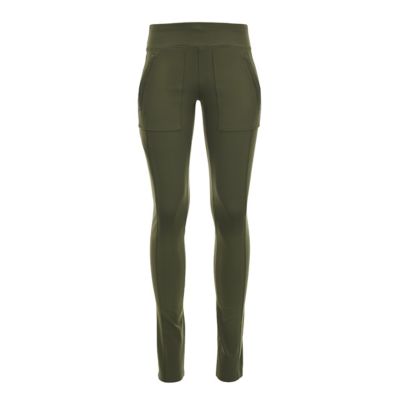
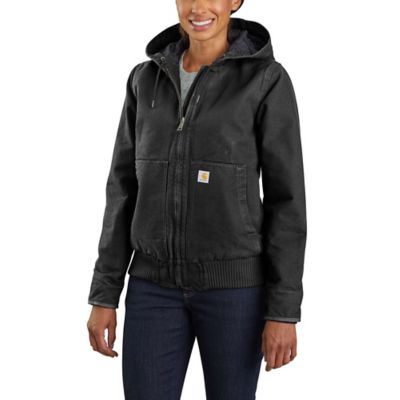
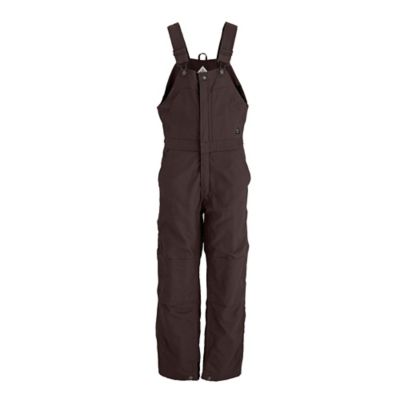
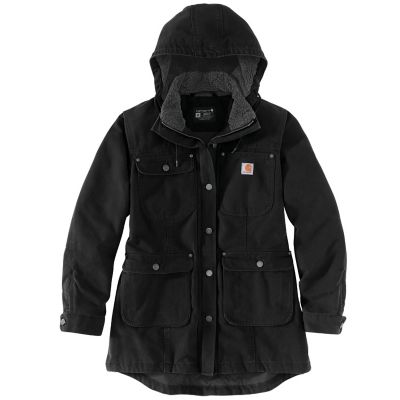
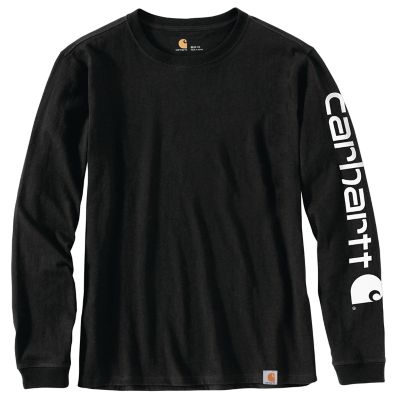
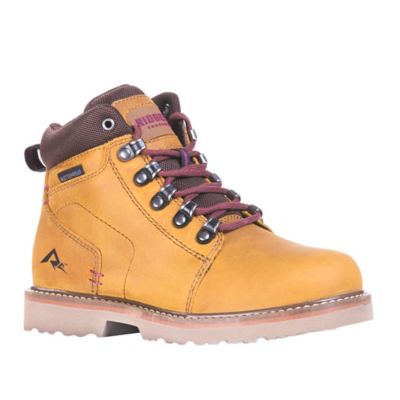
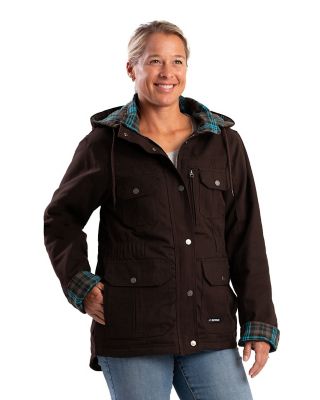
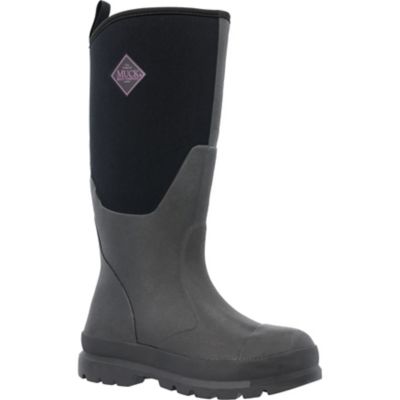
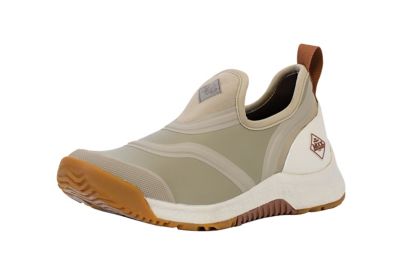
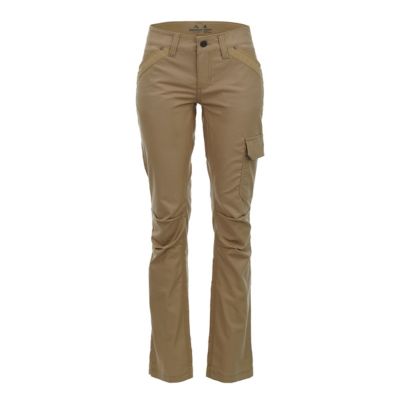
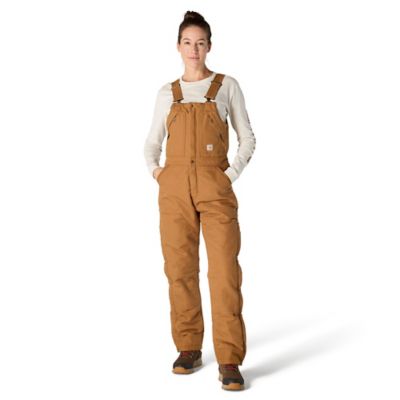
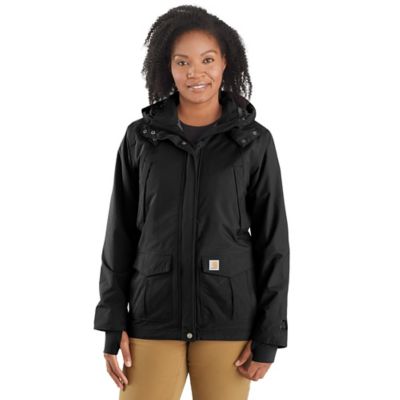
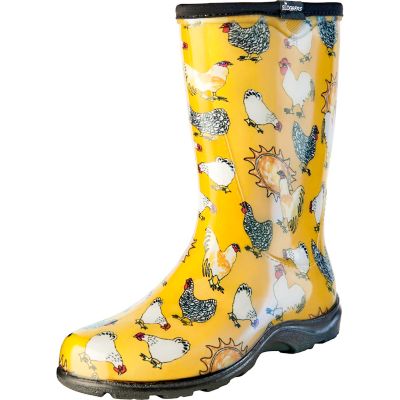
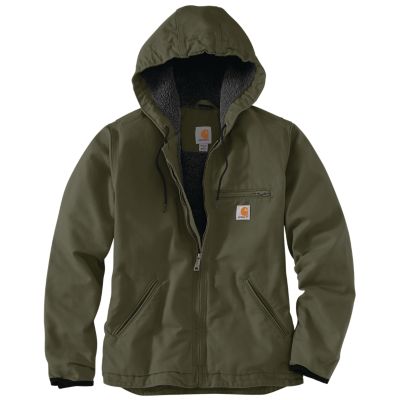
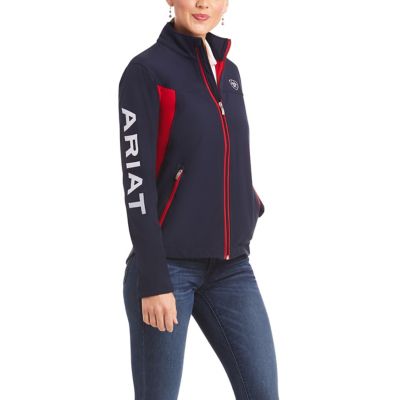
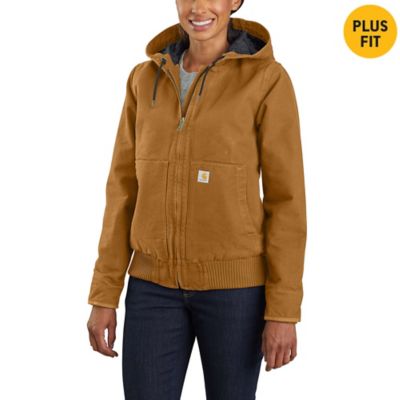
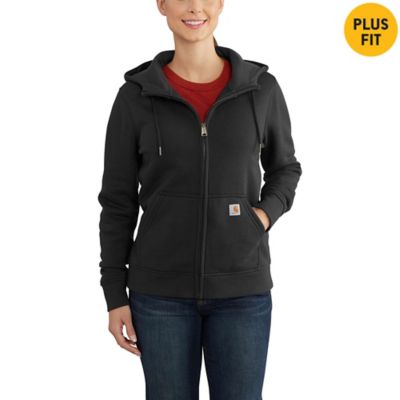
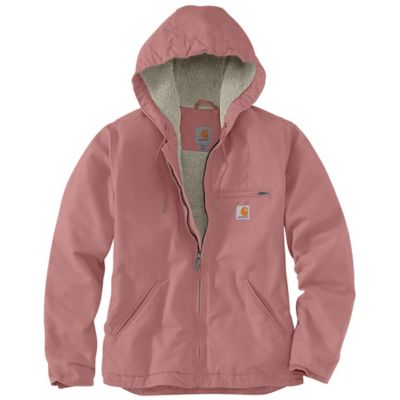
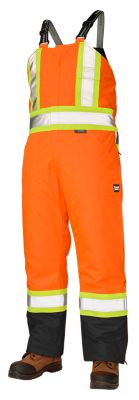
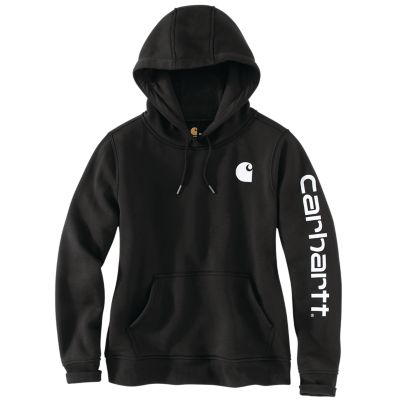
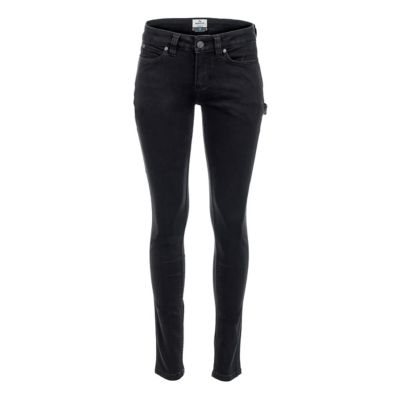
Women's workwear for outdoor jobs has to make sense from the first gate opened to the last tool put away. Feeding livestock, repairing fence, tending garden rows, clearing brush, and keeping a property running all put different demands on clothing, but freedom to move and fabric that stands up to repeated wear matter across the board. A good work outfit leaves room to lift a feed sack, kneel beside a planting bed, or climb onto equipment without pulling tight across the shoulders or waist. Materials make a noticeable difference in how that outfit feels through a full day. Cotton offers a familiar feel against the skin, while denim, canvas, and cotton duck bring substance to clothing that regularly meets rough boards, fence posts, and dirt. Tightly woven fabrics can help resist abrasion, though fabric weight alone does not tell the whole story. The weave, stitching, and reinforcement at high-contact areas also affect how well a garment handles repeated work. Twill has a diagonal weave that can combine a sturdy feel with flexibility, and fabric blends may offer easier care or a lighter feel. A little stretch can make squatting and stepping over uneven ground less restrictive, especially when the garment returns to shape rather than staying stretched at the knees. Heavier fabric can be a sensible match for rough chores, while lighter fabric may feel less cumbersome during tasks that involve constant walking, reaching, and bending. The right balance depends on the work rather than appearance alone. Someone checking fence lines across several pastures may want a different feel than someone spending hours kneeling around raised beds. Women's outdoor workwear brings these everyday needs together in clothing meant for practical movement, repeated laundering, and contact with the places where work gets done. There is room for personal style, too, whether that means straightforward earth tones, darker colors that make some marks less noticeable, or a familiar denim look that carries easily from the barn to errands in town.
Fit is more than the number on a tag when a workday involves bending, lifting, and getting in and out of a truck. Women's work clothing comes in different cuts, and the best match leaves enough room for the task without extra fabric bunching or catching where it should not. A waistband that feels fine while standing can dig in during a deep bend, while a rise that is too short may leave the back uncovered when reaching toward the ground. Enough room through the hips and thighs helps with a long stride, and shaped knees or a gusset can make repeated crouching feel more natural. Stretch works best alongside a suitable cut, not as a replacement for enough room. Length matters as well: hems should work with the footwear worn on the job without dragging underfoot, and sleeves should allow a full reach without slipping over the hands. Through the shoulders and upper back, easy movement is especially helpful for lifting, sweeping, and handling tools. For women who prefer coverage from a one-piece garment, torso length can be just as important as waist and hip measurements. Practical construction details earn their place over time. Reinforced knees suit work that involves regular ground contact, and strengthened seams can help at areas that take repeated strain. Pockets are most useful when their placement makes sense while sitting, bending, or wearing a tool belt. A phone pocket that presses into the hip all day may be less convenient than it looks, and an overfilled pocket can interfere with movement. Secure closures help keep small essentials in place, but loose ties and hanging fabric deserve particular attention around moving equipment. Workwear should also fit comfortably with any required protective gear. Room for a harness or other job-specific equipment, without bunching beneath it, can matter more than a close-fitting silhouette. These details help separate clothing that merely looks ready for a chore from clothing that feels right once the work begins.
Care and intended use have a lot to do with how long work clothing stays in rotation. Barn chores, landscaping, property maintenance, and hands-on trades can leave behind dust, soil, grease, and plant debris, so washable fabrics and straightforward care requirements are worth considering. The care label is the starting point for washing and drying because denim, cotton-rich fabrics, stretch blends, and specialized finishes do not all respond the same way. Excessive dryer heat can affect some stretch fibers, while certain cotton garments may shrink, changing a comfortable fit into one that pulls at the waist or sleeves. Emptying pockets and fastening closures before laundering can help prevent small tools, grit, or hardware from damaging fabric or the washing machine. Prompt attention to stains keeps everyday messes from becoming harder to remove, and checking seams, knees, and pocket edges can reveal wear before a small opening becomes a larger tear. Clothing with special protective properties needs the care specified by its manufacturer, since the wrong cleaning method may affect its performance. Ordinary workwear should never be mistaken for protection against hazards that require rated clothing or other safety equipment. Women working around sparks, chemicals, machinery, or vehicle traffic need clothing that meets the requirements of that particular job. For everyday outdoor chores, the focus is often on a comfortable cut, strong construction, and useful coverage that does not get in the way. Workwear can also make a thoughtful gift for a woman who runs a farm, cares for horses, keeps a garden, or spends her weekends improving a piece of land. Knowing her measurements, preferred fit, and usual tasks makes the choice more personal and more practical than guessing by appearance. Familiar fabrics and a cut she already likes are often a good starting point. For another workwear collection to consider alongside everyday outdoor clothing, explore
Winter Workwear For Women.