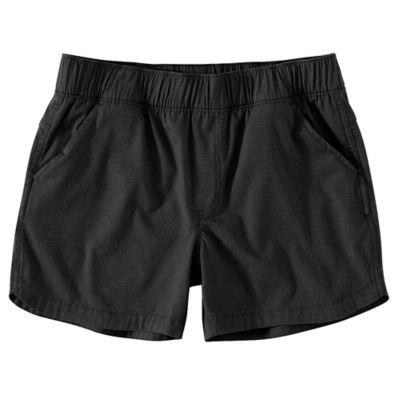
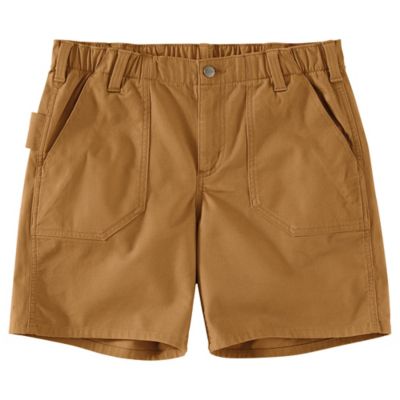
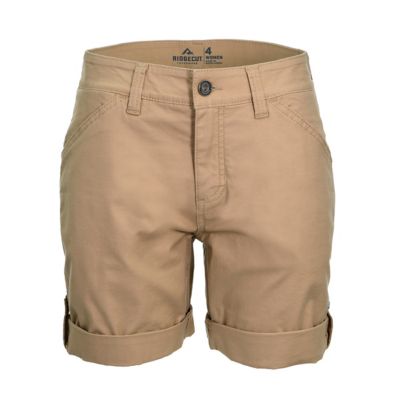
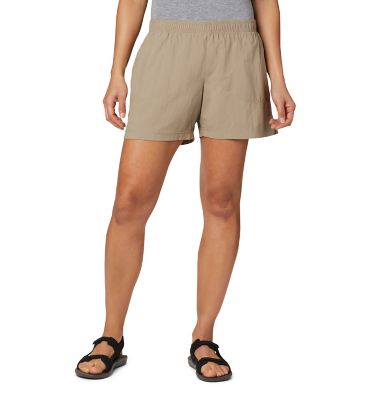
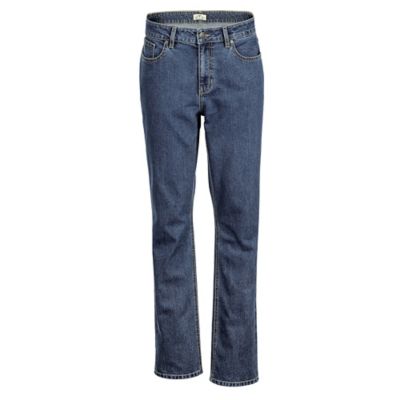
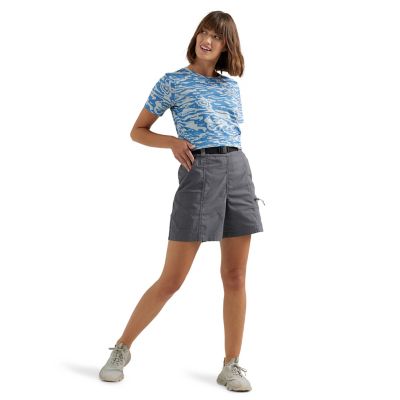
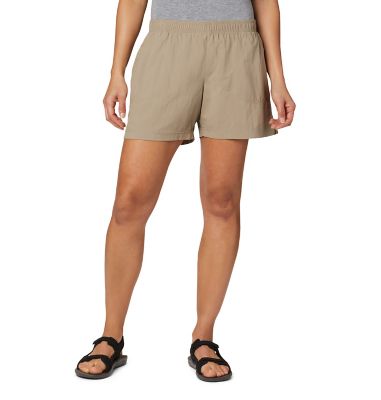
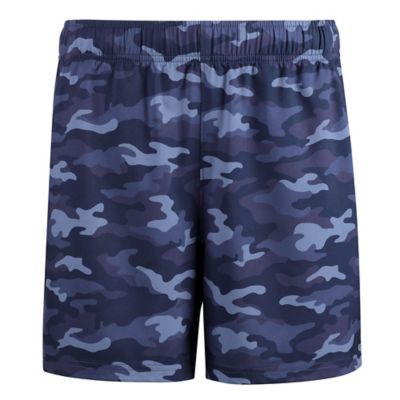
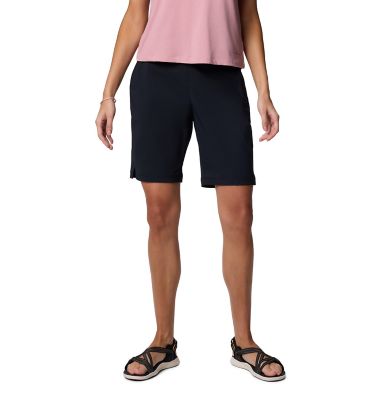
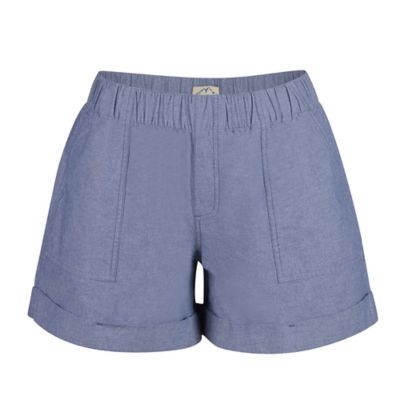
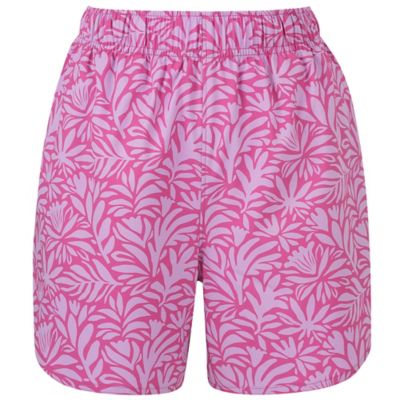
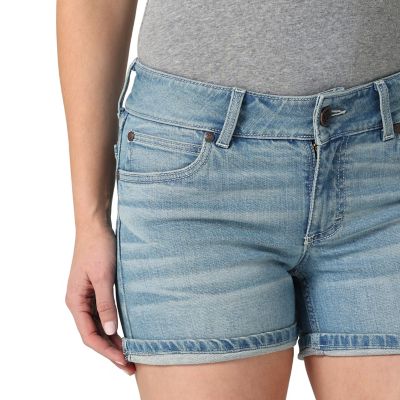
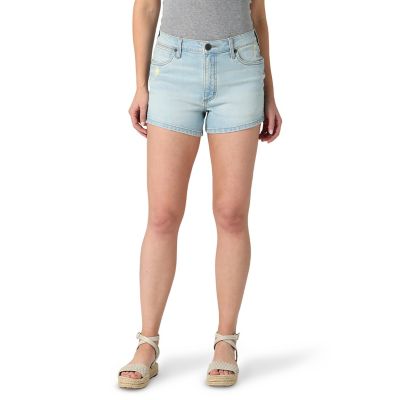
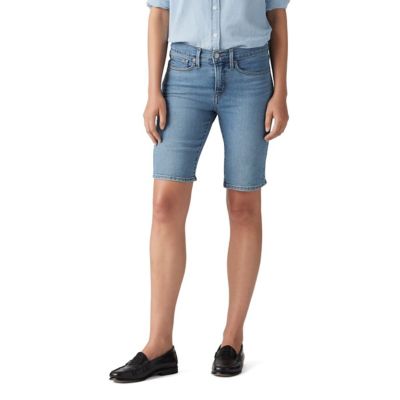
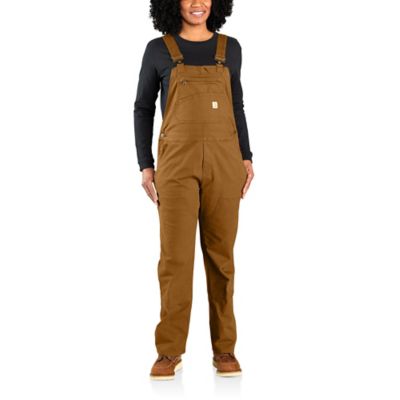
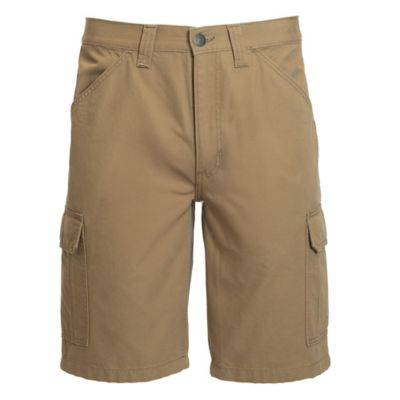
Women's utility shorts combine practical pockets, workwear-inspired construction, and room to move for chores, outdoor tasks, and everyday wear. Their purpose is straightforward: keep small essentials close without getting in the way of bending, stepping, or crouching. A pair might go from gathering eggs and watering raised beds to sorting supplies in the garage or heading into town. What sets this category apart is the balance between useful storage and a comfortable shape, rather than pocket count alone. Fabric plays a big part in that balance. Cotton canvas generally has a substantial feel and a firm structure, while cotton twill offers a familiar woven texture that works well for both chores and casual outfits. Ripstop fabrics feature a reinforcing grid intended to help limit the spread of small tears, though performance depends on the fiber blend and construction. Nylon and polyester blends can bring a lighter feel and tend to dry faster than all-cotton fabrics. A small amount of elastane adds stretch, which can make a difference when stepping over a low gate, kneeling beside a planter, or reaching into a feed bin. Fabric weight matters, too: a heavier cloth has more body, while a lighter weave can feel less restrictive during repeated movement. Neither choice suits every task or every wearer. Some women prefer the broken-in feel that cotton develops with regular wear; others lean toward a blend that holds its shape with less fuss. Smooth fabric can slide comfortably beneath an untucked shirt, while a more textured weave gives shorts a familiar workwear look. Across these differences, women's utility shorts serve the same practical role: everyday bottoms with details that earn their place through regular wear. They suit women tending a small acreage, working around a workshop, caring for animals, or simply wanting more function than a basic pair of casual shorts provides.
Fit and pocket placement determine how that function feels once the day gets moving. A waistband that feels comfortable while standing should also allow room for sitting on a bench, climbing a step, or squatting to reach a low shelf. Mid-rise and high-rise cuts sit differently through the waist and hips, and the same labeled size can feel different across cuts and fabrics. A relaxed leg opening leaves more space through the thigh, while a straighter cut creates a closer silhouette without necessarily feeling snug. Inseam length changes both coverage and freedom of movement. Shorter lengths leave less fabric around the thigh; longer lengths provide more coverage when sitting or bending. Body measurements and garment size charts offer a better starting point than relying on a familiar size alone, especially when moving between rigid cotton and stretch blends. Pocket design deserves just as much attention as the waistband. Deep front pockets can help keep a phone or folded note from slipping out during ordinary movement, while back pockets provide another spot for small essentials. Cargo pockets and dedicated utility pockets separate belongings so everything does not settle into one crowded space. Closures such as snaps, buttons, or zippers add a way to secure contents, but pocket dimensions still matter. A phone that fits while standing may press against the hip when seated, and a heavily loaded pocket can pull at the leg opening. Flat pockets keep the silhouette neater, while pockets with extra depth offer more room. Belt loops provide an option for adjusting the waist or supporting a belt, though heavy tools belong in equipment designed to carry them. Reinforced pocket openings, sturdy seams, and bar tacks at stress points can help clothing stand up to repeated tugging and movement. These construction details matter most where fabric takes regular strain. Shorts still leave the lower legs exposed, so work involving sharp brush, flying debris, or other hazards may call for long pants and appropriate protective gear instead.
Everyday comfort also depends on the smaller details that become noticeable after several hours of wear. A waistband with a little give can feel easier during repeated bending, and a smooth inner finish helps reduce rubbing where seams meet the skin. Stretch panels or a gusseted crotch can add room for movement when included in the design. The right combination keeps attention on the task rather than on adjusting clothing between trips to the shed. As part of
Women's Utility Clothing, utility shorts work naturally with a plain T-shirt, a tucked-in work shirt, or a simple knit top. Sturdy footwear suits chores around the property, while casual shoes make sense for errands and time off the clock. Neutral colors are easy to pair with the shirts already in a closet, and darker shades may make some everyday marks less noticeable, though no color replaces regular cleaning. Care requirements vary by fabric, finish, and trim, making the garment label the best source for washing and drying directions. Emptying pockets before laundering keeps screws, seed packets, and tissues out of the wash. Closing zippers and securing fasteners can help prevent snagging against other clothing. Soil and stains are generally easier to address before they settle deeply into the fabric, with any treatment matched to the care instructions. Excessive dryer heat can affect stretch fibers and may shrink some cotton garments, so the recommended drying method matters for keeping the intended fit. Small seam repairs made before a loose thread becomes a larger opening can extend a garment's working life. For a gift, utility shorts make sense for someone who enjoys gardening, projects, or life around animals, especially when their preferred rise, inseam, and size are known. Whether worn for regular chores or a day spent close to home, a well-fitting pair brings together useful storage, manageable care, and comfort that holds up through an active routine.