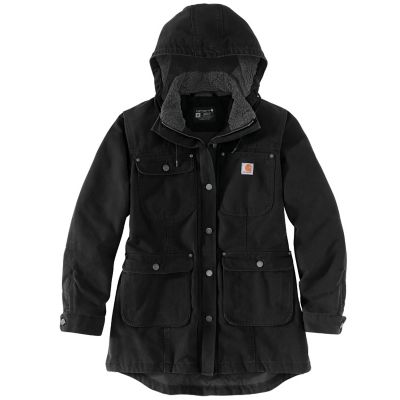
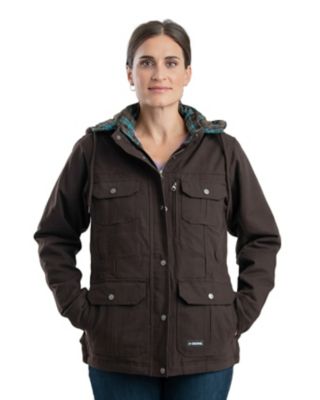
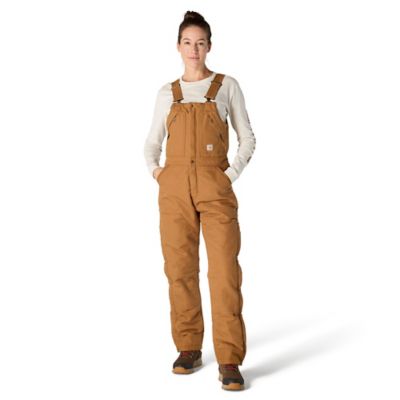
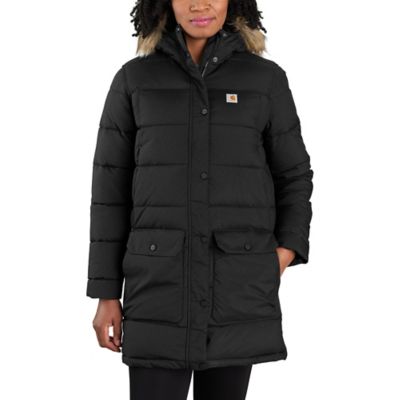
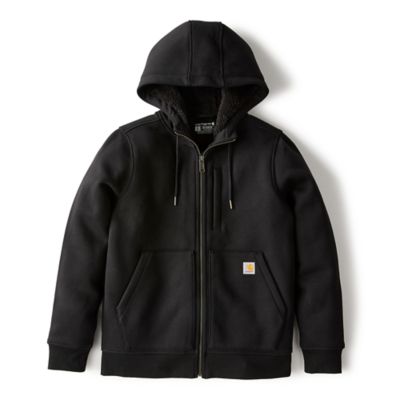
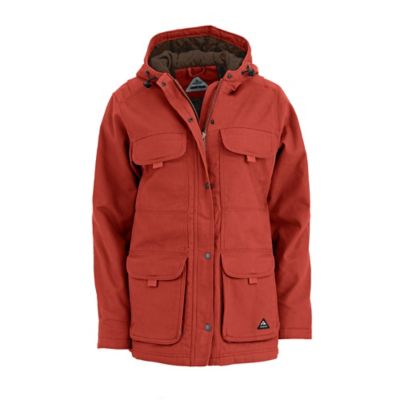
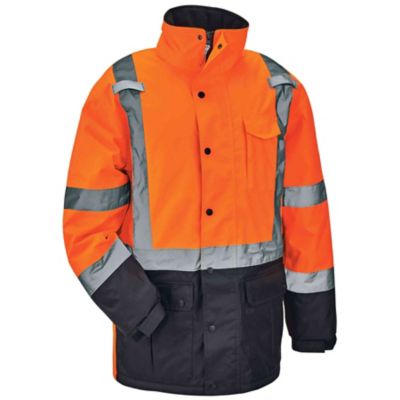
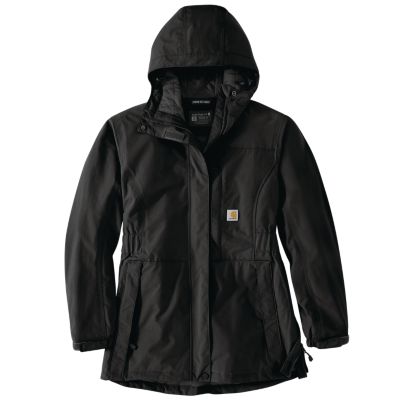
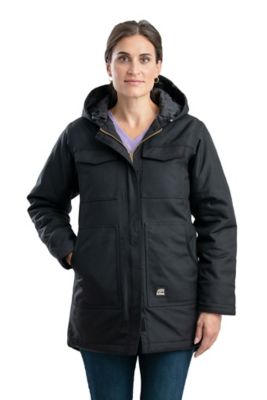
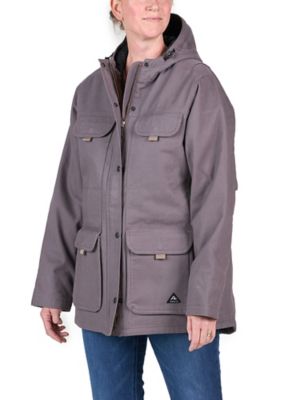
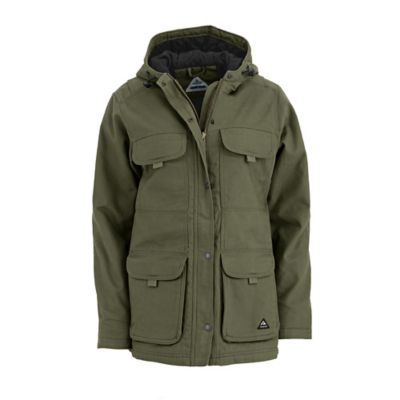
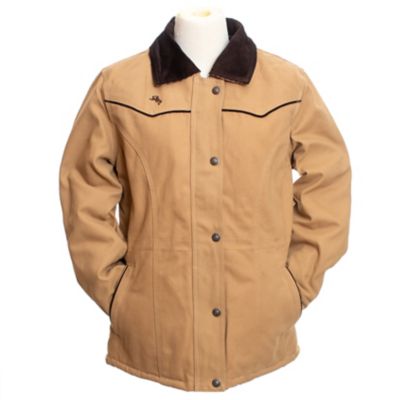
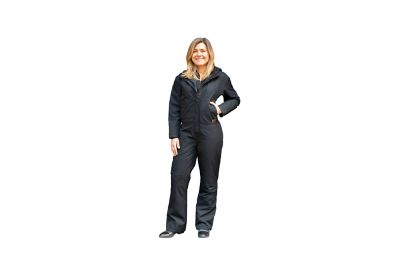
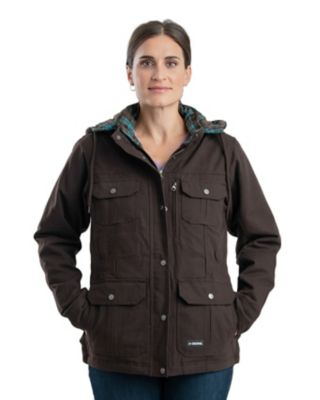
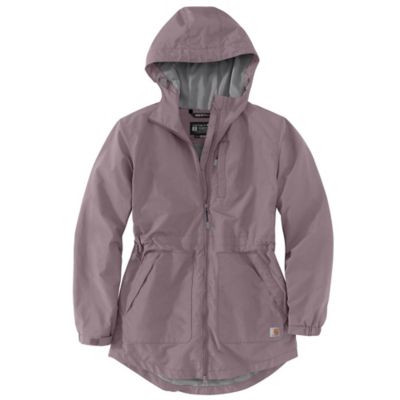
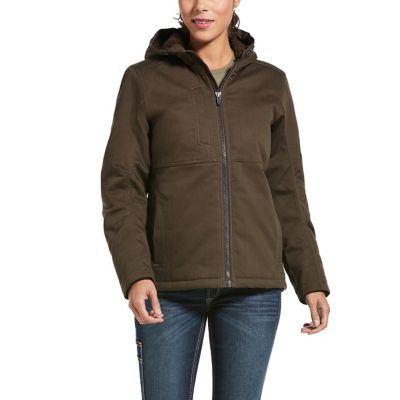
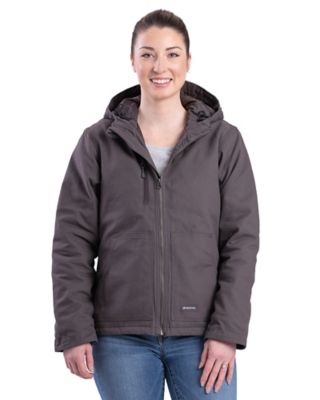
Women’s insulated coats help hold body heat close when feeding livestock, walking the fence line or heading into town on a cold day. They range from light quilted jackets that fit easily over a flannel shirt to longer parkas with more coverage for standing outside in biting wind. The right amount of warmth depends on more than how thick a coat looks: insulation, shell fabric, coverage and room for layers all work together. Down insulation comes from the soft clusters beneath the outer feathers of ducks or geese and offers substantial warmth for its weight. It compresses well, making a down coat handy when extra warmth needs to tuck into a bag, though untreated down loses much of its insulating ability when wet. Synthetic insulation, often made from polyester fibers, generally retains more insulating ability when damp and can be a practical choice around light precipitation or physical chores. Neither fill makes a coat waterproof on its own; protection from rain and wet snow depends on the outer fabric, construction and features such as sealed seams. Fill power describes the loft of down rather than a coat’s overall warmth, so a higher number alone does not tell the whole story. Fill amount and how the coat is built matter, too. For someone carrying feed buckets or stacking firewood, a lighter insulated coat with breathable construction may feel more comfortable than a heavily padded parka. For someone watching a livestock show from cold bleachers or waiting at the school bus stop, more insulation and a longer hem can make sense. Quilted stitching helps keep insulation distributed, while the spacing and construction of those stitched sections influence how evenly a coat holds warmth. A soft fleece-lined collar can take the edge off a brisk morning without adding another layer around the neck. These details give women’s winter outerwear a broad range of everyday roles, from steady barn work to walks down a gravel road.
Shell materials make a noticeable difference in how women’s insulated coats feel and hold up to regular wear. Cotton duck and canvas have a substantial feel that suits chores around gates, stalls and stacked hay, although untreated cotton can absorb moisture and take time to dry. Nylon and polyester shells often weigh less, shed light moisture when treated and slide comfortably over sweaters. Fabric weight, weave and reinforced wear areas all affect resistance to rubbing and snags; fiber type alone does not establish how well a coat will stand up to hard work. Water-resistant fabric can handle some light snow or drizzle, but it is not the same as a waterproof shell built to block sustained precipitation. Wind-resistant construction also matters when an open pasture offers little shelter. A storm flap over the front zipper, adjustable cuffs and a hem that cinches help limit drafts at common openings. Hoods add coverage around the head and ears, and an adjustable hood is especially helpful when a loose edge would otherwise slip into the line of sight. A removable hood offers flexibility for days spent getting in and out of a vehicle. Fit deserves just as much attention as fabric. There should be space for the layers normally worn underneath without tightness across the shoulders or upper arms. Reaching forward to latch a gate, bending to fill a water bowl and sitting behind the wheel all call for freedom of movement. Shaped elbows, underarm panels and stretch sections can help, depending on the coat’s design. Hip-length jackets keep the lower body freer for frequent climbing and bending, while thigh-length coats and parkas cover more of the seat and legs. A two-way zipper can ease pressure at the hem when sitting. Deep hand pockets offer shelter between tasks, zippered pockets help keep keys contained, and an inside pocket keeps small essentials close. Pocket placement matters when carrying something against the body, and zipper pulls that are easy to grasp with gloves save fumbling when fingers are cold.
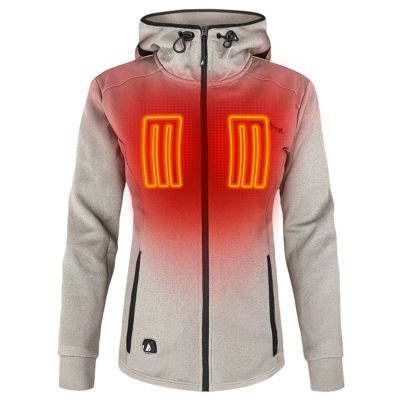
Everyday comfort also comes down to matching a coat to the pace of the day. A woman who moves between the barn, truck and feed room may want less insulation than someone spending long stretches outdoors with little movement. Layering a moisture-managing shirt and a sweater or fleece beneath an insulated coat allows some adjustment without relying on one heavy garment for every job. A close-fitting base layer can help move perspiration away from the skin, while enough space through the coat’s chest and sleeves keeps the layers from feeling cramped. For people interested in battery-powered warmth,
Women's Heated Winter Coats offer another type of cold-weather outerwear, with heating features that vary by garment. Traditional insulated coats hold body heat without a power source, making their shell, fill and fit the main considerations. Care requirements are worth checking before settling on outerwear that will see muddy paws, dusty tack rooms or frequent trips outdoors. Some insulated coats can go in a home washing machine, while others need different cleaning methods. Following the garment’s care label helps protect the shell finish, lining and insulation. Down often needs a down-specific cleaner and thorough drying with gentle heat when the label permits it; lingering moisture can leave the fill clumped and reduce loft. Synthetic-filled coats also need to dry completely before storage. Fabric softeners and strong detergents can interfere with certain performance finishes, so cleaning directions matter more than a one-size-fits-all laundry routine. Between washes, brushing off dry dirt or spot-cleaning small marks may be enough when the fabric allows it. Keeping a coat in a dry place with room to hang, rather than leaving it tightly compressed for long periods, helps preserve its shape and loft. An insulated coat can also be a thoughtful gift for someone who tends animals, enjoys long walks or spends weekends at outdoor events. Knowing her usual layers, preferred hem length and everyday activities makes the choice more personal, with warmth and comfort suited to the way she spends her day.