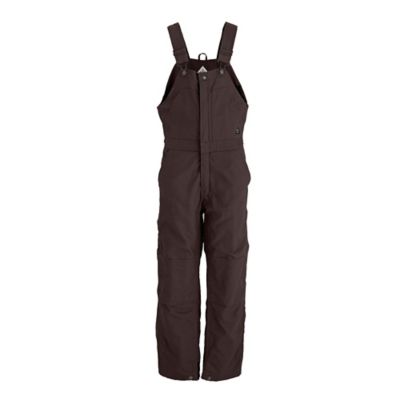
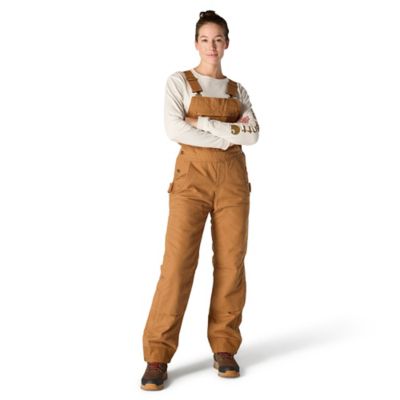
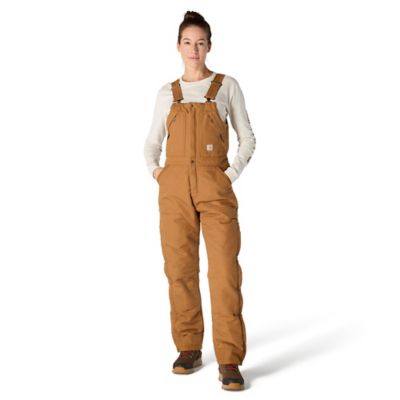
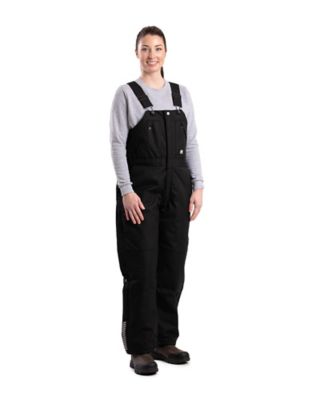
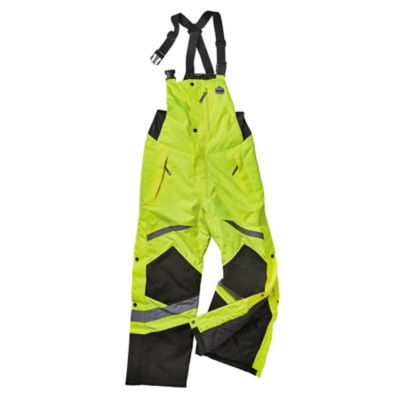
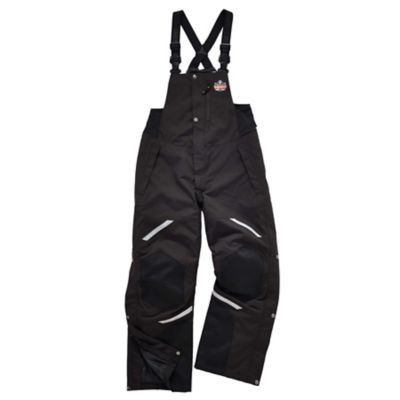
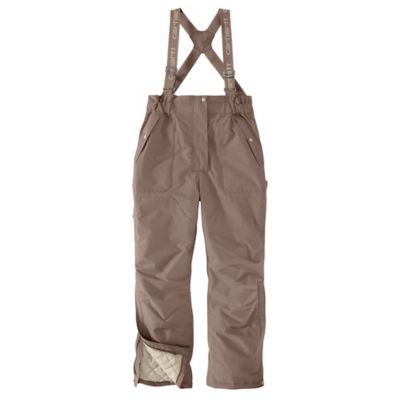
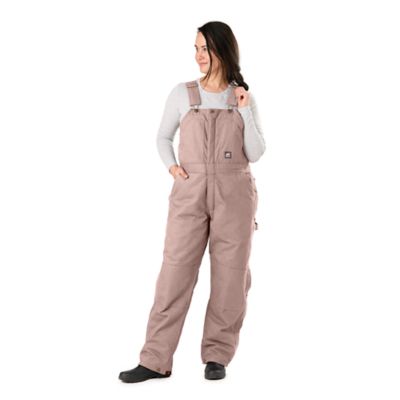
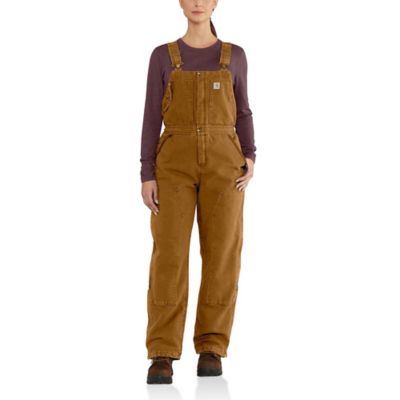
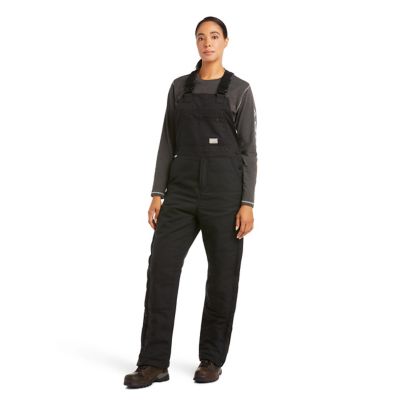
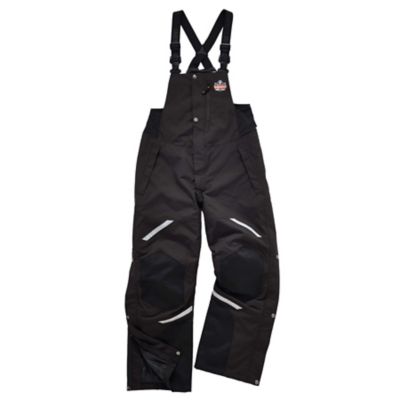
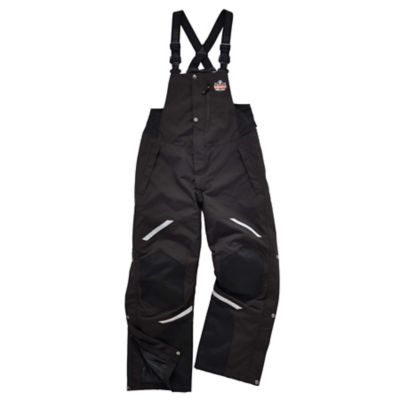
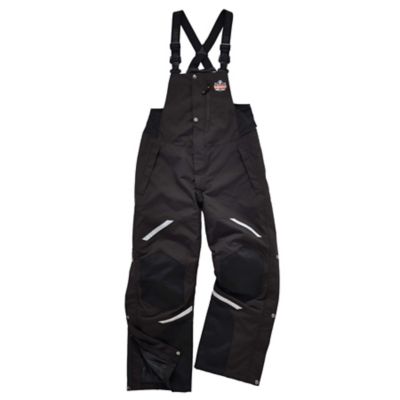
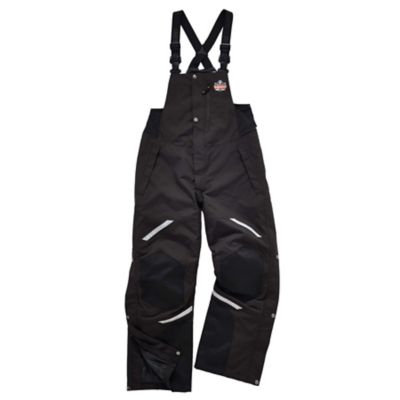
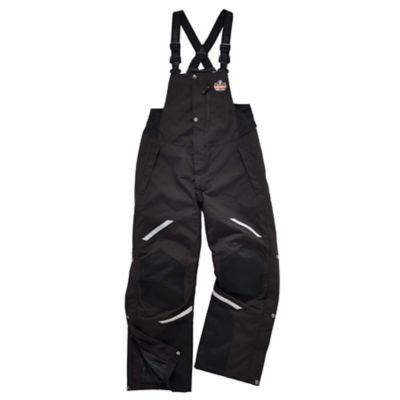
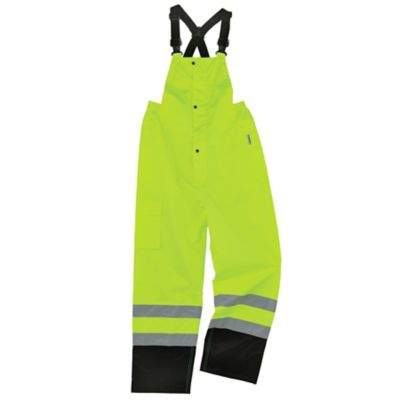
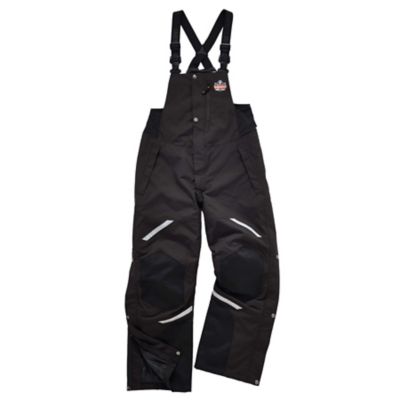
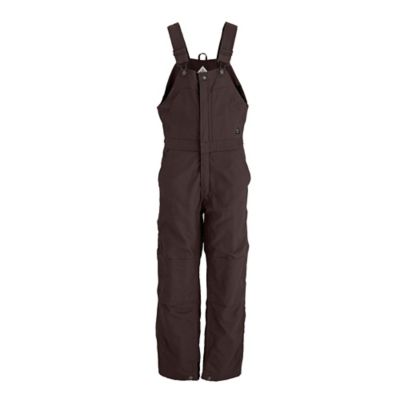
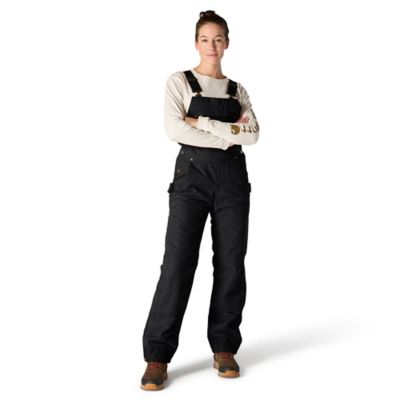
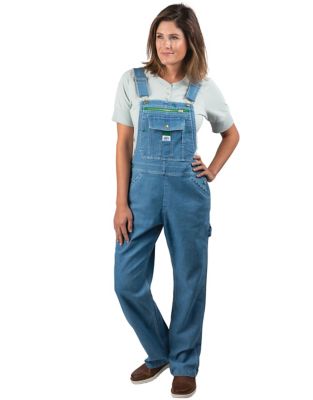
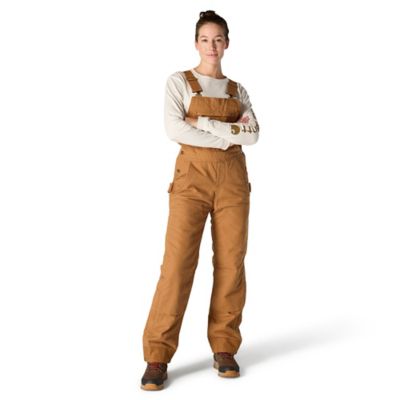
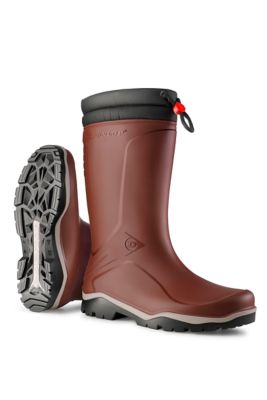
Women’s insulated overalls are cold-weather workwear with a bib front, shoulder straps and insulated legs that add warmth over everyday layers. They’re a practical choice for feeding livestock before daylight, breaking ice in water troughs, hauling hay or working along a windy fence line. Unlike full-body coveralls, bib overalls leave the arms uncovered, allowing a separate jacket or sweatshirt to handle upper-body warmth. That setup gives wearers more flexibility when a morning starts with a cold tractor seat and turns into steady, physical work. The outer fabric makes a difference in how a pair handles those jobs. Cotton duck is a tightly woven canvas often chosen for its substantial feel and resistance to everyday abrasion. Cotton blends can offer a different balance of weight, flexibility and drying time, while some synthetic shells emphasize lighter weight or protection from moisture. Fabric weight alone doesn’t tell the whole story; stitching, reinforcement and the construction of high-wear areas also affect how workwear holds up. Inside, synthetic insulation, often polyester, helps hold warm air close to the body. A quilted lining helps keep that fill distributed, and a smooth lining can make it easier to pull the legs over pants. More insulation isn’t automatically the best match for every chore. Someone walking pens or carrying feed may prefer less weight than someone sitting on equipment or standing at a gate for long stretches. Wind exposure, activity level and the layers underneath all influence comfort, so an insulation description shouldn’t be treated as a guaranteed temperature rating. Moisture protection deserves a separate look, too. A water-repellent finish can help shed light splashes or brief contact with snow, but it isn’t the same as waterproof construction. Waterproof performance depends on the fabric and details such as seams and closures. Wet grass, blowing snow and a damp barn floor each place different demands on a pair of insulated bibs.
Fit matters just as much as the lining when the day involves climbing, bending and reaching. Women’s insulated overalls need enough room through the hips, seat and thighs for the layers underneath without leaving so much extra fabric that it catches on gates or bunches behind the knees. Women’s sizing varies between makers, so waist, hip and inseam measurements are more useful than assuming an everyday pants size will translate directly. The intended layering setup belongs in that decision: thermal bottoms and jeans take up more space than a single lightweight layer. Adjustable shoulder straps help position the bib comfortably, but they can’t make up for a rise or torso length that doesn’t suit the wearer. A comfortable fit should allow a full squat to reach a feed pan, a step onto a tractor and an overhead reach without pulling hard through the crotch or shoulders. Inseam length should also account for work boots; hems that drag through mud wear faster, while legs that ride too high can leave a gap at the ankle. When comparing
women’s bib overalls, insulation is a separate feature to check rather than something every bib style includes. Other construction details can make insulated pairs easier to manage through a long workday. Leg zippers may provide room to get dressed around boots, though the opening length determines how much access they offer. Snaps, storm flaps and adjustable cuffs can help keep the lower legs settled around footwear. Reinforced knees and seat panels add material where kneeling and sitting create friction, while reinforced stitching supports stress points around pockets and straps. Pocket placement matters when gloves are on and hands are full. Chest pockets can keep small necessities within reach, and deeper lower pockets offer space for everyday tools. Closures help contain smaller belongings during a climb or bend, but pockets shouldn’t be overloaded with sharp or heavy tools that press against the body or interfere with movement.
The best match comes down to the work, not just how a pair looks hanging by the back door. For barn chores, room to move and fabric that stands up to contact with rough boards may take priority. For outdoor repairs, accessible pockets and reinforced knees can matter more, especially when the job involves kneeling beside a water line or crouching under a trailer. Long periods on an open tractor call for a different balance of insulation and wind protection than a brisk walk between outbuildings. Insulated bibs can also make a thoughtful gift for someone who tends animals, maintains acreage or spends plenty of time working outside, provided the size and layering preferences are known. Care is part of keeping them ready for those routines. The sewn-in care label should set the rules for washing and drying because shell fabrics, insulation and protective finishes don’t all respond the same way. Brushing off loose dirt and addressing small spots promptly can reduce unnecessary full washes. When machine washing is permitted, emptying pockets and fastening closures helps limit snagging, and the recommended detergent and wash cycle help protect the fabric and lining. Bleach, fabric softeners and high dryer heat may be unsuitable, depending on the garment’s instructions. A pair that looks dry on the outside can still hold moisture in thick seams or insulated panels, so it needs time to dry completely before storage. Hanging bibs in a dry spot rather than leaving them wadded on a mudroom floor helps them air out between chores. Checking hems, pocket corners, strap attachments and zippers can catch small problems before the next long day outside. Ordinary insulated overalls also shouldn’t be mistaken for specialized protective clothing: flame resistance and other job-specific protections require the appropriate labeling. With the right fit, suitable layers and care that matches the fabric, insulated overalls make it easier to stay focused on the work when cold conditions would otherwise cut the day short.