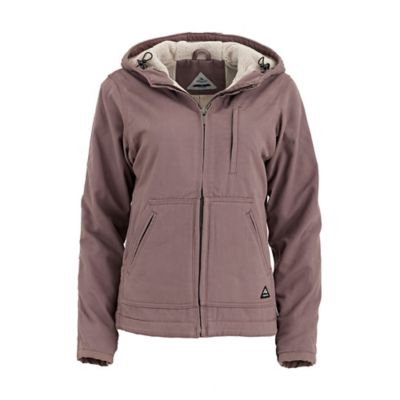
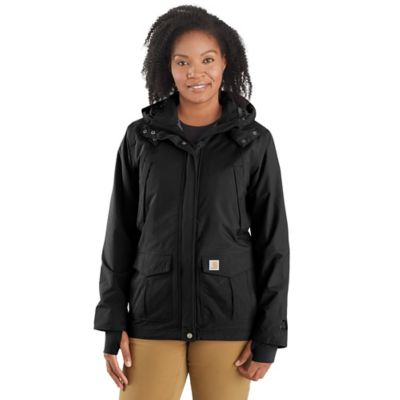
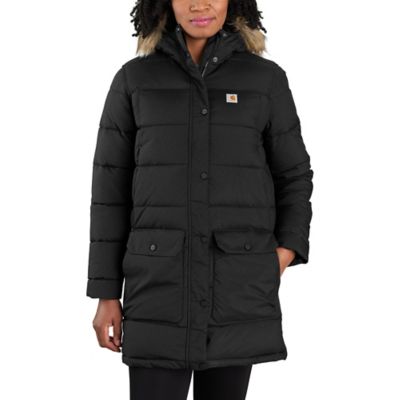
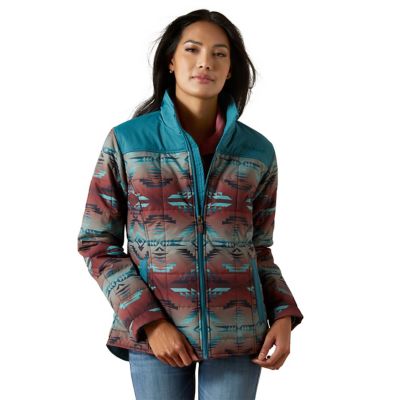
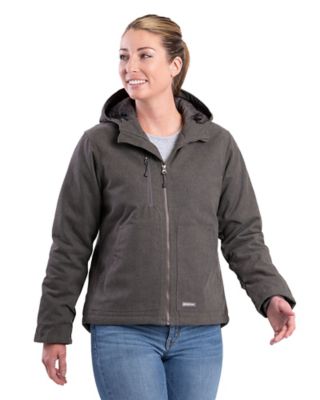
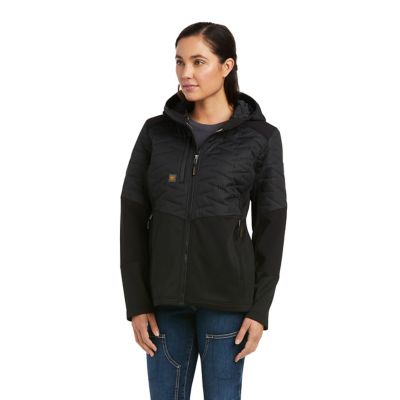
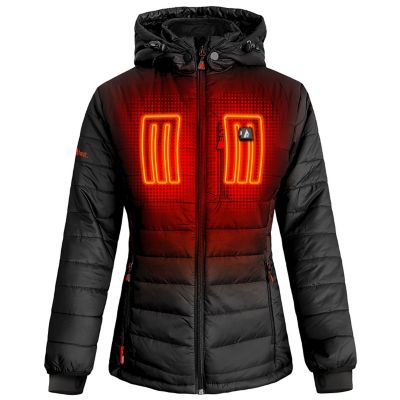
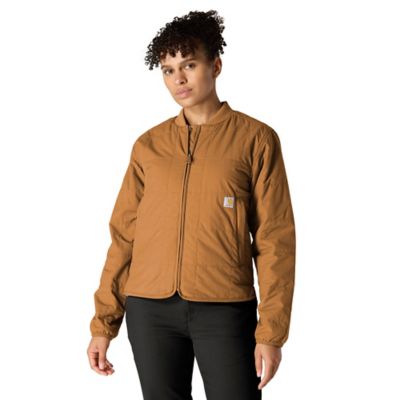
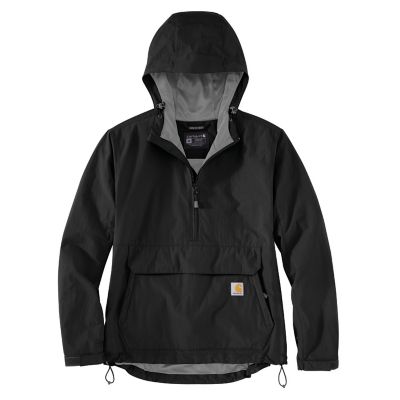
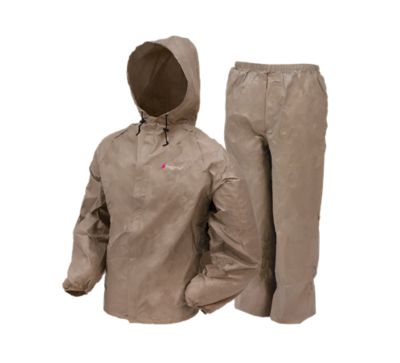
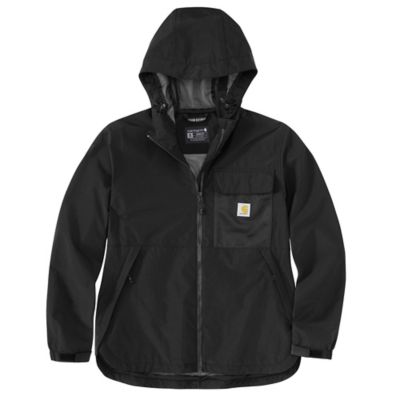
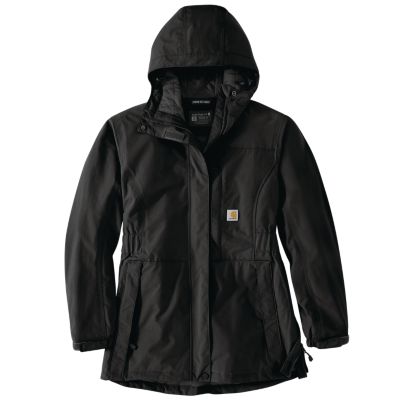
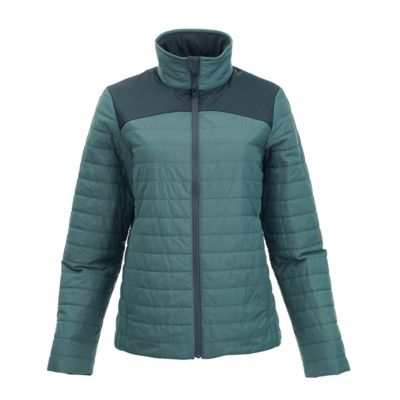
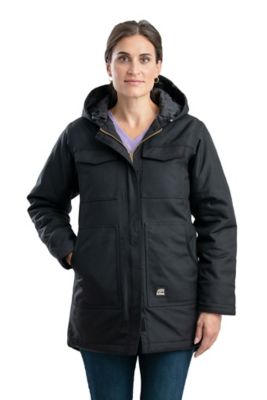
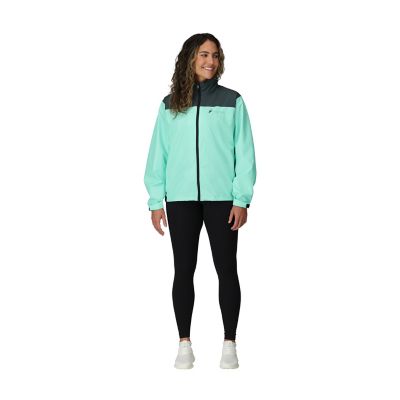
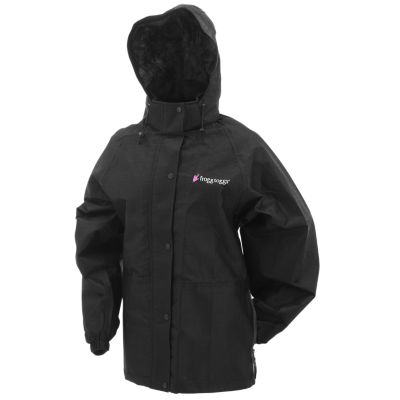
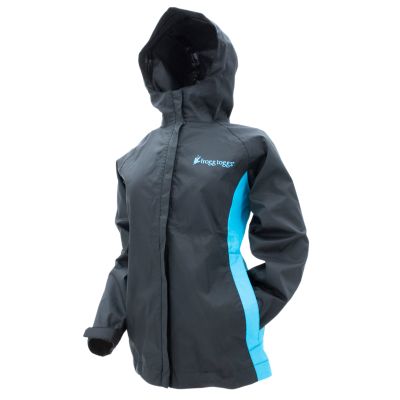
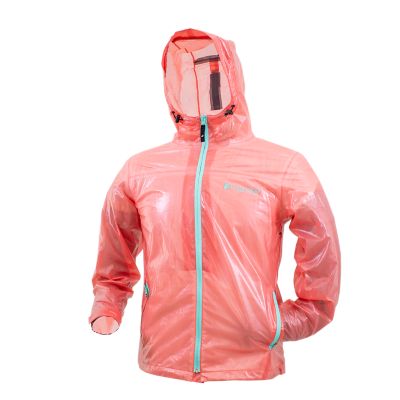
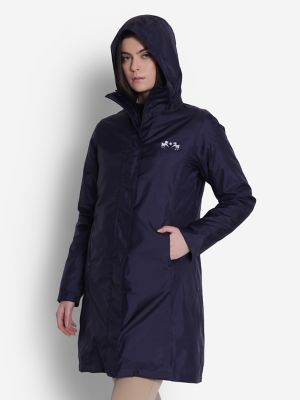
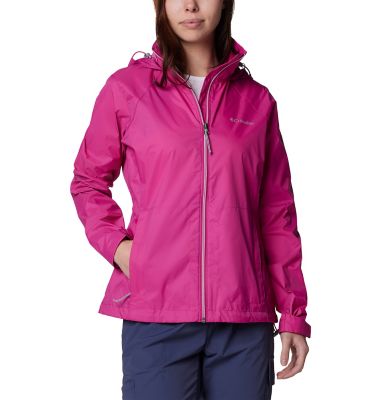
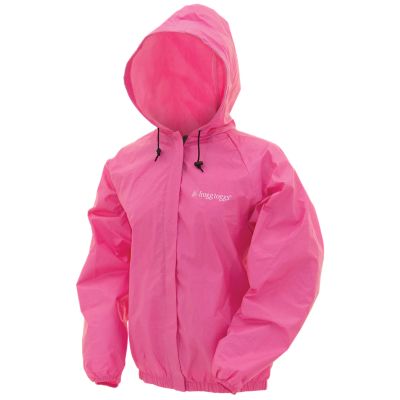
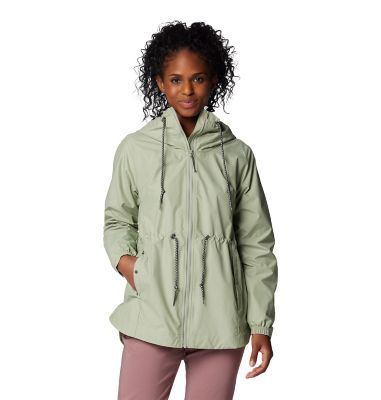
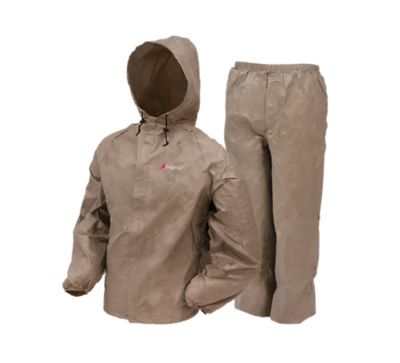
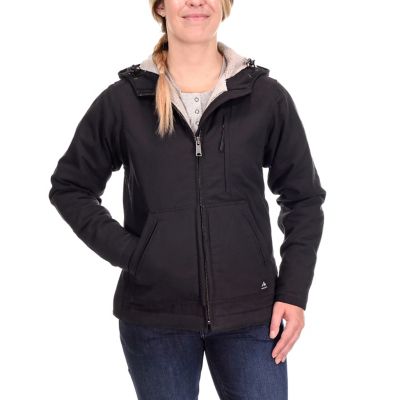
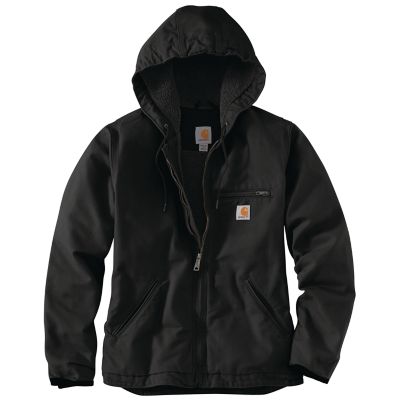
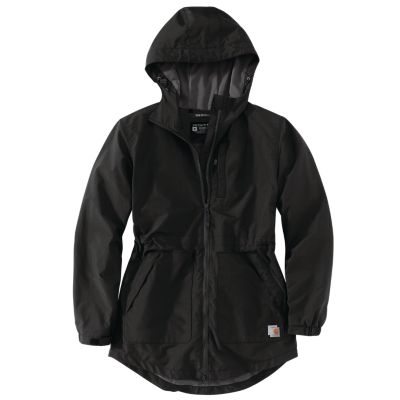
Women’s insulated rain jackets pair a rain-shedding outer shell with a layer of insulation to help keep you dry and warm in cold, wet weather. They’re made for the kind of day when feeding livestock, walking the fence line or getting from the truck to the feed room means spending time out in a steady drizzle. The right balance of rain protection and warmth depends on how long you’ll be outside and how much moving around the job takes. Carrying hay and cleaning stalls generate more body heat than standing at a gate or watching a horse work in the ring, so heavier insulation isn’t always the better match. Synthetic fill traps warm air in lightweight fibers and generally retains more insulating ability when damp than untreated down, though it still needs drying after getting wet. Fleece linings offer a soft feel and can add warmth without the loft of thicker filled layers. Some designs place different amounts or types of insulation through the body and sleeves, which can affect warmth and freedom of movement. The shell matters just as much as the lining: water-resistant fabric can handle brief exposure to light rain, while a waterproof construction is intended to provide stronger protection against water penetration. For longer stretches outdoors, waterproof fabric, fully sealed seams and protected closures work together to keep rain from finding a way inside. A water-repellent finish helps droplets bead on the surface, but that finish alone doesn’t make a jacket waterproof. Breathable membranes allow some moisture vapor to escape, helping manage the damp feeling that can build up while you’re working. No jacket can prevent all perspiration, especially during hard chores, so ventilation and sensible layering still matter. Women’s insulated rainwear brings these features together in varying combinations, from lighter options for active work to more substantial layers for slower tasks in a cold rain.
Fit makes a real difference when a rain jacket has to do more than cover a shirt. Enough space for a flannel or fleece underneath gives you room to adjust warmth, but an overly loose fit can let drafts enter at the hem and cuffs. Shoulder room, sleeve shape and the cut through the hips all affect how comfortably you can lift a bucket, reach a latch or bend to fill a water bowl. A useful fit check is to reach both arms forward and overhead with your usual work layers on; the sleeves should still cover your wrists without pulling tightly across your back. Articulated elbows, underarm panels and fabrics with some stretch can make repeated reaching easier where those features are included. Hip-length jackets tend to leave the legs freer for climbing steps or getting in and out of equipment, while longer rain coats provide more coverage across the seat and upper thighs. A two-way front zipper can open from the bottom for sitting or taking a longer stride, although any opening reduces protection in that area. Adjustable cuffs help close the gap around gloves, and a hem adjustment can limit cold air coming up underneath. A hood should stay in place without blocking side vision, especially near gates, animals or moving equipment. Hood adjustments and a shaped brim can help keep rain off your face, but the fit needs to work with any hat you plan to wear. Pocket placement deserves attention, too. Higher openings may be easier to reach while seated, and closures help keep small belongings from slipping out as you bend. A flap or zipper does not necessarily make a pocket waterproof, so phones and paperwork may need a separate protective pouch. For a broader look at warmth-focused outerwear,
women’s warm rain jackets offer a related starting point, with the lining, insulation and weather protection worth checking on each garment.
Materials and care influence how well an insulated rain jacket holds up to everyday chores. Nylon and polyester shells are common, and their performance depends on the weave, fabric weight, coatings and overall construction rather than fiber name alone. A smoother surface may shed loose hay and dirt more readily than a textured one, while reinforced areas can help with repeated rubbing at elbows or other high-contact spots. Even a tough shell can snag on barbed wire or rough hardware, so rainwear shouldn’t be treated as protection against sharp edges. For barn work and dog walks, practical details such as washable materials, sturdy zipper pulls and cuffs that adjust easily with cold fingers can matter more than extra trim. Rain protection also needs upkeep. Dirt, body oils and detergent residue can affect a shell’s ability to shed water or move moisture vapor, and insulation can lose loft if it stays compressed or damp. Follow the garment’s care label for washing temperature, detergent and drying method, since waterproof layers and linings don’t all tolerate the same treatment. Fabric softener is often discouraged for technical rainwear because it can interfere with performance. Some water-repellent finishes respond to low dryer heat, while others require a compatible renewal treatment; use only the method the manufacturer recommends. If water starts soaking into the outer fabric instead of beading, the surface finish may need attention even when the waterproof barrier underneath is still intact. Let the jacket dry fully before hanging it in a closet, and avoid leaving it crumpled in a truck cab between outings. These jackets suit women tending animals, handling outdoor chores, taking a wet-weather walk or making everyday trips where a cold rain is part of the day. They can also make a thoughtful gift for someone who spends plenty of time outside, particularly when her measurements, preferred length and usual layers are known. A comfortable cut, suitable insulation and rain protection matched to the task make the jacket easier to reach for whenever there’s work waiting beyond the porch.