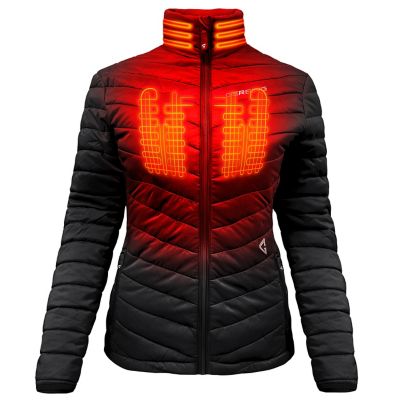
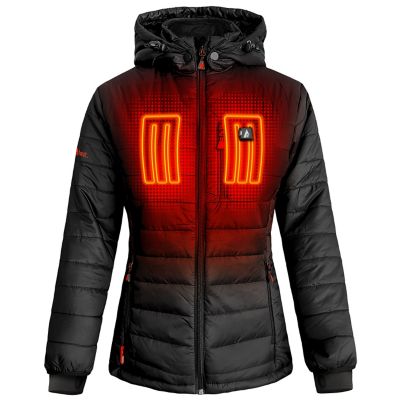
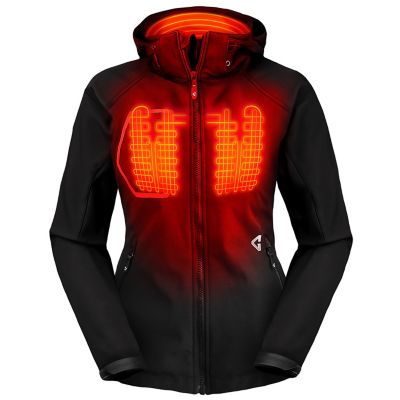
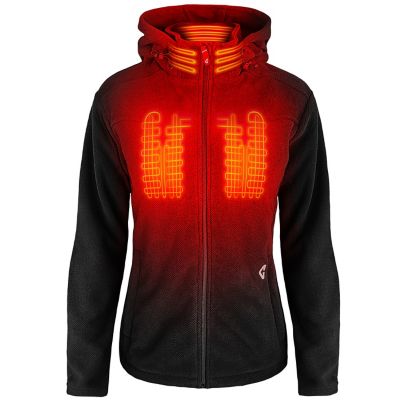
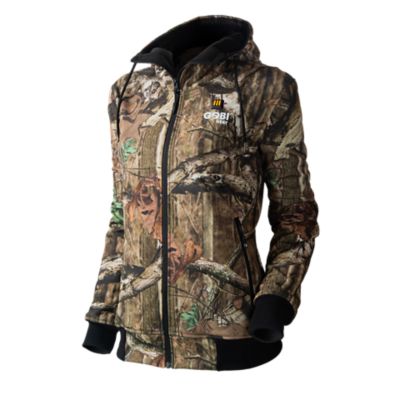
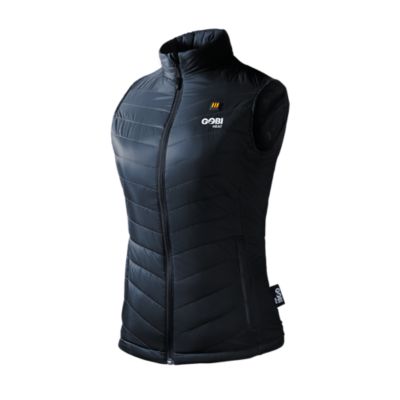
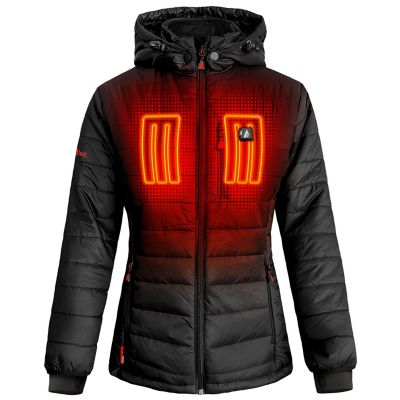
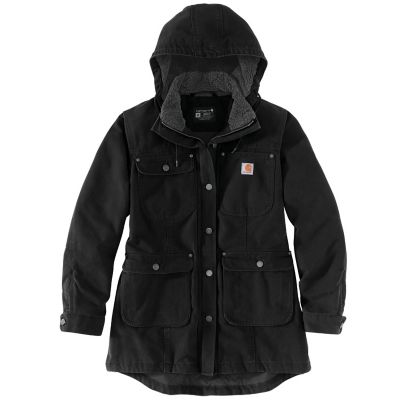
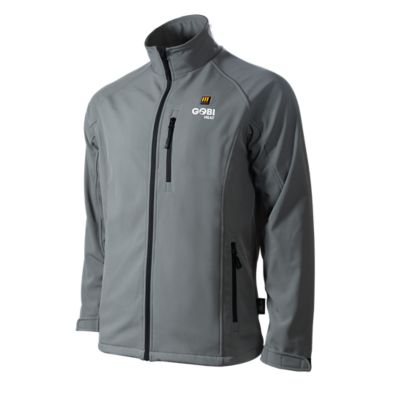
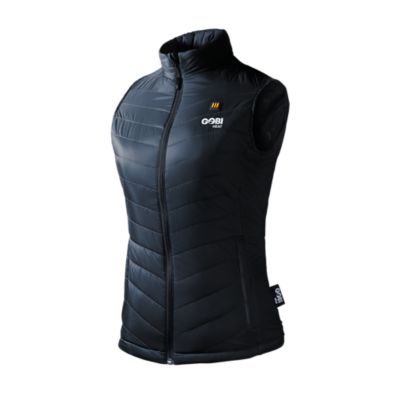
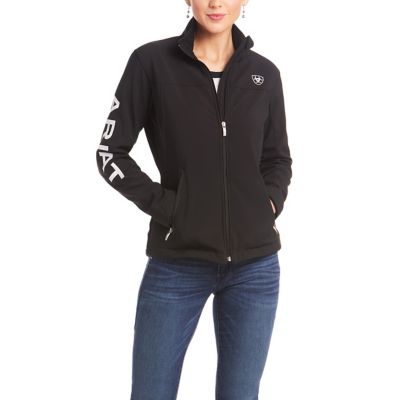
Women’s heated winter coats combine insulation with battery-powered heating elements to add adjustable warmth around the body. Many designs run on rechargeable lithium-ion batteries and have thin heating panels, often made with carbon fiber, positioned across areas such as the back and chest. Some also provide warmth near the pockets or collar, though heating zones vary by design. Built-in controls let the wearer change the heat level as activity and conditions change, whether the day involves carrying feed to the barn, checking fence lines, or watching a game from cold metal bleachers. That extra warmth can be especially welcome during jobs with long stretches of standing still, when walking around is not enough to take the chill off. The heating system works alongside the coat’s insulation rather than replacing it: insulation helps hold warmth close, while the powered elements supply additional heat in designated areas. A heated coat does not necessarily warm every part of the garment, and gloves, a hat, and suitable footwear still matter on a cold day. Battery runtime depends on several things, including battery capacity, the selected heat setting, outside temperature, and the coat’s construction. Higher settings generally draw more power, so an advertised maximum runtime should not be read as a promise of all-day operation at the highest level. For an early round of chores followed by a drive into town, easy-to-reach controls can make it simpler to turn the heat down or off without taking off the coat. For longer periods outdoors, the balance between warmth, battery weight, and expected runtime becomes more important. Heating elements also need time to warm up, and the sensation can differ depending on the layers underneath. A steady, comfortable level of warmth is more useful than chasing the highest temperature, especially when the work changes from standing at a gate to hauling bedding or stacking supplies.
When comparing
Battery Heated Coats, the outer shell, insulation, and fit deserve as much attention as the heating system. Polyester and nylon shells are common choices, with different weaves and finishes affecting how the fabric handles wind, light moisture, and everyday rubbing against gates or truck seats. A water-resistant finish can help shed light precipitation, but it is not the same as waterproof construction with protected seams. For exposure to wet snow or steady rain, the garment’s stated weather protection matters more than how substantial the fabric feels. Insulation type and coverage also affect comfort when the battery is off, while a smooth lining can make the coat easier to pull over a fleece or work shirt. Fit should leave room for those layers without making the shoulders pull when reaching for a latch or lifting a feed scoop. Too much extra room can make the coat feel drafty and may hold heating zones farther from the body; too little can restrict movement or compress the layers underneath. Women’s sizing and shaping vary, so bust, waist, hip, and sleeve measurements are more helpful than a size label alone. A longer hem adds coverage across the seat and upper legs, which can feel welcome while walking a property or sitting outdoors. A shorter cut may be easier for frequent climbing into a pickup or moving between chores. Adjustable cuffs, a well-fitting hood, and a collar that closes comfortably help limit drafts without relying on higher heat settings. Pocket placement matters, too: hands should slip in easily, and the battery pocket should keep the power pack secure without pressing awkwardly against a hip or the waist while seated. Smooth zippers, reinforced pocket openings, and stitching at high-stress areas are worth attention for a coat that will spend plenty of time around chores. The best match depends on how the coat will be worn, not just how warm it feels while standing still.
Care and battery handling play a big part in keeping a heated winter coat ready for the next outing. Washing directions vary because the shell, insulation, wiring, and connectors all have their own requirements. Some coats allow machine washing after the battery is removed and any connector covers are secured; others call for a different cleaning method. The garment label should settle that question, along with the right water temperature, wash cycle, and drying method. A rechargeable battery should never go into the wash, and the coat and electrical connections need to be completely dry before power is reconnected. High dryer heat, ironing, harsh cleaning chemicals, or tight wringing may harm components, so those methods should not be assumed safe. Between washes, cleaning a small muddy spot according to the care directions can save a full wash when the rest of the coat is still clean. The battery and charger should match the manufacturer’s requirements, even if another connector appears to fit. Charging belongs in a dry location within the temperature range listed for the battery; a power pack brought in from freezing conditions may need time to reach that range before charging. A cracked case, swelling, damaged cord, or unusual overheating means the equipment needs attention rather than another charging cycle. For longer storage, the battery’s instructions govern charge level and storage conditions, while the coat benefits from a clean, dry spot without sharp folds across heating panels. These practical details also matter when a heated coat is a gift. Someone who feeds livestock before daylight, spends hours at outdoor events, or enjoys quiet winter walks may appreciate adjustable warmth, but sizing, battery weight, and straightforward controls help determine whether the coat becomes a regular companion. With the right fit and care, a heated coat can bring welcome comfort to the stretch between opening the barn door and finally heading inside.