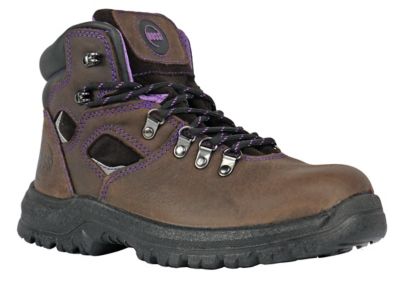
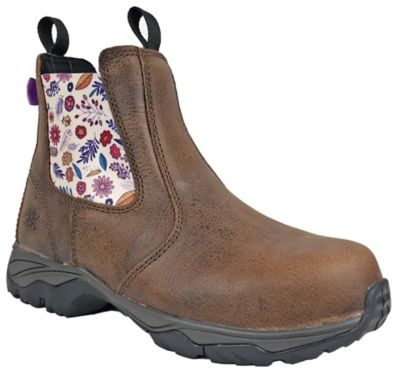
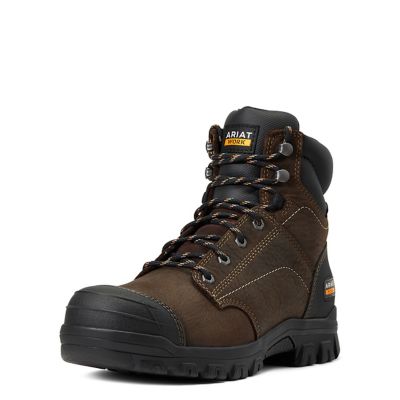
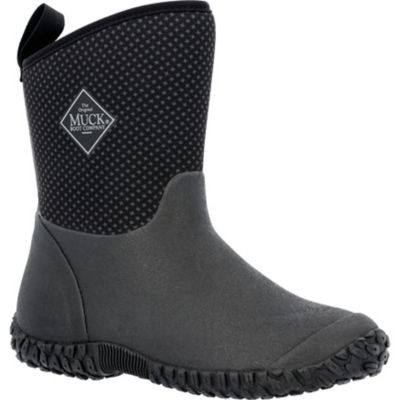
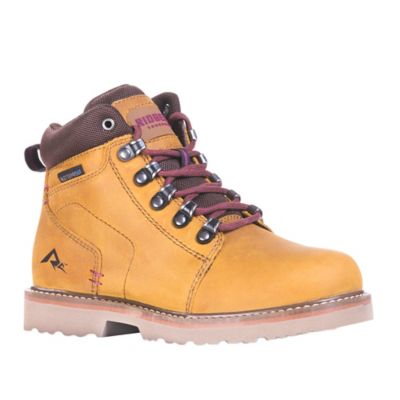
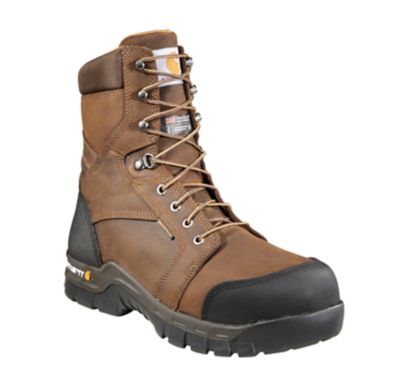
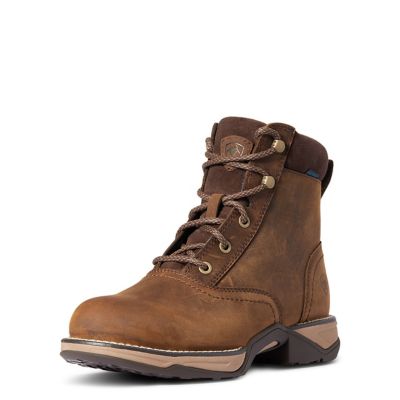
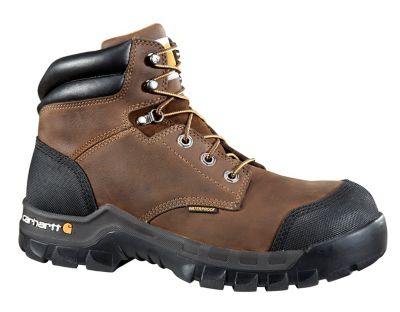
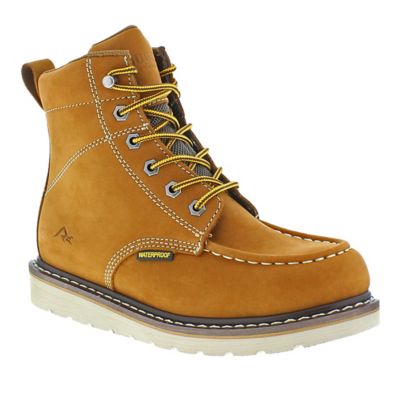
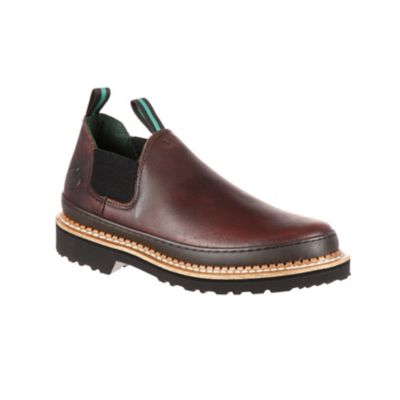
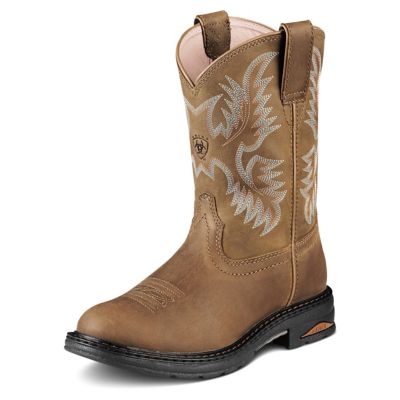
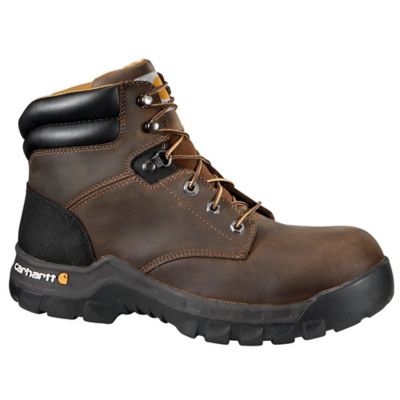
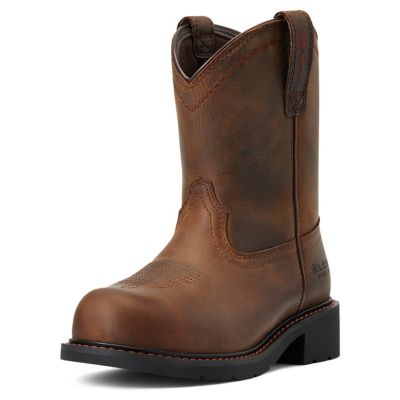
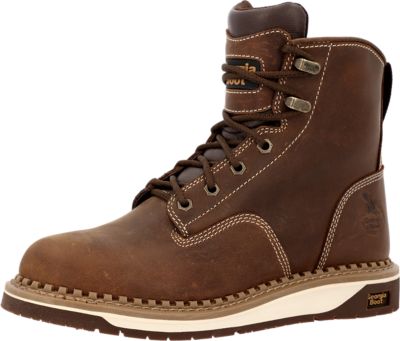
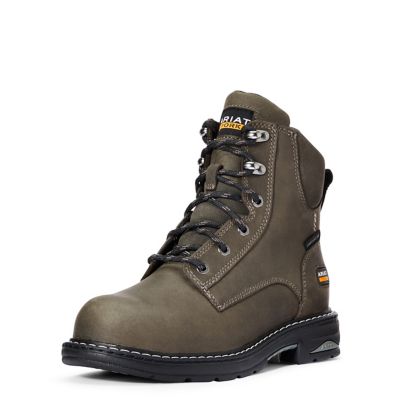
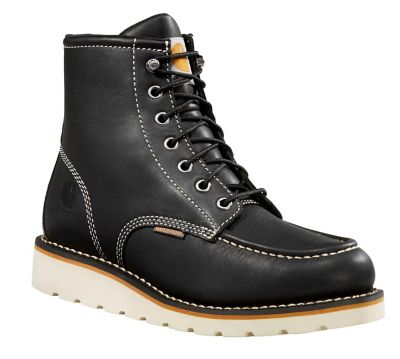
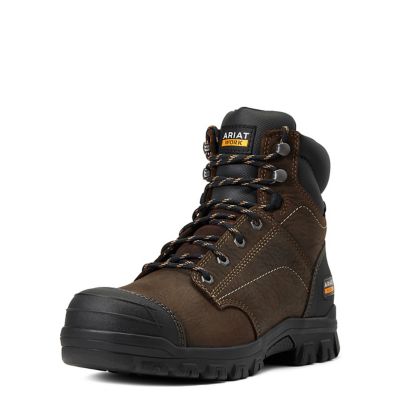
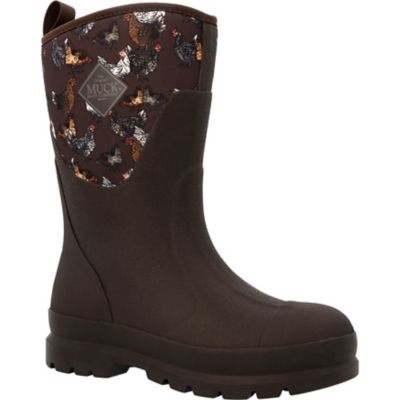
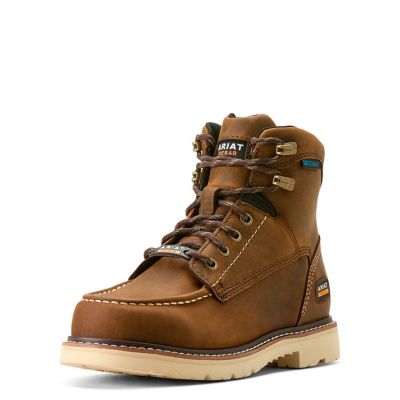
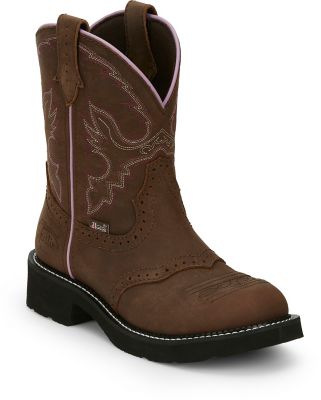
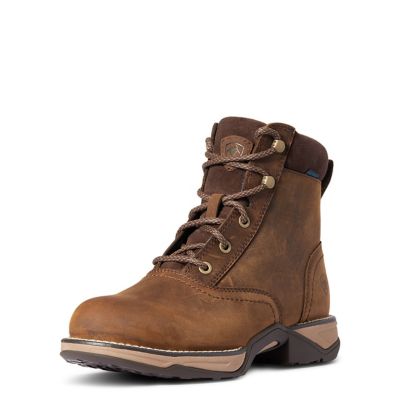
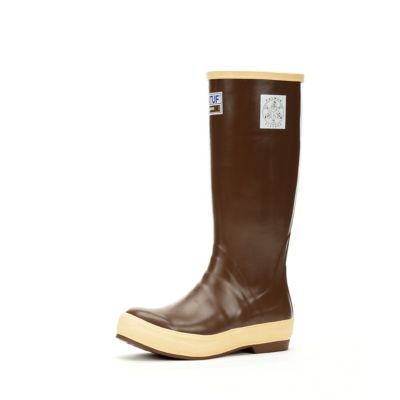
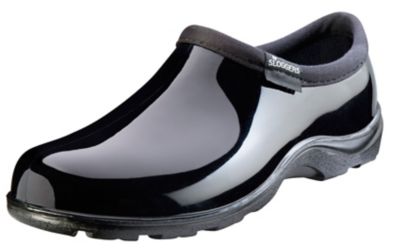
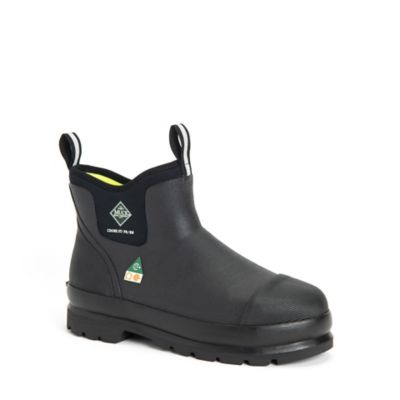
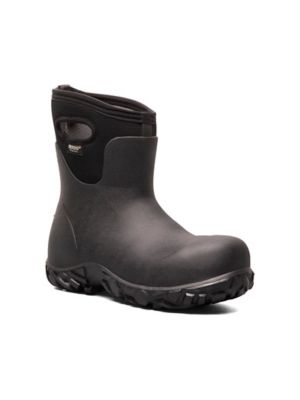
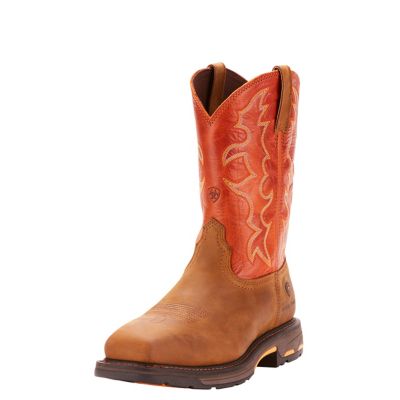
Women's safety toe work boots combine toe protection with the support and grip needed for long hours around the farm, shop, warehouse, or jobsite. They make sense for work that puts feet near dropped tools, shifting materials, heavy equipment, and other hazards that call for protective footwear. The safety toe sits inside the front of the boot, helping protect the toes against specified impact and compression forces without covering the entire foot. Steel toes are a common choice, while alloy and composite toes provide other options with different weights and shapes. Composite toe caps contain nonmetal materials, but a composite toe alone does not mean the whole boot is metal-free or rated for electrical hazards. The boot's markings and workplace requirements matter more than the toe material by itself. ASTM F2413 markings identify protective footwear requirements and the protection categories a boot meets, including applicable impact and compression requirements. Additional designations may address electrical hazards, puncture resistance, or other needs. Electrical hazard footwear provides secondary protection under specified conditions; it does not replace safe electrical work practices. Likewise, a safety toe does not automatically provide puncture resistance underfoot or metatarsal protection over the top of the foot. Those are separate features worth matching to the task. For someone moving pallets of feed, handling fence hardware, or working around a repair bay, the right combination depends on the hazards involved and any employer rules. Leather uppers are common because they stand up to abrasion and can be cleaned and conditioned, while textile panels may add flexibility or help moisture move away from the foot. Waterproof construction can help keep wash water and other outside moisture from reaching the inside, though water resistance and waterproofing are not the same claim. A boot's stated features help separate everyday work footwear from footwear suited to a particular job, whether that means handling building materials, tending livestock facilities, or spending a shift on a concrete floor.
Fit has a big say in how women's safety toe boots feel by the end of a full day's work. Women's footwear often has different heel and overall fit proportions from men's footwear, but the shape still varies between styles. Enough space across the forefoot lets toes move without pressing against the protective cap, while a secure heel helps limit rubbing and sliding. Toes should not strike the front when walking down a ramp, crouching beside equipment, or stepping off a platform. A protective cap will not stretch like the surrounding leather, so pressure against it is not something to count on breaking in. Work socks and any prescribed orthotics also affect fit, making the intended combination important when checking length, width, and depth. Feet can swell over a shift, and a pair that feels snug at the start may feel cramped after hours on concrete. Cushioning, arch support, and a stable base can make those hours more manageable, although a soft footbed alone does not guarantee the right support. Removable insoles allow replacement when cushioning wears down, provided the replacement leaves enough room inside the boot. Lace-up work boots offer adjustment across the instep and around the ankle, which can help keep the foot settled when moving between walking, climbing, and kneeling. Pull-on styles offer a different feel, with fit depending more on the heel, instep, and shaft shape. Outsole design matters just as much as the upper. Deeper lugs can bite into loose ground, while some lower-profile tread patterns are better suited to smooth work surfaces and easier cleanup. Slip-resistant footwear can help with traction, but no sole prevents every slip, especially around grease, spilled feed, or wet concrete. Oil resistance describes how a material holds up to oil exposure and is not the same as slip resistance. Secure footing also depends on keeping tread clear and replacing boots when the outsole becomes worn smooth.
Construction and routine care influence how well a pair holds up to repeated chores and full shifts. Reinforced stitching, protected toe areas, and well-bonded soles can help address the scuffs and flexing that come with kneeling at a gate latch, moving around machinery, or working at a bench. Stitched and cemented constructions have different characteristics, and not every boot can be resoled. For work that involves frequent crouching, flexibility through the forefoot matters; for carrying loads over uneven ground, a stable platform and secure fit deserve attention. Leather care starts with removing grit and manure before they remain against the upper, seams, and sole edges. A soft brush or damp cloth handles much of the everyday cleanup, followed by products appropriate for the leather and any waterproof membrane. Saturating a boot with conditioner can affect some materials, so the maker's care directions are worth following. Boots should dry naturally in a ventilated spot rather than against a heater or under intense direct heat, which can damage leather, adhesives, and liners. Removable footbeds can be taken out to help the interior dry, and clean socks help manage moisture during the workday. Regular checks around the toe, sole, and stitching can reveal separation, deep cuts, or other damage before the next shift. A hard impact or crushing event calls for inspection and replacement according to the manufacturer's directions, even when the outside still looks serviceable. Women's protective work boots can also be a practical gift for someone starting an apprenticeship, joining a warehouse crew, or taking on more hands-on work, as long as the fit and required safety features are known. Households outfitting more than one worker can also browse
Men's Safety Toe Work Boots, keeping each person's measurements and job requirements in mind. The best match is footwear that fits the worker, suits the task, and carries the protection markings the job calls for.