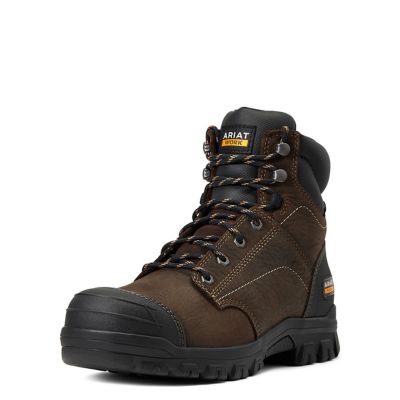
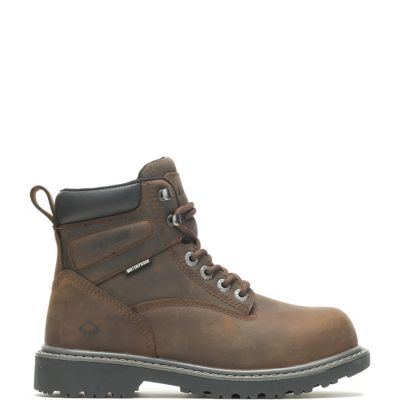
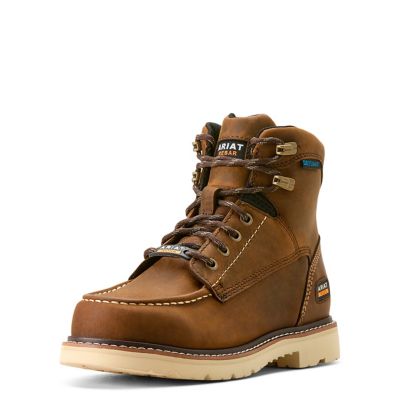
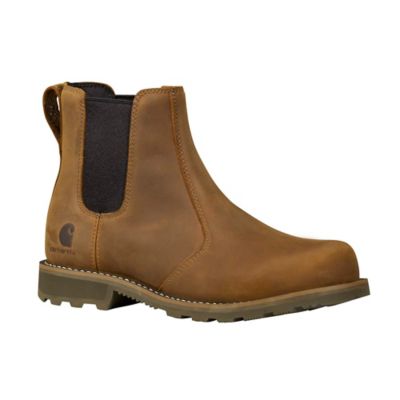
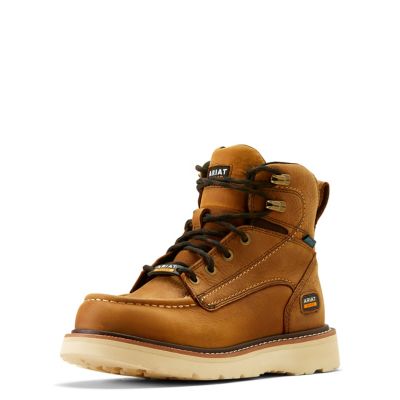
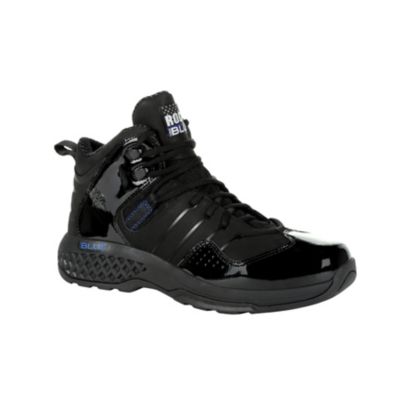
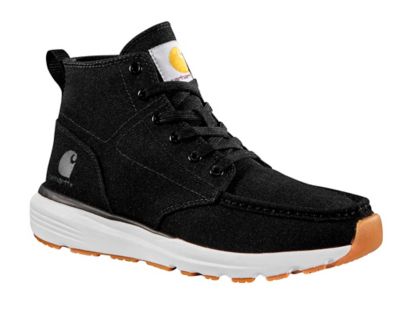
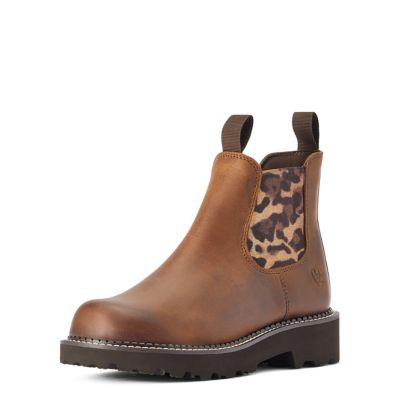
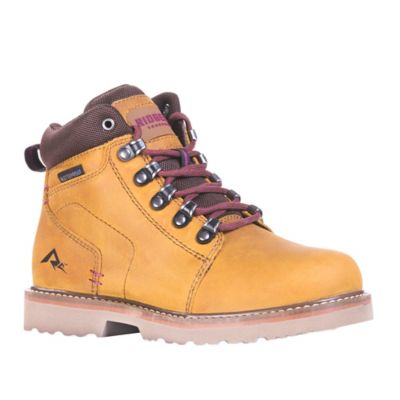
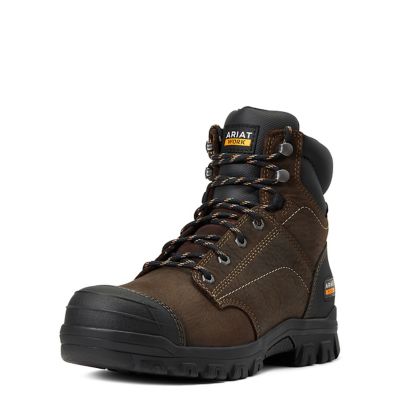
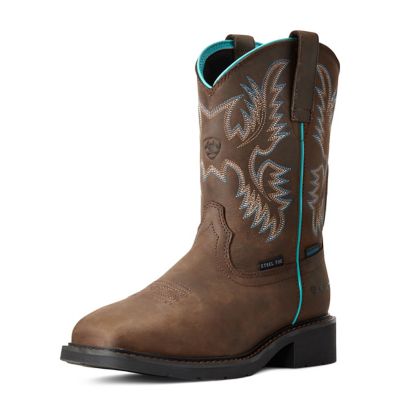
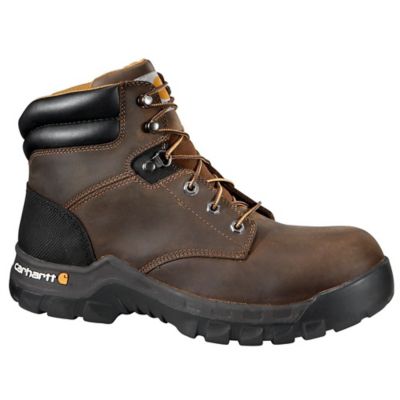
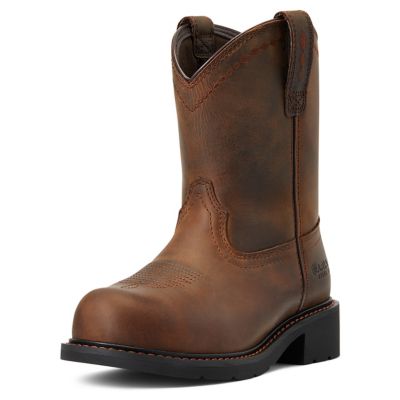
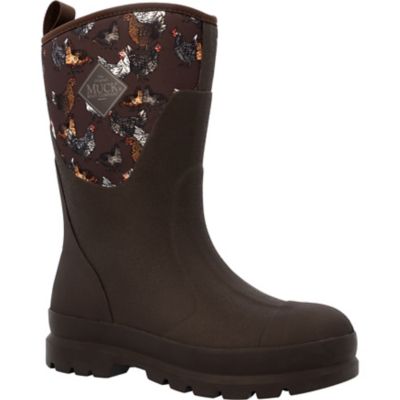
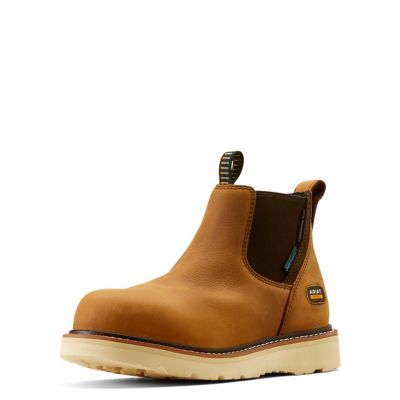
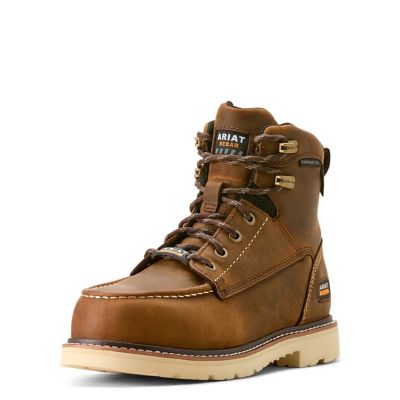
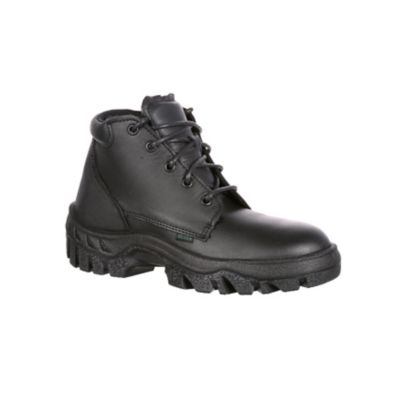
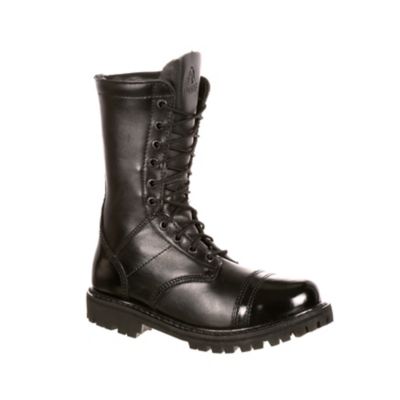
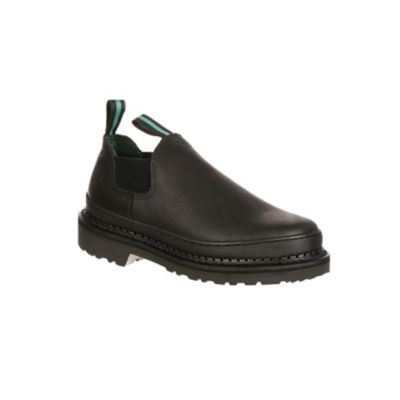
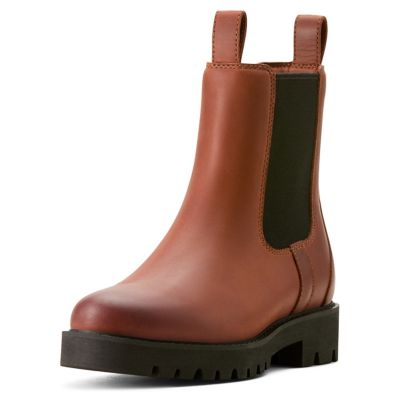
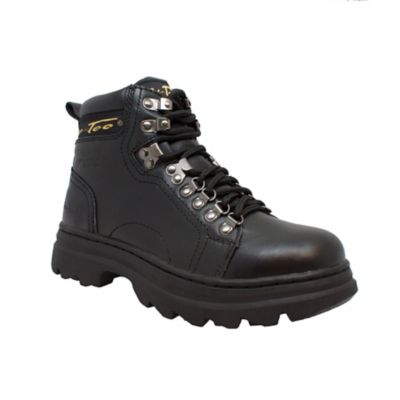
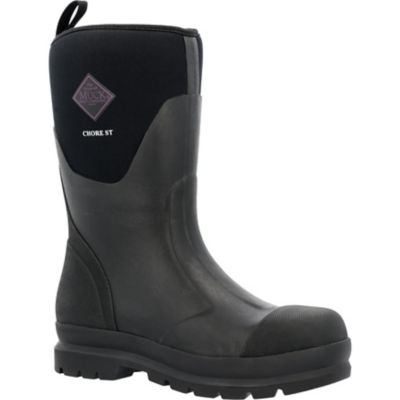
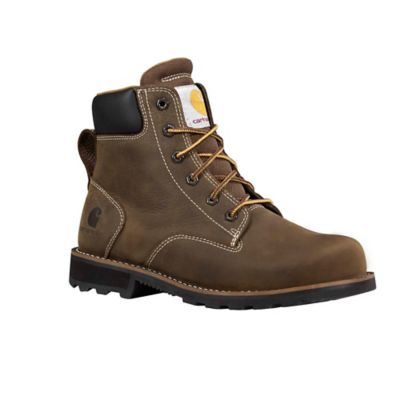
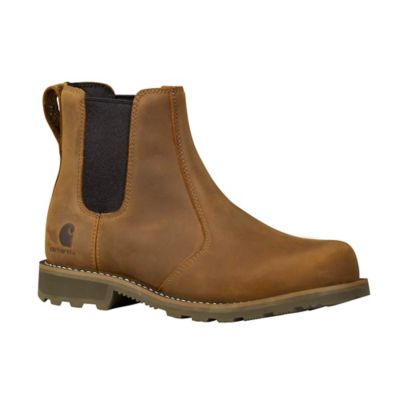
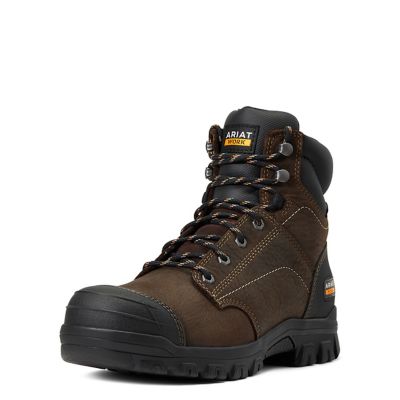
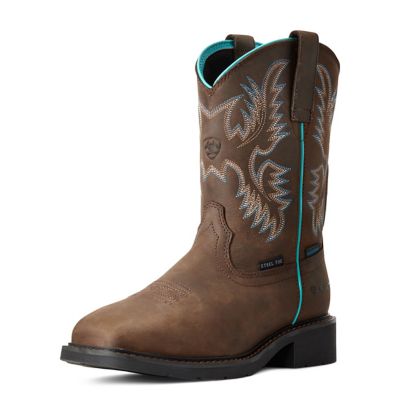
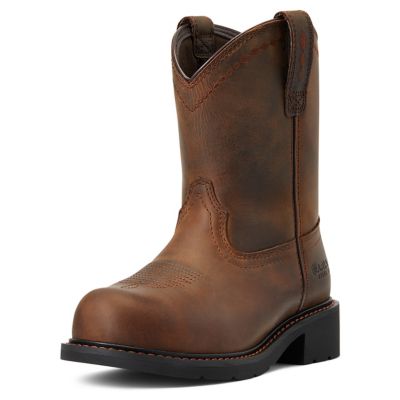
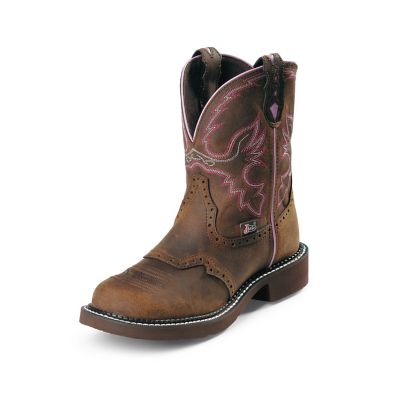
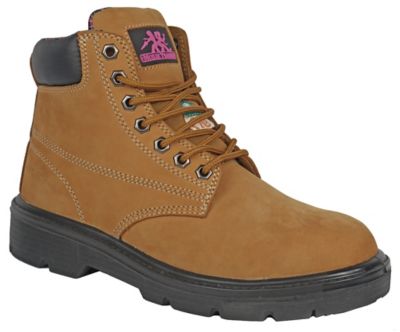
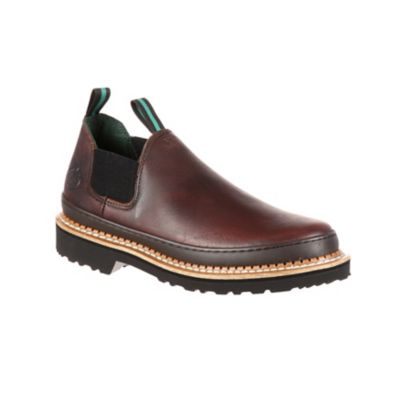
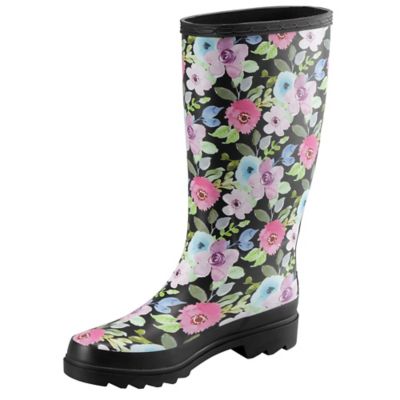
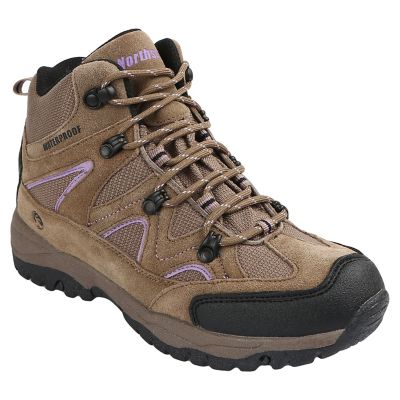
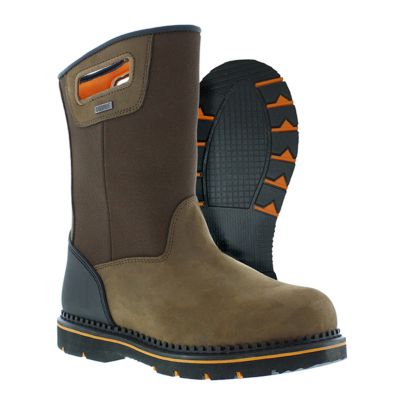
Women’s lightweight work boots are made for long days when dependable protection matters but heavy footwear slows you down. They’re a practical choice for women working around the farm, ranch, shop, warehouse, construction site, garden center, or jobsite, as well as anyone who spends a good part of the day walking, lifting, climbing, or standing on hard ground. A lighter boot can help reduce that tired, dragging feeling that sets in after hours on concrete, gravel, packed dirt, or barn floors. Many styles are shaped on a women’s foot profile instead of simply shrinking a men’s boot, which may mean a more comfortable fit through the heel, instep, and forefoot. Look for a secure heel that does not slip, enough room for your toes to spread naturally, and a fit that holds your foot in place without pinching. Try boots on with the socks you expect to wear for work, and leave a little space in front of your toes so your feet are not crowded when walking downhill or standing for long stretches. A comfortable pair should feel supportive from the first try-on, with room to flex at the ball of the foot while still keeping your ankle steady. During warmer weather, breathable linings and moisture-managing materials can help keep feet more comfortable, while during cooler months, room for a thicker sock and a water-resistant or waterproof design may be especially useful. If you work outside before sunrise, wash equipment, tend animals, or cross wet grass and muddy ground, check the boot’s waterproof construction carefully. A waterproof membrane can help keep moisture out, but the tongue, seams, and opening around the ankle also play a part in keeping feet dry. For more traditional looks and a naturally durable upper, compare these options with
Women's Leather Work Boots, keeping in mind that leather may need regular cleaning and conditioning to stay flexible and ready for hard use.
Safety toe selection is one of the biggest decisions when shopping for women’s lightweight work boots. Steel toes remain a familiar choice for demanding work, but they can add noticeable weight and may conduct heat or cold. Composite toes, including carbon-fiber and other nonmetallic designs, offer protection with less heft and do not transfer temperatures the same way metal can. Aluminum and nano-style safety toes are also designed to reduce bulk while helping meet applicable workplace protection standards. The right toe depends on your job requirements, so check your employer’s rules and the boot’s ASTM rating before buying; a lightweight toe is only useful when it provides the level of protection your work calls for. Pay attention to the shape inside the toe box, too. Your toes should not touch the protective cap, and the boot should not press across the top of your foot when you bend or climb. Underfoot cushioning makes an equally big difference. EVA, responsive foam, and other athletic-style midsoles can absorb some of the pounding that comes from concrete floors, ladders, loading areas, and repeated trips across a pasture. A flexible midsole may feel closer to a sturdy work sneaker than a stiff traditional boot, which can make it easier to move through a full shift. Outsole construction matters when the ground changes throughout the day. Rubber soles with dependable tread can help provide traction on dirt, gravel, grass, and shop floors, while wedge-style soles offer a broad, stable contact area and often flex more easily than rigid lugged designs. Look for tread suited to your surroundings, whether you need grip in mud, traction on wet surfaces, or a flatter sole that will not leave heavy marks indoors. Slip resistance, oil resistance, electrical hazard protection, and puncture resistance are separate features, so review the specifications rather than assuming every work boot includes all of them.
Lightweight work boots can fit into all kinds of routines. They may be worn by a livestock owner moving between the barn and the feed room, a landscaper hauling tools across uneven ground, a mechanic spending hours on a concrete floor, or a contractor who needs toe protection without the weight of a traditional safety boot. They’re also handy for weekend projects, fence repairs, stacking firewood, maintaining equipment, and cleaning up after a storm. For people who spend their free time outdoors, a comfortable pair can make a thoughtful gift, especially for someone starting a new job, moving to a rural property, or replacing worn-out footwear before the cooler months bring wet grass, slick leaves, and muddy paths. Consider the recipient’s work environment before choosing a style: a person around machinery may need a certified safety toe, while someone doing light property maintenance may place greater value on flexibility, breathability, or waterproof coverage. Also think about socks, insoles, and daily care. Merino or moisture-wicking work socks can help manage sweat, and removable cushioned insoles can improve comfort when the original footbed does not suit your arch or stride. Let wet boots dry naturally away from direct heat, brush off dirt after muddy jobs, and follow the manufacturer’s care directions for leather, fabric, or coated materials. Check the soles and stitching from time to time, especially if the tread is wearing unevenly or the upper is separating. The best women’s lightweight work boots balance protection, fit, cushioning, traction, and durability in a way that matches the work at hand. When those details line up, you can move from the first chore of the morning to the last job before dark with steady footing and less weight on your feet.