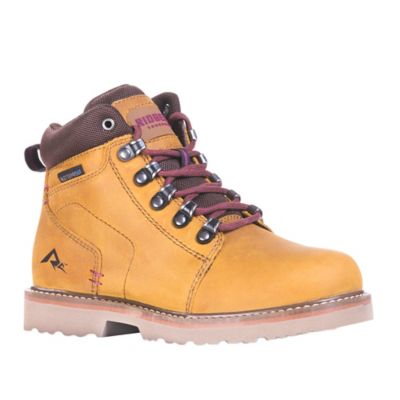
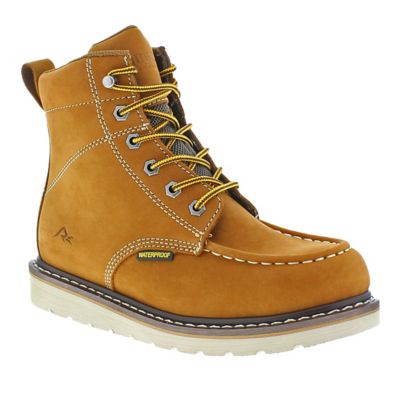
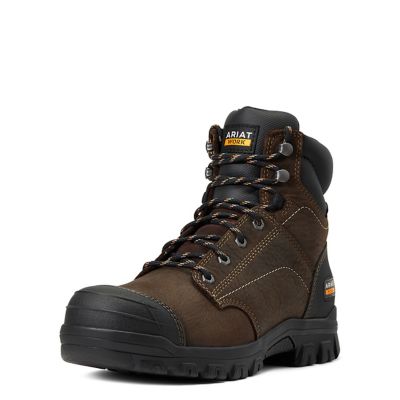
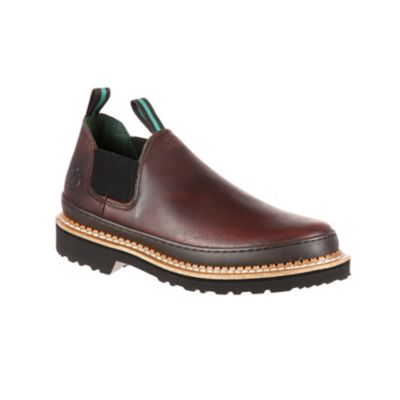
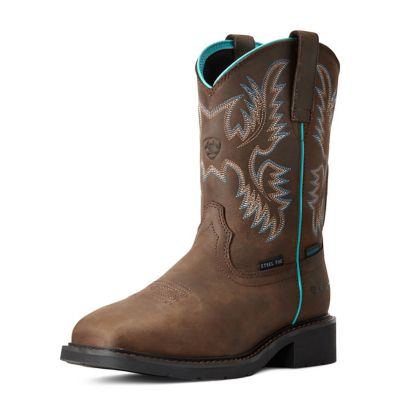
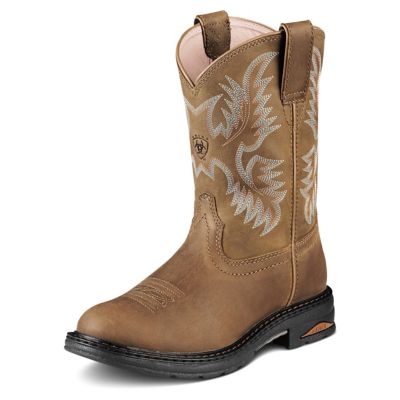
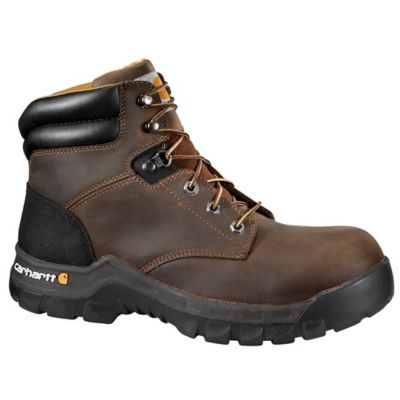
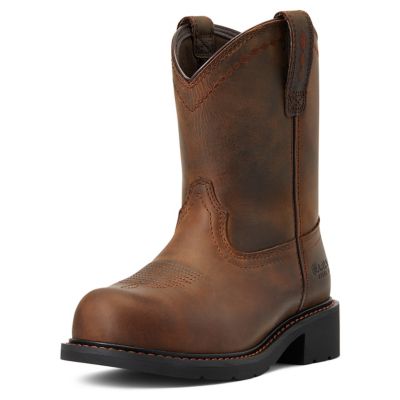
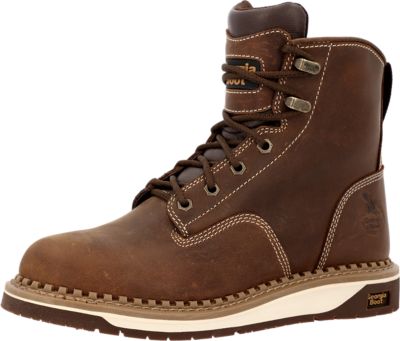
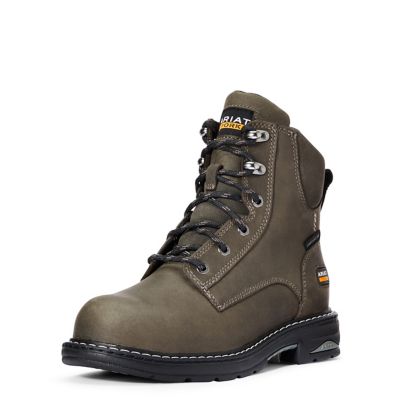
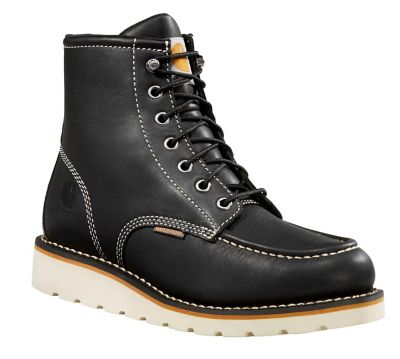
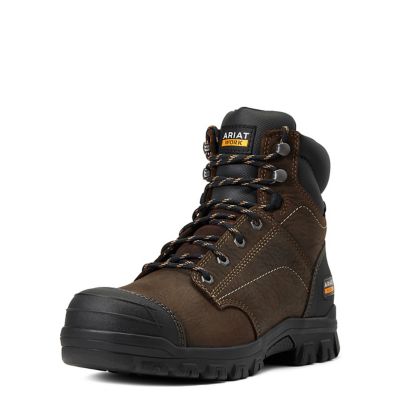
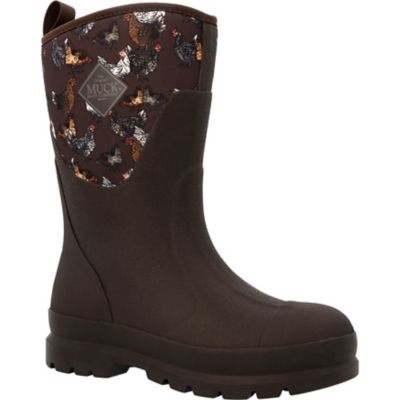
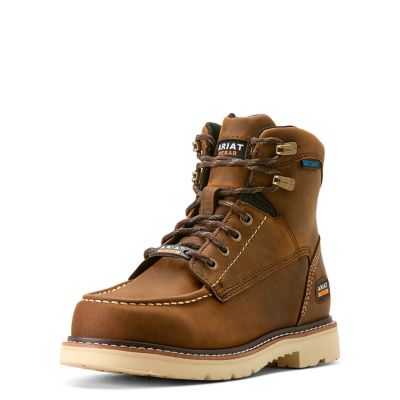
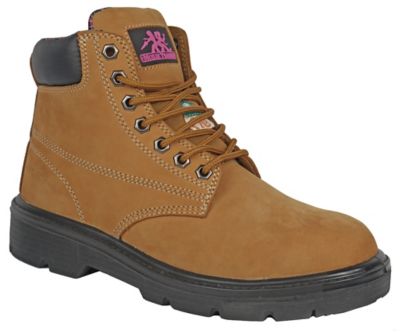
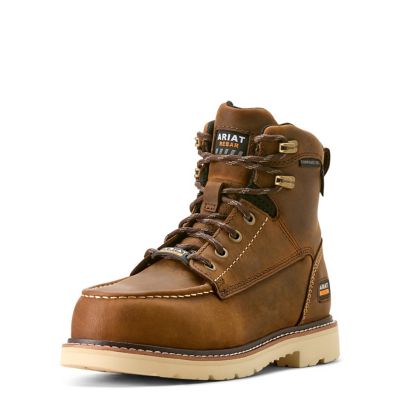
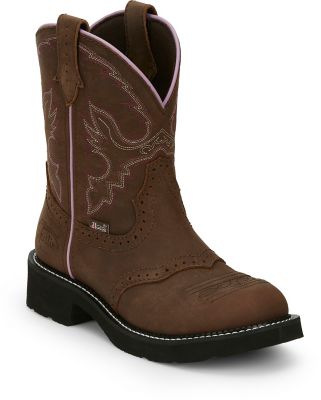
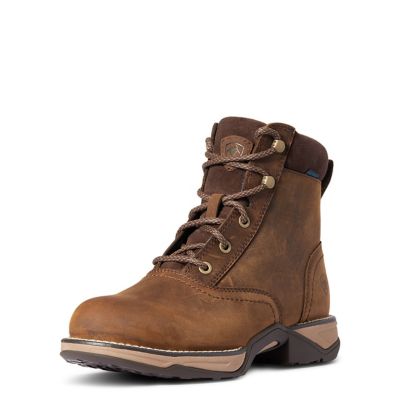
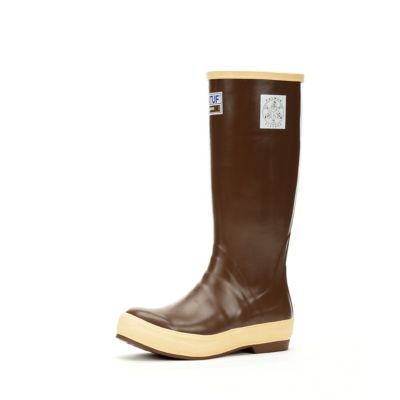
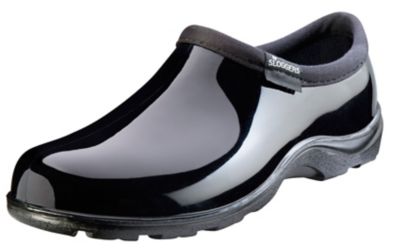
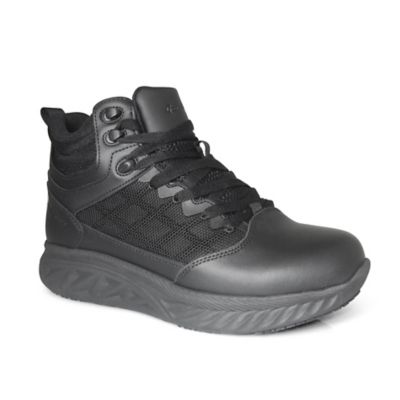
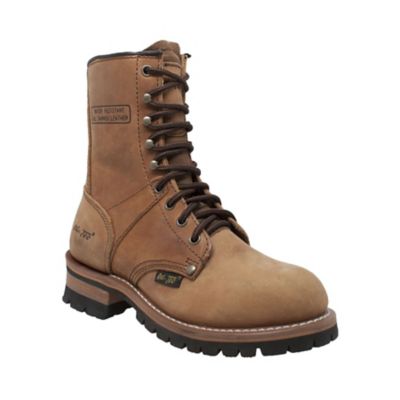
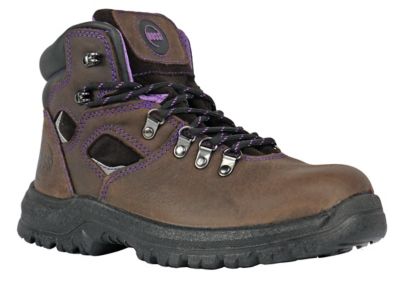
Women’s work boots have a place wherever the day calls for more than a casual shoe, from feeding livestock before heading to the shop to spending a full shift on a warehouse floor. The right pair brings together support, traction, and a shape that suits the work, without making every step feel like a chore. A woman moving between gravel lanes, concrete aisles, and a feed room may need something different from someone kneeling beside equipment or working at a construction site. Lace-up boots allow adjustment across the instep and around the ankle, while pull-on styles keep the routine simple when there are stalls to check and chores waiting. Shaft height matters, too: a taller boot provides more coverage around the lower leg, while a shorter style can feel less restrictive when bending and crouching. Leather is a familiar choice for its abrasion resistance and its ability to soften with wear. Full-grain leather retains the hide’s natural surface, while other leather finishes may have a smoother, more uniform appearance. Panels made from synthetic materials or mesh can change a boot’s weight and airflow, though exposed fabric may call for extra attention around rough edges and snagging hazards. Underfoot, the tread should make sense for the ground. Deeper lugs can find purchase on loose soil, but they also carry mud into the tack room or truck cab. Shallower tread can be easier to clean, and sole designs intended for slick indoor surfaces serve a different purpose than aggressive outdoor patterns. Waterproof construction can help when chores involve puddles or splashes, but moisture can still enter over the boot opening. A waterproof membrane also does not replace checking whether the boot’s materials suit a particular washdown task. From the upper to the outsole, these details help explain why work boots that look similar on the shelf can feel quite different through a long day.
Fit is where those construction details meet the person wearing them. Women’s work boots can differ in heel shape, forefoot width, arch contour, and overall volume, so a familiar shoe size is only a starting point. Work socks belong in the fitting picture because their thickness affects how closely a boot holds the foot. Toes need room to spread without pressing against the front, and the widest part of the foot should sit comfortably at the widest part of the boot. A secure heel helps limit rubbing, although some pull-on designs allow a little heel movement at first; excessive slipping or toes gripping to hold the boot in place point to a fit worth reconsidering. Walking, crouching, and bending give a better sense of the fit than standing still. Pressure from a safety toe is especially important to notice, since a protective toe cap will not stretch to make more room. Footbeds, midsoles, and shanks each contribute something different: the footbed cushions the foot, the midsole helps absorb impact, and a shank adds structure through the arch area. Removable footbeds may make room for compatible inserts, provided the change does not crowd the foot or interfere with the intended fit. For someone standing at a workbench, cushioning and stable support may matter more than a deeply lugged sole. For someone hauling supplies across uneven ground, secure footing and a well-held heel deserve close attention. Job requirements come first when protective features are involved. Steel and composite safety toes offer different combinations of weight and construction, but their protection depends on the marked rating rather than the material name alone. Soft-toe boots do not provide the same impact protection. Electrical hazard ratings, puncture resistance, and slip-resistance claims also address different workplace concerns. Matching the boot’s stated features to an employer’s requirements is part of choosing footwear for the job; no single feature makes a boot suitable for every hazard.
Good care helps work boots keep their shape and stay serviceable through repeated trips between the barn, shop, and jobsite. Dirt left along seams and flex points can grind against the upper, so brushing away loose grit before it builds up is a small habit that pays off. Packed tread deserves attention as well, especially after crossing a muddy lot or stepping through bedding. A soft brush and a damp cloth handle many routine cleanups, while leather, suede, and synthetic uppers may need different cleaners. Manufacturer care directions matter because a treatment intended for smooth leather can change the appearance or performance of another material. Leather conditioner can help keep suitable leather supple, but more is not always better, and it belongs only on surfaces approved for that treatment. Boots that get wet inside need time to dry thoroughly with the footbeds removed when the design allows. Direct heat from a stove, radiator, or dryer can damage leather, adhesives, and other components. Giving footwear a break between wearings also allows trapped moisture to escape. Regular checks can catch frayed laces, lifting sole edges, worn-down tread, or a lining that has started rubbing before those small problems interrupt a workday. A deep cut, exposed protective toe, or damage after a significant impact calls for more than a quick patch, particularly when workplace protection is required. Appearance still has a place in work footwear, even when function leads the decision. Brown leather pairs easily with denim and canvas work pants, and
women’s brown work boots suit a straightforward workwear look without much fuss. As a gift for a ranch hand, tradeswoman, or someone starting a hands-on job, boots are most useful when the recipient’s size, preferred fit, and required safety features are already known. Those practical details matter far more than guessing from appearance alone.