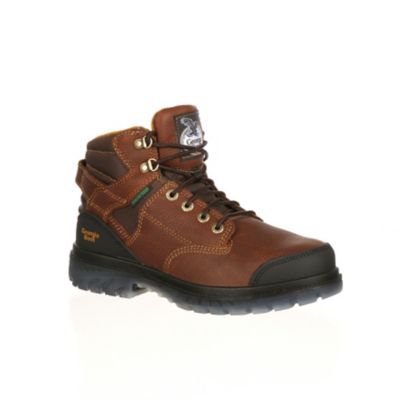
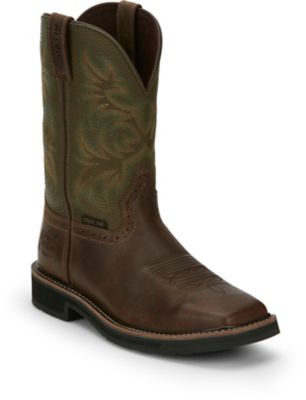
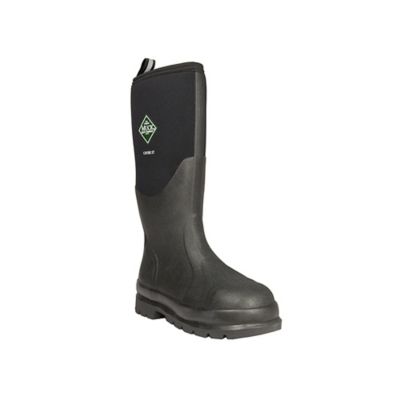
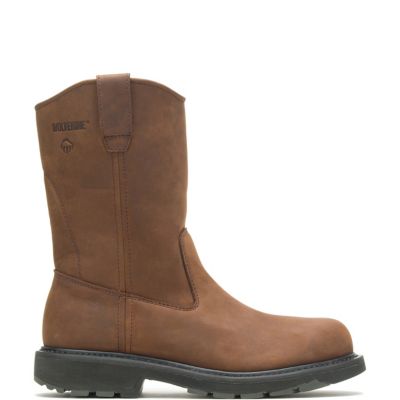
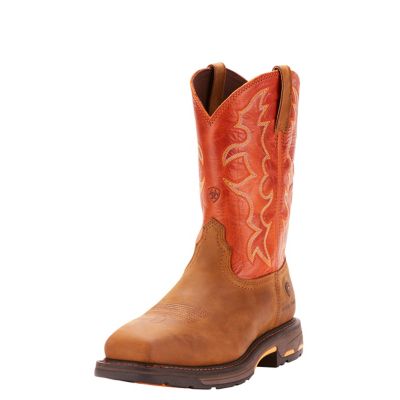
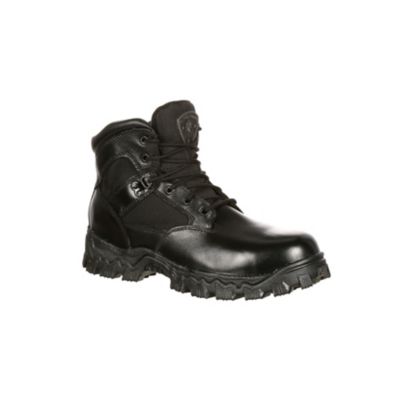
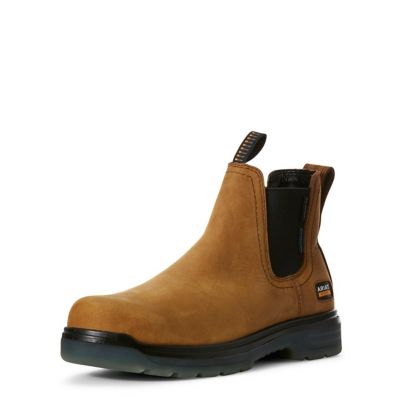
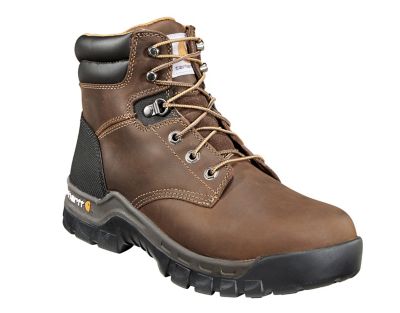
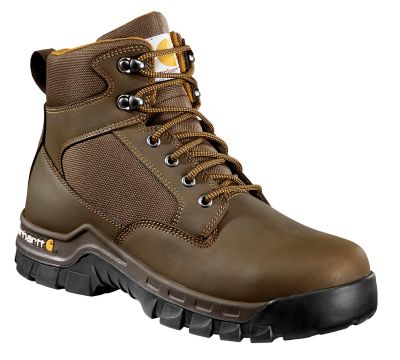
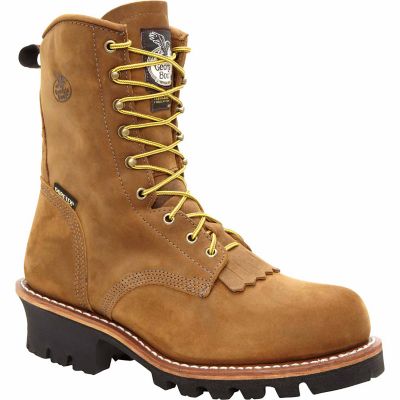
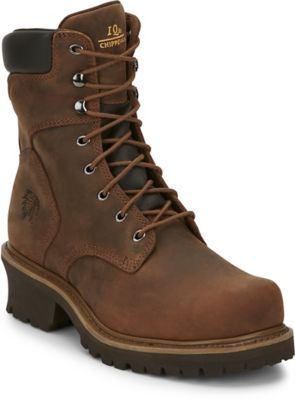
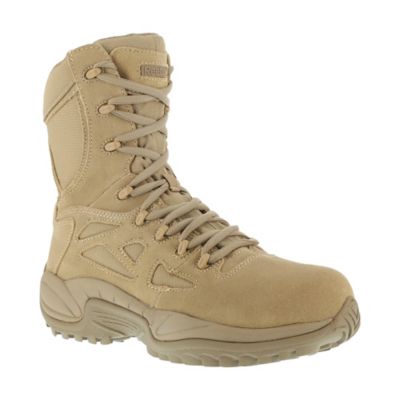
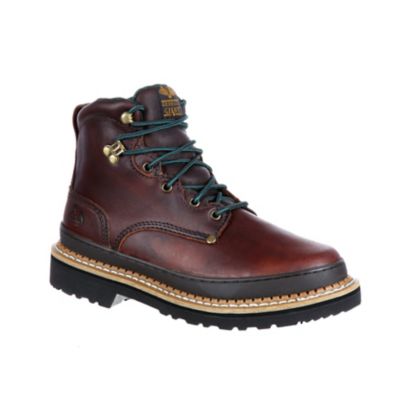
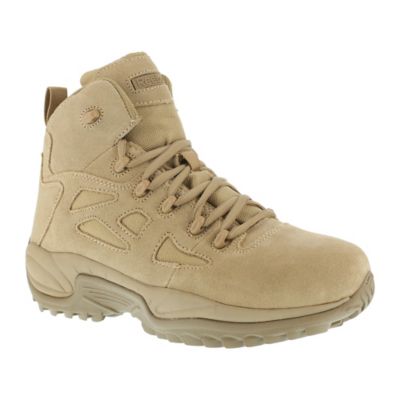
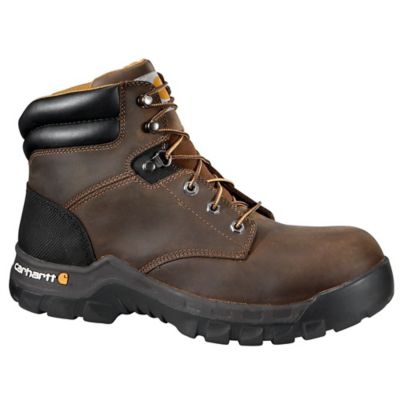
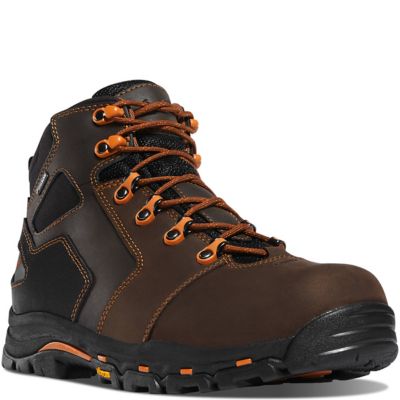
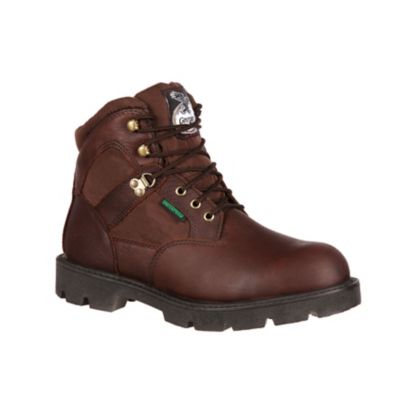
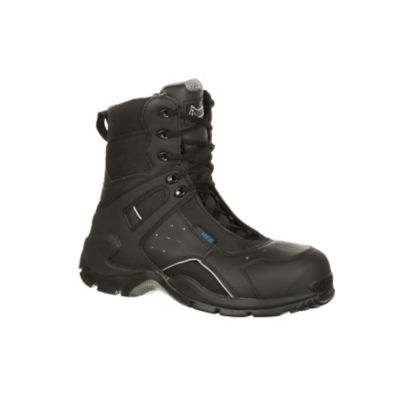
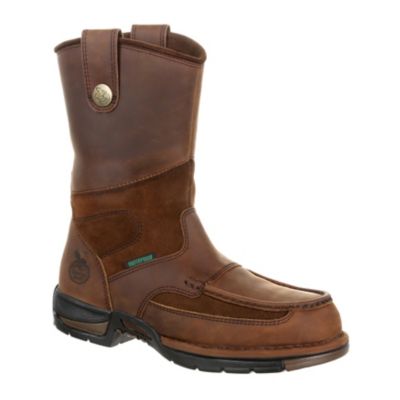
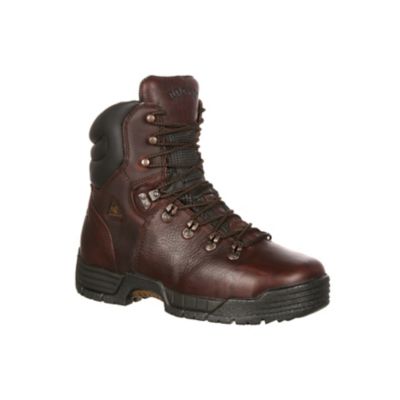
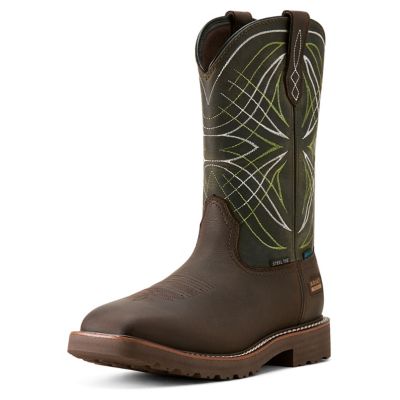
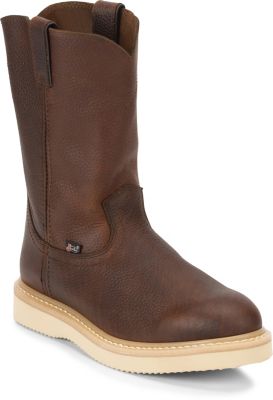
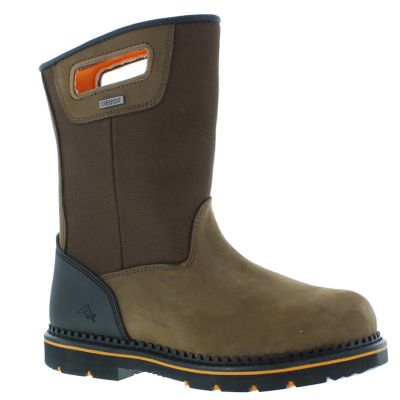
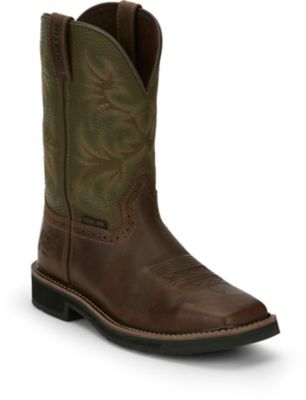
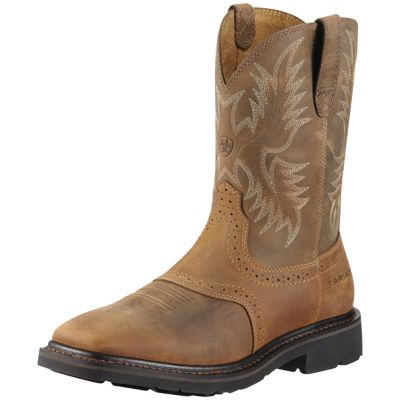
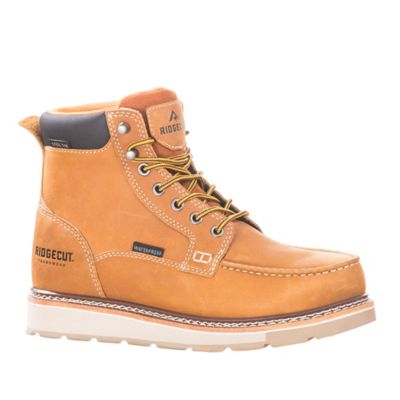
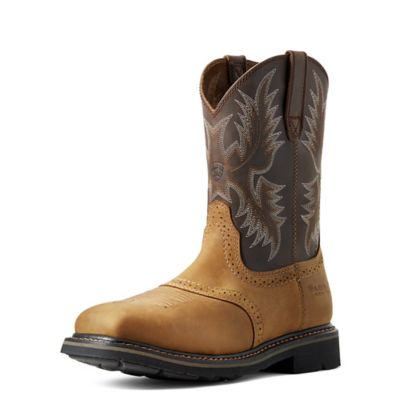
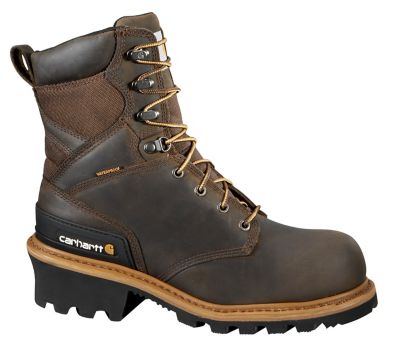
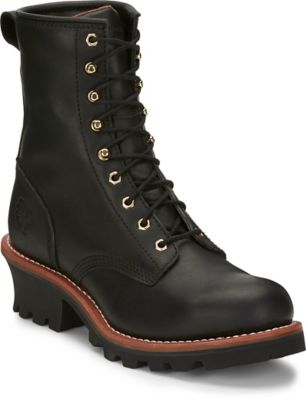
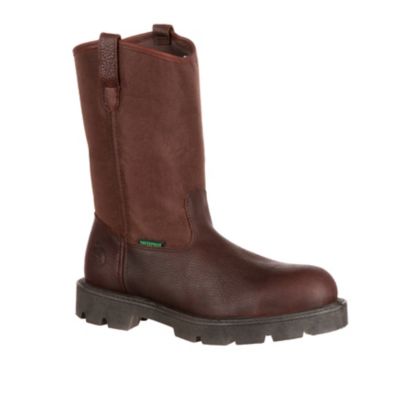
ASTM F2413 electrical hazard boots bring together safety-toe protection and a sole-and-heel construction designed to help reduce the risk of electrical shock from incidental contact with energized circuits under dry conditions. The EH designation matters: ASTM F2413 covers several protective-footwear requirements, and a boot marked with the standard does not necessarily carry an electrical hazard rating. Footwear bearing the EH designation must withstand a test of 18,000 volts at 60 Hz for one minute, with leakage current no greater than one milliampere under dry laboratory conditions. That figure describes a test requirement, not a voltage that makes working on live equipment safe. EH boots provide secondary protection, alongside the electrical safety practices and protective equipment required for the job. They do not replace de-energizing equipment, lockout/tagout procedures, or task-specific electrical protection. For farm maintenance crews, construction workers, plant employees, and tradespeople, that distinction keeps the focus on footwear suited to the actual work environment. A day might include walking across a dry shop floor, carrying parts past machinery, or handling materials where dropped tools and incidental electrical exposure are separate concerns. Safety toes address specified impact and compression hazards, while the EH marking identifies the additional electrical protection. The marking is typically inside the boot, often on the tongue or lining, and should identify the applicable ASTM F2413 edition and the EH designation. Employer requirements may call for a particular edition or additional protection, so those details deserve attention before fit and style settle the choice. Neither a work-boot appearance nor a safety toe alone establishes EH compliance. Waterproof construction does not establish it either. Wet footwear, excessive wear, embedded metal, and damage can compromise electrical protection, making the condition of the whole boot just as important as the marking it carried when new.
Construction choices give electrical hazard work boots different strengths for long days around barns, shops, building sites, and equipment yards. Leather uppers can provide a substantial barrier against everyday scuffs, while textile panels may reduce weight and let heat escape more readily. Waterproof membranes can help keep outside moisture away from socks, but they do not turn EH footwear into primary electrical protection or extend a dry-condition rating to wet work. During cooler months, insulation may make outdoor chores more comfortable, though heavily insulated boots can feel too warm during hours inside a heated shop. Outsole design deserves the same attention as the upper. Deeper lugs can help on loose ground, while other tread patterns are better suited to hard flooring; any slip-resistance claim should be checked against the surfaces and contaminants present at work. Mud packed into a tread can change how a boot grips, and oil resistance is a separate characteristic from electrical hazard protection. Steel, alloy, and composite safety toes can all appear in EH-rated footwear when the complete boot meets the relevant requirements. A metal toe does not automatically rule out an EH rating, and a composite toe does not automatically establish one. Composite construction may appeal to someone seeking less weight or less heat transfer through the toe cap, while steel toes can offer a comparatively slim protective profile, depending on the design. For another safety-toe category,
ASTM F2413 18 Steel Toe Boots provides a related point of comparison, with each boot’s EH marking still requiring separate attention. Lace-up styles allow adjustment through the instep and ankle, while pull-on styles offer straightforward entry before heading out to work. Taller shafts add coverage, but height alone does not indicate electrical protection, ankle support, or puncture resistance. Those features depend on the boot’s construction and stated ratings rather than its shape.
Fit and day-to-day care have a lot to do with how well EH safety-toe boots serve through a full shift. A pair that feels fine standing beside the truck may feel different after hours on concrete, repeated ladder climbs, or trips between the shop and a gravel yard. The right fit leaves room for toes to move without letting the foot slide forward into the safety cap on a slope. A protective toe cap will not stretch to relieve pressure, so tightness across the toes is not something to count on breaking in. Trying boots with the socks normally worn for work, preferably later in the day when feet may be slightly larger, gives a better sense of everyday comfort. The heel should feel secure without rubbing, and laces should hold the midfoot without pinching across the instep. Cushioning can take some of the edge off hard floors, while a supportive footbed and stable platform can help the boot feel steady when carrying feed sacks, tool cases, or building materials. Replacement insoles, orthotics, and repairs should follow the footwear manufacturer’s guidance so changes do not compromise fit or protective performance. After work, brushing away dirt and clearing packed tread makes it easier to spot cuts, separating soles, deep cracks, or metal lodged underneath. Leather care should follow the maker’s directions, including which cleaners and conditioners are appropriate. Boots that get wet need time to dry as directed, away from excessive heat that can harm leather, adhesives, and other components. Drying alone is not proof that damaged or contaminated footwear has regained its protective properties. Worn-down tread, exposed safety components, loose heels, and sole separation are reasons to take boots out of service for assessment or replacement under workplace rules. Electrical hazard boots make the most sense as one part of a work setup matched to the hazards, footing, weather, and physical demands of the job. Clear markings, a comfortable fit, and sound condition matter more than a rugged look when the workday runs from the first equipment check to putting tools away.