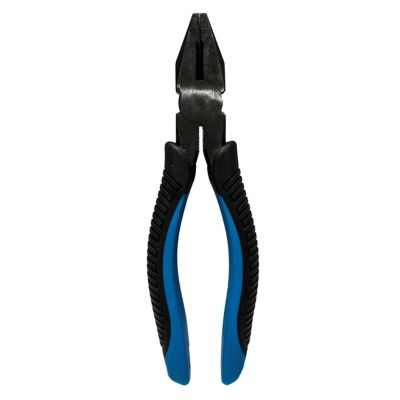
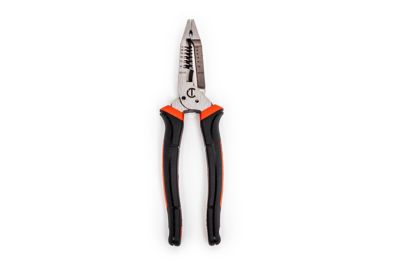
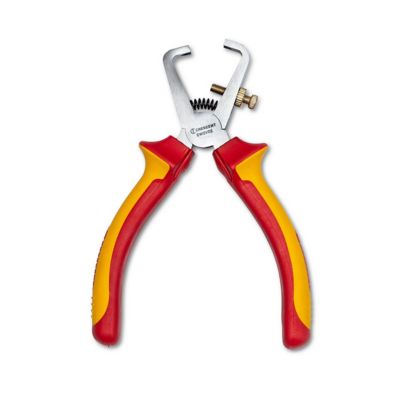
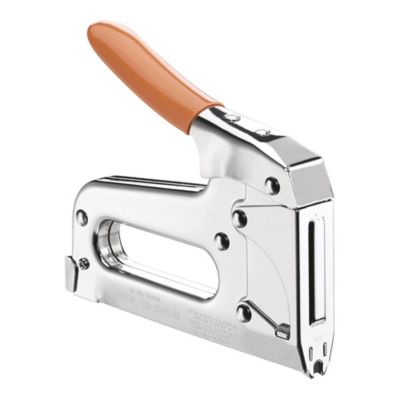
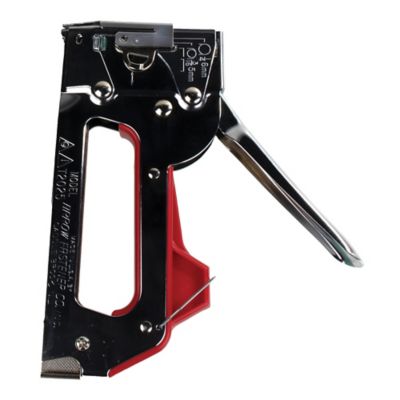
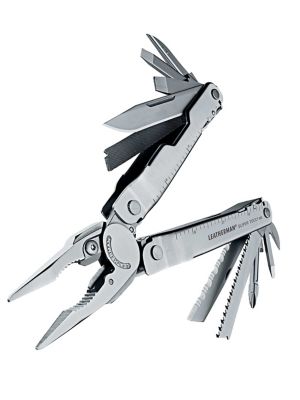
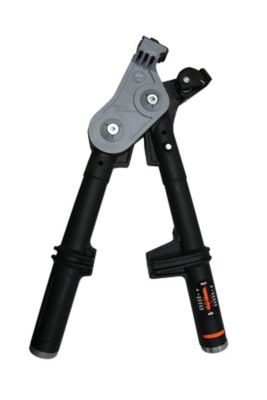
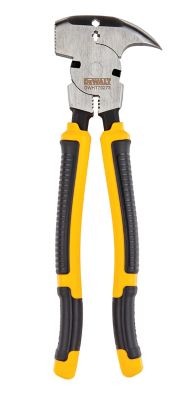
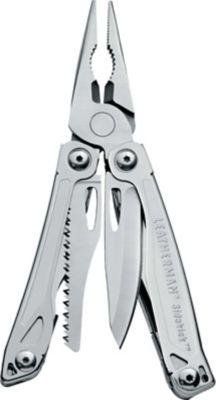
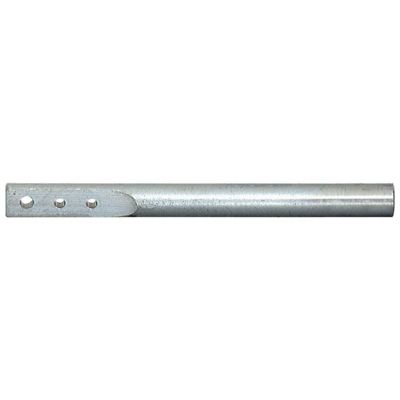
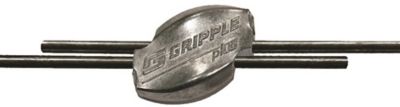
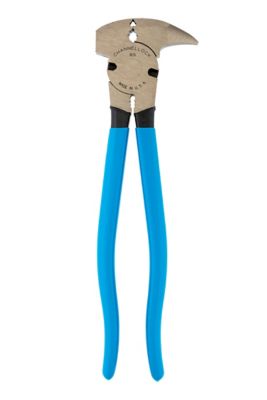
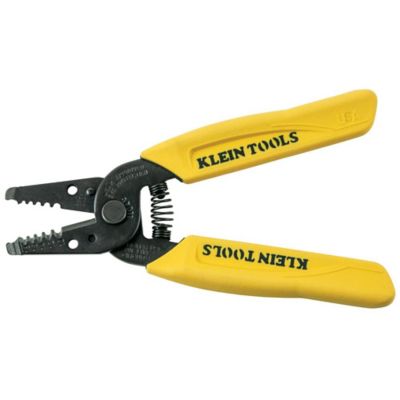
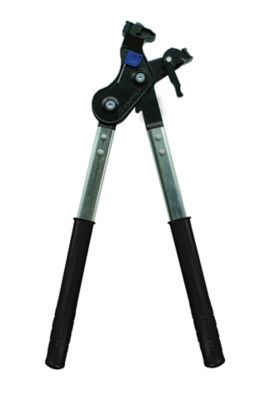
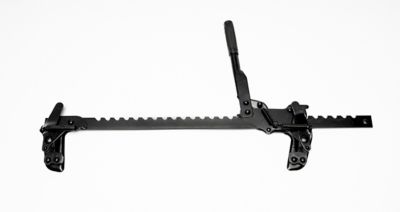
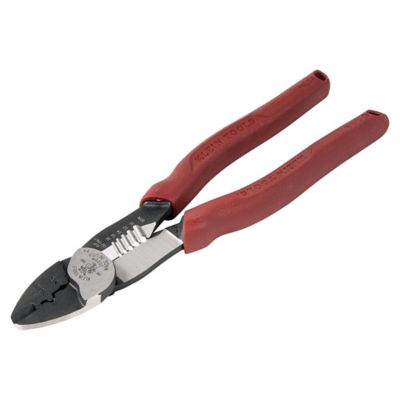
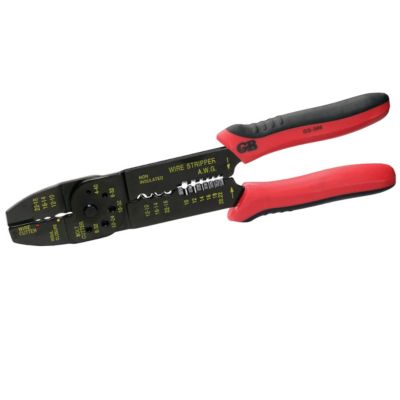
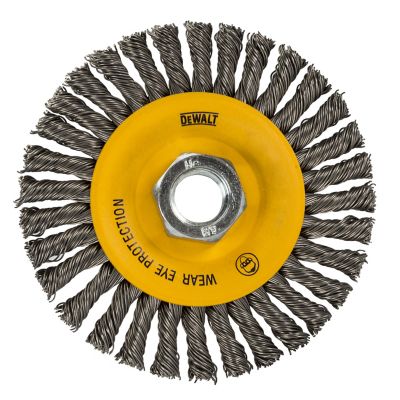
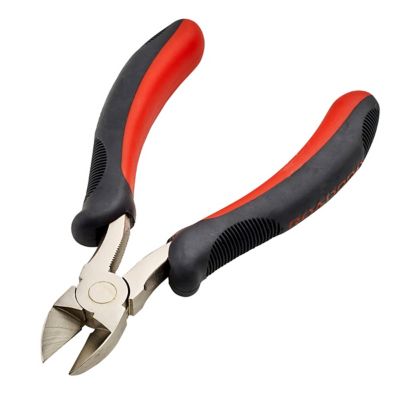
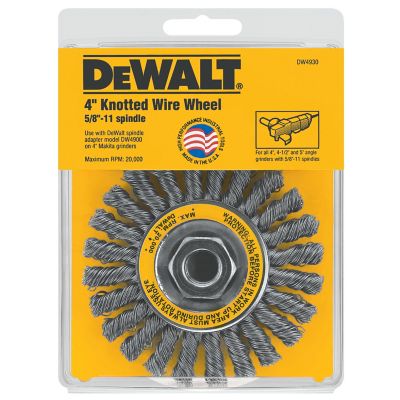
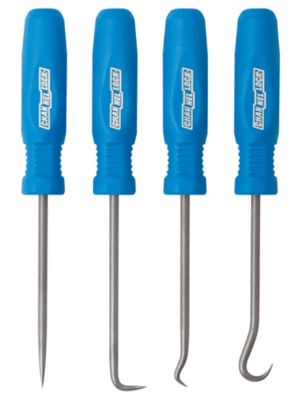
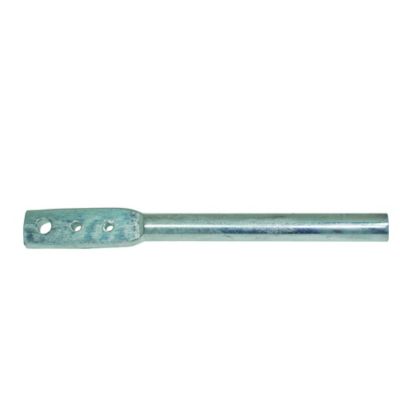
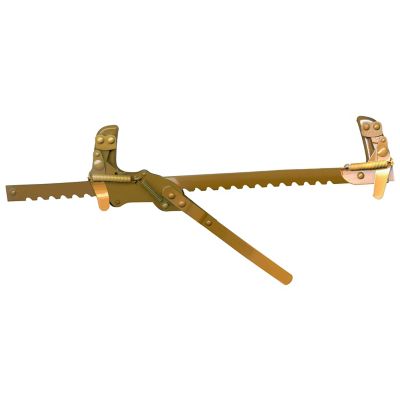
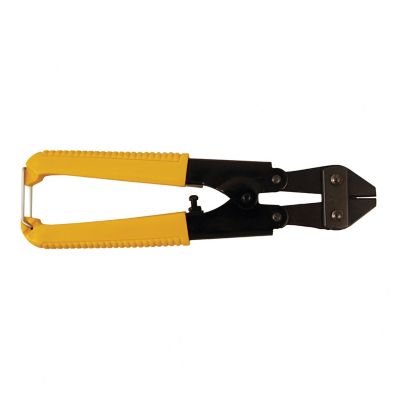
Wire tools are handy additions to the toolbox for farm, ranch, workshop and household jobs alike. They help with the everyday work of cutting, gripping, twisting, shaping and securing wire, whether you are repairing a fence, building a garden trellis, bundling light-gauge wire or making a quick fix around a shed. A good pair of wire-handling tools should feel steady in your hand, open and close smoothly, and give you enough leverage to do the job without forcing your wrist. Look for handles that are comfortable to hold, especially if you expect to spend a long afternoon working along a fence line or sorting through a roll of wire. The right size matters, too. Compact tools can be useful for close work and small repairs, while longer handles may offer more leverage when working with heavier wire. Pay attention to the type and thickness of wire each tool is made to handle, since a tool intended for light craft or utility wire may not be suited for fencing or other demanding work. Sharp cutting edges, strong jaws and a solid pivot can make a noticeable difference when you are working with stiff, weathered or tightly wound material. Keeping the tool clean and dry after use helps it move freely, and a small amount of lubricant at the pivot can help extend its working life.
Wire tools earn their keep in plenty of places. Around a homestead, they may be used to tighten a loose section of fencing, secure a gate latch, repair a livestock panel or fasten a length of wire where wind and daily use have worked it loose. In the garden, they can help tie up climbing plants, support young trees, build simple cages and keep protective netting in place. In a shop or garage, they are useful for organizing cords, trimming tie wire, working on utility projects and handling small repairs that call for a firm grip. Folks who maintain equipment, build displays, make crafts or tend to poultry and small livestock may find themselves reaching for wire tools more often than expected. During the cooler months, they can be especially useful for indoor repair work, preparing supplies for the next growing season or taking care of maintenance projects before the ground softens. If you are putting together a practical gift for a new homeowner, gardener, hobby farmer, craft maker or do-it-yourselfer, a dependable wire tool can be a thoughtful choice because it is useful without taking up much room. For a broader selection of handy equipment that can serve several jobs around the property, take a look at
Flexible Tools.
Before choosing wire tools, consider the kind of work you do most often and the conditions where the tools will be used. Fencing jobs may call for sturdy construction and extra leverage, while garden and craft projects may benefit from a lighter tool that offers more control in tight spaces. If you work outdoors, a comfortable grip can be just as important as cutting strength, especially when your hands are cold, dusty or tired. Locking features may help with storage, while a bright or easy-to-see handle can keep a small tool from disappearing into grass, gravel or the bottom of a crowded toolbox. For repeated work, choose tools that match your hand size and feel balanced rather than awkward or top-heavy. Safety matters with every wire project: wear eye protection when cutting, keep the loose end pointed away from yourself and others, and use gloves when handling sharp, springy or rusted wire. It also helps to make clean cuts and bend exposed ends inward so they are less likely to snag clothing, scratch skin or catch on an animal. Store wire tools in a dry place, wipe away dirt after outdoor use and inspect the jaws, cutting edges and handles before starting a repair. With the right fit and a little care, wire tools can make routine chores go smoother, from mending a small break in the fence to shaping a neat garden support or finishing a weekend project in the shop.