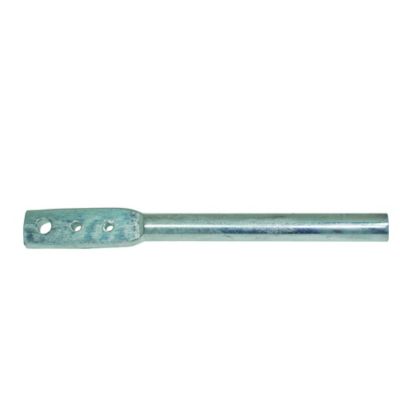
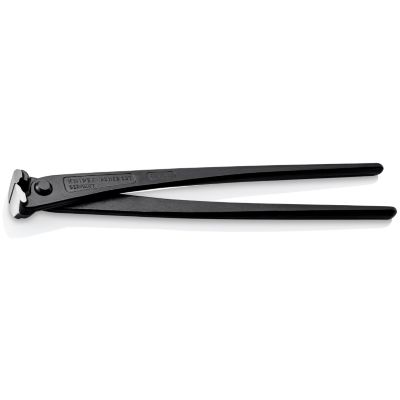
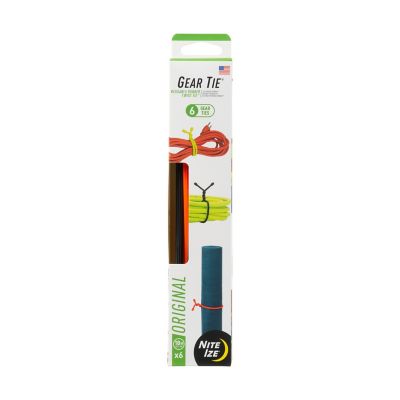
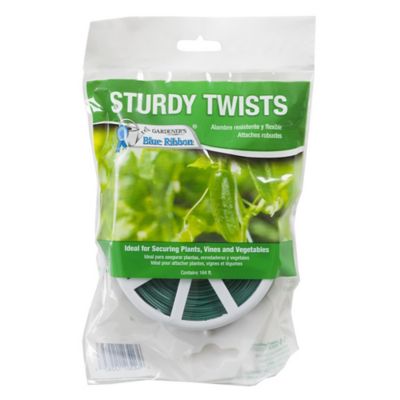
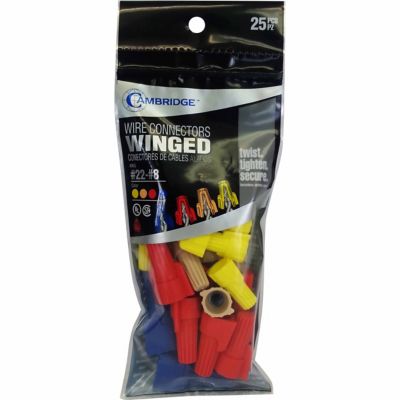
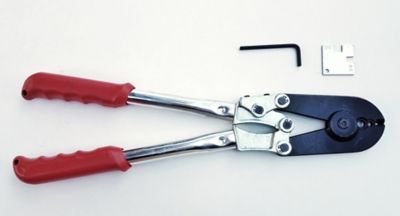
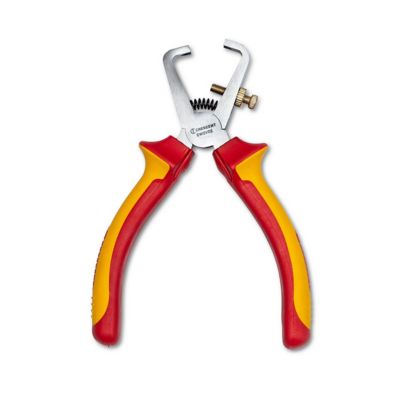
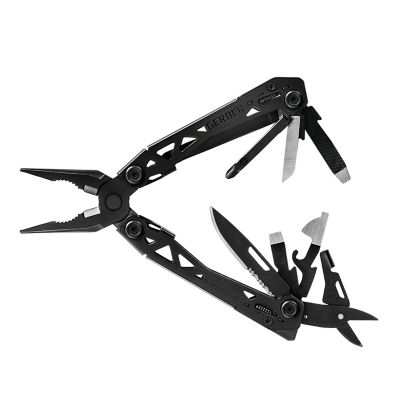
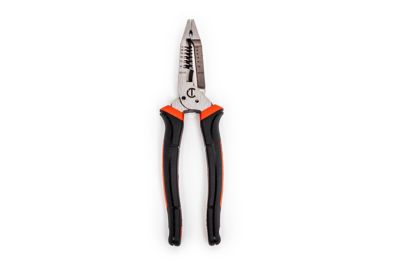
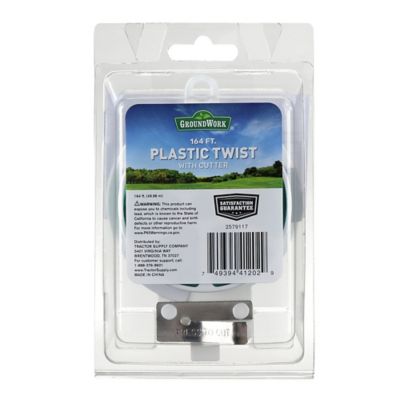
Wire twisting tools help fasten, connect, and secure wire with less hand strain and more consistent results. They come in several styles, so the best choice depends on the kind of wire and the job at hand. Electrical wire twister attachments fit into a cordless drill and can help twist multiple solid or stranded wires together before a connector is installed. They are handy for repetitive wiring work where turning each bundle by hand gets tiring, though electrical connections should always be made with the power shut off and with the proper connector for the wire size and application. For cleanup work around the shop, farm, or house, a dedicated pair of
Wire Strippers can help prepare insulation and conductor ends before twisting. Safety wire pliers are made for a different kind of task. These locking pliers use a pull-and-twist action to wrap stainless safety wire around bolts, fasteners, and other parts that need to stay secured against vibration. They are often useful for automotive repairs, equipment maintenance, motorsports, aircraft work, and machinery where a loose fastener can cause trouble. A manual fence wire twisting tool or hooked wire twister is suited to high-tensile fence, livestock fencing, electric fence repairs, and other outdoor jobs where wire needs to be bent, wrapped, or tied without chewing up your fingers. Rebar tie twisters use a hook or semi-automatic pull-and-spin action to tighten loop ties around reinforcing bar, making them a practical addition for concrete work and construction projects. Each style is built around a simple idea: give you better leverage and a quicker, steadier twist than bare hands can provide.
When comparing wire twisting tools, start with the wire type, diameter, and material you work with most often. Thin electrical conductors call for a tool designed for electrical applications, while heavy fence wire and rebar ties need stronger hooks, shafts, or handles that can stand up to pulling and repeated twisting. High-tensile and galvanized fence wire can be stubborn, especially after it has been stretched tight across a long run, so look for a tool with a solid grip and a shape that lets you work without forcing your wrist into an awkward angle. A smooth, well-formed hook helps catch tie wire cleanly, while a sturdy shaft is less likely to bend when tightening a repair. For safety wire, check that the pliers lock securely and that the twisting mechanism turns evenly, since uneven wraps can leave loose spots or sharp wire ends. Drill attachments are a good fit for customers handling many similar connections, but they should match the chuck size and speed range of the drill being used. Manual tools are often easier to carry in a tool belt, fence bag, or tractor toolbox and do not depend on a charged battery. Handle comfort matters more than it may seem; a long afternoon repairing a pasture fence, tying rebar, or working through a stack of electrical connections can leave hands sore when a tool has sharp edges or a narrow grip. Look for durable construction, easy-to-clean surfaces, and a design that keeps your fingers away from the cut end of the wire. Protective gloves and eye protection are smart choices for most wire work, since springy fence wire and clipped ends can snap back or leave sharp points.
Wire twisting tools are useful for farmers, ranchers, fence crews, electricians, mechanics, builders, maintenance workers, and do-it-yourself homeowners who prefer to keep repairs moving instead of stopping for every small fastening job. They can live in a farm truck for a quick livestock fence repair, stay in a workshop drawer beside electrical supplies, or ride along in a construction crew’s bucket with tie wire and other hand tools. During the warmer part of the year, they help with pasture upkeep, garden fencing, trellis work, and outdoor projects; during the cooler months, they are just as useful for barn repairs, equipment service, shop wiring, and preparing indoor work areas. A compact manual twister can make a thoughtful gift for someone setting up a homestead, maintaining a few acres, or building a dependable collection of practical tools. More experienced users may appreciate a specialized safety wire tool or a drill-based attachment that saves time on repetitive work, while a beginner may be better served by a straightforward hand tool that is easy to understand and carry. Keep the intended job in mind, along with the wire gauge, working environment, available drill or power source, and how often the tool will be used. The right wire twisting tool can turn a fiddly, hard-on-the-hands chore into a clean, controlled part of the job, whether you are securing a fence line, tying reinforcing steel, locking down a fastener, or getting an electrical connection ready for its final fitting.