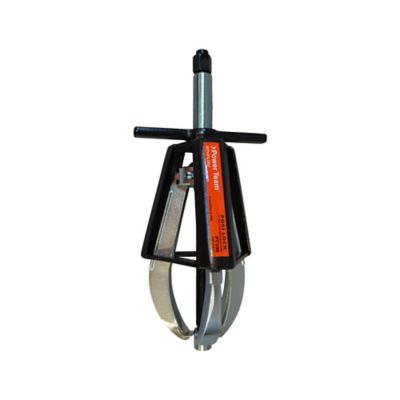
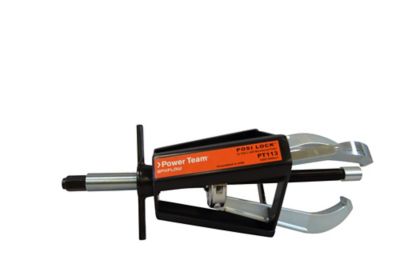
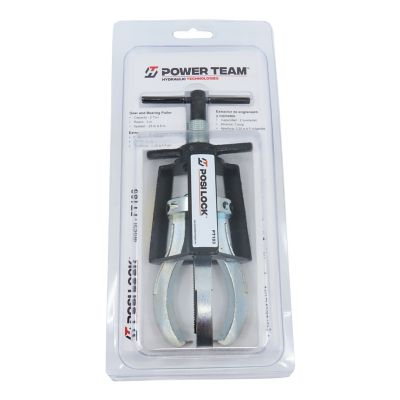
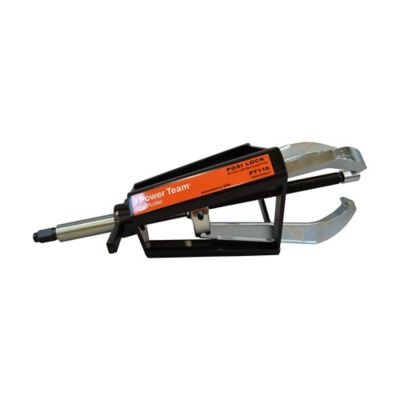
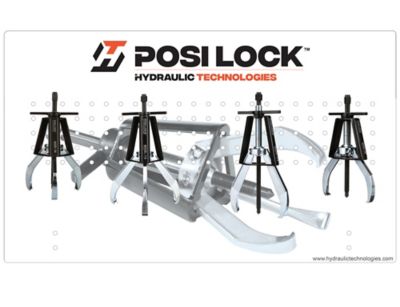
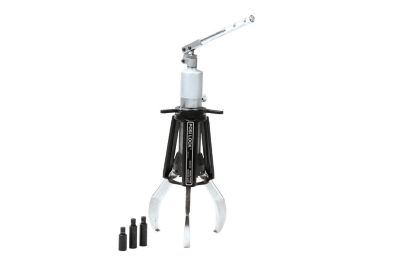
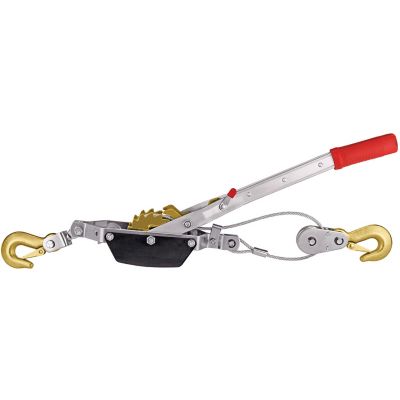
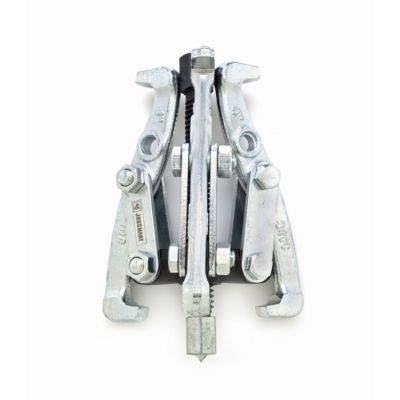
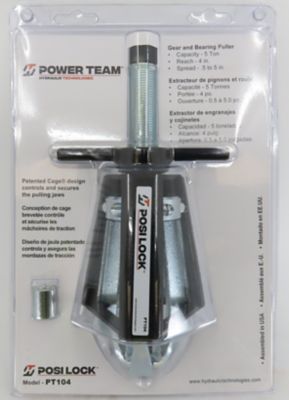
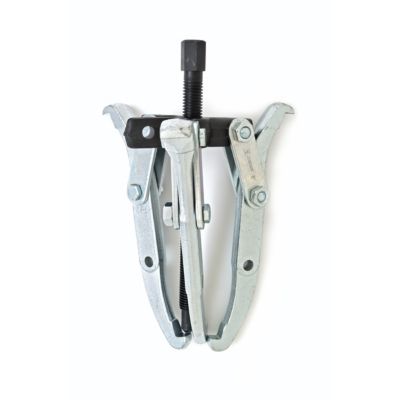
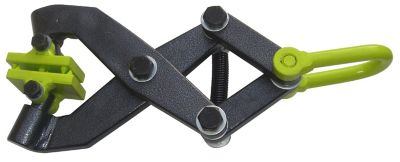
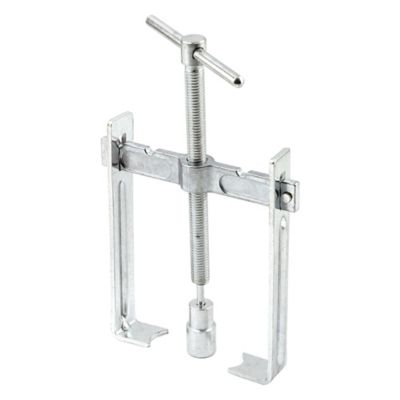
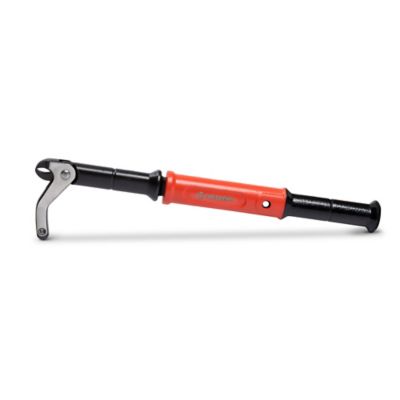
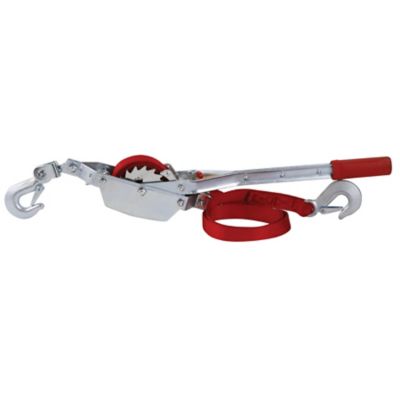
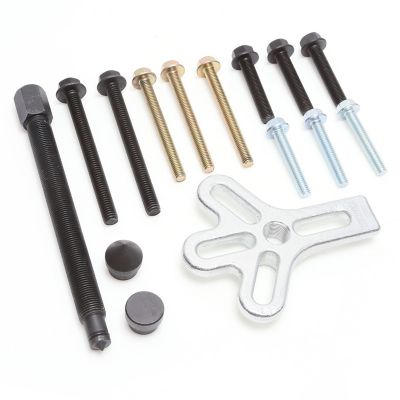
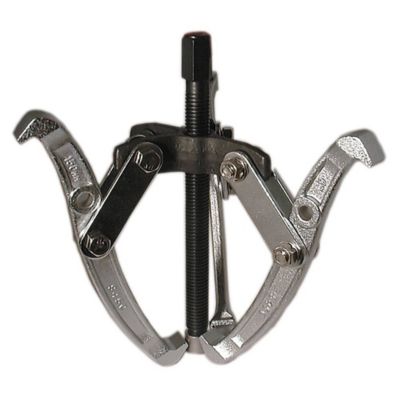
Puller tools, also called extractors or gear pullers, are made for removing parts that are pressed tightly onto a shaft or fitted snugly inside a housing. They use mechanical force in a controlled way, helping take off gears, bearings, pulleys, hubs, steering wheels, and other stubborn components without relying on prying, hammering, or makeshift methods. A typical external puller has two or three jaws that grip the outside of a part while a center screw presses against the shaft. As the screw is turned, the jaws draw the component off gradually and evenly. Two-jaw pullers can fit into narrower spaces, while three-jaw designs often provide more balanced holding power around round parts. Some pullers have reversible or adjustable jaws for added reach and versatility, which can be handy when working on equipment with crowded, awkward layouts. When a component sits flush against a shoulder or there is little room behind it, a bearing separator or similar attachment can wedge beneath the part and provide a solid surface for the puller to grab. Slide hammers work a little differently, using a sliding weight to deliver pulling force and are often used for blind bearings, dented body panels, nails, and other parts that cannot be reached from both sides. Together, these designs cover many repair and maintenance jobs around a farm, garage, shop, or home workshop.
Choosing the right puller starts with identifying the part being removed and the amount of room available around it. Check the puller's jaw opening, reach, throat depth, and rated capacity to make sure it can sit squarely on the workpiece without slipping. The jaws should have a firm bite on a strong edge of the part, not on a thin lip, soft casting, or surface that may crack under pressure. For small repairs on lawn equipment, utility trailers, older vehicles, or household machinery, a compact puller may be easier to position than a larger shop-style tool. Heavier equipment and tightly seized parts call for a sturdier design with enough capacity to handle the job without overstressing the tool. A bearing separator can be especially useful when a bearing, gear, or pulley is tight against a shoulder, while a slide hammer may be the better choice for an internal part or a piece with no convenient outer edge. Look for durable construction, smooth threads, comfortable handles, and adjustments that lock securely. It is also worth considering whether the puller will be used occasionally for maintenance or kept close at hand for regular repairs; a versatile set can make sense for a busy homestead, while a purpose-built puller may be the better fit for one recurring task. Before applying force, clean away dirt and rust, support the equipment securely, and protect nearby surfaces. Keep hands clear of the jaws and the line of force, wear eye protection, and increase pressure gradually rather than striking the center screw or forcing a tool beyond its rating. Penetrating lubricant and a little patience often do more good than brute force, especially on parts that have spent years exposed to dust, moisture, and temperature changes.
Puller tools are useful for farmers, ranchers, mechanics, equipment operators, DIYers, and anyone who prefers to keep dependable repair gear nearby. They can earn their keep during routine maintenance on tractors, mowers, small engines, pumps, cultivators, trailers, and shop machinery, particularly when worn bearings or pulleys need to be removed before replacement parts can be installed. They are also practical for restoring older equipment, where a part may be stuck from rust or years of use and a careful, even pull can help preserve the shaft and surrounding housing. A puller can be a thoughtful gift for a weekend mechanic, a new homeowner building a tool collection, or a family member setting up a garage or barn workspace. It is the kind of tool that may sit quietly in a toolbox through several seasons, then prove its value when a bearing refuses to budge on a cool afternoon and the job cannot move forward without it. Pairing a puller with other dependable
Tools For Fasteners can help round out a repair setup for assembly and maintenance work. As the weather warms, pullers can help with tune-ups and equipment preparation, while during the cooler months they are handy for indoor repairs, restoration projects, and keeping essential machinery ready for the next stretch of work. Whatever the task, matching the puller to the component, using steady pressure, and working with care can make difficult removal jobs more manageable and help protect the equipment you plan to keep running.